Request Demo
Last update 14 Aug 2025
Advanced Therapeutics
Last update 14 Aug 2025
Overview
Related
100 Clinical Results associated with Advanced Therapeutics
Login to view more data
0 Patents (Medical) associated with Advanced Therapeutics
Login to view more data
1
Literatures (Medical) associated with Advanced Therapeutics01 Apr 1998·Anti-cancer drug design
Assessment of toxicity of bis-platinum complexes in hypoxic and aerobic cells.
Article
Author: Adomat, Hans ; Skov, Kirsten A. ; Matthews, Jeffrey B. ; Farrell, Nicholas P.
There is considerable interest in the bis-platinum series of complexes as potential chemotherapeutic agents, due to their activity in cisplatin-resistant lines and in various tumor types. Our interest in their hypoxic selectivity stems from the fact that cisplatin exhibits greater cytotoxicity in hypoxic than aerobic cells. Unlike nitroaromatics, quinones, tirapazamine and many other hypoxia selective agents, a 'bioreductive' moiety cannot explain these observations. We hypothesized that DNA-protein cross-links (D-P) might play a role in the mechanism. Bis-platinum complexes have variable cross-linking potentials, and their toxicities were assessed in air or hypoxia in CHO cells. Of the three classes examined, only those from the 2,2/cis,cis series show greater hypoxic selectivity than cisplatin. These have greater potential for cross-links than cisplatin, being potentially bifunctional at each platinum, with the two leaving groups (X) in the cis position, and with variable distance (n) between the platinum centers: cis-[(PtX2(NH3))2H2N(CH2)nNH2]. Cellular platinum accumulation and DNA binding were also measured, and like cisplatin, results are consistent with a more toxic lesion formed in hypoxia. Lower hypoxic selectivity in the UV20 cell line may reflect an inability to excise the relevant lesion. These results support the D-P hypothesis. Further support comes from a 1,1/trans,trans complex which does not form D-P and which exhibited the reverse behavior to 2,2/cis,cis or cisplatin, i.e. higher toxicity in aerobic than in hypoxic cells. This study examines the possibility of an additional mechanism of selection for hypoxic toxicity involving DNA-protein cross-links.
6
News (Medical) associated with Advanced Therapeutics21 Jul 2025
STOCKHOLM, July 21, 2025 /PRNewswire/ -- RaySearch Laboratories AB (publ) is pleased to announce that AKSM/Oncology has selected RayCare®* oncology information system and RayStation®* treatment planning system for Advanced Radiation Therapeutics (ART), a new partnership with Urology Associates of The Central Coast in San Luis Obispo in California, USA. The center is expected to open in March 2026 and will provide patients with comprehensive treatment using various techniques. The new center will use RayStation and RayCare together with its Varian TrueBeam** linear accelerators.
ART will be a multidisciplinary center serving the central coast of California. The center is one of more than 20 freestanding radiotherapy centers AKSM/Oncology has created in partnership with various physician groups across the USA.
ART has acquired the TrueBeam machine through Radiology Oncology Systems (ROS), a collaboration partner of RaySearch.
RayCare 2024A, which is now market cleared in the U.S., includes interoperability with all Varian TrueBeam linear accelerators. RayCare 2024A also provides a fully integrated workflow from treatment prescription to treatment delivery. Further, the system is deeply integrated with RayStation, bringing efficiency and safety into the clinical workflow by reducing the number of manual actions required. RayStation will provide the center with treatment planning technology such as 3D planning, IMRT, VMAT, electron beam radiation therapy, and deformable registration.
Scott Neal, President of AKSM/Oncology and Board Member at Advanced Radiation Therapeutics: "We are pleased to partner with RaySearch to provide all oncology information and treatment planning systems for our new state-of-the-art Radiation Therapy Center currently under development in San Luis Obispo, CA. RaySearch is at the forefront of innovation in this field, and we look forward to collaborating in our shared commitment to advancing patient care and improving outcomes for our patients."
Johan Löf, founder and CEO, RaySearch: "I am excited to see the RayCare extension gaining traction in the U.S. and I believe that RaySearch's integrated treatment planning and oncology information system present a compelling solution for all types of radiotherapy centers. I am convinced that by integrating RayStation and RayCare with TrueBeam, Advanced Radiation Therapeutics will achieve greater efficiency and, ultimately, improved patient care."
The order was received in the second quarter of 2025. Revenue is expected to be recognized over the next eight months leading up to the department go-live.
For more information, please contact:
Johan Löf, founder and CEO, RaySearch Laboratories AB (publ)
Telephone: + 46 (0) 8 510 530 00
[email protected]
Learn more about us on:
LinkedIn
YouTube
This information was brought to you by Cision
The following files are available for download:
SOURCE RaySearch Laboratories
WANT YOUR COMPANY'S NEWS FEATURED ON PRNEWSWIRE.COM?
440k+
Newsrooms &
Influencers
9k+
Digital Media
Outlets
270k+
Journalists
Opted In
GET STARTED
Radiation Therapy
20 Mar 2025
Abbott Neuromodulation Global Clinical & Regulatory Divisional VP Jenn Wong discusses the TRANSCEND trial, imaging tech advancing deep brain stimulation, and other potential applications of DBS.
Abbott is studying deep brain stimulation (DBS) as a potential treatment for depression, taking the technology in a direction that could advance other mental health therapies.
Abbott received FDA Breakthrough Device Designation for DBS in 2022 to investigate the technology’s potential for treating treatment-resistant depression, a diagnosis for people with a major depressive disorder who have unsuccessfully tried multiple treatments.
The first patient in Abbott’s TRANSCEND (Treatment Resistant Depression Subcallosal Cingulate Network DBS) study recently had an Abbott Infinity DBS system implanted in them.
DBS systems send electricity from a chest implant through tiny leads that run up a patient’s neck and into their brain. DBS systems are already approved by the FDA for treating epilepsy and movement disorders like Parkinson’s and essential tremor.
“A deep brain stimulator is like a pacemaker for the brain. It’s sending electrical pulses that are meant to disrupt the electrical activity,” Abbott Neuromodulation Global Clinical & Regulatory Divisional VP Jenn Wong said in an interview.
“The area that we’re targeting is thought to be involved in depression,” she continued. “… Depression represents a change for us from movement disorders into a more psychiatric space.”
As researchers home in on the exact part of a patient’s brain where stimulation could treat depression, a key technology unlocking this approach is modern tractography, imaging that models nerve tracts in three dimensions to help neurosurgeons place brain implants.
Magnetic resonance imaging (MRI) and CT scans are used before and during the implantation procedure for accurate and precise placement of the leads in the brain.
“Whether you’re going to have a good therapeutic effect depends on how close you are to the area that you’re stimulating, so that imaging process is very important,” Wong said. “…. There are patient-specific considerations for the way they access the tract. That’s where the tractography comes in, because you have to be aware of the vasculature within the brain to be accurate.”
Another critically important part of DBS is patient selection to find those that are likely to benefit from the therapy, Wong said. That’s one factor that may be responsible for the failure of previous studies into DBS for depression.
“For physicians, the most important thing is for them to have the range in their toolbox to work with those patients, especially because not only are there compliance concerns with drugs, there are also side effects for those drugs, especially over the long term,” Wong said. “Patient tolerance of different side effects may drive a preference for more surgical options.”
Another potential factor for the failure of previous trials is that they may not have been long enough. Abbott’s multi-center TRANSCEND trial will evaluate DBS therapy for patients with over the next three years.
All of the patients in the study will have the Infinity DBS system implanted, but some will not receive any stimulation therapy for the first 12 months. After the first year, all patients will have their devices activated. That’s one reason the randomized, double-blind trial uses Abbott’s non-rechargeable Infinity DBS system rather than the rechargeable Liberta RC DBS system.
“An important aspect is making sure the patients don’t know if the stimulation is on or off, and if we had a rechargeable, that would be a little bit more challenging to manage,” Wong explained.
Researchers at the Icahn School of Medicine at Mount Sinai placed that first implant for the TRANSCEND trial. Mount Sinai’s Nash Family Center for Advanced Circuit Therapeutics Founder Dr. Helen Mayberg pioneered the science behind DBS for treatment-resistant depression, Mount Sinai said in a news release announcing the first implantation.
“She is credited with identifying the subcallosal cingulate as a signaling hub for depression in the brain and discovering that modulation of this brain area can help alleviate depression symptoms,” Mount Sinai said. “Previous research, much of it pioneered by Dr. Mayberg through independent, single-arm, open-label, grant-funded studies at several leading academic research institutions and for the past seven years at Mount Sinai, has shown sustained improvement in symptoms of depression.”
What might be next for DBS?
“The thing about DBS is because it is something that’s permanently implanted, it’s well suited for these chronic diseases where people have a lot of suffering over time,” Wong said. “That’s something that we also noticed about depression and why we’re focused on treatment-resistant depression — also called difficult-to-treat depression — because these patients spend a lot of time trying other therapies that tend to have more of an acute effect.”
“That’s the way that I would look at different patient populations that are eligible for DBS in the future,” she continued. “Which patients spend a long time focusing on their disease and the symptoms over their lifetime, and is that an opportunity for DBS to make a difference?”
Wong said she and her team are monitoring other studies into chronic pain and anxiety-driven disorders like obsessive-compulsive disorder. With researchers learning more about the different targets in the brain and the needs of patients, she said, “the door is open.”
Breakthrough Therapy
12 Sep 2023
Researchers have invented a nano-thin superbug-slaying material that could one day be integrated into wound dressings and implants to prevent or heal bacterial infections. The innovation -- which has undergone advanced pre-clinical trials -- is effective against a broad range of drug-resistant bacterial cells, including 'golden staph', which are commonly referred to as superbugs.
Researchers have invented a nano-thin superbug-slaying material that could one day be integrated into wound dressings and implants to prevent or heal bacterial infections.
The innovation -- which has undergone advanced pre-clinical trials -- is effective against a broad range of drug-resistant bacterial cells, including 'golden staph', which are commonly referred to as superbugs.
Antibiotic resistance is a major global health threat, causing about 700,000 deaths annually, a figure which could rise to 10 million deaths a year by 2050 without the development of new antibacterial therapies.
The new study led by RMIT University and the University of South Australia (UniSA) tested black phosphorus-based nanotechnology as an advanced infection treatment and wound healing therapeutic.
Results published in Advanced Therapeutics show it effectively treated infections, killing over 99% of bacteria, without damaging other cells in biological models.
The treatment achieved comparable results to an antibioticin eliminating infection and accelerated healing, with wounds closing by 80% over seven days.
The superbug-killing nanotechnology developed internationally by RMIT was rigorously tested in pre-clinical trials by wound-healing experts at UniSA. RMIT has sought patent protection for the black phosphorus flakes including its use in wound healing formulations, including gels.
RMIT co-lead researcher, Professor Sumeet Walia, said the study showed how their innovation provided rapid antimicrobial action, then self-decomposed after the threat of infection had been eliminated.
"The beauty of our innovation is that it is not simply a coating -- it can actually be integrated into common materials that devices are made of, as well as plastic and gels, to make them antimicrobial," said Walia from RMIT's School of Engineering.
A previous study led by RMIT revealed that black phosphorus was effective at killing microbes when spread in nano-thin layers on surfaces used to make wound dressings and implants such as cotton and titanium, or integrated into plastics used in medical instruments.
How the invention works
Black phosphorus is the most stable form of phosphorus -- a mineral that is naturally present in many foods -- and, in an ultra-thin form, degrades easily with oxygen, making it ideal for killing microbes.
"As the nanomaterial breaks down, its surface reacts with the atmosphere to produce what are called reactive oxygen species. These species ultimately help by ripping bacterial cells apart," Walia said.
The new study tested the effectiveness of nano-thin flakes of black phosphorus against five common bacteria strains, including E. coli and drug-resistant golden staph.
"Our antimicrobial nanotechnology rapidly destroyed more than 99% of bacterial cells -- significantly more than common treatments used to treat infections today."
The global war on superbugs
Co-lead researcher Dr Aaron Elbourne from RMIT said healthcare professionals around the world were in desperate need of new treatments to overcome the problem of antibiotic resistance.
"Superbugs -- the pathogens that are resistant to antibiotics -- are responsible for massive health burdens and as drug resistance grows, our ability to treat these infections becomes increasingly challenging," Elbourne, a Senior Research Fellow in RMIT's School of Science at RMIT, said.
"If we can make our invention a commercial reality in the clinical setting, these superbugs globally wouldn't know what hit them."
Treatment efficacy in preclinical models of wound infection
Lead researcher from UniSA, Dr Zlatko Kopecki, and his team performed the pre-clinical trials to show how daily topical application of the black phosphorus nanoflakes significantly reduced infection.
"This is exciting as the treatment was comparable to the ciprofloxacin antibiotic in eradicating wound infection and resulted in accelerated healing, with wounds closing by 80% over seven days," Dr Kopecki said.
Dr Kopecki, who is also a Channel 7 Children's Research Foundation Fellow in Childhood Wound Infections, said antibiotic treatments are becoming scarce.
"We urgently need to develop new alternative non-antibiotic approaches to treat and manage wound infection," he said.
"Black phosphorus seems to have hit the spot and we look forward to seeing the translation of this research towards clinical treatment of chronic wounds."
The team wants to collaborate with potential industry partners to develop and prototype the technology.
Clinical Result
100 Deals associated with Advanced Therapeutics
Login to view more data
100 Translational Medicine associated with Advanced Therapeutics
Login to view more data
Corporation Tree
Boost your research with our corporation tree data.
login
or
Pipeline
Pipeline Snapshot as of 18 Dec 2025
No data posted
Login to keep update
Deal
Boost your decision using our deal data.
login
or
Translational Medicine
Boost your research with our translational medicine data.
login
or
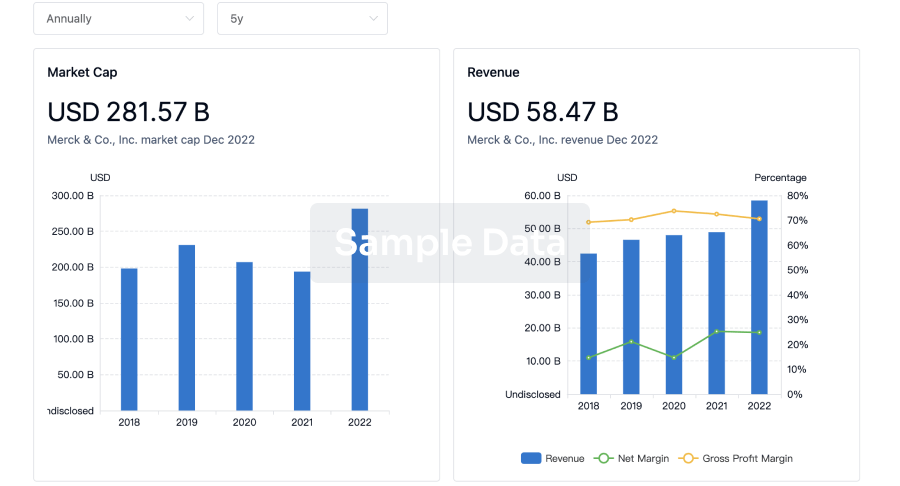
Profit
Explore the financial positions of over 360K organizations with Synapse.
login
or
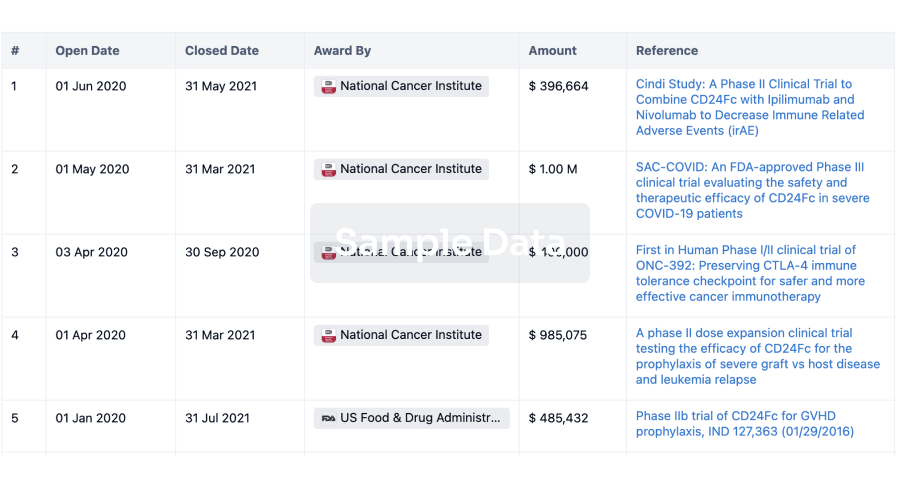
Grant & Funding(NIH)
Access more than 2 million grant and funding information to elevate your research journey.
login
or
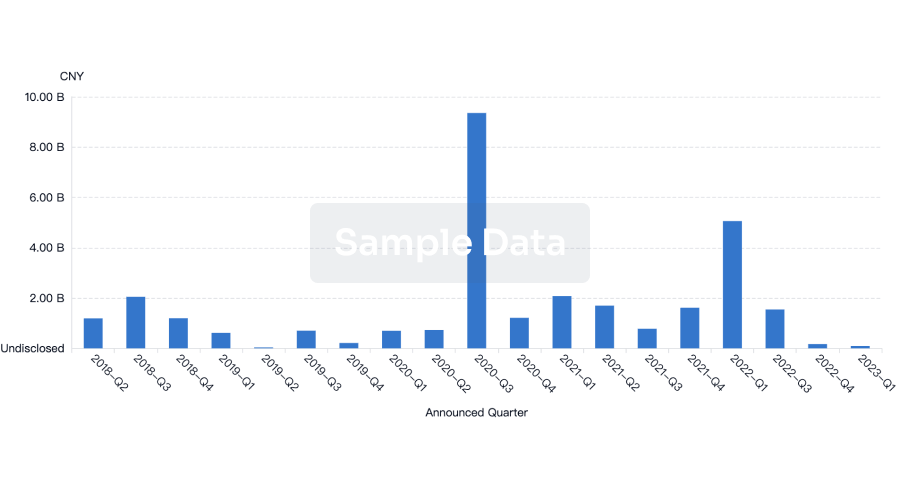
Investment
Gain insights on the latest company investments from start-ups to established corporations.
login
or
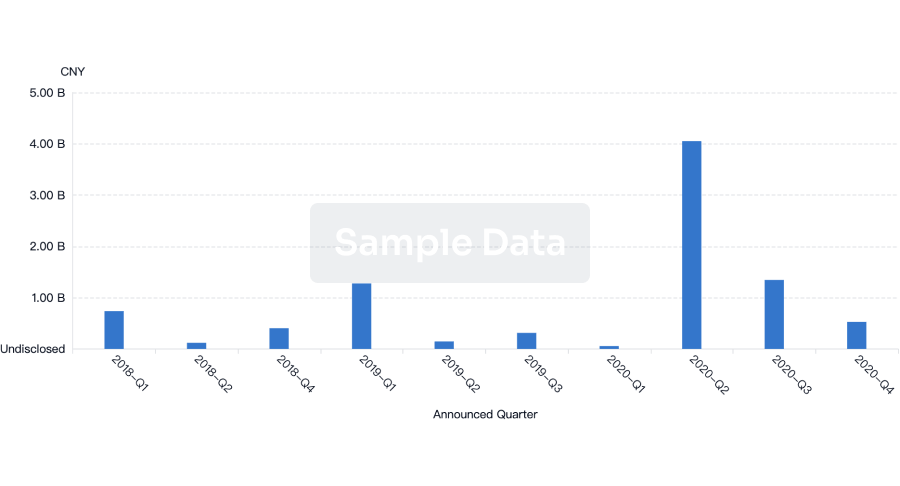
Financing
Unearth financing trends to validate and advance investment opportunities.
login
or
AI Agents Built for Biopharma Breakthroughs
Accelerate discovery. Empower decisions. Transform outcomes.
Get started for free today!
Accelerate Strategic R&D decision making with Synapse, PatSnap’s AI-powered Connected Innovation Intelligence Platform Built for Life Sciences Professionals.
Start your data trial now!
Synapse data is also accessible to external entities via APIs or data packages. Empower better decisions with the latest in pharmaceutical intelligence.
Bio
Bio Sequences Search & Analysis
Sign up for free
Chemical
Chemical Structures Search & Analysis
Sign up for free