Request Demo
Last update 08 May 2025

Shanghai Juncell Therapeutics Co. Ltd.
Last update 08 May 2025
Overview
Related
100 Clinical Results associated with Shanghai Juncell Therapeutics Co. Ltd.
Login to view more data
0 Patents (Medical) associated with Shanghai Juncell Therapeutics Co. Ltd.
Login to view more data
2
Literatures (Medical) associated with Shanghai Juncell Therapeutics Co. Ltd.21 Apr 2025·Cancer Research
Abstract 5827: Hydroxychloroquine increases the tumor killing efficiency via elevating the membrane MHC-I protein levels of tumor cells
Author: Huang, Chen ; Jin, Huajun ; Zhang, Man ; Zhuang, Wenjia ; Ma, Xingming
01 Jun 2024·Journal of Clinical Oncology
A phase I single-arm, open-label trial of engineering tumor-infiltrating lymphocytes with membrane-bound IL-7 for recurrent ovarian cancer.
Author: Ai, Guihai ; Jin, Huajun ; Huang, Wei ; Li, Caixia ; Luo, Ning ; Ge, Yao ; Wu, Yuliang ; Guo, Jing ; Zhao, Binghui ; Huang, Chen ; Rong, Chen ; Shi, Weihui ; Ding, Jinye ; Liu, Shupeng ; Cheng, Zhongping ; Wang, Weina ; Zhu, Jihui
3
News (Medical) associated with Shanghai Juncell Therapeutics Co. Ltd.29 Apr 2025
SHANGHAI, April 28, 2025 /PRNewswire/ -- Shanghai Juncell Therapeutics Co., Ltd. (Juncell Therapeutics), a clinical-stage biotech specializing in developing innovative IL-2-independent Tumor-Infiltrating Lymphocyte (TIL) therapies for cancer, today announced it will present preclinical data on a feeder-free manufacturing process for IL-2-independent TIL expansion at the 28th Annual Meeting of the American Society of Gene and Cell Therapy (ASGCT), taking place May 13–15, 2025, in New Orleans, LA.
The study highlights Juncell Therapeutics' breakthroughs in TIL process development, demonstrating that its proprietary feeder-free system can generate robust, functional TILs from both "hot" and "cold" tumor tissues without relying on high-concentration interleukin-2 (IL-2). These TILs exhibited significant anti-tumor activity in syngeneic patient-derived organoid (PDO) and patient-derived xenograft (PDX) models. By eliminating IL-2 dependence and removing the need for feeder cells, the technology paves the way for safer TIL treatment regimens and reduces manufacturing costs.
Presentation Details:
Title: Development of A Feeder-Free Process for IL-2-Independent TIL Expansion
Poster Number: AMA362
Session: Thursday Poster Reception
Date and Time: May 15, 2025, 5:30 PM–7:00 PM
Location: Poster Hall Hall I2
About Juncell Therapeutics
Juncell Therapeutics is a biotech dedicated to developing high-quality, accessible IL-2 independent TIL therapies for the treatment of solid tumors. Juncell Therapeutics has established its proprietary DeepTIL® cell expansion and NovaGMP® gene modification technology platforms, which are designed to address the key challenges of conventional TIL therapies, making TILs "robust, competent, affordable, and accessible." Two clinical-stage TIL therapies have demonstrated promising safety and efficacy in the treatment of ten types of heavily pretreated advanced solid tumors, including lung cancer, triple-negative breast cancer, pancreatic cancer, high-grade glioma, ovarian cancer, endometrial cancer, cervical cancer, head and neck cancer, bile duct cancer and melanoma.
For more information, please visit:
Juncell Contact:
[email protected]
SOURCE Shanghai Juncell Therapeutics Co., Ltd.
WANT YOUR COMPANY'S NEWS FEATURED ON PRNEWSWIRE.COM?
440k+
Newsrooms &
Influencers
9k+
Digital Media
Outlets
270k+
Journalists
Opted In
GET STARTED
Gene TherapyClinical StudyAACR
26 Mar 2025
SHANGHAI, March 26, 2025 /PRNewswire/ -- Shanghai Juncell Therapeutics Co., Ltd. (Juncell Therapeutics), a clinical-stage biotech developing innovative IL-2-independent Tumor-Infiltrating Lymphocyte (TIL) therapies for cancers, announced that a preclinical study of innovative pretreatment regimens for cell therapy will be presented at the American Association for Cancer Research (AACR) Annual Meeting, taking place April 25 - 30 in Chicago.
This study indicated that hydroxychloroquine (HCQ) could significantly increase the tumor-killing effects via elevating the membrane MHC-I protein levels of tumor cells without affecting TILs'proliferation. In addition, its effect on surface PD-L1 expression was not significant compared with IFN-γ. These results provide preclinical evidence for HCQ pretreatment of the adoptive cell therapy of TILs in clinical trials.
Details of the poster presentation are below:
Abstract Number: 5827
Abstract Title: Hydroxychloroquine increases the tumor killing efficiency via elevating the membrane MHC-I protein levels of tumor cells
Session Title: Immunomodulatory Agents and Interventions
Location: Poster Section 29
Poster Board Number: 3
Poster Presentation Time: 2:00 PM - 5:00 PM CST, April 29, 2025
About Juncell Therapeutics
Juncell Therapeutics is a biotech dedicated to developing high-quality, accessible TIL cell therapies for the treatment of solid tumors. Juncell Therapeutics has established its proprietary DeepTIL® cell expansion and NovaGMP® gene modification technology platforms, which are designed to address the key challenges of conventional TIL therapies, making TILs "robust, competent, affordable, and accessible." Two clinical-stage TIL therapies have demonstrated promising safety and efficacy in the treatment of ten types of heavily pretreated advanced solid tumors, including lung cancer, triple-negative breast cancer, pancreatic cancer, high-grade glioma, ovarian cancer, endometrial cancer, cervical cancer, head and neck cancer, bile duct cancer and melanoma. 7 of these late-stage tumor patients have achieved complete response, and the longest tumor-free survival time is over 3 years.
For more information, please visit:
Juncell Contact:
[email protected]
SOURCE Shanghai Juncell Therapeutics Co., Ltd.
WANT YOUR COMPANY'S NEWS FEATURED ON PRNEWSWIRE.COM?
440k+
Newsrooms &
Influencers
9k+
Digital Media
Outlets
270k+
Journalists
Opted In
GET STARTED
AACRCell TherapyClinical StudyClinical Result
24 May 2024
SHANGHAI, May 24, 2024 /PRNewswire/ -- Shanghai Juncell Therapeutics Co., Ltd. (Juncell Therapeutics), a clinical-stage biotech developing innovative Tumor-Infiltrating Lymphocyte (TIL) therapies for cancers, announced latest clinical research results on GC203 (a novel non-viral vector gene-modified TIL therapy engineered with membrane-bound IL-7). These data will be presented at the American Society of Clinical Oncology (ASCO) Annual Meeting taking place on May 31 - June 4, 2024.
Researchers tested GC203 on patients diagnosed with recurrent ovarian cancer, without the combination of IL-2 administration or aggressive lymphodepletion. The objective of the study was to determine the safety and efficacy of this treatment. A total of 20 patients were enrolled between 09/2021 and 01/2024 in the open-label single-center trial, in which 18 patients were evaluable. The evaluable patients were with an ECOG PS of 1 (55.6%) or 2 (44.4%) and received a median of 5 previous systemic therapies (range: 2-11). 9 (50%) patients had 3 or more tumor lesions. The median target lesion size was 57 (range: 13-146) mm.
GC203 showed promising results in patients with recurrent or metastatic ovarian cancer. The safety profile was improved significantly compared with conventional TIL therapies, thanks to a low-intensity pretreatment and the elimination of IL-2 combination. Most of the Adverse Events (AEs) were grade 1 or grade 2 and could be alleviated or cured by symptomatic treatment. No grade 5 event occurred. By the cutoff date of 01/2024, the investigator-assessed Objective Response Rate (ORR) was 33.3% (95% CI: 16.3 - 56.3), including 11.1% Complete Response (CR). The Disease Control Rate (DCR) was 83.3% (95% CI, 60.8 - 94.2). And the 12-month Overall Survival (OS) rate was 68.8% (95% CI: 49.3 - 95.9). The median OS was not mature as data cut-off.
Presentation Details
Abstract Number: 5552
Abstract Title: A phase I single-arm, open-label trial of engineering tumor-infiltrating lymphocytes with membrane-bound lL-7 for recurrent ovarian cancer.
Session Type and Title: Poster Session - Gynecologic Oncology
Poster Presentation Time: 9:00 AM - 12:00 PM CDT, June 3, 2024
Presenter: Dr. Jing Guo, Shanghai Tenth People's Hospital
The abstract is available on the ASCO website.
About Ovarian Cancer
Ovarian cancer has the highest mortality rate among gynecologic cancers. 70% of patients are diagnosed at an advanced stage. 70% of patients with advanced ovarian cancer have a survival time of less than five years. More than 200,000 people worldwide die from ovarian cancer each year, indicating a significant unmet clinical need. The primary treatment for advanced ovarian cancer is platinum-based chemotherapy. Ovarian cancer is insensitive to immunotherapy, with an ORR of less than 10%. Effective treatment options are limited.
About GC203
GC203 is a novel non-viral vector gene-modified TIL therapy developed leveraging Juncell Therapeutics' proprietary DeepTIL® cell expansion platform and NovaGMP® gene modification platform. DeepTIL® enables TILs to be potent enough that no IL-2 combination will be required after infusion, and the intensity of pretreatment could be lower. NovaGMP® modifies T cells with a high efficiency comparable with the Lentiviral vector in an economic way. GC203 is engineered with self-associating membrane-bound interleukin-7, which can maintain the stemness of memory T cells, activate internal immune cells and avoid systemic toxicities.
About Juncell Therapeutics
Juncell Therapeutics is a biotech dedicated to developing high-quality, accessible TIL cell therapies for the treatment of solid tumors. Juncell Therapeutics has established its proprietary DeepTIL® cell expansion and NovaGMP® gene modification technology platforms, which are designed to address the key challenges of conventional TIL therapies, making TILs "robust, competent, affordable, and accessible." Two clinical-stage TIL therapies have demonstrated promising safety and efficacy in the treatment of nine types of heavily pretreated advanced solid tumors, including lung cancer, triple-negative breast cancer, pancreatic cancer, high-grade glioma, ovarian cancer, endometrial cancer, cervical cancer, bile duct cancer and melanoma. 7 of these late-stage tumor patients have achieved CR, and the longest tumor-free survival time is approaching 3 years.
For more information, please visit:
Juncell Contact:
[email protected]
SOURCE Shanghai Juncell Therapeutics Co., Ltd.
ASCOClinical ResultPhase 1Gene TherapyCell Therapy
100 Deals associated with Shanghai Juncell Therapeutics Co. Ltd.
Login to view more data
100 Translational Medicine associated with Shanghai Juncell Therapeutics Co. Ltd.
Login to view more data
Corporation Tree
Boost your research with our corporation tree data.
login
or
Pipeline
Pipeline Snapshot as of 14 Dec 2025
No data posted
Login to keep update
Deal
Boost your decision using our deal data.
login
or
Translational Medicine
Boost your research with our translational medicine data.
login
or
Profit
Explore the financial positions of over 360K organizations with Synapse.
login
or
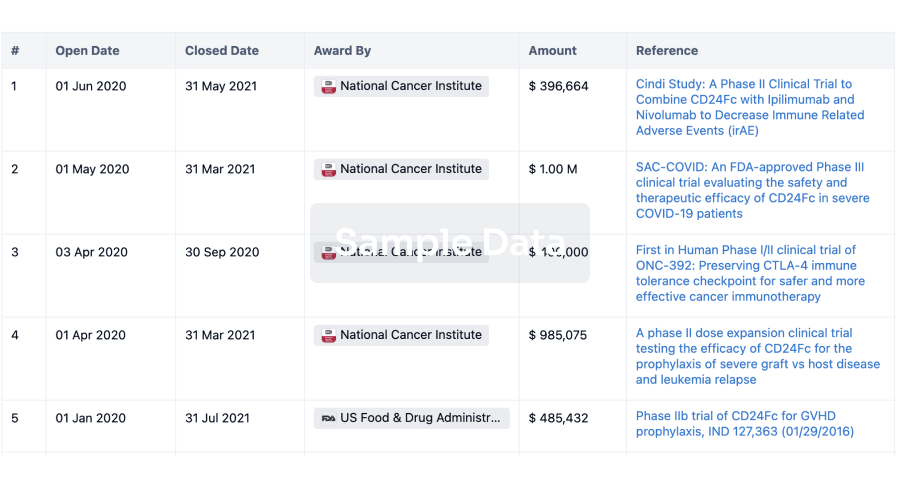
Grant & Funding(NIH)
Access more than 2 million grant and funding information to elevate your research journey.
login
or
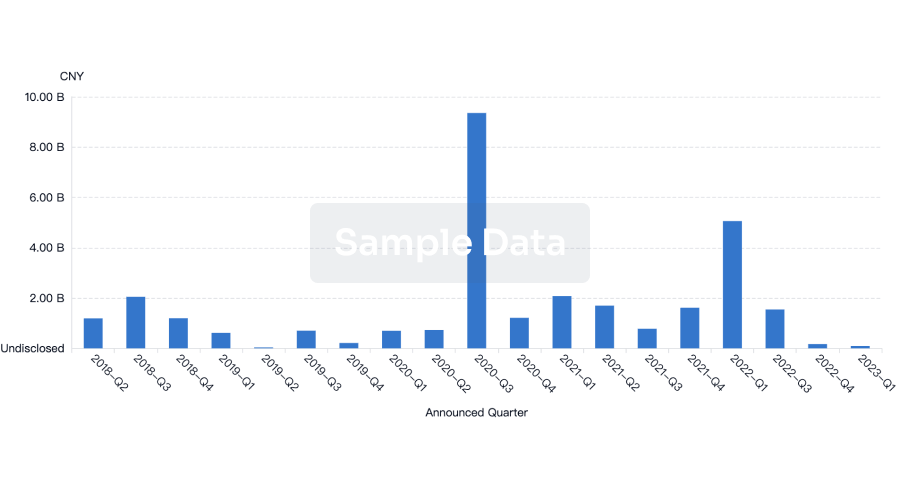
Investment
Gain insights on the latest company investments from start-ups to established corporations.
login
or
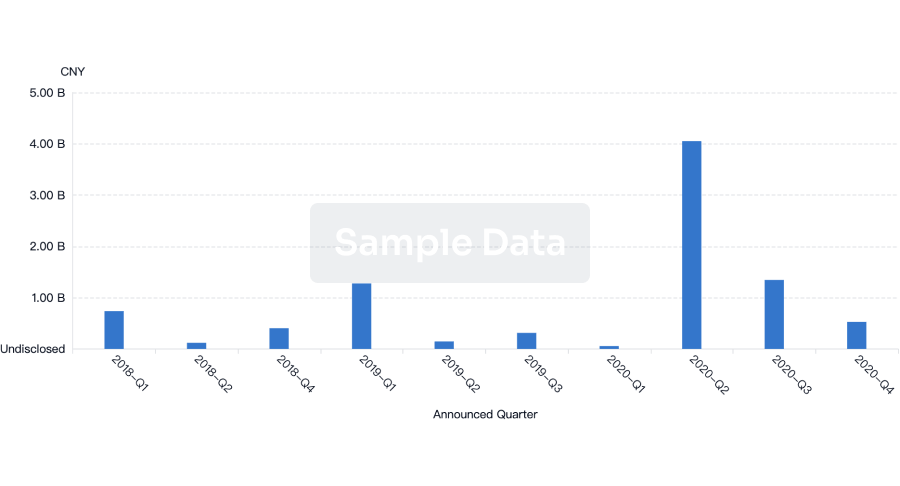
Financing
Unearth financing trends to validate and advance investment opportunities.
login
or
AI Agents Built for Biopharma Breakthroughs
Accelerate discovery. Empower decisions. Transform outcomes.
Get started for free today!
Accelerate Strategic R&D decision making with Synapse, PatSnap’s AI-powered Connected Innovation Intelligence Platform Built for Life Sciences Professionals.
Start your data trial now!
Synapse data is also accessible to external entities via APIs or data packages. Empower better decisions with the latest in pharmaceutical intelligence.
Bio
Bio Sequences Search & Analysis
Sign up for free
Chemical
Chemical Structures Search & Analysis
Sign up for free