Request Demo
Last update 08 May 2025

Greenway Dental
Last update 08 May 2025
Overview
Related
100 Clinical Results associated with Greenway Dental
Login to view more data
0 Patents (Medical) associated with Greenway Dental
Login to view more data
49
News (Medical) associated with Greenway Dental03 Mar 2025
Advanced cell and gene treatments and radioligand therapies represent the cutting edge of modern medicine. Unlike conventional pharmaceuticals, these next-generation therapies are not produced in bulk. Because they are made to order, individually crafted to meet a specific patient’s needs or generated in small, precisely timed batches, they demand fundamentally different logistical frameworks. This personalized paradigm offers immense promise for more effective care for serious illnesses while simultaneously introducing intricate operational challenges that traditional clinical trial infrastructure was never designed to accommodate.
The most critical challenge stems from the exceptionally time-sensitive nature of these therapies. For cell and gene treatments, even a single customs delay can compromise the entire “vein-to-vein” process — where a patient’s cells are harvested, engineered in a specialized facility, and then re-infused. Radioligand therapies present even more stringent timing constraints, as their radioactive isotopes steadily decay and can effectively “die on the shelf” if not delivered and administered according to precise schedules. When unpredictable delays occur in either scenario, an entire dose may become unusable, compelling sponsors and clinical sites to restart the entire process, an extraordinarily costly setback, particularly in late-stage clinical trials.
Because these “made-to-order” treatments merge clinical delivery with manufacturing, they also demand unusually tight cross-functional coordination. Sponsors, contract development and manufacturing organizations (CDMOs), and clinical sites must share real-time data, everything from courier tracking to patient scheduling, to avert failure points. As Phase 3 trials expand, site readiness becomes another bottleneck: staff often require specialized training in handling radioactive or cryopreserved products, while facilities may need upgrades to meet regulatory standards for safe delivery. These layered complexities can strain even the most experienced research centers if no overarching system ensures each step flows seamlessly into the next.
Health IT
Reducing Clinical and Staff Burnout with AI Automation
As technology advances, AI-powered tools will increasingly reduce the administrative burdens on healthcare providers.
By Dr. Michael Blackman, Chief Medical Officer at Greenway Health
Forward-thinking organizations are addressing these multifaceted challenges through service design principles — an approach that reconceptualizes the entire clinical trial as a high-touch, integrated service ecosystem rather than a collection of disconnected tasks. This paradigm shift enables companies to develop reliable, dynamic, and scalable service infrastructure that simultaneously enhances customer trust, operational efficiency, and sustained competitive differentiation. For successful implementation and seamless transition to commercialization, organizations must meticulously develop two foundational elements:
Designing a cohesive service vision and experience – Creating a clear illustration of the target state for the service makes your intended ambition tangible and helps align all stakeholders. This vision serves as a focal point to define and coordinate action across teams, ensuring everyone understands not just what they’re building, but why it matters for patients, clinicians, and the organization. The service vision should incorporate patient journeys, site workflows, and data integration points to create a holistic picture of how the therapy delivery process should function ideally.
Defining the operationalization plan and building a roadmap – Working backward from the service vision, organizations must identify priorities and define specific steps and initiatives to fully operationalize the experiences and platforms that achieve their service vision. This includes determining technology requirements, training needs, process documentation, and change management approaches. The roadmap should include both quick wins to build momentum and longer-term structural changes needed for sustainable success.
In practice, this service-oriented approach manifests in several tangible implementations. Real-time scheduling platforms can match production slots with patient appointments, ensuring that manufacturing capacity aligns perfectly with clinical needs. Patient concierge programs handle travel and lodging details, recognizing that patients may need to travel significant distances to specialized treatment centers. Dedicated site enablement teams provide hands-on training to clinical staff and preempt regulatory complications by ensuring sites meet all requirements before therapy delivery begins. By viewing the trial through the lens of patient and site experience, sponsors can reduce attrition, minimize scheduling complications, and capture more consistent data — ultimately laying the groundwork for smoother commercialization once the therapy wins approval.
Exclusive
Improving the Healthcare Financial Experience to Help Care Flow
Zelis CEO Amanda Eisel shares her perspective on how the company is solving the problems of a fragmented health financial system to benefit all.
By Stephanie Baum
What’s at stake is more than operational efficiency; it’s the ability to deliver cutting-edge treatments to patients who often have no other options. When delays or logistical failures jeopardize a dose, a patient’s window of opportunity may vanish. Success in this environment hinges on reimagining clinical trial infrastructure as an adaptable, full-service ecosystem — one that anticipates the unpredictability of “made-to-order” production and turns potential bottlenecks into sources of competitive strength.
As personalized therapies continue to evolve, the organizations that will lead this field will be those that recognize that excellence in manufacturing must be matched by excellence in service delivery. By building robust service infrastructure from clinical trials through commercialization, companies can ensure that these revolutionary treatments fulfill their life-changing potential for patients worldwide.
02 Mar 2025
A committee of outside clinical trial observers has recommended that Praxis Precision Medicines stop testing its experimental treatment for essential tremor after an interim analysis of one study concluded it is unlikely to succeed. Instead, Praxis is continuing that test and a second one, adding that a decision about an FDA submission will be made after a final analysis of both studies.
The two separate and simultaneous studies are part of the Phase 3 trial design for the Praxis drug, ulixacaltamide. Both placebo-controlled studies are evaluating the once-daily pill over the course of 12 weeks. The main efficacy goal is assessing patients according to a composite scale that measures the ability to perform tasks of daily living.
Essential tremor leads to involuntary shaking and trembling in arms and hands, though it can also affect a patient’s head and voice. An estimated 7 million patients in the U.S. have the neurological disorder, whose exact cause is unknown. The first line of essential tremor therapies for beta blockers. While such drugs were developed for high blood pressure, they are thought to also block nerve impulses to the muscles. Anti-seizure drugs offer an alternative treatment option.
Healthcare
Using Data to Help Healthcare Practices Succeed
A new report from Relatient, A Data-Driven Guide to Patient Access Succes, highlights how focusing on data accuracy and relevance can enhance the performance of healthcare practices.
By Relatient
Ulixacaltamide is a small molecule inhibitor of T-type calcium channels. It’s designed to block abnormal neuronal burst firing in the cerebello-thalamo-cortical (CTC) circuit, which is correlated with tremor activity. Boston-based Praxis said Friday that based on the results of a planned interim analysis, the trial’s independent data monitoring committee recommended that Study 1 be stopped for futility, “due to the results being unlikely to meet the primary efficacy endpoint under the parameters set by the statistical model.”
The targeted total enrollment of the two studies is 600 participants. Praxis said that given the advanced state of trial enrollment, it has decided to complete both studies. Preliminary results are expected in the third quarter of this year. Praxis added that the committee said some underlying assumptions of the statistical model might have influenced the futility finding and it encouraged the company to explore alternative analysis methods.
In the Praxis announcement, CEO Marcio Souza said the company will explore different analysis methods for the final dataset that will be the basis for deciding whether to proceed with a regulatory submission. But investors took a dim view of the Praxis drug’s prospects. The biotech’s stock price tumbled Friday, closing at $38.60, down 40.6% from the Thursday’s closing price.
Ulixacaltamide came from Cerebrum, Praxis’s proprietary technology for discovering small molecule drugs with the potential to treat central nervous system disorders. Formerly known as PRAX-944, ulixacaltamide is the most advanced drug candidate in the Praxis pipeline. Other drug candidates are in earlier stages of clinical development for various forms of epilepsy.
Health IT
Reducing Clinical and Staff Burnout with AI Automation
As technology advances, AI-powered tools will increasingly reduce the administrative burdens on healthcare providers.
By Dr. Michael Blackman, Chief Medical Officer at Greenway Health
In its report of fourth quarter and full year 2024 financial results posted on Friday, Praxis stated it finished 2024 with $469.5 million in capital, a strong cash position that follows stock offerings completed last year. The company expects its cash will support operations into 2028.
Image: Getty Images, Iaremenko
Phase 3Financial Statement
13 Jan 2025
Imagine pulling up to a new restaurant on Friday night. It has had wonderful reviews, and you are excited to try it. But a minute after you are seated, you receive an urgent text from the artificial intelligence (AI) app on your phone telling you what you can order. The app has analyzed your medical records, it knows where you are from the phone’s GPS, and it has already evaluated the menu and the nutritional profiles for each appetizer and entree. Wait, it now tells you to simply go home because it has also evaluated the prices and your credit card and bank balances!
Did that describe a dystopian future in which we have lost individual control, or a utopian future in which we are given sophisticated analysis in an instant? What if your AI app also kept a score on how often you complied with its suggestions and sent that score to your health insurance company?
AI and Medicine 3.0
Sponsored Post
The Funding Model for Cancer Innovation is Broken — We Can Fix It
Closing cancer health equity gaps require medical breakthroughs made possible by new funding approaches.
By Eve McDavid - CEO of Mission-Driven Tech
AI is having a substantial impact on healthcare. Numerous AI products have been developed and deployed to assist with the reading of X-rays, CAT scans and pathology studies. In every case, the program is a tool to assist a physician make a final decision. And as these AIs continue to improve, they still are only part of Medicine 2.0 – a term coined to mean the traditional diagnosis and treatment of disease after the patient has gotten sick.
Medicine 3.0 refers to a practice that reduces the risk of a patient developing a disease or disorder. It will look more deeply at genetic information and lifestyle modification for each patient to produce a more focused plan to improve “health span” as well as lifespan. AI, such as the AI example above, should be the perfect tool for evaluating the large data set that represents each of us.
What motivates the development of such tools? We might think it is driven by a universal concern for our fellow man. But, in some cases, it is driven by greed and the wealth that the developer hopes to acquire. AI is the next big thing, and most developers want to protect those programs and systems. The answer is intellectual property protection and specifically patent protection.
Patents and healthcare AI
Health IT
Reducing Clinical and Staff Burnout with AI Automation
As technology advances, AI-powered tools will increasingly reduce the administrative burdens on healthcare providers.
By Dr. Michael Blackman, Chief Medical Officer at Greenway Health
A patent is a grant from a government to an inventor that provides him with the right to stop others from making, using or selling the patented invention. In the United States, the Patent and Trademark Office (PTO) is responsible for evaluating whether an invention is patentable and then issuing a patent for those that pass its examination. The patent is effective for a period of twenty years from the date the application is filed.
An invention must clear three hurdles to pass the PTO’s examination. First, the invention must be novel – meaning that no other disclosure predates the patent application’s filing date that describes the same invention. Second, the invention must be “nonobvious.” Even if the invention is novel, it must display some aspect that is inventive and cannot be an obvious variation over an existing invention. Finally, the invention must fall into a category of “patentable subject matter.” The patent laws define these categories as machines, processes, articles of manufacture and compositions of matter. An AI invention is subjected to the exact same requirements as any other invention presented to the PTO. Of those three requirements, the most difficult is establishing the AI as patentable subject matter.
Patentable subject matter (PSM)
It seems like in healthcare AI is a “process” – that is a series of steps that takes you from an input to an output. But how often have you heard that machine learning creates its own connections and that the developer does not necessarily know how the AI determines its output. What kind of process is involved if the developer can’t even describe it?
Another troubling attribute for AI, and computer software in general, is that it seems to simply replicate how a human would think through the same problem. Is it really an invention if it only does the thinking for us at a much faster pace?
The PTO is left the job of determining when an AI invention is PSM and when it falls short.
There is a two-part PSM test used by the PTO. The first question is whether the claim made by the inventor is only for an abstract concept. An abstract claim might be for ownership of any AI that improves health. This is simply too vague to obtain protection. Assuming that the inventor claims more, the second question is whether there is “significantly more” added. So, the AI example might qualify as PSM if it was clear that the AI evaluated a location, identified a restaurant from that location, downloaded a menu from that restaurant’s website and analyzed the nutritional content of each offering against a nutrition database. Then, it compared those offerings against an ideal diet for the user based on his last CBC and an evaluation of any medications being taken for contraindications. Each offering would obtain a score and only those above a certain score could be recommended. If none could be recommended, then an alternative plan would be developed (perhaps with AI).
Finding the right balance
Every patent is for a unique idea. That requires careful consideration of how to describe and claim the invention. Too much detail – so you have “something more” – may make the claim so narrow that it has little economic value. A very detailed claim is easier for a competitor to sidestep. In contrast, a more abstract claim may not include enough detail to satisfy the “something more” requirement.
The good news is that the PTO is finding its own right balance in how it examines these incredibly important patent applications in the AI/Healthcare field. According to my recent analysis of the PTO database, approximately 50% of patent applications in this field are issuing as patents. Also, the number of applications are beginning to increase. Almost 9000 patent applications were filed in 2022 related to AI in healthcare.
Image created by the author
Note that the rate of issuance appears to be in decline. But this is more likely an indication that some cases from 2022 and 2023 are still being examined. Likewise, the number of applications shown for 2024 only reflects the number filed by mid-year.
Conclusions
The economic value of a great patent can be enormous. The ability to charge customers more for a AI provided service improves when you have a patent(s) to prevent your competitors from introducing the same service. Likewise, understanding the patent positions of a competitor can help your team move its own projects forward more efficiently. However, the path to get a patent is difficult and requires a sophisticated understanding of the law around PSM.
AI is changing healthcare today. There is no stopping its influence and as the systems become more robust, we will all benefit from improved Medicine 3.0.
100 Deals associated with Greenway Dental
Login to view more data
100 Translational Medicine associated with Greenway Dental
Login to view more data
Corporation Tree
Boost your research with our corporation tree data.
login
or

Pipeline
Pipeline Snapshot as of 09 Dec 2025
No data posted
Login to keep update
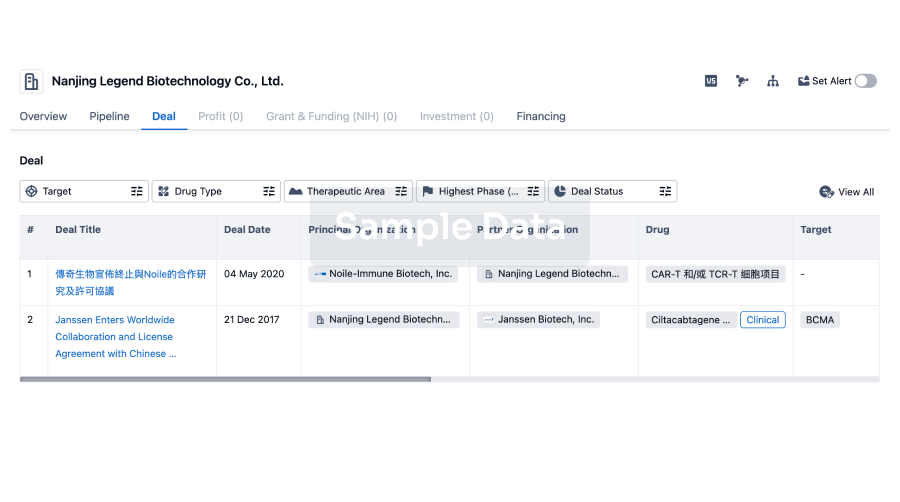
Deal
Boost your decision using our deal data.
login
or
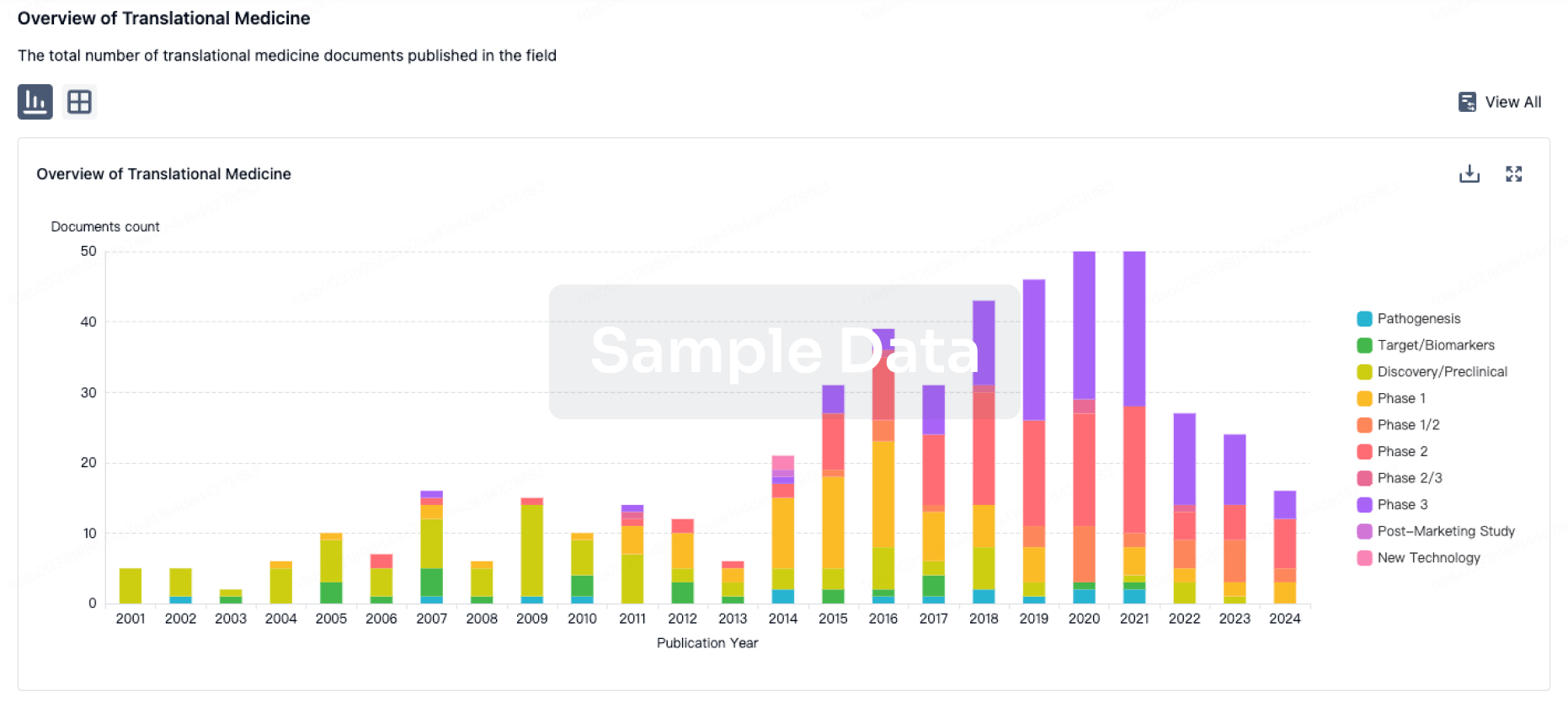
Translational Medicine
Boost your research with our translational medicine data.
login
or
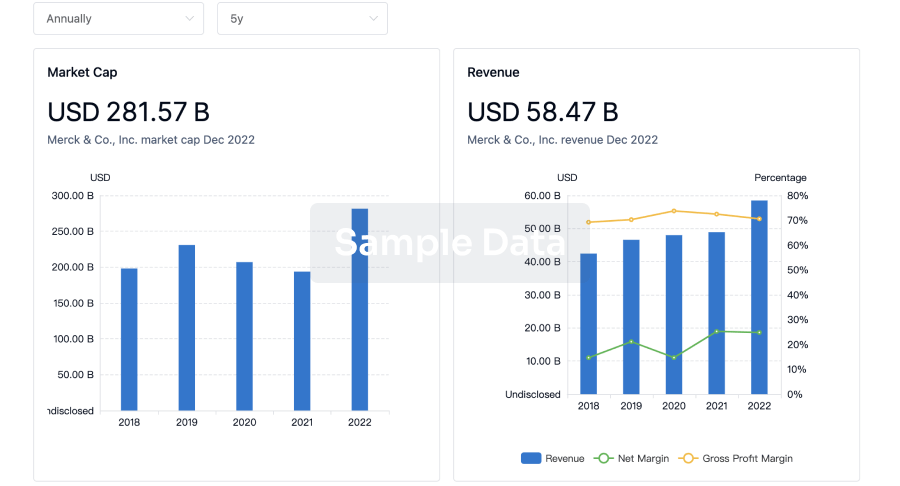
Profit
Explore the financial positions of over 360K organizations with Synapse.
login
or
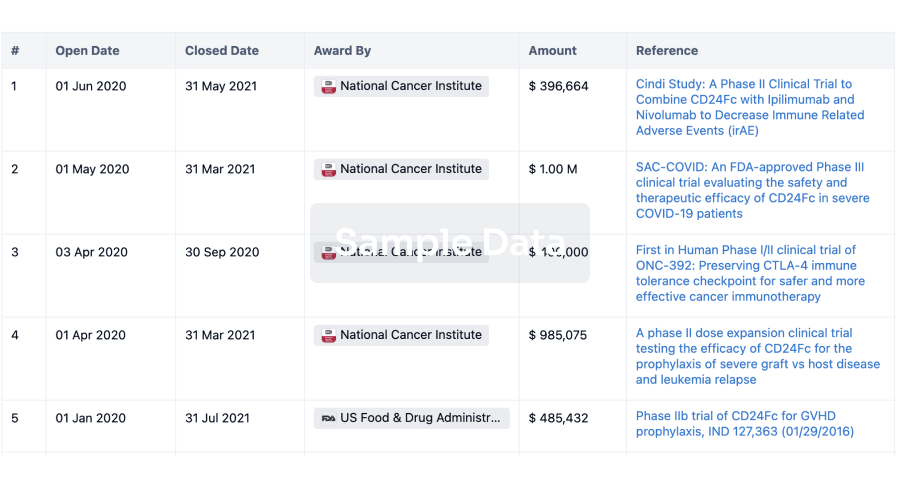
Grant & Funding(NIH)
Access more than 2 million grant and funding information to elevate your research journey.
login
or
Investment
Gain insights on the latest company investments from start-ups to established corporations.
login
or
Financing
Unearth financing trends to validate and advance investment opportunities.
login
or
AI Agents Built for Biopharma Breakthroughs
Accelerate discovery. Empower decisions. Transform outcomes.
Get started for free today!
Accelerate Strategic R&D decision making with Synapse, PatSnap’s AI-powered Connected Innovation Intelligence Platform Built for Life Sciences Professionals.
Start your data trial now!
Synapse data is also accessible to external entities via APIs or data packages. Empower better decisions with the latest in pharmaceutical intelligence.
Bio
Bio Sequences Search & Analysis
Sign up for free
Chemical
Chemical Structures Search & Analysis
Sign up for free