Request Demo
Last update 10 Dec 2025
The Association of the British Pharmaceutical Industry
Last update 10 Dec 2025
Overview
Related
NCT03241498
GP Practice Based Pharmacist Input to Medicines Optimisation

100 Clinical Results associated with The Association of the British Pharmaceutical Industry
Login to view more data
Login to view more data
01 Oct 2025NEUROMUSCULAR DISORDERS
Applying the international rare disease research consortium (IRDiRC) N-of-1 therapy task force eligibility criteria for individualised therapies use case: Duchenne muscular dystrophy
Review
Author: Aartsma-Rus, Annemieke ; O'Connor, Daniel ; Jonker, Anneliene H
The nucleic acid therapy field is making progress in rare diseases, with multiple regulatory approved therapeutic modalities. As these therapeutic approaches are programmable, they also provide an opportunity for individualized therapy development. Indeed, currently over 30 individuals are being treated with such N-of-1 antisense oligonucleotides. The International Rare Disease Research Consortium (IRDiRC) Task Force of N-of-1 treatments published a roadmap to outline the different steps that are involved, among others, in establishing whether an individual is eligible for N-of-1 treatment development. We have tested these principles, using Duchenne muscular dystrophy as a use case. Our analysis shows that while assessing some eligibility aspects, such as genetic eligibility, is relatively straightforward, assessing other criteria, such as unmet medical need and extrapolation from approved treatments, was more difficult.
01 May 2025NATURE MEDICINE
The Rare Therapies Launchpad: a pilot program for individualized medicines in the UK
Letter
Author: Taylor, Jenny ; Parker, Michael ; O'Connor, Daniel J ; Moss, Parker ; Murphy, Martin ; Blackwood, Nicola ; Lancaster, Deb ; Newman, Vanessa ; Yu, Tim ; Wood, Matthew ; Vitarello, Julia ; Brown, Matthew A
01 May 2025Therapeutic advances in rare disease
From roadmap to a sustainable end-to-end individualized therapy pathway
Review
Author: Dimmock, David P. ; Mitkus, Shruti ; Tataru, Elena-Alexandra ; Yu, Timothy W. ; Davies, James ; Jaffe, Adam ; Augustine, Erika F. ; Pasmooij, Anna M. G. ; Baynam, Gareth ; Iliach, Oxana ; Synofzik, Matthis ; Lapteva, Larissa ; Jonker, Anneliene H. ; Aartsma-Rus, Annemieke ; Graessner, Holm ; Horgan, Richard ; Bateman-House, Alison ; O’Connor, Daniel
The field of individualized, or N-of-1, therapy development is growing and increasingly gaining attention as a novel option for people with serious diseases, caused by unique genetic variants for whom approved therapies are not available. The N-of-1 taskforce of the International Rare Disease Research Consortium previously outlined a roadmap of aspects involved in N-of-1 therapy development and implementation. Here, this follow-up paper looks forward and reflects on how to address existing gaps to advance the current state of individualized interventions toward an integrated and sustainable treatment development model. It discusses what needs to be established for N-of-1 therapies to be developed and utilized at a larger scale, which involves features like sustainability; safety; efficacy; regulatory aspects; dedicated registries and data sharing; tools; long-term treatment monitoring; partnering with patient advocates; and reimbursement models. It closes with recommendations to shape the future of individualized therapies, focusing on ethical implications, education, creation of tools, incentives for data sharing, and innovative payment models.
100 Deals associated with The Association of the British Pharmaceutical Industry
Login to view more data
100 Translational Medicine associated with The Association of the British Pharmaceutical Industry
Login to view more data
Corporation Tree
Boost your research with our corporation tree data.
login
or
Pipeline
Pipeline Snapshot as of 16 Dec 2025
No data posted
Login to keep update
Deal
Boost your decision using our deal data.
login
or
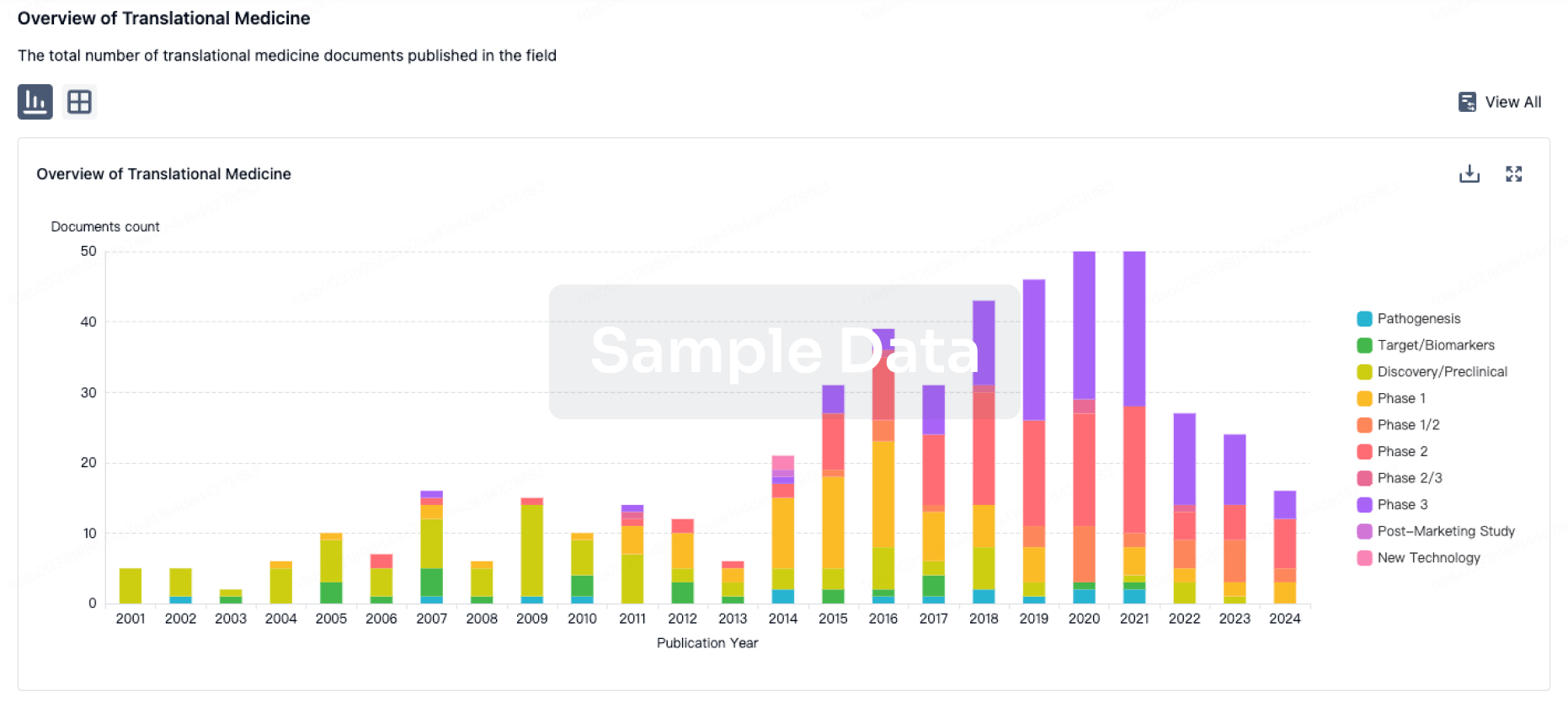
Translational Medicine
Boost your research with our translational medicine data.
login
or
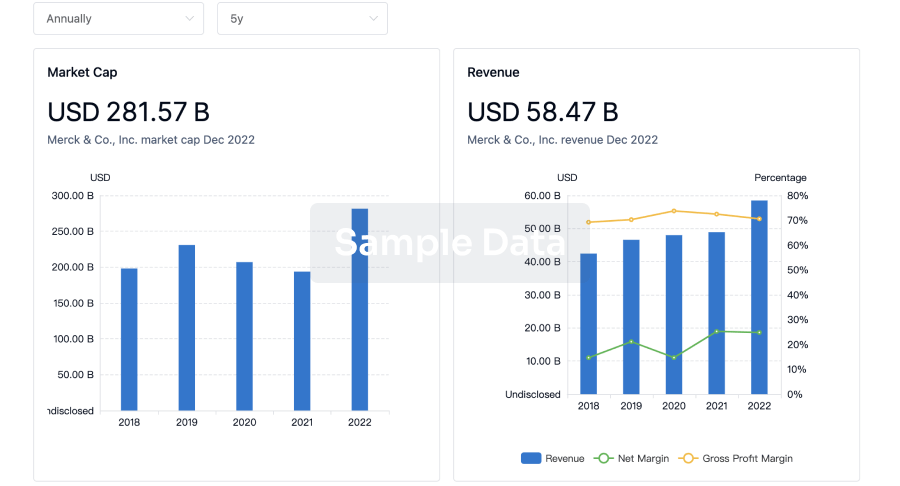
Profit
Explore the financial positions of over 360K organizations with Synapse.
login
or
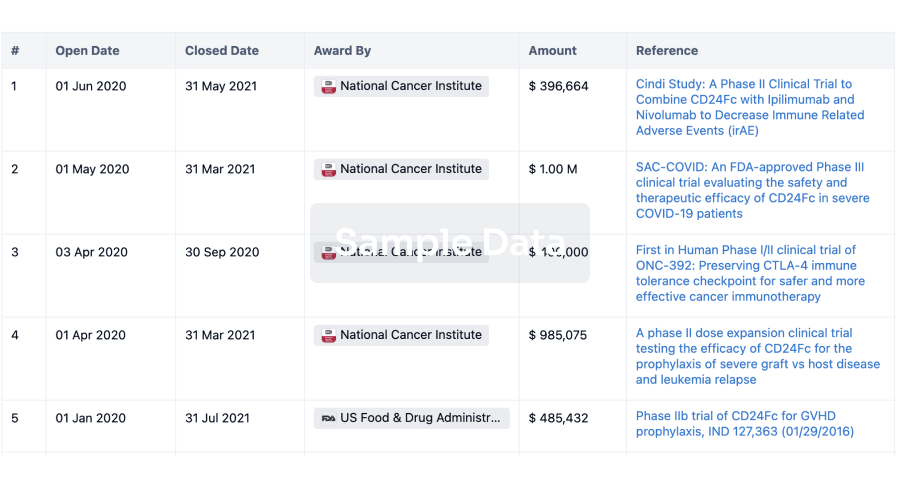
Grant & Funding(NIH)
Access more than 2 million grant and funding information to elevate your research journey.
login
or
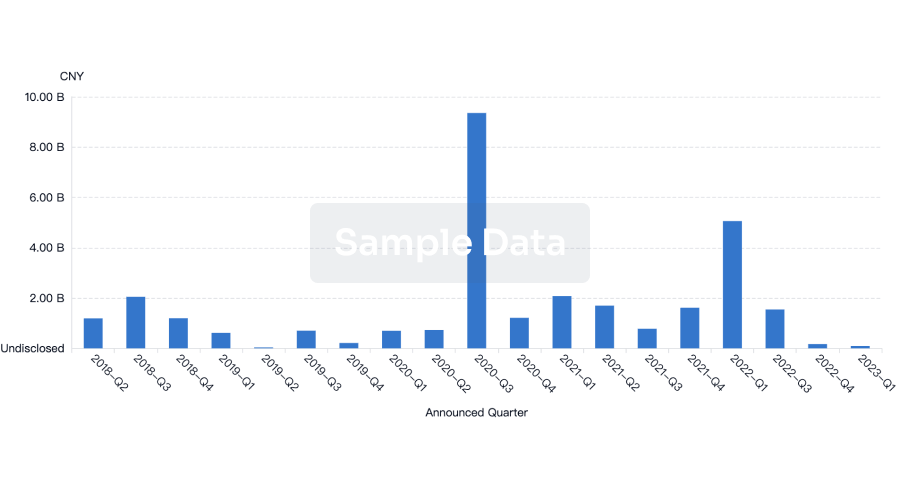
Investment
Gain insights on the latest company investments from start-ups to established corporations.
login
or
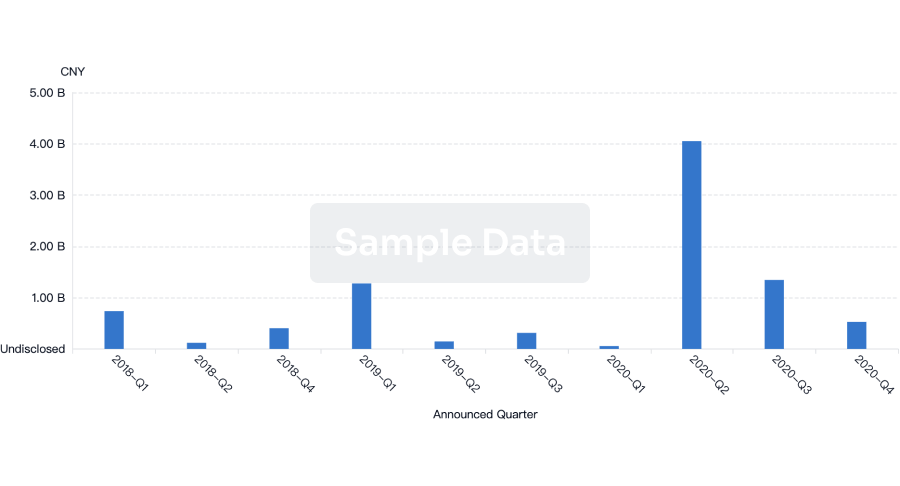
Financing
Unearth financing trends to validate and advance investment opportunities.
login
or
AI Agents Built for Biopharma Breakthroughs
Accelerate discovery. Empower decisions. Transform outcomes.
Get started for free today!
Accelerate Strategic R&D decision making with Synapse, PatSnap’s AI-powered Connected Innovation Intelligence Platform Built for Life Sciences Professionals.
Start your data trial now!
Synapse data is also accessible to external entities via APIs or data packages. Empower better decisions with the latest in pharmaceutical intelligence.
Bio
Bio Sequences Search & Analysis
Sign up for free
Chemical
Chemical Structures Search & Analysis
Sign up for free