Request Demo
Last update 05 Dec 2025

IHH Healthcare Bhd.
Last update 05 Dec 2025
Overview
Related
100 Clinical Results associated with IHH Healthcare Bhd.
Login to view more data
0 Patents (Medical) associated with IHH Healthcare Bhd.
Login to view more data
1,005
Literatures (Medical) associated with IHH Healthcare Bhd.01 Dec 2025·European Journal of Trauma and Emergency Surgery
Preventing confounding in observational studies in orthopedic trauma surgery through expert panels: a systematic review
Review
Author: van de Wall, B J M ; Muijs, S P J ; Houwert, R M ; Schoones, J W ; Oner, F C ; van Rossenberg, L X ; Smeeing, D P J ; de Jong, Y ; Groenwold, Rolf H H
Abstract:
Purpose:
Confounding in observational studies can be mitigated by selecting only those patients, in whom equipoise of both treatments is secured by experts’ disagreement over optimal therapy.
Methods:
We conducted a systematic review to identify observational studies in the field of orthopedic trauma surgery that utilized expert panels for patient inclusion in order to limit the potential for confounding.
Results:
Four studies were identified that used expert panels to select participants based on expert disagreement. Derived from these studies and our own experience, recommendations were made regarding reporting of the size and composition of the expert panel, the information the expert panel receives, criteria for disagreement, selection of patients, and statistical analysis.
Conclusion:
With this review we aim to provide insight into this study design and to stimulate discussions about the potential of expert panels to control for confounding in studies of medical treatments.
01 Dec 2025·Current Atherosclerosis Reports
Sex-based Differences in Complications Following Percutaneous Coronary Interventions
Review
Author: Alasnag, Mirvat ; Biswas, Sinjini ; Haan, Ing ; Masiero, Giulia
PURPOSE OF REVIEW:
The role that sex plays in the incidence and outcomes of PCI related complications is not well understood. The purpose of this review is to highlight the commonly encountered peri-procedural complications and search for any sex differences in the published literature.
RECENT FINDINGS:
Procedure related complications and long-term cardiovascular outcomes remain worse in women. The delayed presentation of women with coronary events and delayed referral for an invasive diagnostic angiogram and subsequent revascularization likely contribute to the worse outcomes. Whether the smaller vessel size, residual Syntax Score, and other biological factors impact periprocedural outcomes is controversial and warrants device and procedure specific research to identify sex differences. Modern day percutaneous revascularization has achieved very high acute procedural success rates and low complication rates with the advent of structured training programs, development of appropriate use criteria and refined devices and technologies in the catheterization laboratory. However, both procedure related complications and long-term cardiovascular outcomes remain worse in women.
01 Nov 2025·Journal of Clinical and Experimental Hepatology
Indian National Association for the Study of the Liver Position Statements on Prevention, Diagnosis, and Management of Hepatitis B Virus Infection in India
Review
Author: Saigal, S ; Eapen, C E ; Kapoor, D ; Penackel, C ; Kumar, M ; Mohan, V G ; Rao, P N ; Sheony, K T ; Tyagi, S K ; Acharya, S ; Nundy, B ; Arora, A ; Misra, S P ; Nijhawan, S ; Chaubal, C C ; Babu, S ; Dwiwedi, M ; Sharma, B C ; Sharma, P ; Dixit, V K ; Kulkarni, A ; Taneja, S ; Singh, K R ; Chawla, Y ; Mandot, A ; Saraf, N ; Agarwal, P K ; Jayanthi, V ; Anand, A C ; Kar, P ; Saraswat, V ; Wadhawan, M ; Duseja, A ; Bhaumik, P ; Dadhich, S ; Madan, K ; Goel, A ; Malhotra, P ; Shalimar ; Goswami, B D ; Thomas, V ; Rai, R R ; Dhiman, R K ; Sarin, S K ; Singh, S P ; Shukla, A ; Venkatakrishnan, L ; Kumar, A ; Pande, G ; Bhadhuria, A ; Puri, P ; Maiwall, R ; Chowdhary, A
Hepatitis B virus (HBV) remains a significant global health problem, particularly in India, where its prevalence is gradually decreasing, both in the general population and among healthcare workers. The management of HBV treatment should be individualized based on key factors such as HBV DNA levels, alanine transaminase (ALT) levels, and the presence of comorbid conditions like diabetes mellitus (DM), metabolic dysfunction associated steatotic liver disease (MASLD), pregnancy, cirrhosis, and decompensated cirrhosis. The "treat for all" strategy, although debated, was partially endorsed by the Indian National Association for the Study of the Liver (INASL). Pegylated interferon (Peg IFN) was not widely recommended due to limited practice, and genotype testing was avoided. Hepatitis D was not considered a prevalent condition; thus, testing for it was not emphasized. Special conditions, including immunosuppression and steroid therapy, were also discussed, and INASL provided comprehensive guidelines to address these unique scenarios in HBV management. High-resistance-barrier drugs like tenofovir alafenamide (TAF) were highlighted for their effectiveness and safety, particularly in pregnant women. Vaccination was strongly recommended for special risk groups, including healthcare workers and high-risk populations, while the debate on universal screening and vaccination continues, weighing its potential benefits against logistical challenges.
9
News (Medical) associated with IHH Healthcare Bhd.29 Sep 2025
MIDDLETON, Wis., Sept. 29. 2025 /PRNewswire/ -- Leo Cancer Care today confirmed an expansion of its collaboration with IHH Healthcare to bring upright radiotherapy solutions to its hospital network. Building on IHH's 2024 entry into the Upright Photon Alliance, the group is looking to introduce Leo Cancer Care's newly launched upright linear accelerators (linacs), Grace™, across its hospitals to provide the potential benefits of upright photon therapy to its patients. Following the initial partnership with Leo Cancer Care, IHH has also become an equity investor in Leo Cancer Care, further demonstrating its commitment to advancing the technology and reflecting its belief in the long-term benefits of the upright solutions.
IHH is now extending the collaboration into the proton therapy space, pursuing the potential of Leo Cancer Care's compact Marie® upright proton solution to make this advanced treatment more accessible and cost-effective. This expanded partnership reflects IHH's aspiration to deliver Care. For Good. through meaningful innovation to catalyse next-level care for patients and the community.
Proton therapy has long been recognised for its precision in targeting tumours, but adoption has been limited by the size, cost, and infrastructure demands of conventional systems. By rotating the patient rather than the beam, Leo Cancer Care's upright approach dramatically reduces system size and cost, creating a future where proton therapy is within reach for more patients.
Through this expansion, IHH is leading the way in Asia by moving towards both upright photon and proton therapy solutions.
Elizabeth Han, Group Head of Innovation and Transformation at IHH Healthcare, said: "At IHH, we see technology and innovation as powerful enablers of better patient outcomes and experience. Through the Upright Photon Alliance, we are reshaping cancer care and the future of radiation therapy."
Stephen Towe, Chief Executive Officer of Leo Cancer Care, commented: "IHH's interest in Upright Radiotherapy reflects the promise of our simplified and innovative approach. Instead of making radiotherapy more complicated and expensive, we are addressing the evolving healthcare needs of tomorrow."
Please note: The Leo Cancer Care Grace solution is not yet commercially available and is presented for research purposes only.
About IHH Healthcare
IHH Healthcare is a leading multinational healthcare provider shaping the future of care. Driven by our aspiration to Care. For Good., we unite medical excellence and innovation, pushing boundaries through our trusted brands such as Acibadem, Gleneagles, Fortis, Island, Mount Elizabeth, Pantai, Parkway and Prince Court.
Across 10 countries, including Malaysia, Singapore, Türkiye, India and Greater China, our 70,000-strong team delivers world-class excellence every day, within and beyond our 140 healthcare facilities, including more than 80 hospitals. Our comprehensive services span the full healthcare continuum, from primary and ambulatory to quaternary care, complemented by diagnostics, imaging, rehabilitation, telehealth and home care.
In partnership with our stakeholders, IHH is advancing value-based care, building a sustainable healthcare ecosystem and creating meaningful impact, as we work towards our vision to become the world's most trusted healthcare services network.
SOURCE Leo Cancer Care
WANT YOUR COMPANY'S NEWS FEATURED ON PRNEWSWIRE.COM?
440k+
Newsrooms &
Influencers
9k+
Digital Media
Outlets
270k+
Journalists
Opted In
GET STARTED
Radiation Therapy
09 May 2025
Korean government launches tariff support for medtech companies
The South Korean Ministry of Health and Welfare and the Korea Health Industry Development Institute have launched a tariff support centre to help medical device companies navigate recent trade challenges.
The Biohealth Industry Tariff Support Center, established on 25 April, aims to assist companies in the industry, including medical AI developers, in dealing with the impacts of the new tariff measures of their biggest market, the United States, as well as strengthening their long-term trade risk management capabilities.
"With the ongoing uncertainty surrounding the trade policy of the US – the world’s largest market for the biohealth sector – Korean pharmaceutical, medical device, and cosmetics exporters are experiencing heightened anxiety and tension. Through the support centre, we will actively engage with companies on the ground and coordinate a whole-of-government effort to minimise damages and deliver a swift, comprehensive response," said Jung Eunyoung, MOHW director-general for Health Industry Policy.
Qure.ai to power Johnson & Johnson MedTech's lung cancer screening clinics in India
Johnson & Johnson MedTech has teamed up with Qure.ai to launch AI-powered lung cancer screening clinics across hospitals in India.
Their strategic partnership will see diagnostic hubs utilise AI to detect incidental pulmonary nodules. Based on a press release,
Qure.ai's technology will be deployed across 30 sites.
"In India, where access to advanced healthcare facilities is often limited, especially in tier-2 and tier-3 cities, patients face significant challenges in receiving timely and effective diagnosis, which further delays access to treatment," noted Anuj Virmani, managing director of Johnson & Johnson MedTech India.
Mount Elizabeth Hospital enhances patient experience with AI
Private hospital Mount Elizabeth Hospital in Singapore has introduced a new patient web application powered by AI.
The new app utilises AI to allow inpatients to request in-room amenities. It also features augmented reality to help them navigate the app.
Additionally, a separate finder app was also launched that helps visitors and outpatients find their way around the hospital.
These new applications add to initiatives enhancing patient experience in the 300-bed hospital. Last year, Mount Elizabeth Hospital introduced a multi-language television channel.
24 Aug 2023
Malaysia's IHH Healthcare Bhd on Friday said it will acquire the remaining stake in hospital chain operator Ravindranath GE Medical Associates (RGE), held by Ravindranath Kancherla and his affiliates, for around Rs 740 crore. IHH Healthcare has inked the agreement to acquire the stake in RGE through its wholly-owned subsidiary Gleneagles Development. Kancherla is the founder of RGE, which owns the chain of Gleneagles Global Hospitals, a leading tertiary and quaternary healthcare chain. Gleneagles Global Hospitals operates six multi-super-speciality hospitals across Hyderabad, Chennai, Bengaluru, and Mumbai, with a capacity of around 1,500 beds. "This latest investment is a significant milestone in IHH's expansion strategy and long-term goals in India. Backed by unparalleled clinical outcomes, the acquisition strengthens our position in the country," IHH Healthcare India CEO Anurag Yadav said in a statement. The transaction is expected to be completed by the fourth quarter of 2023, it said. With this transaction, IHH will strengthen its leading position as a tertiary and quaternary care platform, including multi-organ transplants, in India and across its key markets, it added. IHH operates various brands like Acibadem, Mount Elizabeth, Prince Court, Gleneagles, Fortis, Pantai and Parkway.
Acquisition
100 Deals associated with IHH Healthcare Bhd.
Login to view more data
100 Translational Medicine associated with IHH Healthcare Bhd.
Login to view more data
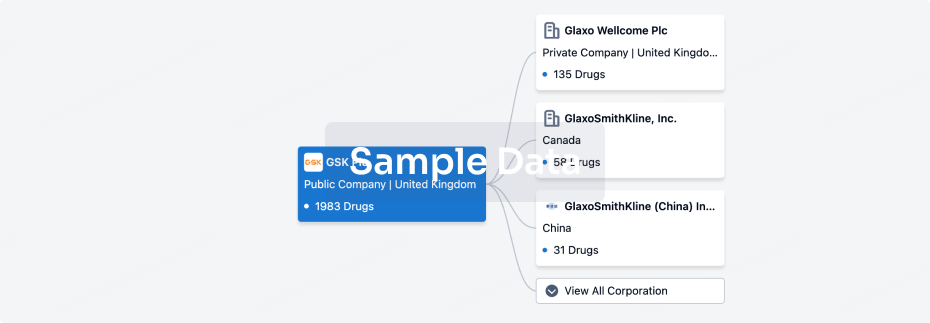
Corporation Tree
Boost your research with our corporation tree data.
login
or
Pipeline
Pipeline Snapshot as of 21 Dec 2025
The statistics for drugs in the Pipeline is the current organization and its subsidiaries are counted as organizations,Early Phase 1 is incorporated into Phase 1, Phase 1/2 is incorporated into phase 2, and phase 2/3 is incorporated into phase 3
Other
1
Login to view more data
Current Projects
| Drug(Targets) | Indications | Global Highest Phase |
|---|---|---|
Rilparencel | Chronic Kidney Diseases More | Discontinued |
Login to view more data
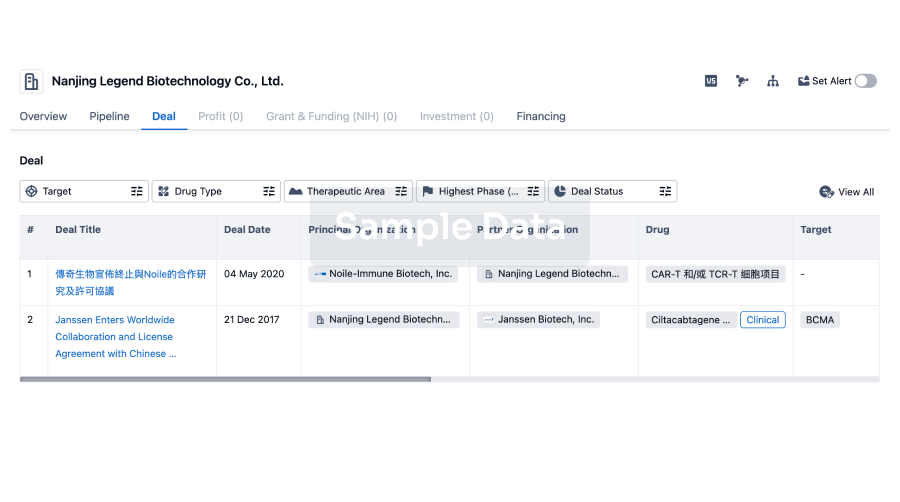
Deal
Boost your decision using our deal data.
login
or
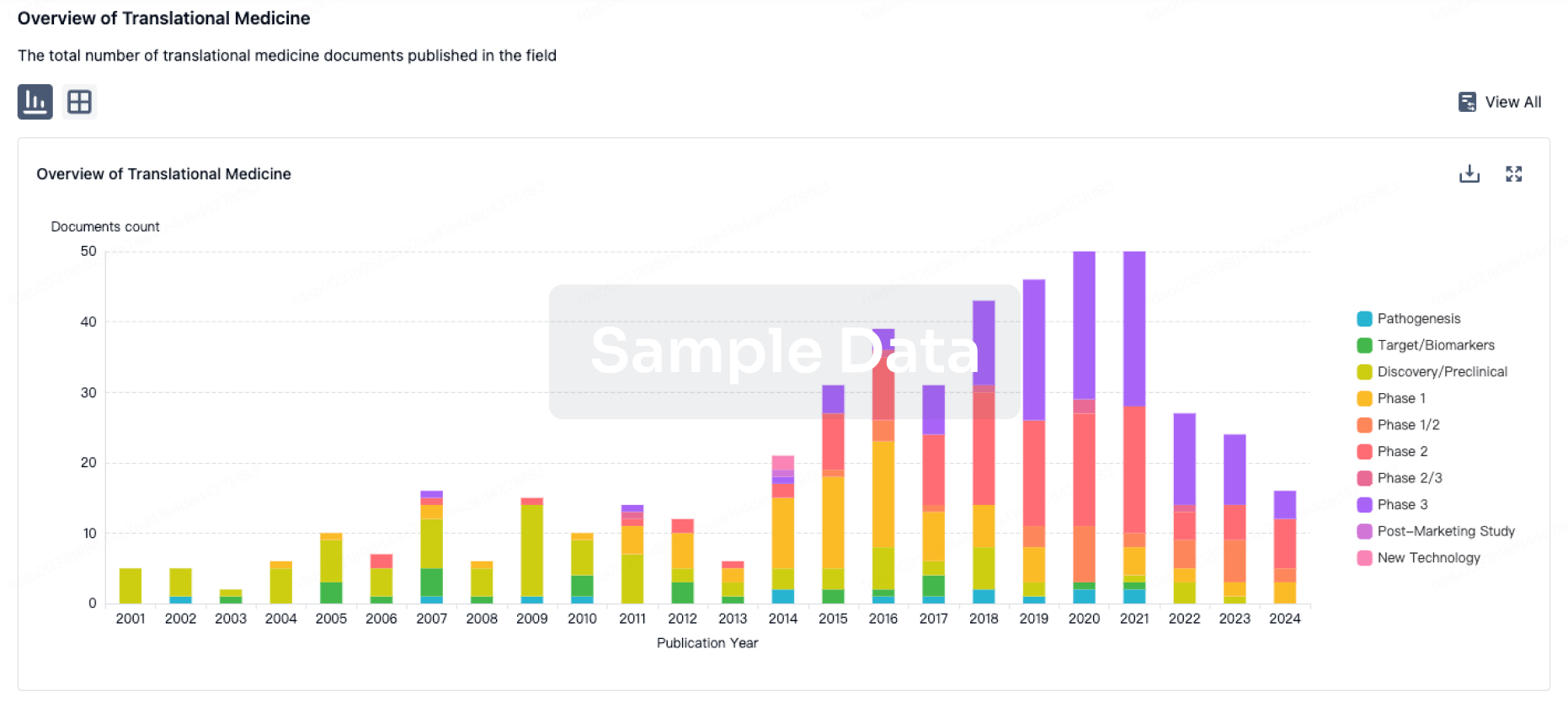
Translational Medicine
Boost your research with our translational medicine data.
login
or
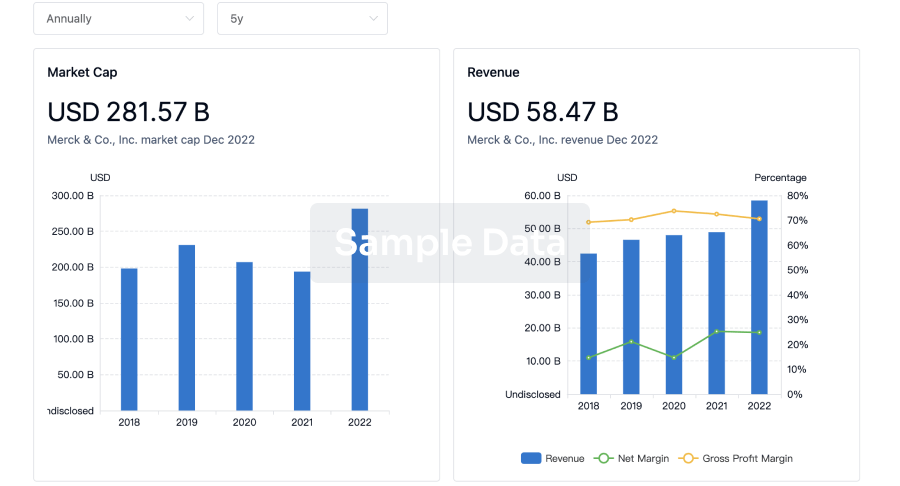
Profit
Explore the financial positions of over 360K organizations with Synapse.
login
or
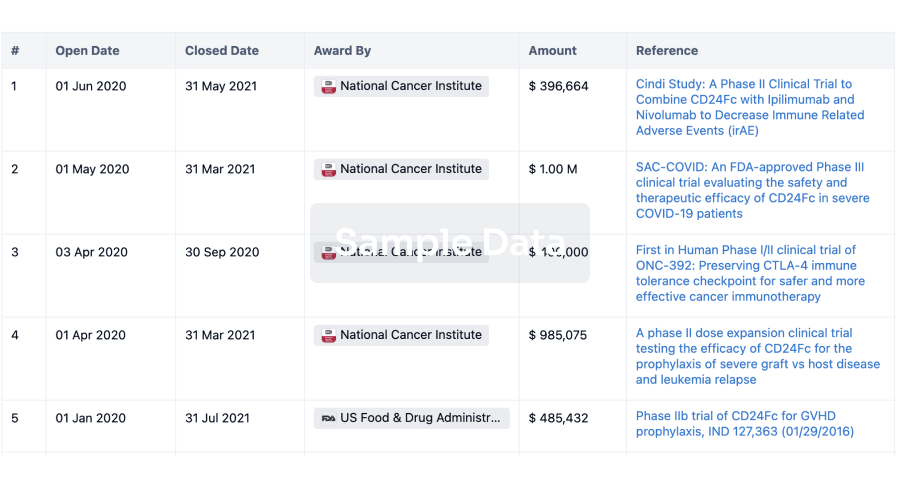
Grant & Funding(NIH)
Access more than 2 million grant and funding information to elevate your research journey.
login
or
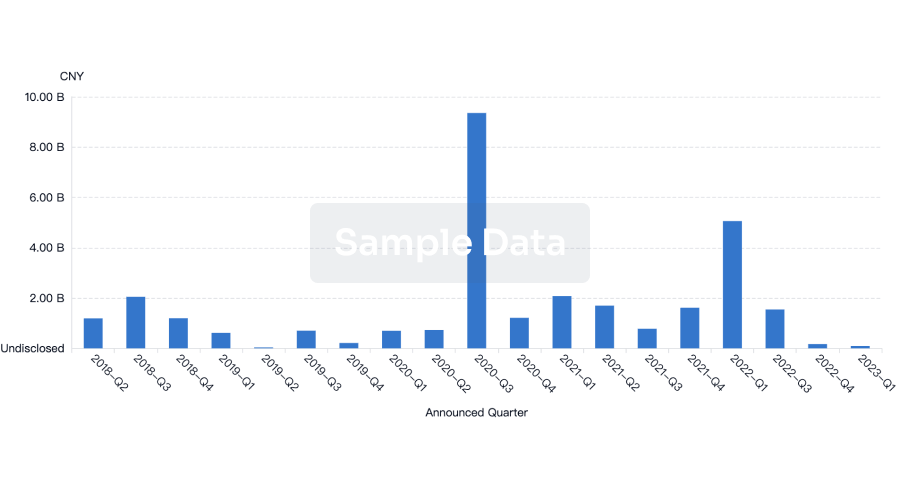
Investment
Gain insights on the latest company investments from start-ups to established corporations.
login
or
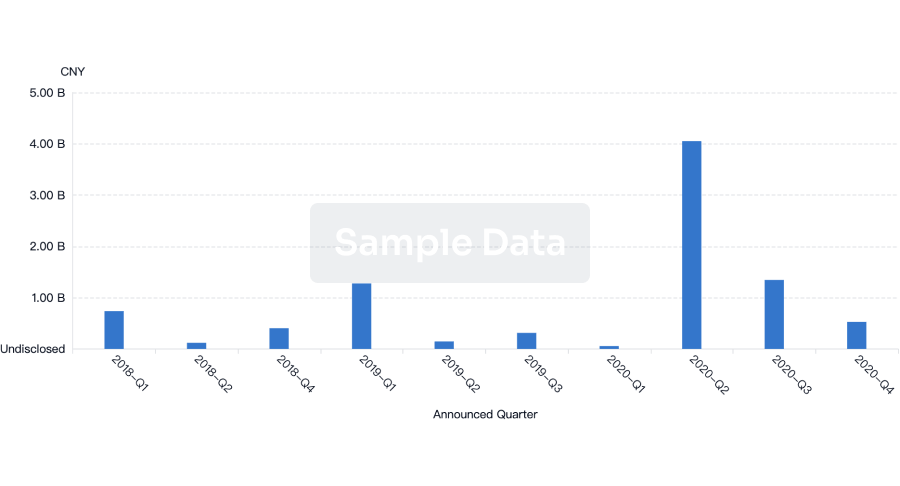
Financing
Unearth financing trends to validate and advance investment opportunities.
login
or
AI Agents Built for Biopharma Breakthroughs
Accelerate discovery. Empower decisions. Transform outcomes.
Get started for free today!
Accelerate Strategic R&D decision making with Synapse, PatSnap’s AI-powered Connected Innovation Intelligence Platform Built for Life Sciences Professionals.
Start your data trial now!
Synapse data is also accessible to external entities via APIs or data packages. Empower better decisions with the latest in pharmaceutical intelligence.
Bio
Bio Sequences Search & Analysis
Sign up for free
Chemical
Chemical Structures Search & Analysis
Sign up for free