Request Demo
Last update 08 May 2025
Par Pharmaceutical Holdings, Inc.
Subsidiary Company|2012|New York, United States|
1,000-5,000
Subsidiary Company|2012|New York, United States|
1,000-5,000
Last update 08 May 2025
Overview
Related
100 Clinical Results associated with Par Pharmaceutical Holdings, Inc.
Login to view more data
0 Patents (Medical) associated with Par Pharmaceutical Holdings, Inc.
Login to view more data
5
News (Medical) associated with Par Pharmaceutical Holdings, Inc.01 Mar 2016
March 1, 2016
By
Mark Terry
, BioSpace.com Breaking News Staff
Dublin-based
Endo International plc
, as part of its fourth quarter and full year financial
report
yesterday, indicated it was closing its Astora Women’s Health Unit due to significant litigation.
In 2011, Endo
acquired
American Medical Systems Holding Inc.
, which focuses on urology products. It changed its
American Medical Systems’ Women’s Health
division name to
Astora Women’s Health
. One of its products is vaginal mesh, which is used to treat pelvic organ prolapse in addition to urinary incontinence. However, the products have led to numerous law suits related to injuries from the products.
At one point, because of more claims then expected, Endo increased its product liability accrual connected to the cases by $834 million. Then, in August 2015, it set aside $1.53 billion for the cases.
The
U.S. Food and Drug Administration (FDA)
has also indicated it would make the regulations for the vaginal mesh products stricture. They would be reclassified from moderate-risk medical devices to high-risk medical devices. It would also force manufacturers to submit information in support of the devices’ effectiveness and safety.
About a year ago, Endo decided to sell Astora. The company has
indicated
that although it did receive formal bids for the division, it decided that because of the potential for future liability related to the mesh implants, it was instead going to shutter operations.
In 2015, Endo also divested its AMS Men’s Health business. It expects to end Astora operations by March 31, 2016. Nothing specific has been stated regarding job losses as a result.
As part of its financial disclosures, Endo indicated total revenues for 2015 were $3.27 billion, up 37 percent from 2014’s $2.38 billion. However, operational losses were higher, with $300.4 million in losses reported in 2015, while in 2014 it reported $61.6 million in income from continuing operations.
For its 2016 guidance, the company projects total revenues between $4.32 billion and $4.52 billion. The company also reported that it had gained a $997 million tax benefit mostly related to a worthless stock deduction connected to the mesh product liability losses.
“Endo delivered solid financial results this quarter and was further strengthened by our first full quarter of revenues from the acquisition of Par Pharmaceutical Holdings, Inc., “ said
Rajiv De Silva
, president and chief executive officer of Endo, in a statement. “As we enter 2016, we believe our business is diversified and positioned for double-digit underlying growth over the mid- to long-term. Moving forward, we are focused on operational execution—especially on the integration of Par and on supporting growth for priority branded products such as Xiaflex and Belbuca—and continuing to create value for Endo shareholders.”
Endo acquired
Par Pharmaceuticals
for $8 billion in May, 2015. The deal will add almost 100 products to the company’s portfolio, including several expensive injectable drugs. Endo already has a portfolio of more than 700 generic drugs.
AcquisitionFinancial Statement
10 Nov 2015
November 10, 2015
By
Mark Terry
, BioSpace.com Breaking News Staff
After yesterday’s
report
that Thousand Oaks, Calif.-based
Amgen
might be considering a big acquisition, today analysts are
speculating
on possible targets.
An unnamed source, presumably a company insider or top investor with inside information, told The Financial Times that
Amgen
was considering acquisition targets in the $10 billion range.
Amgen
has mostly avoided large acquisitions since its
Onyx Pharmaceuticals, Inc.
purchase in 2013 for about $10 billion. In that deal,
Amgen
also acquired the rights to Kyprolis, a cancer drug, but the drug’s initial sales were slow, causing dissent among investors.
In October 2014, activist hedge fund manager
Daniel Loeb
, of
Third Point
,
urged
Amgen
to break up into two companies, nicknaming them
GrowthCo
and
MatureCo.
GrowthCo
would focus on research and development of newer, faster-growing companies, while
MatureCo
would focus on slower-growth, mature products. Loeb apparently wasn’t the first person to suggest such a move, acknowledging that
Geoffrey Porges
, an analyst at
Sanford C. Bernstein
had suggested it earlier.
Clearly this was ignored by
Amgen
. As noted by
Hannah Ishmael
with BidnessEtc,
Amgen
announced ambitious revenue targets late last year, promising to up operating margin by 15 points to 52 to 54 percent and deliver $1.5 billion in yearly cost savings by 2018. Also, Kyprolis gained traction in the market, delivering 46 percent year-over-year and 15 percent sequential increase in third-quarter sales to $137 million. It also received expanded approval in early 2015 for treatment of multiple myeloma. It also is expected to receive more approvals, particularly in combination cocktail treatments.
So, if
Amgen
is considering a major acquisition, who’s the likely target? Ishmael cites four companies:
Seattle Genetics, Inc.
,
Alnylam Pharmaceuticals
,
Dr. Reddy’s Laboratories Ltd.
, or
Aspen Pharmacare HLD (APNHF)
.
Seattle Genetics, Inc.
markets Adcetris, a drug for two types of lymphoma, and is currently being analyzed in over 30 clinical trials for other lymphomas. The company also has another six similar drugs in clinical-stage development.
Alnylam Pharmaceuticals, Inc.
focuses on treatments using its ribonucleic acid interference (RNAi) platform.
Marko Kozul
, an analyst with
Leerink Partners
, projects the company could hit almost $1 billion in sales by 2020 based on its pipeline of products for rare diseases. There are rumors in January 2015 that
Alnylam
was an acquisition target of Paris-based
Sanofi SA
.
Dr. Reddy’s Laboratories Ltd.
is based in India and is the country’s second-largest drug company. It is active in the generics market, focused on gastrointestinal diseases, cardiovascular diseases, pain management, cancer, dermatology and pediatrics.
Aspen Pharmacare HLD
is headquartered in KwaZulu-Natal, South Africa, and is the largest drug company in Africa. It too is strong in the generics market and has international reach.
The
generics
business has been very active this year in the mergers and acquisitions market. Israel-based
Teva Pharmaceutical Industries Ltd.
acquired
Allergan plc
’s generic drug business for $40.5 billion in late July. Philadelphia-based
Lannett Company, Inc.
announced
in September that it was buying
Kremers Urban Pharmaceuticals Inc.
for $1.23 billion.
Kremers Urban
is the U.S.-based specialty generic pharmaceuticals subsidiary of Belgium-based
UCB S.A.
In July
Jordan-Hikma Pharmaceuticsl (HIK.L)
bought
Boehringer Ingelheim
’s U.S. generic drugs unit for $2.65 billion. In May,
Endo Pharmaceuticals Plc
bought
Par Pharmaceutical Holdings Inc.
for $8.05 billion, making it among the top five generic drug companies in the U.S.
Amgen
is also facing or has already had to deal with drugs losing patent protection, as well as biosimilar competition. On March 6, the
U.S. Food and Drug Administration (FDA)
approved the first biosimilar,
Novartis AG
’s Zarxio, a biosimilar of
Amgen
’s Neupogen.
Amgen
’s Neulasta lost its U.S. patent last month, and its European patent ends in 2017. The company’s Epogen lost patent protection in 2014. Much of the patent-cliff problems revolve around
Amgen
’s cancer drugs, so it’s possible it will look to acquire a company that will help bolster its oncology market presence.
Drug ApprovalAcquisitionBiosimilarPatent Expiration
04 Sep 2015
September 4, 2015
By
Mark Terry
, BioSpace.com Breaking News Staff
Pfizer Inc.
,
announced
yesterday that it had closed its acquisition of
Hospira, Inc.
.
The acquisition had been
announced
on Feb. 5, totaling about $17 billion. The company projected about $800 million in annual cost savings by 2018. Hospira, headquartered in Lake Forest, Ill., develops and markets injectable drugs and infusion technologies. It employs 19,000 people worldwide.
Now that the deal is closed,
Hospira
is no longer listed on the stock market, and
Hospira
chief executive officer
Michael Ball
made $91.1 million with the sale of his shares to
Pfizer
,
analysts
are speculating on whether the deal will trigger a company spinoff.
Pfizer
indicates it will revise its financial guidance for the full year of 2015 in the next couple weeks to reflect the Hospira acquisition. “We believe that through this transaction,” said
Ian Read
,
Pfizer
chairman and chief executive officer in a statement, “we’ve created value for our shareholders by delivering incremental revenue and expected EPS growth in the near-term by strengthening our GEP business and positioning it for future growth.”
As a result of the merger,
Pfizer
’s Global Established Products (GEP) are expected to hit an enterprise value of $34 billion to $63 billion by 2018, which granted is a pretty wide range. In 2014, the GEP segment reported $21.15 billion in revenue.
The question then, is will
Pfizer
spin off its GEP operations? That GEP unit would then become the largest generic drug company in the world. Generics are very active in the life sciences merger and acquisition market lately. Yesterday’s
announcement
that Philadelphia-based
Lannett Company, Inc.
bought
Kremers Urban Pharmaceuticals Inc.
, the U.S.-based specialty generic drugs subsidiary of Belgium-based
UCB S.A.
is just the most recent case of consolidation in the generics market. Other big moves in the generic market include Israel-based
Teva Pharmaceutical Industries Ltd.
’s acquisition of
Allergan plc
and Jordan-
Hikma Pharmaceuticals
’s acquisition of
Boehringer Ingelheim
’s U.S. generic drugs unit in July. In May,
Endo International plc
acquired
Par Pharmaceutical Holdings Inc.
for $8.05 billion, making it one of the fifth largest in the U.S. generics market.
Andrew Baum
, an analyst with
Citigroup
, recently wrote that the
Pfizer Inc.
-
Hospira, Inc.
merger could materially improve the long-term cash flow pro PFE’s GEP division, facilitating the likely spin out anticipated post 2017.
Echoing the statement,
Sam Fazelisaid
, an analyst with Bloomberg Intelligence, said, “It’s all about fattening up the established pharma business. … This way they can get the established products into a much larger organization and potentially spin that off,” reported BidnessEtc.
At least some of the speculation revolves around the fact that, compared to similarly sized drug companies, Pfizer stock is one of the cheapest, based mostly on the structure of its conglomerate, according to BidnessEtc. But soon? Maybe.
“While a
Pfizer
break-up would likely be a 2017 event,” wrote
Chris Schott
, a
JPMorgan
analyst in a June research note, “we see potential catalysts in 2015 - 2016. Three years of audited financial statements (2014-2016) are required before any part of
Pfizer
can be spun off, and we also see 2017 as an attractive time for action as investors see
Pfizer
’s innovative pipeline clearly contributing to growth and the established business having transitioned to a more stable profile.”
Acquisition
100 Deals associated with Par Pharmaceutical Holdings, Inc.
Login to view more data
100 Translational Medicine associated with Par Pharmaceutical Holdings, Inc.
Login to view more data
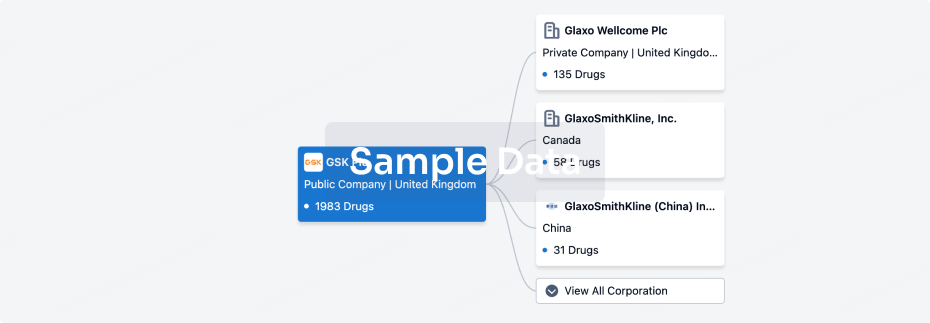
Corporation Tree
Boost your research with our corporation tree data.
login
or
Pipeline
Pipeline Snapshot as of 16 Dec 2025
No data posted
Login to keep update
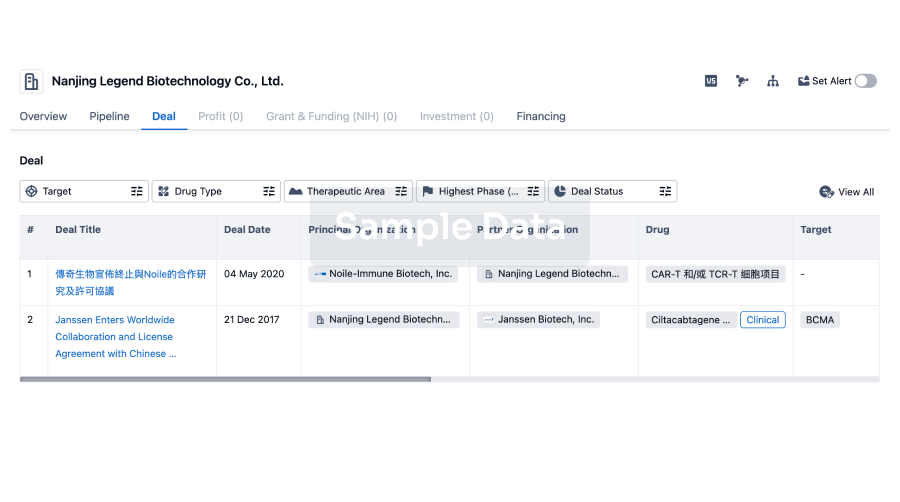
Deal
Boost your decision using our deal data.
login
or
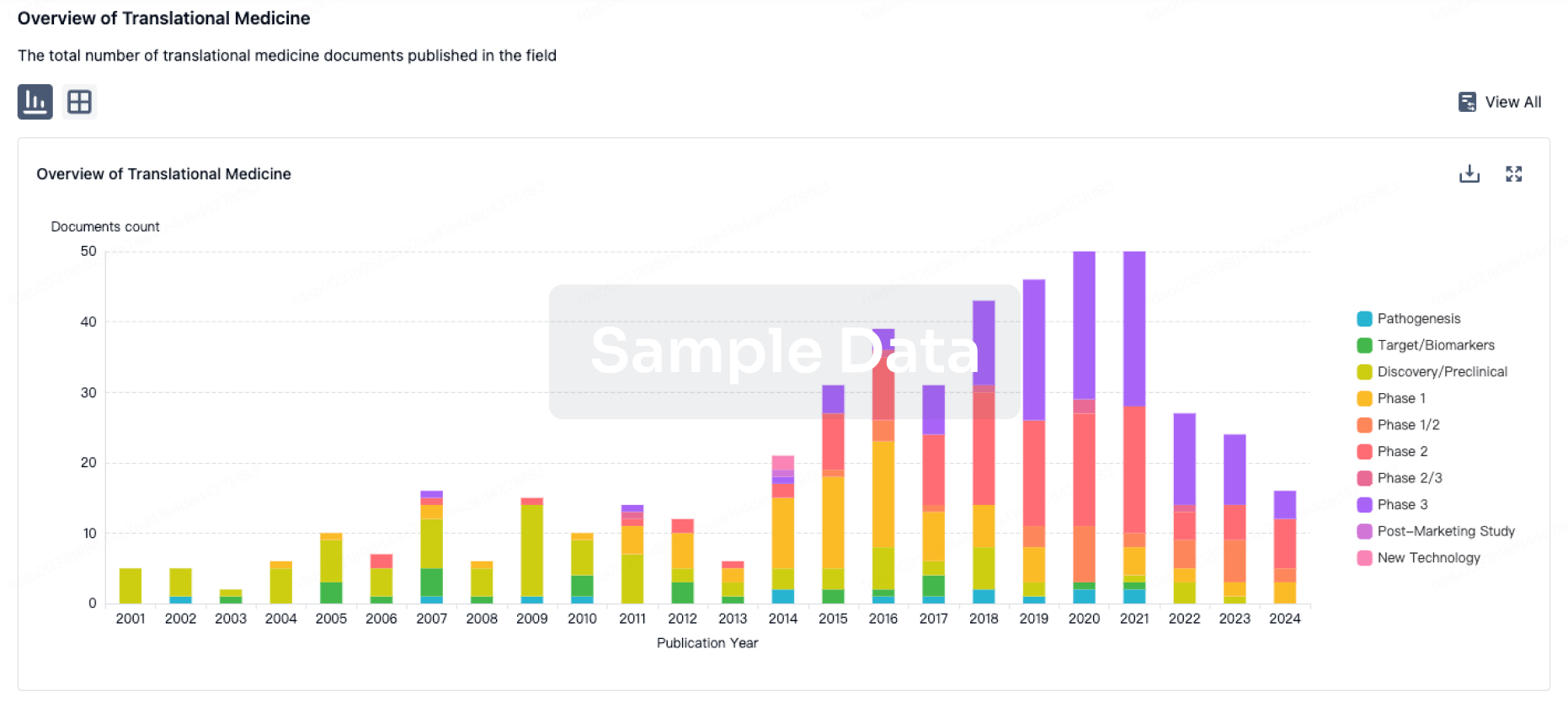
Translational Medicine
Boost your research with our translational medicine data.
login
or
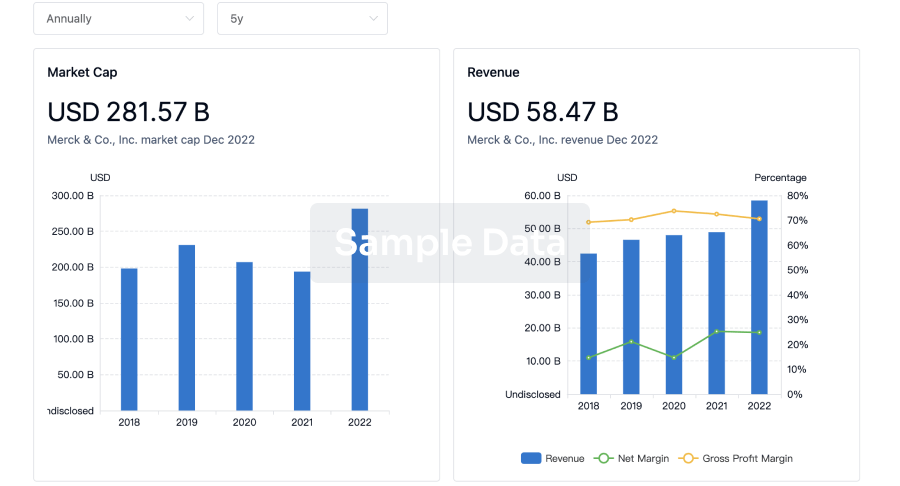
Profit
Explore the financial positions of over 360K organizations with Synapse.
login
or
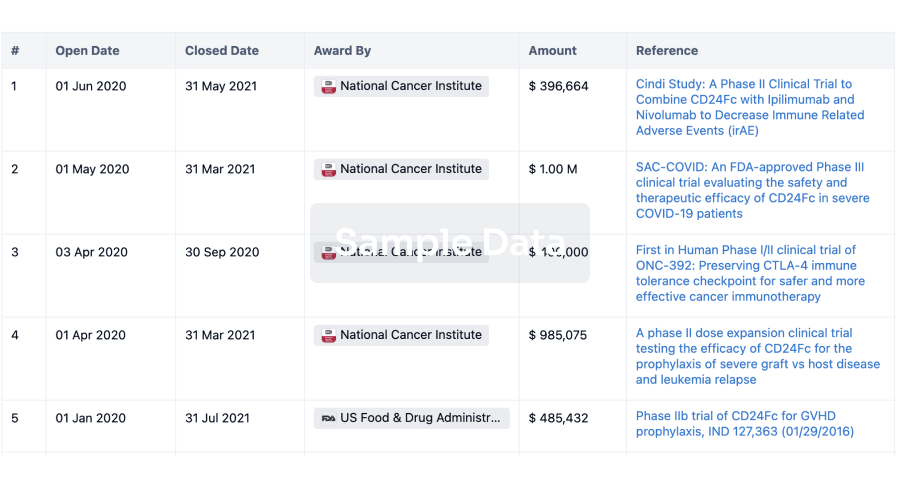
Grant & Funding(NIH)
Access more than 2 million grant and funding information to elevate your research journey.
login
or
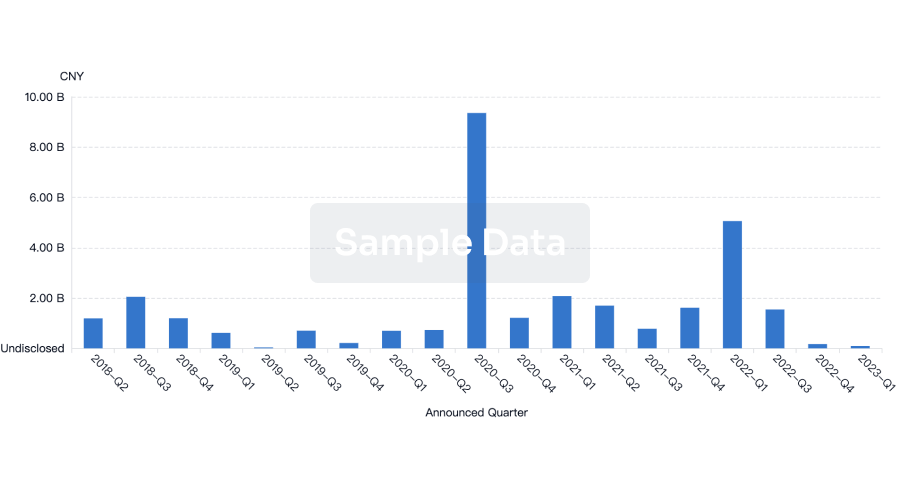
Investment
Gain insights on the latest company investments from start-ups to established corporations.
login
or
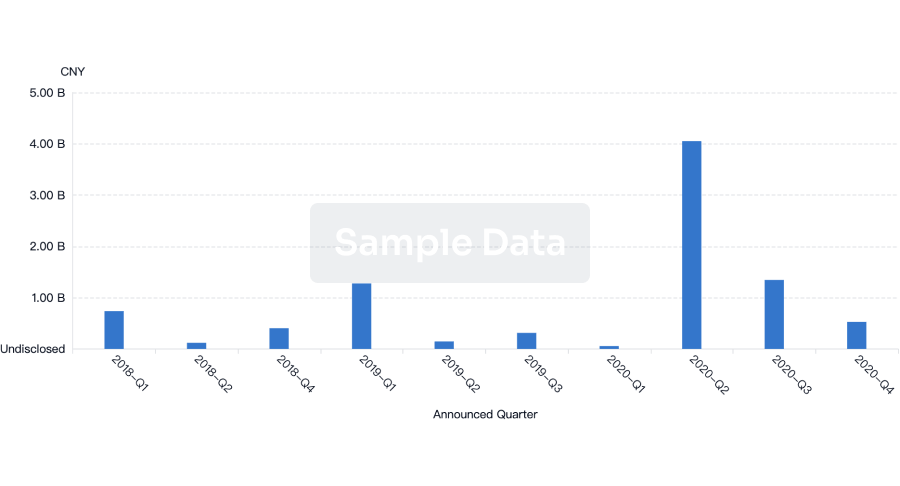
Financing
Unearth financing trends to validate and advance investment opportunities.
login
or
AI Agents Built for Biopharma Breakthroughs
Accelerate discovery. Empower decisions. Transform outcomes.
Get started for free today!
Accelerate Strategic R&D decision making with Synapse, PatSnap’s AI-powered Connected Innovation Intelligence Platform Built for Life Sciences Professionals.
Start your data trial now!
Synapse data is also accessible to external entities via APIs or data packages. Empower better decisions with the latest in pharmaceutical intelligence.
Bio
Bio Sequences Search & Analysis
Sign up for free
Chemical
Chemical Structures Search & Analysis
Sign up for free