Request Demo
Last update 14 Aug 2025

Tianmen First People's Hospital
Last update 14 Aug 2025
Overview
Related
NCT06662643
A Prospective, Multicenter, Randomized Controlled Clinical Trial Comparing Staged Turnbull-Cutait Pull-through Anastomosis With Direct Anastomosis Plus Prophylactic Ileostomy in the Treatment of Low Rectal Cancer After Internal Sphincter Resection

NCT05329155
Effectiveness and Safety of Early Administration of Heparin At First Medical Contact for STEMI Patients Undergoing Primary Percutaneous Coronary Intervention: a Multicenter, Prospective, Randomized, Controlled Study
100 Clinical Results associated with Tianmen First People's Hospital
Login to view more data
Login to view more data
27 Jun 2025MEDICINE
Laryngeal non-Hodgkin lymphoma presenting as throat foreign body sensation: A case report
Article
Author: Yan, Fengbo ; Liao, Hongming ; He, Ai ; He, Benchao
Rationale::
Laryngeal lymphoma is an extremely rare malignancy, representing <1% of all laryngeal tumors. Diffuse large B-cell lymphoma (DLBCL) is the most common histologic subtype. Due to its rarity and nonspecific symptoms, early diagnosis and timely treatment are critical.
Patient concerns::
A 67-year-old male presented with progressive hoarseness and a persistent sensation of a foreign body in the throat that had developed over several weeks.
Diagnoses::
Laryngoscopy revealed a submucosal mass involving the glottis. Contrast-enhanced computed tomography demonstrated soft tissue infiltration. Surgical excision was performed, and histopathological evaluation confirmed the diagnosis of diffuse large B-cell lymphoma of the larynx.
Interventions::
The patient received systemic chemotherapy tailored to the staging and anatomical location of the lymphoma, following current DLBCL treatment guidelines.
Outcomes::
The patient experienced significant symptom relief after chemotherapy, with resolution of hoarseness and foreign body sensation. No recurrence was observed during the 2-month follow-up period.
Lessons::
This case highlights the importance of considering lymphoma in the differential diagnosis of persistent hoarseness and throat discomfort. Early biopsy and multidisciplinary intervention are essential to achieve favorable outcomes in patients with rare laryngeal DLBCL.
01 May 2025CANCER BIOTHERAPY AND RADIOPHARMACEUTICALS
Anlotinib as a Tailored Treatment for Extensive-Stage Small Cell Lung Cancer with Stable Disease after Two Cycles of First Chemotherapy Plus Immunotherapy: A Retrospective Study
Article
Author: Tang, Jing ; Lin, Xi ; Peng, Yi ; Li, Xiaobing ; Li, Yonghong
Objective: Optimize the treatment of extensive-stage small cell lung cancer (ES-SCLC). Materials and Methods: We collected data on patients with ES-SCLC who had stable disease (SD) after two cycles of first-line chemotherapy combined with immunotherapy (CIO) and subsequently received tailored treatment with anlotinib. The primary endpoints of the study were progression-free survival and overall survival (OS), while secondary endpoints included overall response rate (ORR), disease control rate (DCR), and adverse events (AEs). Results: A total of 45 patients were ultimately enrolled in the study. Preliminary analysis indicated that the integration of anlotinib provides promising efficacy for patients with ES-SCLC who had SD after two cycles of CIO. ORR and DCR were 26.67% and 62.22%, respectively, with median progression-free survival and median OS were 6.0 months and 10.0 months. Furthermore, subgroup analysis results showed that patients who experienced hypertension, proteinuria, and hand-foot syndrome during treatment had better efficacy. In addition, mechanistic analysis suggested that this regimen may activate the immune system by depleting immune suppression, thereby exerting a synergistic antitumor effect. Beyond the promising efficacy, the overall AEs of this regimen were manageable, indicating a potential positive outlook for this treatment model in this patient population. Conclusion: The adaptive treatment with anlotinib can significantly improve outcomes for these patients, with manageable toxicities, suggesting that this treatment model has the potential to become an important option for first-line therapy in ES-SCLC. However, its true clinical value requires further research for validation.
01 Apr 2025SURGICAL ENDOSCOPY AND OTHER INTERVENTIONAL TECHNIQUES
Risk factors of symptomatic internal hernias after left hemicolectomy: a multicenter retrospective study
Article
Author: Jiang, Congqing ; Liu, Wenming ; Lei, Junping ; Di, Maojun ; Ding, Jianhua ; Qian, Qun ; Ren, Xianghai ; Yin, Siyuan ; Wu, Xiangbo ; Li, Haibo ; Chen, Aijun ; Xu, Jun ; Ai, Xu ; Hu, Xiaoli ; Wang, Donghua
BACKGROUND:
Mesenteric-related internal hernia after left hemicolectomy is rare. However, it can cause serious consequences, including upper gastrointestinal obstruction and acute intestinal necrosis. This study aimed to explore the potential risk factors of symptomatic internal hernia (SIH) after a left hemicolectomy.
MATERIALS AND METHODS:
We retrospectively reviewed the data of patients who underwent a left hemicolectomy at 10 tertiary hospitals between January 2018 and June 2024. Their baseline information, surgical procedures, and early postoperative complications (within 3 months after surgery) were recorded and analyzed.
RESULTS:
Overall, 468 patients were included in this study, the majority of patients underwent laparoscopic surgery (76.9%). SIH was detected using postoperative imaging (computed tomography/upper gastrointestinal contrast). Six patients (1.28%) developed SIH (SIH group) and underwent re-operation. Compared with the 462 patients who did not develop SIH (non-SIH group) (with comparable baseline data between groups), the SIH group did not undergo surgery to close the mesenteric defect (0 vs. 56.1%; p = 0.008) and had longer durations of postoperative hospital stay (50.5 ± 37.1 days vs. 14.6 ± 6.4 days; p < 0.001). Relative to the patients without mesenteric defect closure, those who had closure of the mesenteric defects did not have significantly increased duration of surgery (β = - 0.40, 95% CI = - 12.60 to 11.81, p = 0.949) or incidence of postoperative complications other than SIH (β = 0.79, 95% CI = 0.43 to 1.45, p = 0.443).
CONCLUSION:
The risk of SIH after left hemicolectomy may increase if closure of the mesenteric defect is not performed. We recommend appropriate management of the mesenteric defect after left hemicolectomy to prevent SIH.
100 Deals associated with Tianmen First People's Hospital
Login to view more data
100 Translational Medicine associated with Tianmen First People's Hospital
Login to view more data
Corporation Tree
Boost your research with our corporation tree data.
login
or

Pipeline
Pipeline Snapshot as of 12 Mar 2026
No data posted
Login to keep update
Deal
Boost your decision using our deal data.
login
or

Translational Medicine
Boost your research with our translational medicine data.
login
or

Profit
Explore the financial positions of over 360K organizations with Synapse.
login
or

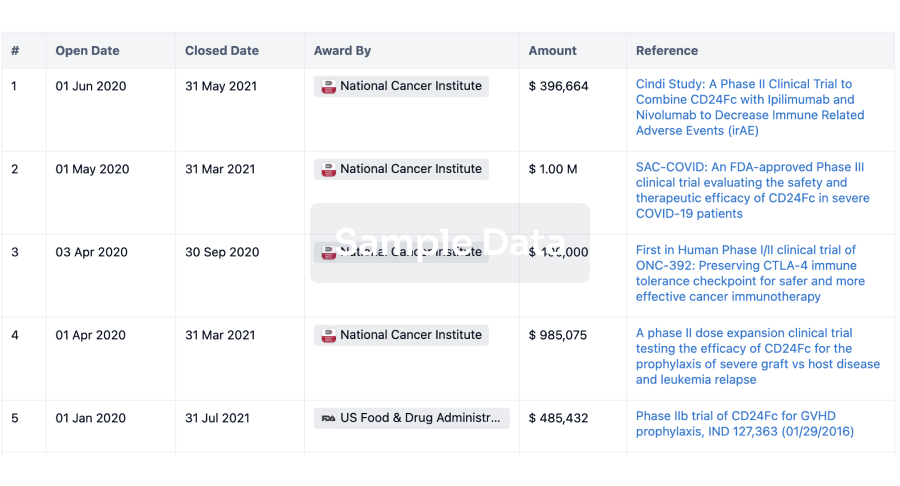
Grant & Funding(NIH)
Access more than 2 million grant and funding information to elevate your research journey.
login
or
Investment
Gain insights on the latest company investments from start-ups to established corporations.
login
or

Financing
Unearth financing trends to validate and advance investment opportunities.
login
or

AI Agents Built for Biopharma Breakthroughs
Accelerate discovery. Empower decisions. Transform outcomes.
Get started for free today!
Accelerate Strategic R&D decision making with Synapse, PatSnap’s AI-powered Connected Innovation Intelligence Platform Built for Life Sciences Professionals.
Start your data trial now!
Synapse data is also accessible to external entities via APIs or data packages. Empower better decisions with the latest in pharmaceutical intelligence.
Bio
Bio Sequences Search & Analysis
Sign up for free
Chemical
Chemical Structures Search & Analysis
Sign up for free