Request Demo
Last update 08 May 2025

Delaware State University
Last update 08 May 2025
Overview
Related
100 Clinical Results associated with Delaware State University
Login to view more data
0 Patents (Medical) associated with Delaware State University
Login to view more data
2,200
Literatures (Medical) associated with Delaware State University01 May 2025·Food Research International
Examining the impact of crops and foods biofortified with micronutrients on the gut microbiome
Review
Author: Aryal, Asmita ; Aryee, Alberta N A ; Nwachukwu, Ifeanyi D
01 May 2025·Journal of Global Antimicrobial Resistance
Antimicrobial-resistant raoultella planticola isolated from preweaned dairy calf feces
Article
Author: Kim, Seon Woo ; Van Kessel, Jo Ann S ; Lee, Jung-Lim ; Haley, Bradd J ; Cannon, Carlton
11 Apr 2025·Energy Efficient Algorithms and Green Data Centers for Sustainable Computing
Sustainable Mobile and Wireless Computing Solutions
Author: Matharasi, Thrushna ; Ganguly, Priyam ; Ganguly, Ranita
2
News (Medical) associated with Delaware State University07 Dec 2022
Moves up 28 places from 2022
SANTA CLARA, Calif.--(BUSINESS WIRE)-- Agilent Technologies Inc. (NYSE: A) today announced the company is ranked 101 in Newsweek’s 2023 list of America’s Most Responsible Companies, up 28 places from 2022. It marks Agilent’s fourth consecutive year on the prestigious list, which includes the best-performing companies based on their environmental, social, and governance (ESG) activities. Agilent also ranked 10 among healthcare and life science companies, up from number 16.
This press release features multimedia. View the full release here:
To formulate the rankings, Newsweek and business intelligence firm Statista, Inc. reviewed corporate social responsibility and financial reports, analyzed quantitative data, and surveyed 13,000 U.S. residents on perceptions of ESG practices. They examined metrics on waste, emissions, energy use, water use, diversity and engagement, philanthropic giving, disclosure and transparency, and economic performance, among others.
“Agilent’s mission is to advance the quality of life,” said Agilent President and CEO Mike McMullen. “Receiving this recognition is gratifying because being a responsible corporate citizen is central to who we are. Focusing on corporate responsibility is woven into the fabric of our business and is part of what we strive to do every day.”
Agilent has reported on its environmental and community impact activities for over 20 years. Agilent further accelerated its environmental commitment in 2021 by adopting science-based targets for reducing emissions by 2030 and achieving net-zero emissions by 2050.
The company’s most recent ESG report showed progress during fiscal year 2021 on a number of critical metrics, including reducing carbon emissions intensity per square foot by 34 percent since 2014, increasing the share of women leaders reporting to the CEO by 30 percent, and achieving industry leading employee engagement levels.
The company released its first Task Force on Climate Related Financial Disclosures (TCFD) report in 2022 and reported on its plan to increase the share of women of color in leadership positions.
Since the release of its 2021 ESG report, Agilent has continued to progress in other areas, including work to advance diversity in STEM education through a $1 million donation to Delaware State University, a historically Black university; earning Great Place to Work certification in over 20 countries; and joining the How2Recycle program.
The Newsweek ranking adds to other recent recognition of Agilent, including Fortune’s Top Workplaces in Health Care, Top Project award from Environment +Energy Leader for instrument recycling and refurbishment, Forbes Top Female-Friendly Companies, and Investor’s Business Daily Best ESG Companies.
About Agilent Technologies
Agilent Technologies Inc. (NYSE: A) is a global leader in the life sciences, diagnostics, and applied chemical markets, delivering insight and innovation that advance the quality of life. Agilent’s full range of solutions includes instruments, software, services, and expertise that provide trusted answers to our customers' most challenging questions. The company generated revenue of $6.85 billion in fiscal 2022 and employs 18,000 people worldwide. Information about Agilent is available at . To receive the latest Agilent news, subscribe to the Agilent Newsroom. Follow Agilent on LinkedIn, Twitter and Facebook.
View source version on businesswire.com:
Contacts
MEDIA CONTACT:
Sarah Litton
+1 669 255 7696
sarah.litton@agilent.com
Source: Agilent Technologies Inc.
View this news release online at:
25 Nov 2020
Guardant Health is taking Roche-owned Foundation Medicine to court over a patent dispute for their liquid biopsy technology, further heating up the rivalry between the two cancer detection companies.
Redwood City, Calif.-based
Guardant Health
is taking Roche-owned
Foundation Medicine
to
court
over a patent dispute for their liquid biopsy technology, further heating up the rivalry between the two cancer detection companies.
In newly released documents, Guardant claims Foundation is currently infringing on up to seven patents which are part of Guardant’s intellectual property for its liquid biopsy test. Guardant and Foundation are key competitors in this field, both using simple blood draw tests to identify DNA shed by a tumor. These liquid biopsy tests, which rely on next-generation DNA sequencing to better identify signs of cancer, have become increasingly popular in cancer diagnostics.
Guardant’s suit, filed by Weil, Gotshal & Manges LLP and Farnan LLP, claims Foundation’s FoundationOne Liquid product is nearly identical to Guardant’s Guardant360. In the suit, Gardant asks the court for monetary relief or unspecified damages, damages for lost sales, an injunction against Foundation from infringing the patents and legal costs.
This isn’t the first time Guardant and Foundation have faced each other in court over patent infringement. Previously filed motions have also alleged false advertising claims, and only last year, Foundation urged the U.S. Patent and Trademark Office to review claims around a patent.
Investors have spent billions of dollars to develop sophisticated liquid biopsy setups over the past five years, gearing research and development funding to companies like Guardant, Foundation, Grail, and San Francisco’s Freenome, among several others. Using this technology, companies hope they will offer more precise and easier-to-use diagnostics for cancer as well as tests that can detect subtle molecular changes to identify disease prior to the emergence of symptoms.
Guardant’s Guardant360 test and Foundation’s FoundationOne Liquid test share similar offerings, with both tests assisting clinicians in the identification and tracking of cancers. These tests, which have been sold under the U.S. Food and Drug Administration’s radar, also help doctors determine which treatments to switch to based on changes in a patient’s tumor.
In August, Guardant was granted the first FDA approval for a comprehensive genomic profiling test. Last month, a
study
published in
Nature Medicine
suggested the Guardant360 accelerated clinical trial enrollment and detected more actionable gene alterations compared with tissue biopsy in patients with advanced gastrointestinal cancer, suggesting Guardant’s liquid biopsy test could prove useful for expediting cancer research.
Also, the FDA has recently
granted
an Emergency Use Authorization to Guardant’s newly developed Guardant-19 test which can be used for the detection of SARS-CoV-2, the novel coronavirus responsible for COVID-19. According to the company, the Guardant-19 test can provide detection results within a single day.
The reverse transcriptase polymerase chain reaction next-generation sequencing Guardant-19 test is so far being offered to Guardant employees as well as select partner organizations through the Guardant’s CLIA-certified clinical laboratory. Additionally, Guardant is currently using the test to help in the safe reopening of Delaware State University.
The FDA has also
recently granted
an EUA for Agena Bioscience’s high-throughput, low-cost SARS-CoV-2 panel. Agena’s product offerings are slightly different than Guardant and Foundation, however, as this company focuses primarily on a mass spectrometry-based platform for research into cancer profiling for solid tumors and liquid biopsies.
As details of the lawsuit emerge, it’s unclear how the outcomes will affect recent FDA approvals for Foundation’s platform. Just last month, the FDA
granted approval
for Foundation’s FoundationOne Liquid CDx for three new companion diagnostic indications, including advanced ovarian, breast and non-small cell lung cancer.
Patent InfringementDrug Approval
100 Deals associated with Delaware State University
Login to view more data
100 Translational Medicine associated with Delaware State University
Login to view more data
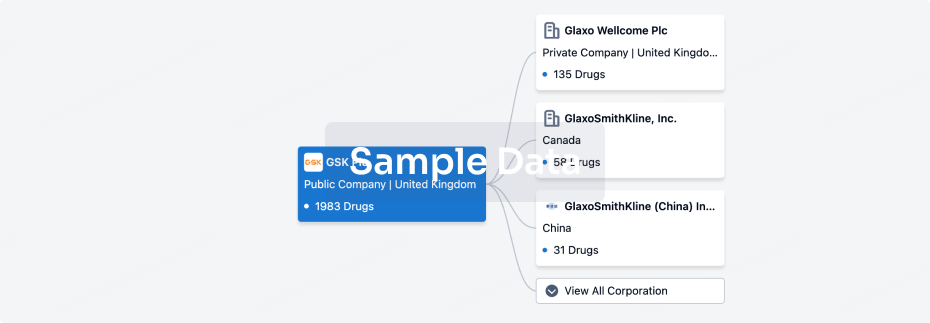
Corporation Tree
Boost your research with our corporation tree data.
login
or
Pipeline
Pipeline Snapshot as of 11 Dec 2025
No data posted
Login to keep update
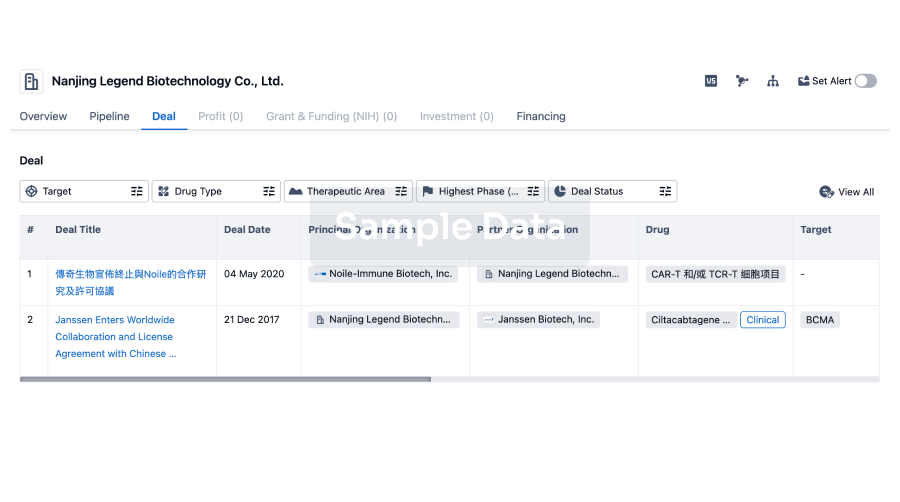
Deal
Boost your decision using our deal data.
login
or
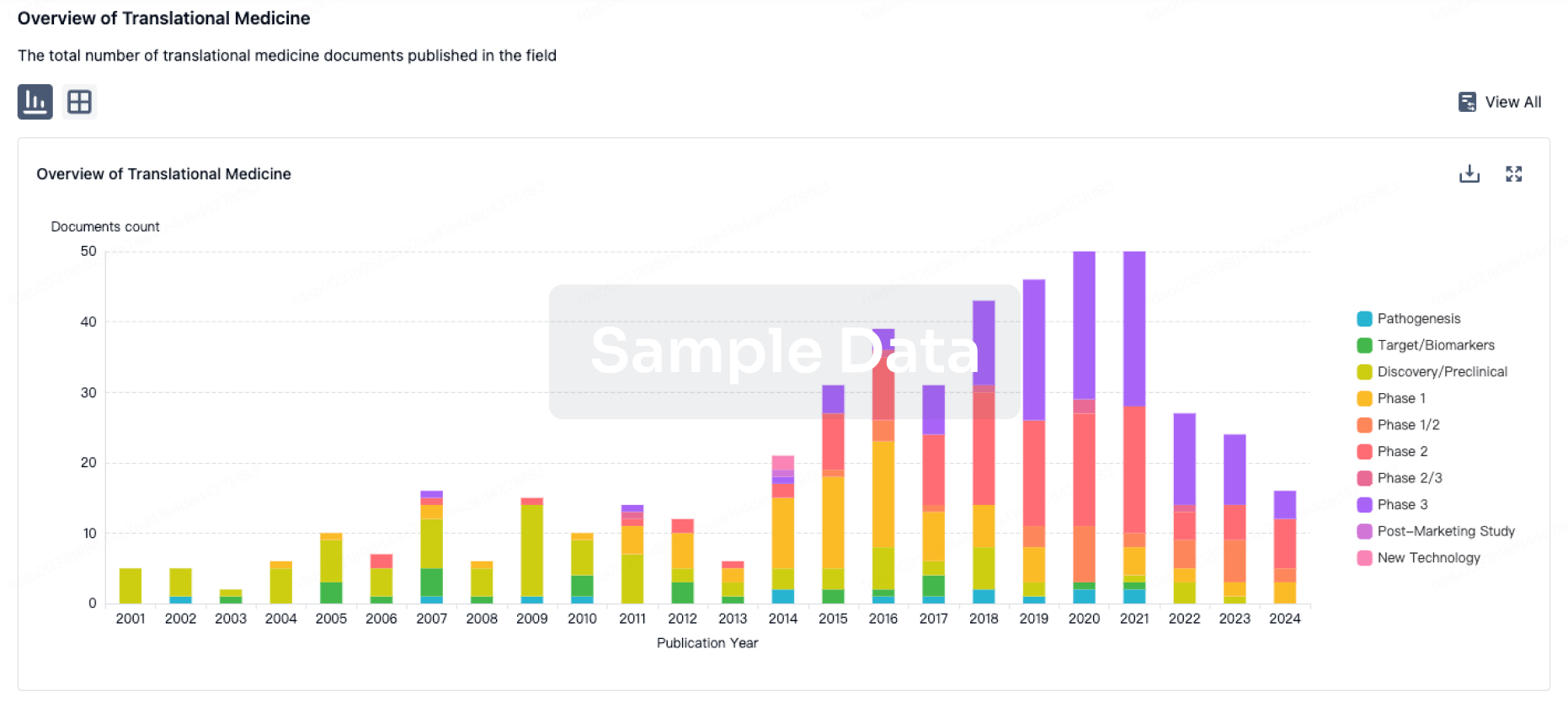
Translational Medicine
Boost your research with our translational medicine data.
login
or
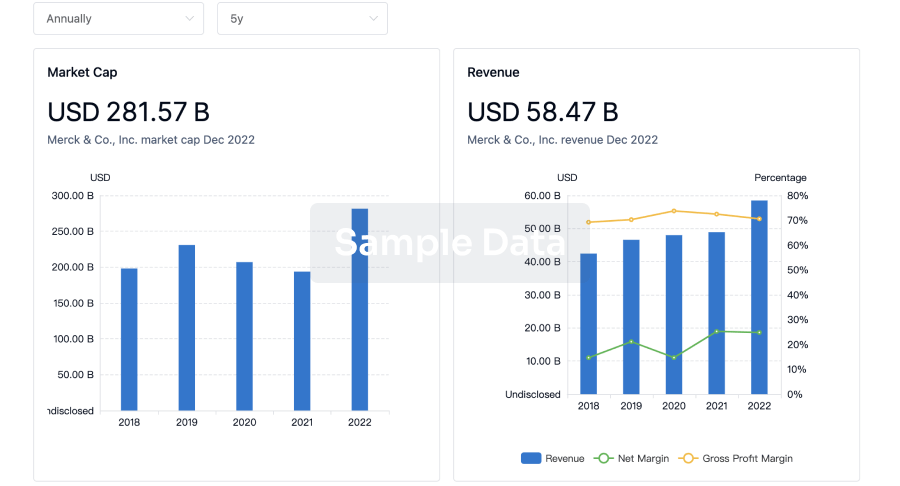
Profit
Explore the financial positions of over 360K organizations with Synapse.
login
or
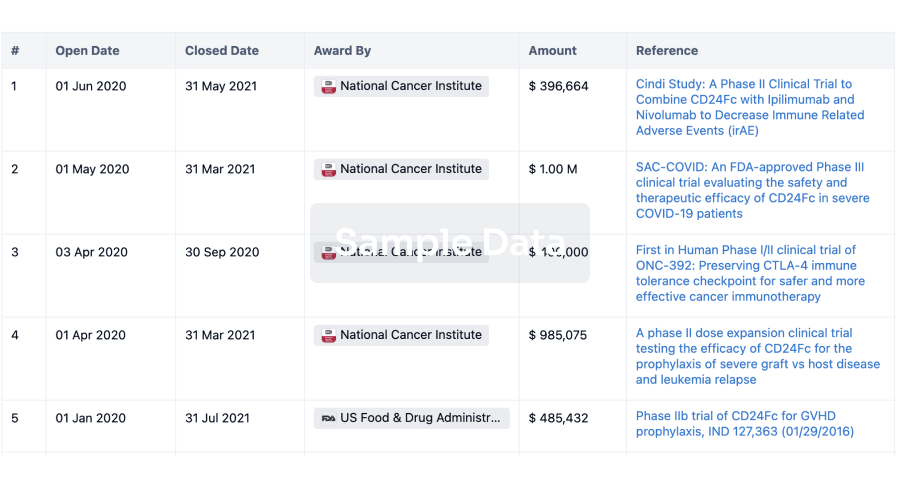
Grant & Funding(NIH)
Access more than 2 million grant and funding information to elevate your research journey.
login
or
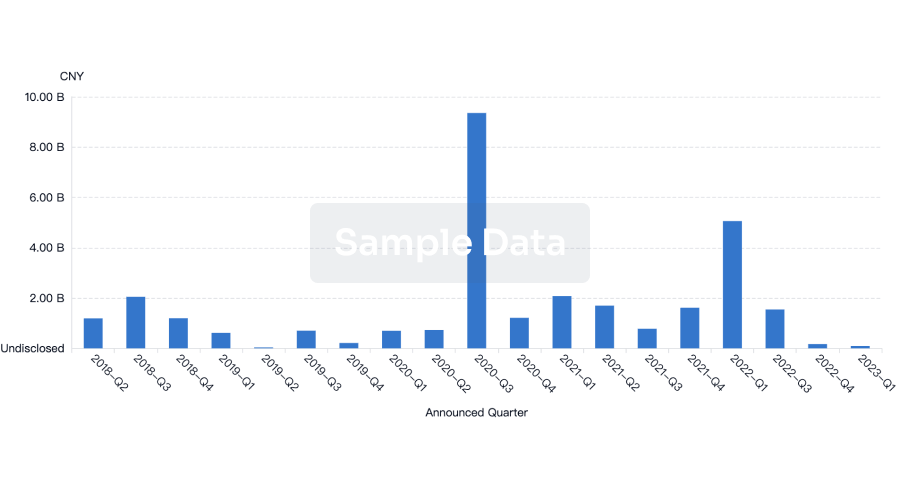
Investment
Gain insights on the latest company investments from start-ups to established corporations.
login
or
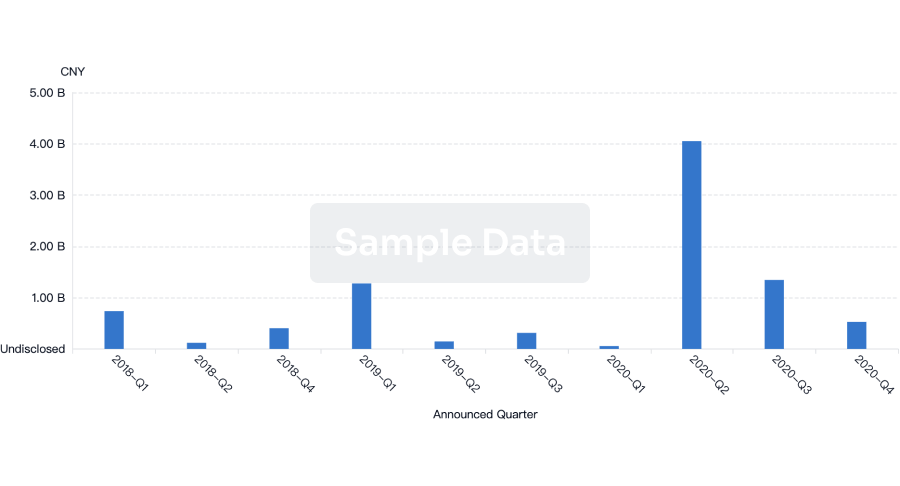
Financing
Unearth financing trends to validate and advance investment opportunities.
login
or
AI Agents Built for Biopharma Breakthroughs
Accelerate discovery. Empower decisions. Transform outcomes.
Get started for free today!
Accelerate Strategic R&D decision making with Synapse, PatSnap’s AI-powered Connected Innovation Intelligence Platform Built for Life Sciences Professionals.
Start your data trial now!
Synapse data is also accessible to external entities via APIs or data packages. Empower better decisions with the latest in pharmaceutical intelligence.
Bio
Bio Sequences Search & Analysis
Sign up for free
Chemical
Chemical Structures Search & Analysis
Sign up for free