Request Demo
Last update 04 Mar 2026

Coeur Value, Inc.
Last update 04 Mar 2026
Overview
Related
100 Clinical Results associated with Coeur Value, Inc.
Login to view more data
0 Patents (Medical) associated with Coeur Value, Inc.
Login to view more data
2
Literatures (Medical) associated with Coeur Value, Inc.01 Aug 2022·The Journal of innovations in cardiac rhythm management
Next-generation Mobile Cardiac Telemetry: Clinical Value of Combining Electrocardiographic and Physiologic Parameters
Article
Author: Pubbi, Dinesh ; Bhalla, Karan ; Lieber, Ira H ; Yoo, Dale ; Manyam, Harish
The ZOLL Arrhythmia Monitoring System, a mobile cardiac telemetry (MCT) device from ZOLL Corporation (Chelmsford, MA, USA), records single-channel electrocardiogram (ECG) signals, heart rate, activity, respiratory rate, and posture. Comprehensive reporting from these multiple biometrics may provide a global evaluation of arrhythmic or other cardiovascular risks in individual patients and insights into the patient's overall wellness and health status. The objective of the study was to evaluate the physician-perceived utility of adding biometric data to the traditional ECG-only-based assessment and subject-reported symptoms. This prospective study recruited candidates for MCT. Independent event and end-of-use (EOU) reports based on ECG and biometrics data were provided to physicians. To document whether the biometric data affected treatment plan decisions or added value over the ECG-alone data, physicians completed a questionnaire for each report. Additionally, they completed the questionnaire to understand the utility of the subject wellness information provided in the EOU report. From December 2020 to July 2021, 583 patients were enrolled by 27 physicians from 18 cardiology practices in the United States. When using biometrics data compared to the ECG alone, this study found that 96% of the physicians made changes to the treatment plan that initially was based on the ECG alone. The biometrics-based changes involved 64% of all patients (n = 535), and included modifications to medications, follow-up, and lifestyle in 18%, 19%, and 63% of the subjects, respectively. In this largest MCT study conducted to date, next-generation MCT, by providing multiple biometric parameters along with ECG data, improves physicians' ability to make patient management decisions. This added functionality and clarity may replace traditional "ECG with diary"-based monitoring.
01 Feb 2014·Catheterization and cardiovascular interventions : official journal of the Society for Cardiac Angiography & InterventionsQ4 · MEDICINE
Best practices for transradial angiography and intervention: A consensus statement from the society for cardiovascular angiography and intervention's transradial working group
Q4 · MEDICINE
Article
Author: Walter Woody ; Adhir R. Shroff ; Christopher T. Pyne ; Van Crisco ; Kintur Sanghvi ; Gilbert Zoghbi ; Samir B. Pancholy ; Rajiv Gulati ; Tejas Patel ; Mitchell W. Krucoff ; Pinak B. Shah ; Peter L. Duffy ; Sunil V. Rao ; Ian C. Gilchrist ; Jennifer A. Tremmel ; Kimberly A. Skelding
The radial approach to angiography and intervention has emerged internationally as the preferred alternative to the traditional femoral approach 1. Multiple observational and randomized trials performed to date have shown an association between radial access and reduced risk for bleeding and vascular complications 2. Other studies have shown an association between radial approach and reduced costs 3, increased patient satisfaction 4, 5, and reduced mortality in high-risk patient subgroups like those with ST-segment elevation myocardial infarction (STEMI) 6. Disadvantages include increased radiation exposure to the operator during the learning curve, limitation of guide catheter size in some patients, and radial artery occlusion. The increased understanding of the potentially favorable risk:benefit ratio of transradial procedures has led to a near 10-fold increase in the adoption of radial access in the United States between 2007 and 2011 7. Concomitant with this surge in radial approach has been a proliferation of studies that have examined various technical aspects and outcomes from transradial procedures. Transradial angiography and intervention was once largely guided by anecdote and case series reports, but now there is a solid evidence base to guide some aspects of radial practice. The purpose of this document is to provide consensus opinion on what is considered "best practice" for facets of radial procedures where there is supportive evidence in order to maximize the benefits, standardize certain practices to minimize complications, and summarize areas that need further study. The Society for Cardiovascular Angiography and Intervention (SCAI) has formed a committee of members to focus specifically on radial procedures. Membership is open to any member of SCAI. The committee is tasked with planning and executing radial training programs and generating SCAI-approved statements that relate to transradial practice. The SCAI Radial Committee decided upon topics selected for the present "best practices" statement by consensus. The decision was guided by patient-level and operator-level outcomes as well as the amount and quality of evidence to guide a specific practice. Randomized clinical trial data was considered to be the highest level of evidence followed by observational studies that reported adjusted outcomes. No formal grading of evidence was undertaken. The topics for inclusion were then selected from candidate topics by committee consensus. Three topics emerged as the focus of the statement: (1) monitoring for and reducing the risk of radial artery occlusion, (2) reducing patient and operator radiation exposure during radial procedures, and (3) transitioning to transradial for primary PCI. Three other topics, felt to be important, but in need of further study, are also discussed: (1) the role of preprocedure testing for dual circulation, (2) the optimal antithrombotic strategy for transradial PCI, and (3) the elements of a successful transradial training program. The Radial Committee discussed the evidence supporting practices for each topic and final recommendations were formulated through consensus. If randomized trials or observational studies were not available, recommendations were formulated through consensus of the committee members. An important limitation of transradial catheterization and intervention is radial artery occlusion (RAO). A recent international survey of transradial practice showed that only half of physicians performing transradial catheterization routinely check for radial artery patency before discharge 8. Although most radial occlusions may be asymptomatic, there are several reasons to preserve radial patency. First, not all RAO is asymptomatic and cases of hand ischemia have been reported 9. Second, RAO that persists makes repeat procedures through the ipsilateral radial artery either impossible or more complex requiring angioplasty of the occluded radial artery. Finally, maintaining radial artery patency is also important in case the artery is needed as a conduit for intra-arterial pressure monitoring, coronary artery bypass surgery, or hemodialysis access. Based on these considerations, it is recommended that all patients who undergo transradial procedures be monitored for RAO before discharge as well as during the initial post-procedure follow-up visit. This can be either be done using ultrasound or by using the "reverse" Barbeau test (Table 2). In addition, it is recommended that strategies to minimize RAO be used by operators in all patients undergoing transradial procedures. Table 1 lists the evidence-based practices that are either proven to reduce RAO risk or are likely to reduce RAO risk. The most important practice that reduces the risk of RAO is nonocclusive or "patent" hemostasis (Table 2). A consistent finding across studies comparing radial and femoral approaches is the increased radiation exposure for the patient and operator with radial procedures 10. In one of the largest studies on this topic that studied diagnostic catheterization procedures from multiple operators, radial access was associated with a 23% increase in radiation exposure over transfemoral procedures, a difference that was similar across operators with varying radial experience 11. Limiting radiation exposure during transradial procedures is an important safety goal. There are few randomized trials comparing strategies to reduce radiation exposure; however, given the increasing number of operators who are adopting the radial approach (and the increasing number of patients undergoing radial procedures), the recommendations of the committee reflect a consensus and include strategies that apply to transfemoral procedures as well. Radiation shielding for invasive cardiac procedures is covered in detail elsewhere and readers are referred to the SCAI document on radiation safety 12; however, there are issues regarding radiation protection specific to radial procedures (Table 3). Specific devices designed to reduce radiation exposure during RRA have recently been reported. Use of an extension tube between the proximal part of the coronary catheter and the manifold showed a nonsignificant trend toward lower left-arm operator exposure (28.7 ± 31.0 µSv vs. 38.4 ± 44.2 µSv, P = 0.0739) 14. A transradial radiation protection board has been specifically designed to rest in a plane tangential to the cath table, between the patient's arm and side, which is associated with a significant reduction in operator radiation exposure compared with control (19.5 [10.5–35] µSV versus 28 [18-65] µSV, P = 0.003) 15. Finally, a small study examining the use of a lead-free radiation shield over the right radial sheath insertion site showed a 13–34% reduction in operator radiation exposure 16. Another issue to consider is the routine use of the left radial artery, which is associated with shorter procedure times, particularly among patients over the age of 75 years and those with short stature 17. The most important predictor of both patient and operator radiation exposure with radial approach may be operator proficiency. Two recent studies, including a substudy from the RIVAL trial 18, have shown that increasing operator experience with radial approach is associated with decreasing patient and operator radiation exposure such that very proficient radial operators have been able to largely minimize the differences between radial and femoral access 19. The use of radial access for primary PCI in STEMI potentially affords the greatest opportunity to improve outcomes compared to femoral access. Patients presenting with STEMI are frequently placed on aggressive anticoagulant and anti-platelet therapies that increase their risk of vascular access site complications. The prespecified STEMI subgroup from the randomized RIVAL (RadIal V. femorAL for coronary intervention) study showed an association between radial access and reduced mortality compared with femoral access 5. These data, along with the RIFLE-STEACS trial 20 provide evidence supporting a mortality benefit of transradial primary PCI when performed by experienced operators. An important issue to consider in the context of transradial primary PCI is the door-to-balloon time (D2B). Transradial PCI cases may prolong this important quality metric due to difficulty in obtaining arterial access, variations in arm or chest arterial vasculature making access to the coronary arteries difficult, or variations in aortic root architecture complicating guide catheter engagement of the coronary arteries. While this concern may be well founded and fluoroscopy times are longer with the radial approach 21, a relationship between radial approach and prolonged time to reperfusion is not consistently borne out in the literature 21, 22. Based on these data, if transradial primary PCI prolongs time to reperfusion, it does not appear to be a clinically significant difference provided that the operator and center are experienced with radial approach. Indeed, the trials analyzed in both meta-analyses included very experienced radial operators and centers. The committee considered the evidence for transradial primary PCI against the backdrop of longer times to reperfusion. Given that delayed reperfusion adversely affects patient outcomes and negatively impacts quality metrics, recommendations for transradial PCI must take into account two main factors: (1) strategies to minimize procedure times and (2) defining appropriate benchmarks for when "bailout" to the femoral approach is necessary. Further, the patients included in the RIVAL and RIFLE-STEACS trials included selected patients with STEMI and some high risk subsets like those with shock may not be suited for radial approach by operators who are not experienced with transradial primary PCI. Table 4 lists access site crossover rates and procedure times from observational and randomized studies comparing radial with femoral access for primary PCI. It is challenging to determine when an operator has "sufficient" transradial experience for performing transradial primary PCI. The committee's recommendations reflect consideration of the relationship between radial experience and decreased procedure failure and procedure time 39, and relying solely on a specific volume cutoff. Importantly, the committee felt that it was mandatory to measure door-to-balloon metrics once a transradial primary PCI program is established so that any upward "creep" in D2B beyond the recommended benchmarks can be identified. Once identified, corrective action may include a requirement for more elective transradial PCI experience before continuing to perform transradial primary PCI. An area of controversy is the need for testing collateral circulation in the hand before performing transradial procedures. Although the clinical Allen's test relies on visual assessment of the hand, an alternative has been described using the pulse oximetry probe and plethysmography ("Barbeau" test) 40. While the latter modification suggests a measure of objectivity, the fundamental question is whether the results of the test are predictive of hand ischemia when RAO occurs. The bulk of the literature examining this issue is in the critical care setting among patients with indwelling radial artery pressure monitoring catheters. There are several case series of patients with indwelling radial arterial lines who developed ischemic complications, but these complications had no correlation to the results of tests assessing the presence of collateral circulation before cannulation 41, 42. Case series of patients with abnormal collateral flow who have had radial artery harvesting for use as bypass grafts have reported no postoperative hand ischemia 43. With a lack of outcome data that demonstrates the predictive value of testing for dual circulation, some radial operators have moved away from routine use of such tests 8. Even in the setting of litigation risk, claims related to femoral artery complications overshadow claims related to radial artery complications 44. Arguments for and against testing are shown in Table 5. Antithrombotic therapy is essential during PCI to reduce thrombotic complications but increases the risk for access-site and nonaccess site bleeding 45. Both types of bleeding are associated with an increased risk for long-term mortality, but the risk appears higher with nonaccess site bleeding 46. Several pharmacological bleeding avoidance strategies have been studied in the setting of PCI. These include appropriate dosing of antithrombin and antiplatelet agents 47, intravenous enoxaparin 48, and bivalirudin 49. Although both observational and randomized studies have shown that these therapies reduce the risk of bleeding compared with heparin with or without glycoprotein IIb/IIIa inhibitors, the majority of the patients in these studies underwent transfemoral PCI. Since radial access virtually eliminates the risk of access-site bleeding compared with femoral access, it is tempting to assume that more potent antithrombotic therapies can be used during transradial PCI. Whether this maximizes both safety and efficacy is unclear due to the absence of large-scale studies involving both radial access and different anticoagulant strategies. Moreover, there are no randomized studies specifically comparing different antithrombotic combinations and different vascular access strategies. Such trials are currently ongoing (clinicaltrials.gov identifiers NCT 01398254, NCT 01433627, NCT 01084993) and will inform the optimal antithrombotic strategy for transradial PCI. As practicing invasive/interventional cardiologists in the United States increasingly take interest in performing transradial procedures, there is a growing need for efficient, high-quality, and personalized transradial training programs that educate the entire catheterization laboratory team. Although there is an association between the volume of radial procedures performed and reductions in procedure time 39, the shape and slope of the radial "learning curve" is less clear. A study performed among Canadian operators indicated that a case volume of 50 transradial PCIs was sufficient to demonstrate a plateau in procedure metrics such as procedure time, fluoroscopy time, and procedure success 50. Whether these data are applicable to other countries where total PCI volumes may be less or more, or to all operators across whom technical proficiency may vary is unknown. It is likely that the learning curve may be higher (100–150 procedures) for some operators. Given the association between volume and outcomes, it is likely that the relationship between radial volume and proficiency is a continuum. There are no formal guidelines for the number of radial cases a trainee should complete during general or interventional cardiology fellowship training, nor are there guidelines on a minimum number of transradial PCIs that operators should perform to maintain proficiency. The COCATS guidelines for training in diagnostic and interventional catheterization currently state that "exposure" to radial, femoral, and brachial access is necessary 51. Table 6 lists proposed curriculum content of structured basic and advanced transradial training courses. The effectiveness of existing training programs at encouraging and sustaining an attendee's radial practice is unknown. It is likely also important to have specific training for nurses and technicians. The role of simulators in radial training remains to be elucidated, as does the role of proctoring programs where a radial expert spends 1–2 days at a center to facilitate radial cases. Future research should focus on which formats are most effective at not only imparting knowledge regarding radial procedures but also practical clinical skills that focus on diagnostic angiography, PCI, and recognition and management of complications. As the adoption of radial approach continues to increase worldwide, it is important to develop and expand the evidence base that underlies its use. The present document outlines evidence-based best practices as they relate to three important aspects of transradial procedures and summarizes areas needing further study. Although the recommendations made in this document are based on the highest level of evidence available, they are ultimately a result of expert consensus. As such, they should be revised as the literature continues to evolve.
4
News (Medical) associated with Coeur Value, Inc.25 Oct 2023
One of North America’s largest integrated research organizations strengthens leadership with Will Furness as CEO and Mike Petit as CFO
Toronto, October 25, 2023 – Centricity Research, one of North America’s largest integrated research organizations, has announced the appointments of Will Furness as the company’s new chief executive officer and Mike Petit as its new chief financial officer.
Furness replaces former Centricity Research CEO Dr. Jeff Kingsley, who has taken a new focus on growing the impact of Centricity’s mission through merger and acquisition activities for the organization in his new role as Chief Corporate Development Officer.
“As Centricity Research embarks on our next phase of growth, I’m thrilled to turn over the reins to Will, who has a strong track record of successfully scaling up businesses,” Kingsley said. “Will has spent his career dedicated to improving experiences, outcomes and support care teams for patients, and we’re excited to bring his proven approach to our organization,” he added.
Furness joins Centricity Research from Thriveworks, a national multisite healthcare practice with more than 350 locations, where he was CEO. Prior to that, he held senior positions in multisite healthcare services at Dartmouth College, Sound Physicians, and Vein Clinics of America (VCA).
Furness has an MBA from the Sloan School of Management at Massachusetts Institute of Technology (MIT) and a Master’s degree in Healthcare Delivery Science at Dartmouth College. He was also a Fellowship Scholar at the Dartmouth Institute for Health Policy and Clinical Practice.
As CEO of Centricity Research, Furness will apply his experience in multisite healthcare – including in inpatient, outpatient, academic and nonacademic settings in specialty areas from primary care to infectious disease and neuro/psychiatry – to continue to build on the organization’s proven history as a high-quality provider of clinical trials.
“I’m proud that Centricity was one of the most prominent site networks to help bring COVID-19 vaccines to market during the pandemic,” Furness said, emphasizing that the organization has a passion for revolutionizing research supported by the deepest clinical expertise of any company in North America. “Our team will continue to grow and innovate across all therapeutic areas to be the partner of choice for pharmaceutical companies, while providing the best experience for patients who want to help us revolutionize medicine.”
Furness will work closely with new CFO Petit, who will oversee all of Centricity Research’s financial functions and build a strong financial platform to support the company’s growth trajectory, including strategic planning, forecasting, accounting, tax, and treasury mandates.
“The increased complexity that comes with scale requires a finance function that can partner with all areas of the business, bringing fact-based information to the forefront of decision making,” Kingsley said. “Mike brings a fresh perspective to Centricity Research, coupled with a strong understanding of the people, systems, and processes needed to support a business like ours.”
Prior to Centricity Research, Petit served as CFO of multiple high-growth healthcare organizations, including ConvenientMD Urgent Care, APDerm and Claris Vision. Most recently, he was CFO of Novocardia, North America’s first private equity backed cardiology group, where he helped to significantly scale the organization, while expanding into new lines of service, including value based-care.
“The opportunities are abundant at Centricity Research, and we need to grow in a way that aligns with the increasingly complex needs of our industry, while remaining focused on bringing life-saving therapies to our community,” Petit said.
About Centricity Research
Centricity Research is an integrated research organization with over 35 research offices across North America. The company conducts Phase I-IV clinical research in 15 core therapeutic areas covering more than 100 health indications in inpatient and outpatient, pharmaceutical, biotechnology, and medical device trials. The organization’s founders have worked to revolutionize research for over 25 years by investing in the people and technology needed to deliver outstanding clinical trial experiences, earning numerous awards, including “Best Places to Work” and recognition for “Outstanding Diversity in Clinical Research.” For more information, visit .
Executive ChangeVaccine
02 Feb 2023
New program offers comprehensive prevention services, screenings, diagnostics and treatment for the number one cause of death and illness in all women
MIAMI, Feb. 2, 2023 /PRNewswire/ -- Novocardia, a value-based cardiovascular disease care platform, and My Cardiologist
,
a trusted provider of cardiovascular services in South Florida for more than 60 years
, are pleased to announce the launch of The Women's Heart Health Program in South Florida. The new cardiac clinical center will focus on preventing, diagnosing and treating cardiovascular disease, 70% of which is preventable.
Continue Reading
Recognizing that women face unique risk factors for heart disease, the Women's Heart Health Program is designed to ensure that women receive expert specialty care for all their cardiovascular needs.
90% of women have at least one cardiac disease risk factor, yet heart disease in women is often overlooked.
Tweet this
"Over 70 percent of cardiovascular disease is preventable, and 90 percent of women have at least one cardiac disease risk factor. Yet heart disease in women is often overlooked and under-diagnosed," says Dr. Abbe Rosenbaum, a cardiologist and nuclear cardiologist at My Cardiologist who is leading the new women's heart program.
"By ensuring that women receive optimal cardiovascular care, we can prevent heart attacks and strokes, and help women's hearts stay healthy and strong throughout their lives."
My Cardiologist is a comprehensive cardiology practice with six locations in Miami-Dade and Palm Beach counties. The program targets women over age 40 with a focus on screening for traditional and gender-specific risk factors; women of childbearing age at risk for hypertensive diseases of pregnancy; and oncology patients/breast cancer survivors.
"While strides have been made in decreasing heart disease, awareness of risk factors remains low among Hispanic, Black, and South Asian women," Rosenbaum says. "The women's heart program will seek to reach women from diverse communities through partnerships and outreach with churches and other community groups."
Women's Cardiovascular Disease Symptoms Differ from Men's
Men and women face many similar risk factors for heart disease, such as high blood pressure, high cholesterol, diabetes, obesity and smoking. But women may also face gender-specific risks.
These include past pregnancy complications, early menopause, breast cancer treatments, and autoimmune diseases, which affect women more often than men. Yet Rosenbaum notes that these risk factors are often not included in tools to estimate cardiovascular risk.
Women may also experience heart disease differently. Heart attack symptoms in both men and women often include chest pain, sweating, shortness of breath, and arm, neck, jaw or back pain.
Women, however, are less likely to have some of those classic signs. Instead, they may experience extreme fatigue, lightheadedness, nausea, heart palpitations and sudden confusion. Women are also more likely to dismiss their symptoms or delay seeking care, and when they do, they are 50 percent more likely to be misdiagnosed.
The women's heart program will include prevention services and screenings, a personalized assessment of heart disease risk and care from specialists in interventional cardiology, structural cardiology, electrophysiology, heart failure and peripheral venous and arterial disease.
"The launch of the Women's Heart Health Program continues My Cardiologist's longstanding commitment to bringing the highest quality cardiology care to all South Florida residents," says Dr. Dan Blumenthal, Novocardia CEO. "This program will both help to raise awareness among women about cardiovascular disease risks and ways to prevent heart disease, and provide women with a wide range of heart conditions expert care that is specifically geared toward their needs."
To support women in lowering their heart disease risk, the program takes a multidisciplinary, holistic approach. Services will include assistance with blood pressure control, smoking cessation, diabetes management, weight loss and exercise programs.
The clinical team will also collaborate with ob-gyns and primary care physicians to ensure the full spectrum of women's health needs are met.
Online Women's Heart Risk Screening Tool Now Available
To support awareness of the unique risk factors that affect women, My Cardiologist is also launching a new online cardiovascular disease assessment tool. The free virtual heart risk screening tool provides an interactive quiz that covers a wide range of questions related to their lifestyle and overall health. At the end of the short quiz, users receive a risk assessment score relative to their likelihood of developing or having heart disease. To take the free online heart risk assessment, please visit .
ABOUT NOVOCARDIA
Founded in 2020, Novocardia is on a mission to transform the delivery of cardiovascular care for all by building the national cardiovascular network of choice for high-quality, high-value care. Novocardia is committed to putting cardiologists, and their patients, at the center of care by investing in our partner practices, deploying purpose-built data and analytics tools to improve patient outcomes, and enabling our partners to transition more successfully to value-based care. To learn more about Novocardia, please visit .
ABOUT MY CARDIOLOGIST
Founded in 1960 by Dr. Bernard Silverstein, My Cardiologist is dedicated to providing excellence in cardiac care to all patients, striving to make state-of-the-art technology accessible. Additionally, our doctors and staff pride themselves on delivering respectful and individualized care to each person, continuing the tradition of superior and personalized patient care. To learn more about My Cardiologist, please visit .
SOURCE Novocardia
AHA
15 Jun 2022
Dr. Javier Jimenez of My Cardiologist is a researcher with a national consortium studying DCM, a heart muscle disease that's a leading cause of heart transplantation
BOSTON, June 15, 2022 /PRNewswire/ -- Novocardia, a value-based cardiovascular disease care platform, congratulates Dr. Javier Jimenez, an advanced heart failure and cardiac transplant specialist with My Cardiologist, on the publication of groundbreaking new research on dilated cardiomyopathy (DCM), a heart muscle disease that affects an estimated 1 in 250 people*.
Jimenez and his colleagues from 25 leading heart failure and heart transplant centers determined that 30 percent of patients with DCM of unknown cause (idiopathic) also had a close family member with the disease.
Novocardia is proud to partner with physicians researching to understand the causes of serious heart conditions like DCM
Tweet this
The research, published in the Journal of the American Medical Association (JAMA) **, found that idiopathic DCM was even more likely to run in Black families, with nearly 40 percent having a first-degree relative with the disease.
"This study has the potential to change the practice of medicine," said Jimenez, MD, Ph.D., FACC, a study co-author. "Now that we know how common it is for the disease to run in families, it allows us to recommend screening. With that, we can identify the disease early on, which can give us an advantage in treating it to prevent progression."
In addition to his research activities, Jimenez sees patients at My Cardiologist, his practice in South Miami, where he runs an advanced heart failure and heart transplant clinic. My Cardiologist joined Novocardia as a partner in January 2022.
"We are proud to partner with physicians like Dr. Jimenez, who are conducting important research to understand the causes of serious heart conditions such as idiopathic dilated cardiomyopathy," said Novocardia CEO Dan Blumenthal, MD, MBA. "Identifying patients at risk for DCM could present tremendous opportunities for interventions to preserve heart muscle and quality of life and reduce associated costs over the long-term."
Dilated cardiomyopathy occurs when the heart's left ventricle becomes enlarged, making it harder for the heart to pump blood throughout the body. DCM can occur at any age, although it is often asymptomatic until the later stages.
The DCM Precision Medicine Study enrolled 1,220 adults with DCM and 1,693 of their first-degree relatives. About 44 percent were women, 43 percent were Black, and 8 percent were Hispanic. Led by investigators at Ohio State University Wexner Medical Center and College of Medicine, the research team used mathematical modeling to determine familial risk.
"A highlight of this study is that it included very substantial diversity, including female probands and Black and Hispanic probands," Jimenez said. A "proband" is the person who is the starting point for a study on hereditary disease.
The DCM Consortium is planning additional studies, including a genetic analysis expected by the end of 2022 that could improve DCM screening among extended families. Future research will include how best to treat "pre-DCM" to halt progression and stave off complications.
"Providing information about risk will help patients and their family members make informed decisions about their healthcare," Jimenez said. "This is precision medicine for cardiovascular disease."
The consortium is funded by a grant from the National Heart, Lung, and Blood Institute of the National Institutes of Health (NIH) and a supplemental grant from the National Human Genome Research Institute.
ABOUT NOVOCARDIA™
Founded in 2020, Novocardia is on a mission to transform the delivery of cardiovascular care for all by building the national cardiovascular network of choice for high-quality, high-value care. Novocardia is committed to putting cardiologists, and their patients, at the center of care by investing in our partner practices, deploying purpose-built data and analytics tools to improve patient outcomes, and enabling our partners to transition more successfully to value-based care. To learn more about Novocardia, please visit .
ABOUT MY CARDIOLOGIST
Founded in 1960 by Dr. Bernard Silverstein, My Cardiologist is dedicated to providing excellence in cardiac care to all patients, striving to make state-of-the-art technology accessible. Additionally, our doctors and staff pride themselves on delivering respectful and individualized care to each person, continuing the tradition of superior and personalized patient care. To learn more about My Cardiologist, please visit .
*Source: American College of Cardiology, acc.org/latest-in-cardiology/ten-points-to-remember/2021/06/28/18/23/understanding-the-genetics-of-adult
**Source: JAMA, Feb. 1, 2022, jamanetwork.com/journals/jama/article-abstract/2788528
SOURCE Novocardia
Collaborate
100 Deals associated with Coeur Value, Inc.
Login to view more data
100 Translational Medicine associated with Coeur Value, Inc.
Login to view more data
Corporation Tree
Boost your research with our corporation tree data.
login
or

Pipeline
Pipeline Snapshot as of 11 Mar 2026
No data posted
Login to keep update
Deal
Boost your decision using our deal data.
login
or

Translational Medicine
Boost your research with our translational medicine data.
login
or

Profit
Explore the financial positions of over 360K organizations with Synapse.
login
or

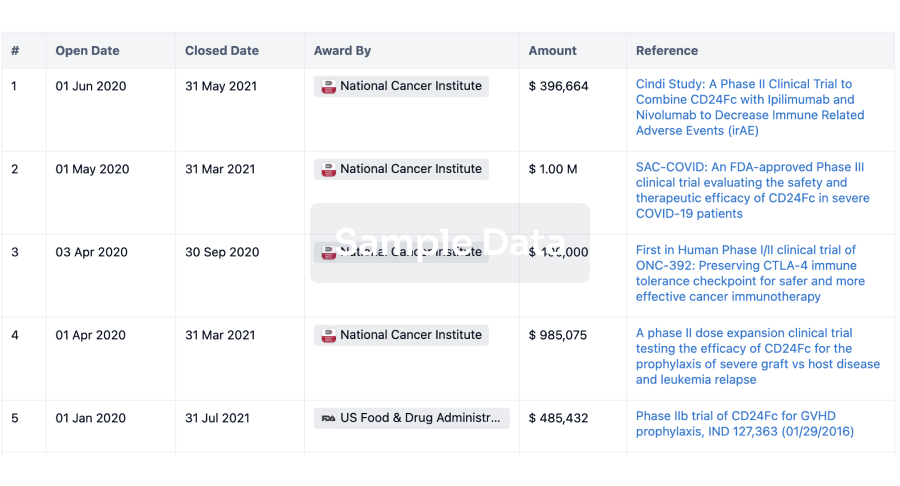
Grant & Funding(NIH)
Access more than 2 million grant and funding information to elevate your research journey.
login
or
Investment
Gain insights on the latest company investments from start-ups to established corporations.
login
or

Financing
Unearth financing trends to validate and advance investment opportunities.
login
or

AI Agents Built for Biopharma Breakthroughs
Accelerate discovery. Empower decisions. Transform outcomes.
Get started for free today!
Accelerate Strategic R&D decision making with Synapse, PatSnap’s AI-powered Connected Innovation Intelligence Platform Built for Life Sciences Professionals.
Start your data trial now!
Synapse data is also accessible to external entities via APIs or data packages. Empower better decisions with the latest in pharmaceutical intelligence.
Bio
Bio Sequences Search & Analysis
Sign up for free
Chemical
Chemical Structures Search & Analysis
Sign up for free