Request Demo
Last update 08 May 2025
Nelson Laboratories Bozeman LLC
Last update 08 May 2025
Overview
Related
NCT04703335
Pilot Clinical Trial - Comparative Study of Two Material Concentration of OD-141309 With Controls When Used as a Preoperative Skin Disinfection Preparation.

NCT04942496
A 96 Hour Patch Test Study Using Health Human Volunteers to Assess the Skin Irritation Potential of 11 Topically Applied Formulations
NCT04654182
Evaluation of the Residual Antimicrobial Efficacy of One Test Material Based on a Modification of ASTM E1115-11 Test Method
100 Clinical Results associated with Nelson Laboratories Bozeman LLC
Login to view more data
Login to view more data
29 Jan 2025Open Forum Infectious Diseases
P-324. Comparative Efficacy of Alcohol-Based Hand Rub vs. Hand Wash by an In Vivo Cross-Contamination Test Method
Author: Beausoleil, Christopher M ; Comstock, Cade ; Marsden, James ; Lyon, Steven A ; Schaffner, Donald W ; Buckley, David A ; Arbogast, James W
01 Sep 2024European Journal of Cancer
A randomized phase II trial of Captem or Folfiri as second-line therapy in neuroendocrine carcinomas
Article
Author: Liverani, Chiara ; Ranallo, Nicoletta ; Santini, Daniele ; Rudnas, Britt ; Gelsomino, Fabio ; Tamberi, Stefano ; Pusceddu, Sara ; Bergamo, Francesca ; Recine, Federica ; Berardi, Rossana ; Ibrahim, Toni ; Tebaldi, Michela ; Spada, Francesca ; Leo, Silvana ; Severi, Stefano ; Vanni, Silvia ; Crudi, Laura ; Marconcini, Riccardo ; Brizzi, Maria Pia ; Di Meglio, Giovanni ; Badalamenti, Giuseppe ; Pucci, Francesca ; Cives, Mauro ; Foca, Flavia ; Antonuzzo, Lorenzo ; Bongiovanni, Alberto ; Lolli, Ivan ; Nanni, Oriana ; Calabrò, Luana
01 Mar 2024European Journal of Cancer
AKT1, ERBB2, ESR1, KRAS, PIK3CA and TP53 alteration detection by a new ctDNA assay in plasma of patients with hormone receptor positive (HR+)/HER2- advanced Breast Cancer treated with hormonal therapy and CDK4/6 inhibitors
Author: Bravaccini, S. ; Gianni, C. ; De Giorgi, U. ; Maltoni, R. ; Virga, A. ; Martinelli, G. ; Ulivi, P. ; Merloni, F. ; Palleschi, M.
100 Deals associated with Nelson Laboratories Bozeman LLC
Login to view more data
100 Translational Medicine associated with Nelson Laboratories Bozeman LLC
Login to view more data
Corporation Tree
Boost your research with our corporation tree data.
login
or
Pipeline
Pipeline Snapshot as of 08 Dec 2025
No data posted
Login to keep update
Deal
Boost your decision using our deal data.
login
or
Translational Medicine
Boost your research with our translational medicine data.
login
or
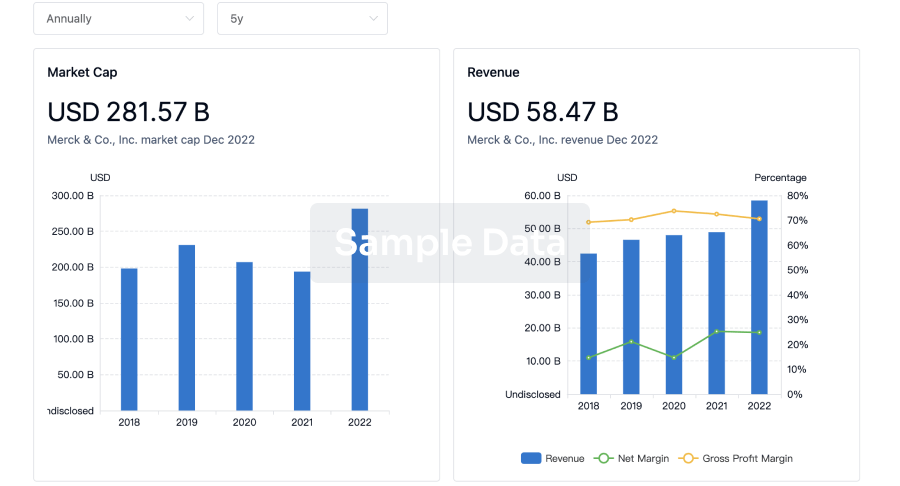
Profit
Explore the financial positions of over 360K organizations with Synapse.
login
or
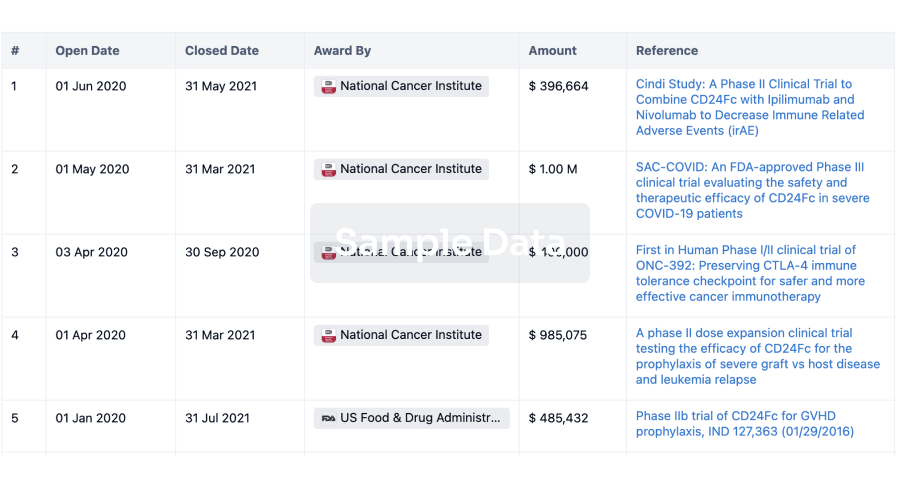
Grant & Funding(NIH)
Access more than 2 million grant and funding information to elevate your research journey.
login
or
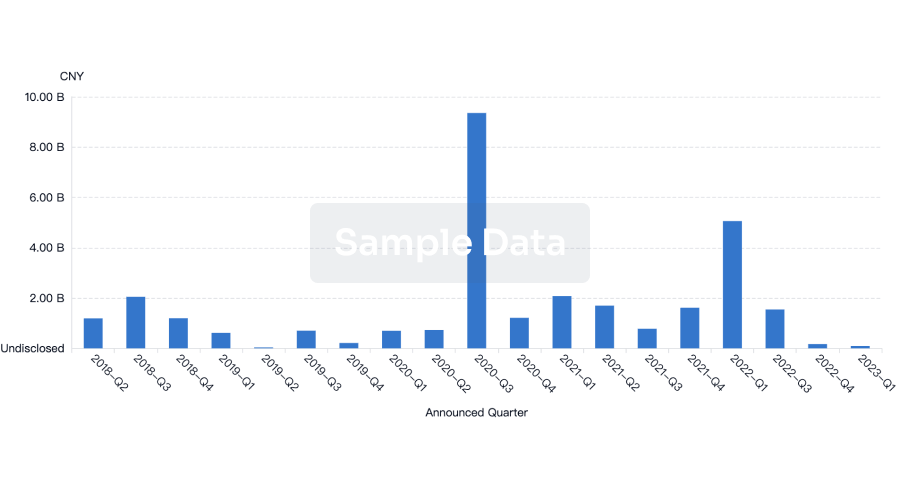
Investment
Gain insights on the latest company investments from start-ups to established corporations.
login
or
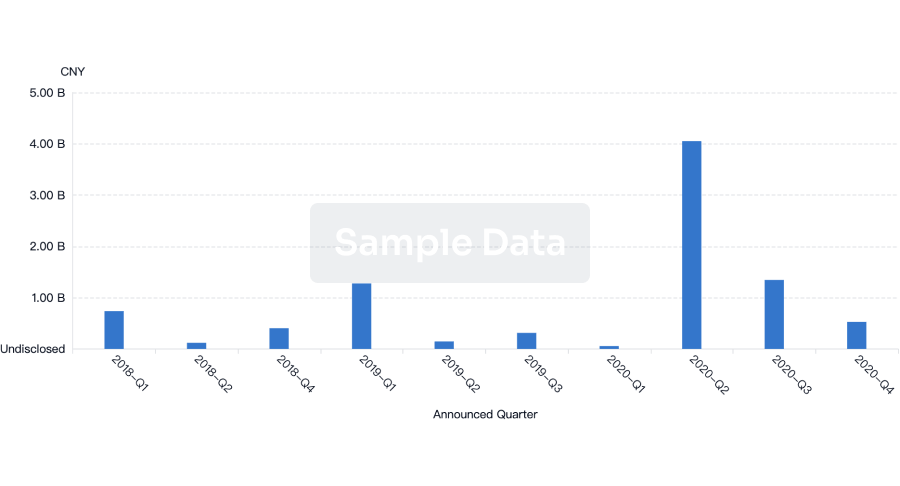
Financing
Unearth financing trends to validate and advance investment opportunities.
login
or
AI Agents Built for Biopharma Breakthroughs
Accelerate discovery. Empower decisions. Transform outcomes.
Get started for free today!
Accelerate Strategic R&D decision making with Synapse, PatSnap’s AI-powered Connected Innovation Intelligence Platform Built for Life Sciences Professionals.
Start your data trial now!
Synapse data is also accessible to external entities via APIs or data packages. Empower better decisions with the latest in pharmaceutical intelligence.
Bio
Bio Sequences Search & Analysis
Sign up for free
Chemical
Chemical Structures Search & Analysis
Sign up for free