Request Demo
Last update 03 Dec 2025
EGFR x Notch receptors
Last update 03 Dec 2025
Basic Info
Related Targets |
Related
100 Clinical Results associated with EGFR x Notch receptors
Login to view more data
100 Translational Medicine associated with EGFR x Notch receptors
Login to view more data
0 Patents (Medical) associated with EGFR x Notch receptors
Login to view more data
703
Literatures (Medical) associated with EGFR x Notch receptors01 Dec 2025·MOLECULAR BIOLOGY REPORTS
Assessing the role of Escherichia coli and Klebsiella pneumoniae in colorectal cancer oncogene expression: insights from microbial colonization phenotypes
Article
Author: Tayebi, Zahra ; Mortezaei Ferizhandy, Nazanin ; Sharif-Zak, Mohsen ; Sadeghi Mofrad, Sahar ; Davoody, Samin ; Azizmohammad Looha, Mehdi ; Houri, Hamidreza
BACKGROUND:
Colorectal cancer (CRC) remains a major global health burden, ranking as the third most prevalent malignancy and the second leading cause of cancer-related mortality. Its pathogenesis involves complex interactions between genetic, environmental, and lifestyle factors, with emerging evidence implicating the gut microbiome as a key contributor. Specific pathobionts, such as Escherichia coli and Klebsiella pneumoniae, have been linked to CRC progression due to their pro-inflammatory properties. This study investigated the association of E. coli and K. pneumoniae with CRC tissues and their influence on oncogenic gene expression, particularly within the TGF-β, Notch, Wnt/β-catenin, Rho GTPase, and EGFR/MAPK signaling pathways.
METHODS:
Using both culture and molecular-based methods, we analyzed 100 CRC patient biopsies from Taleghani Hospital, Tehran (July 2021-May 2023), assessing bacterial presence and the expression of 19 CRC-associated genes. Adhesion and invasion capabilities of isolates were evaluated in Caco-2 cells.
RESULTS:
While clinical parameters (e.g., age, survival, tumor stage) did not differ significantly between bacterial groups, gene expression analysis revealed elevated FOLH1 and MAP2K1 in adhesive-invasive K. pneumoniae isolates and increased FOLH1 in E. coli-positive samples. Tumor stage- and site-specific variations were observed, such as heightened ANXA3 expression in Stage I tumors harboring K. pneumoniae. Principal component analysis (PCA) demonstrated overlapping oncogenic profiles, suggesting complex, context-dependent microbial influences.
CONCLUSIONS:
Our findings indicate that E. coli and K. pneumoniae may exert nuanced, tumor-specific effects on oncogenic pathways, potentially mediated more by chronic inflammation than direct gene dysregulation. Further studies employing single-cell RNA sequencing are warranted to elucidate these interactions and their translational potential for CRC diagnostics and therapeutics.
01 Sep 2025·COMBINATORIAL CHEMISTRY & HIGH THROUGHPUT SCREENING
Mutation Mapping of PD-L1 Expression in Advanced Non-small Cell Lung Cancer: A Real-world Retrospective Cohort Study
Article
Author: Ma, Qing ; Zhong, Diansheng ; Hao, Fang
Background::
The duration of response to immune checkpoint inhibitors (ICIs) varies
because of tumor immune heterogeneity, and employing programmed death receptor ligand 1
(PD-L1) expression to evaluate the efficacy of anti-programmed cell death-1 (PD-1)/PD-L1 antibodies
remains controversial.
Method::
A total of 138 advanced non-small cell lung cancer (NSCLC) patients were subdivided
into 2 groups - 52 patients with a PD-L1 Expression≥50% and 86 patients with a PD-L1 Expression
<50% - based on next-generation sequencing (NGS) to analyze multiple-dimensional data
types, including tumor mutation burden (TMB), gene alterations, gene enrichment analysis, therapy
response, and immune-related adverse events (irAEs).
Results::
High levels of PD-L1 expression were significantly associated with advanced age and
TMB status. The PD-L1≥50% cohort presented mutations of KRAS, NOTCH1, and FAT, while
the PD-L1<50% group exhibited mutations of EGFR, PTEN, or LATS1/2. Except for the ascertained
DNA damage response regulation. Even though there was no significant difference between
PD-L1≥50% and PD-L1<50% cohorts on therapy response, patients with a PD-L1 Expression≥
50% elicited a high irAEs incidence rate and increased plasma interleukin 6 (IL-6) concentration.
Conclusion::
This real-world retrospective study suggested that high expression of PD-L1 exhibited
inappropriate activation of different pathways and collaborated with anti-cytokines and
chemokines therapy may optimize clinical therapy efficacy.
01 Sep 2025·Food Science & Nutrition
Thymol and Carvacrol: Molecular Mechanisms, Therapeutic Potential, and Synergy With Conventional Therapies in Cancer Management
Review
Author: Hussain, Muzzamal ; Zafar, Shehnshah ; Al Jbawi, Entessar ; Noman, Ahmad Mujtaba ; Al Abdulmonem, Waleed ; Khan, Muhammad Asif ; Hussain, Muhammad Tajammal ; Mujtaba, Ahmed ; Mazhar, Aimen ; Alsagaby, Suliman A. ; Imran, Muhammad ; Sultan, Muhammad Tauseef ; Maaz, Muhammad
ABSTRACT:
Monoterpenes like thymol and carvacrol are recognized for their anti‐inflammatory and anticancer properties, predominantly found in the
Lamiaceae
family, particularly in
Thymus
species, but also present in
Verbenaceae, Scrophulariaceae, Ranunculaceae,
and
Apiaceae
families. This review explores their anticancer potential, molecular mechanisms, and synergism with other cancer therapies. The data was collected by using several keywords and MeSH terms, and data from Google Scholar, PubMed, Scopus, and Web of Science indicate that thymol and carvacrol modulate key signaling pathways, including MAPK/ERK, PI3K/AKT, Wnt/β‐catenin, JAK/STAT, HH/GLI, and NF‐κB. They upregulate pro‐apoptotic genes (
Bax
,
Bak
,
Bid
,
p53
, and
SIVA
) while downregulating anti‐apoptotic genes (
Bcl‐2
,
Bcl‐xL
,
XIAP
, and
cIAP1
), leading to apoptosis and cell cycle arrest at G0/G1 and G2/M phases. Thymol derivatives, such as 1,2,3‐triazoles and carvacrol, effectively target breast cancer (BC) through PI3K/AKT/mTOR and NOTCH pathways and inhibit
PIK3CA
expression. In lung cancer (LC), they act as SphK1 inhibitors in NSCLC H1299 and A549 cell lines. Additionally, thymol exhibits anti‐EGFR activity, while carvacrol modulates the HIF‐1α/VEGF pathway, making them potential candidates for colorectal cancer (CRC) management. In vitro studies confirm their efficacy against multiple cancer cell lines (MCF‐7, HT‐29, HeLa, PC‐3, HepG2, HL‐60), while in vivo animal models highlight their antiproliferative and antitumor effects. Their synergistic potential with chemotherapy, radiotherapy, and other bioactive compounds strengthens their therapeutic promise. However, challenges such as stability, bioavailability, and the need for clinical trials hinder their clinical application. This review is the first to comprehensively report thymol and carvacrol in a single study, offering new insights into their anticancer potential.
2
News (Medical) associated with EGFR x Notch receptors29 Apr 2025
CHICAGO--(BUSINESS WIRE)--Cellworks Group Inc., a leader in Personalized Therapy Decision Support and Best-in-Class PTRS, today announced compelling results from a new study demonstrating the ability of the Cellworks Platform to identify patients with high microsatellite instability (MSI-H) who may not respond to immune checkpoint inhibitors (ICIs), despite MSI-H status. Results from the study were showcased in a poster presentation titled, Use of Biosimulation to Predict Immune Checkpoint Inhibitor Resistance in Patients with High Microsatellite Instability as part of the AACR Annual Meeting 2025 taking place April 25-30, 2025 at the McCormick Place Convention Center in Chicago.
While immune checkpoint inhibitors (ICIs) such as pembrolizumab are considered a standard-of-care for MSI-H cancers, MSI-H status alone is not a definitive predictor of treatment success. In this study, Cellworks applied its unique mechanistic Computational Biology Model (CBM) to biosimulate patient-specific responses to ICIs. The computational biosimulation process in the study uncovered molecular signatures of resistance in MSI-H patients who were predicted to have poor response to ICIs, providing a deeper understanding of why some MSI-H patients fail to benefit from immunotherapy.
Key Findings
Efficacy Scores Significantly Higher in MSI-H Patients. MSI-H patients demonstrated significantly higher pembrolizumab efficacy scores compared to microsatellite stable (MSS) patients in both STAD (average ES: 20.5 vs. 3.2, p < 0.001) and CRC (average ES: 13.4 vs. 2.4, p < 0.001).
Large Subset of MSI-H Patients Predicted to Have Low ICI Response. Despite being MSI-H, 59% of STAD and 81% of CRC patients were identified as low pembrolizumab responders.
Molecular Drivers of Resistance Identified. In MSI-H patients classified as low pembrolizumab responders, higher rates of NOTCH2, EGFR, and EZH2 amplifications, along with TP53 loss-of-function mutations, were identified. In MSI-H/ES-L CRC patients, MYC amplification was significantly enriched ( p < 0.05).
“These findings highlight the power of using patient-specific drug response methods to move beyond MSI-H status and identify critical molecular drivers of immune checkpoint inhibitor resistance,” said Dr. James Wingrove, Chief Development Officer at Cellworks and presenting author of the study. “By identifying patients unlikely to respond to ICIs, we can help oncologists personalize treatment strategies and improve outcomes for MSI-H patients who may otherwise receive ineffective therapies.”
“This study demonstrates the importance of looking beyond MSI status to understand immune checkpoint inhibitor resistance at a molecular level,” said Dr. Michael Castro, Chief Medical Officer at Cellworks. “Our biosimulation revealed that MSI-H patients with low predicted response to pembrolizumab frequently harbored alterations such as NOTCH2, EGFR, and EZH2 amplifications, as well as TP53 loss-of-function mutations in STAD, and MYC amplifications in CRC. Identifying these resistance-associated biomarkers can help guide clinicians in selecting more effective, personalized treatment strategies for MSI-H patients who may not benefit from ICIs alone.”
Study Design
Cellworks developed a mechanistic Computational Biology Model (CBM) that can be personalized based on a patient’s tumor-based genomic profile, revealing signaling pathway dysregulation and patient-specific drug response. Output from the model was used to identify MSI-H patients who may have a poorer response to ICIs. Computational biosimulation was performed using real-world retrospective cohorts of 423 STAD patients and 534 CRC patients (TCGA). MSI measurements were provided by TCGA. Efficacy scores based on biosimulated composite cell growth in response to disease and therapy were generated on all patients for pembrolizumab. Molecular rationales for ICI resistance were identified for MSI-H patients with low pembrolizumab efficacy scores.
The Cellworks Platform
The Cellworks Platform performs computational biosimulation of protein-protein interactions, enabling in silico modeling of tumor behavior using comprehensive genomic data. This allows for the evaluation of how personalized treatment strategies interact with the patient’s unique tumor network. Multi-omic data from an individual patient or cohort is used as input to the in silico Cellworks Computational Biology Model (CBM) to generate a personalized or cohort-specific disease model.
The CBM is a highly curated mechanistic network of 6,000+ human genes, 30,000 molecular species and 600,000 molecular interactions. This model along with associated drug models are used to biosimulate the impact of specific compounds or combinations of drugs on the patient or cohort and produce therapy response predictions, which are statistically modeled to produce a qualitative therapy response score for a specific therapy. The Cellworks CBM has been tested and applied against various clinical datasets with results provided in over 125 presentations and publications with global collaborators.
About Cellworks Group
Cellworks Group, Inc. is a leader in Personalized Therapy Decision Support and Precision Drug Development. The Cellworks Platform predicts therapy response for individual patients and patient cohorts using a breakthrough Computational Biology Model (CBM) and biosimulation technology. Backed by Artiman Ventures, Bering Capital, Sequoia Capital, UnitedHealth Group and Agilent Ventures, Cellworks has the world’s strongest trans-disciplinary team of molecular biologists, cellular pathway modelers and software engineers working toward a common goal – attacking serious diseases to improve the lives of patients. The company is based in South San Francisco, California with a CLIA-certified computational laboratory in Franklin, Tennessee and a research and development facility in Bangalore, India. For more information, visit www.cellworks.life.
All trademarks and registered trademarks in this document are the properties of their respective owners.
ImmunotherapyAACRCell Therapy
25 Jul 2017
July 25, 2017
By
Mark Terry
, BioSpace.com Breaking News Staff
Indianapolis-based
Eli Lilly and Co
reported
an increase of 8 percent in quarterly revenue, but the real shake-up is what the company plans to do with its pipeline.
The company reported second-quarter revenue of $5.8 billion, up from $5.4 billion in the same quarter last year.
David Ricks
, Lilly’s chairman, president and chief executive officer, said in a statement, “Lilly delivered strong revenue growth in the second quarter, building on the momentum of Trulicity, Taltz and the other new products in our portfolio. To deliver on our mission and maximize our opportunity, we have four key priorities—launching with excellence, replenishing the pipeline, driving productivity, and building talent and capability in our core areas of focus.”
Lilly has developed a new framework for decision-making. In a statement, the company said, “Lilly will pursue new standard-of-care changing therapies that target tumor dependencies in molecularly enriched populations, build rational combinations that overcome resistance and develop next-generation immunotherapies.”
As a result, while the company is prioritizing the development of seven drug candidates, one already being reviewed by the
U.S. Food and Drug Administration (FDA)
, it is looking to rid itself of seven Phase II candidates and hoping to partner for another 10 of its mid-stage cancer drugs.
The company indicates it plans to unload the following compounds:
• Galunesertib, an inhibitor of TGF beta R1 kinase
• Ralimetinib, a p38 MAP kinase inhibitor
• Emibetuzumab, a MET antibody
• A notch Inhibitor
• A FGFR inhibitor
• A CXCR4 peptide antagonist
• A FGFR-3 antibody-drug conjugate
In April, the FDA rejected Lilly and
Incyte Corporation
’s New Drug Application (NDA) for baricitinib for rheumatoid arthritis. The FDA requested additional materials, and Lilly and Incyte
indicated
today that the resubmission will be delayed by at least 18 months while they evaluate their options. The FDA issued a Complete Response Letter and asked for additional clinical data around the most appropriate dose, as well as more information about safety concerns.
“We are disappointed that resubmission will not occur this year,” said
Christi Shaw
, president of
Lilly Bio-Medicines
, in a statement, “but are committed to bringing baricitinib to people with RA and we will work with the FDA on the path forward.”
In a note to investors,
Jeffrey Holford
, an analyst with
Jefferies
, wrote, “Management’s announcement today that the new studies required will take a minimum of 18 months to conduct is more in line with our refiling timeline of 2019, though even that may be too optimistic. In addition, the association with the potential risk of increased thromboembolic events may impair the future commercial value of the product, whilst favoring new entrants, such as
AbbVie
’s upadacitinib.”
On the more positive front, the FDA granted Lilly’s abemaciclib Priority Review for two indications—abemaciclib monotherapy for patients with hormone-receptor-positive (HR+), human epidermal growth factor receptor 2-negative (HER2-) advanced breast cancer who had prior endocrine therapy and chemotherapy for metastatic disease, and abemaciclib in combination with fulvestrant in patients with HR+, HER2- advanced breast cancer who had disease progression after endocrine therapy. The FDA also granted Fast Track status for tanezumab for chronic patient in patients with osteoarthritis and chronic low back pain. And Japan’s
Ministry of Health, Labor and Welfare
granted marketing approval for Olumiant (baricitinib) 2-mg and 4-mg for rheumatoid arthritis.
Priority ReviewDrug ApprovalImmunotherapyFast TrackAccelerated Approval
Analysis
Perform a panoramic analysis of this field.
login
or
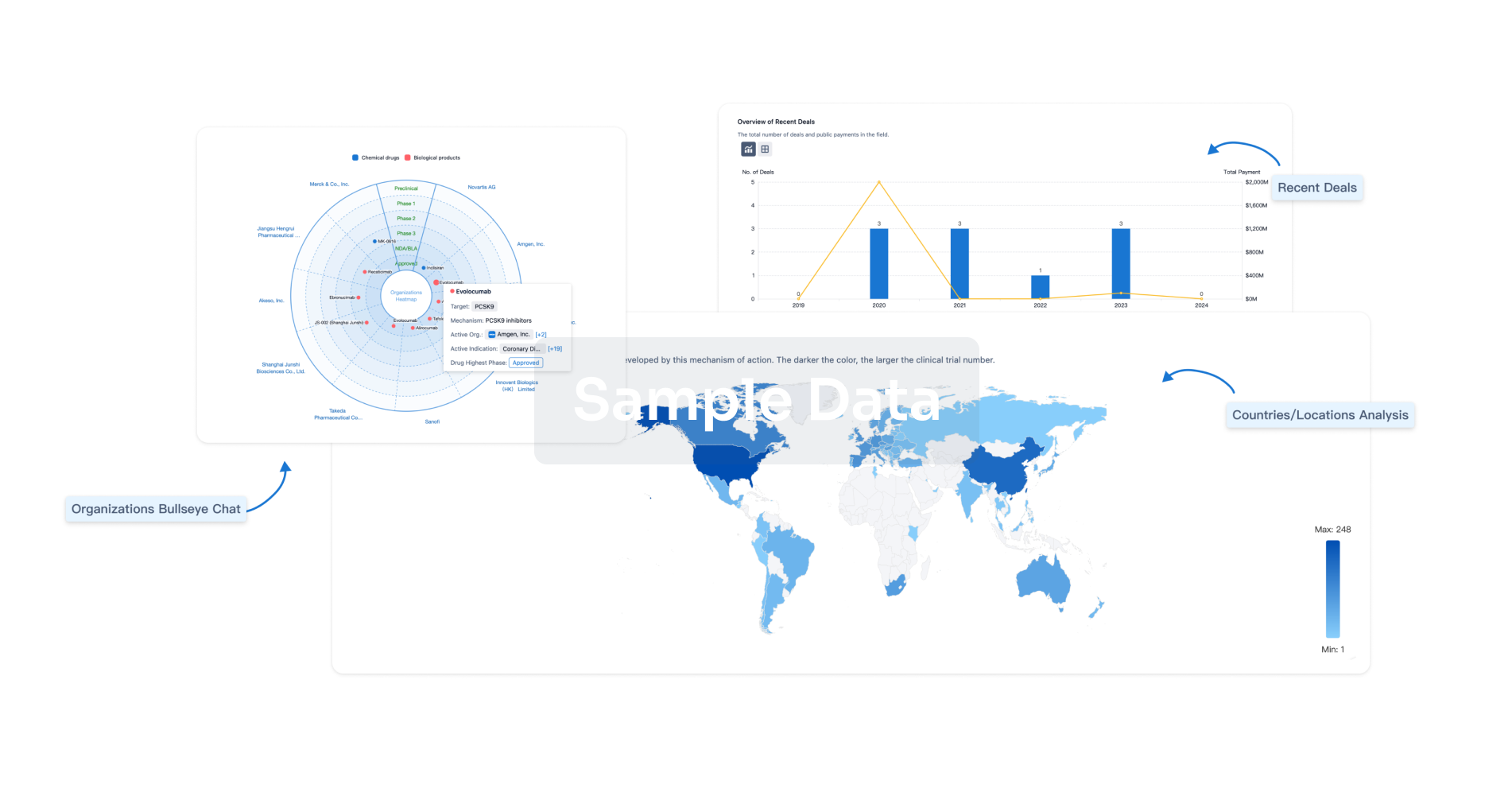
AI Agents Built for Biopharma Breakthroughs
Accelerate discovery. Empower decisions. Transform outcomes.
Get started for free today!
Accelerate Strategic R&D decision making with Synapse, PatSnap’s AI-powered Connected Innovation Intelligence Platform Built for Life Sciences Professionals.
Start your data trial now!
Synapse data is also accessible to external entities via APIs or data packages. Empower better decisions with the latest in pharmaceutical intelligence.
Bio
Bio Sequences Search & Analysis
Sign up for free
Chemical
Chemical Structures Search & Analysis
Sign up for free