Advancements in Fertility Treatment: The Emergence of a Novel Long-Acting Recombinant FSH Agonist
The study conducted experiments to produce KN015 using Chinese hamster ovary cells and then evaluated its pharmacokinetics in rats and monkeys. The purity and molecular weight were determined through gel electrophoresis, and the half-life was measured by collecting serum samples at various times and analyzing the remaining FSH concentration.
In vitro tests were performed to compare the bioactivity of KN015 with rhFSH. This included assessing cAMP production in CHO cells with FSH receptors and observing the effects on cumulus oocyte complexes in mice. The in vivo activity was compared by measuring ovary weight gain and ovulation rates in rats.
The results showed that KN015 has a molecular weight of 82 kD and a significantly longer half-life than rhFSH, with 84 hours in rats and 215 hours in monkeys. It was also found to be more effective in stimulating ovary weight gain and had a higher serum estradiol level compared to rhFSH. Furthermore, KN015 induced target genes and activated the PI3K pathway more effectively than rhFSH.
However, the study acknowledges that all assays were conducted in animals, and clinical trials are necessary to determine the applicability to humans. The research was funded by the National Basic Research Program of China and the National Natural Science Foundation of China, with no conflicts of interest reported by the authors. KN015 is considered a valuable alternative to FSH with significant potential for therapeutic use.
How to Use Synapse Database to Search and Analyze Translational Medicine Data?
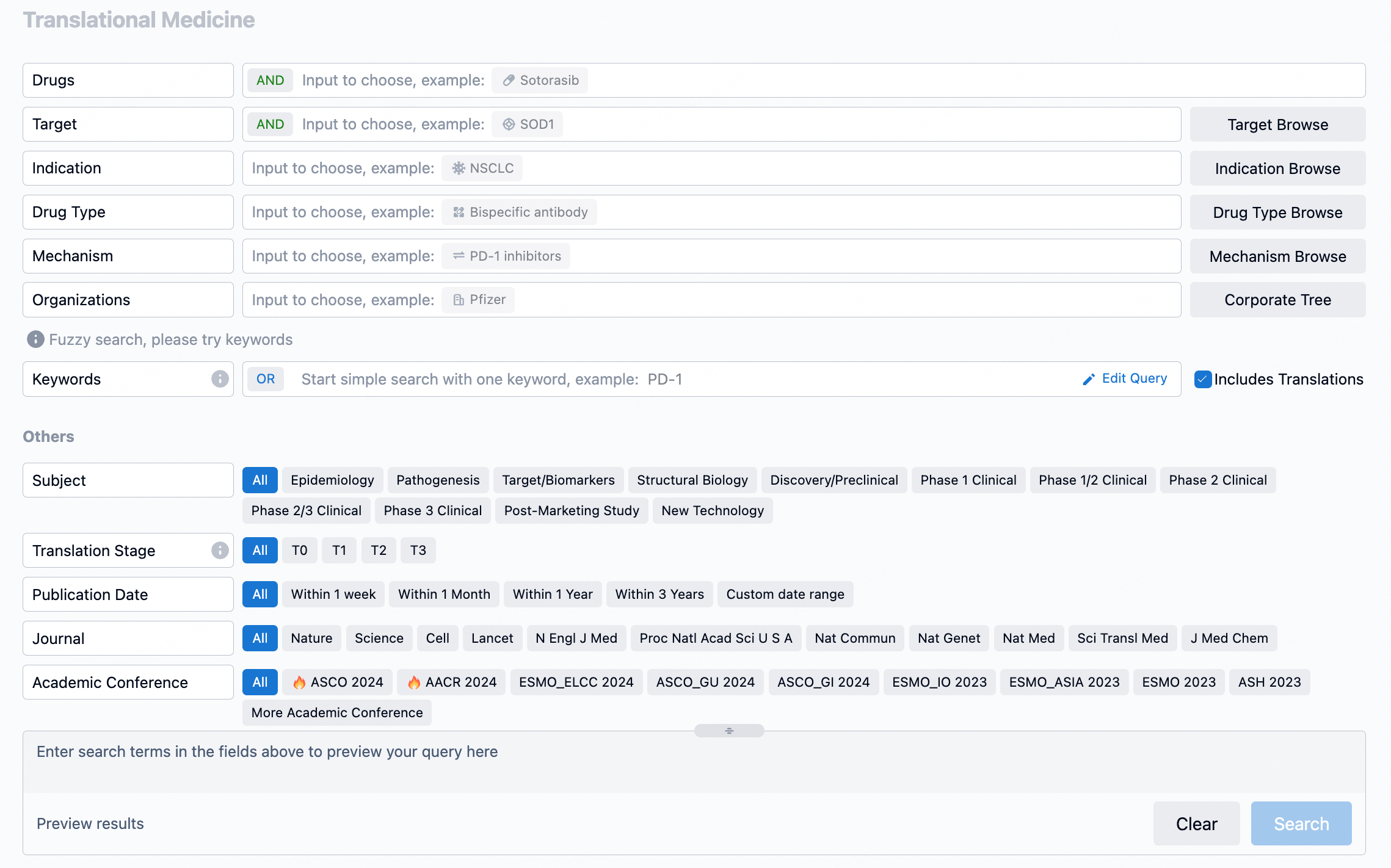
The transational medicine section of the Synapse database supports searches based on fields such as drug, target, and indication, covering the T0-T3 stages of translation. Additionally, it offers a historical conference search function as well as filtering options, view modes, translation services, and highlights summaries, providing you with a unique search experience.
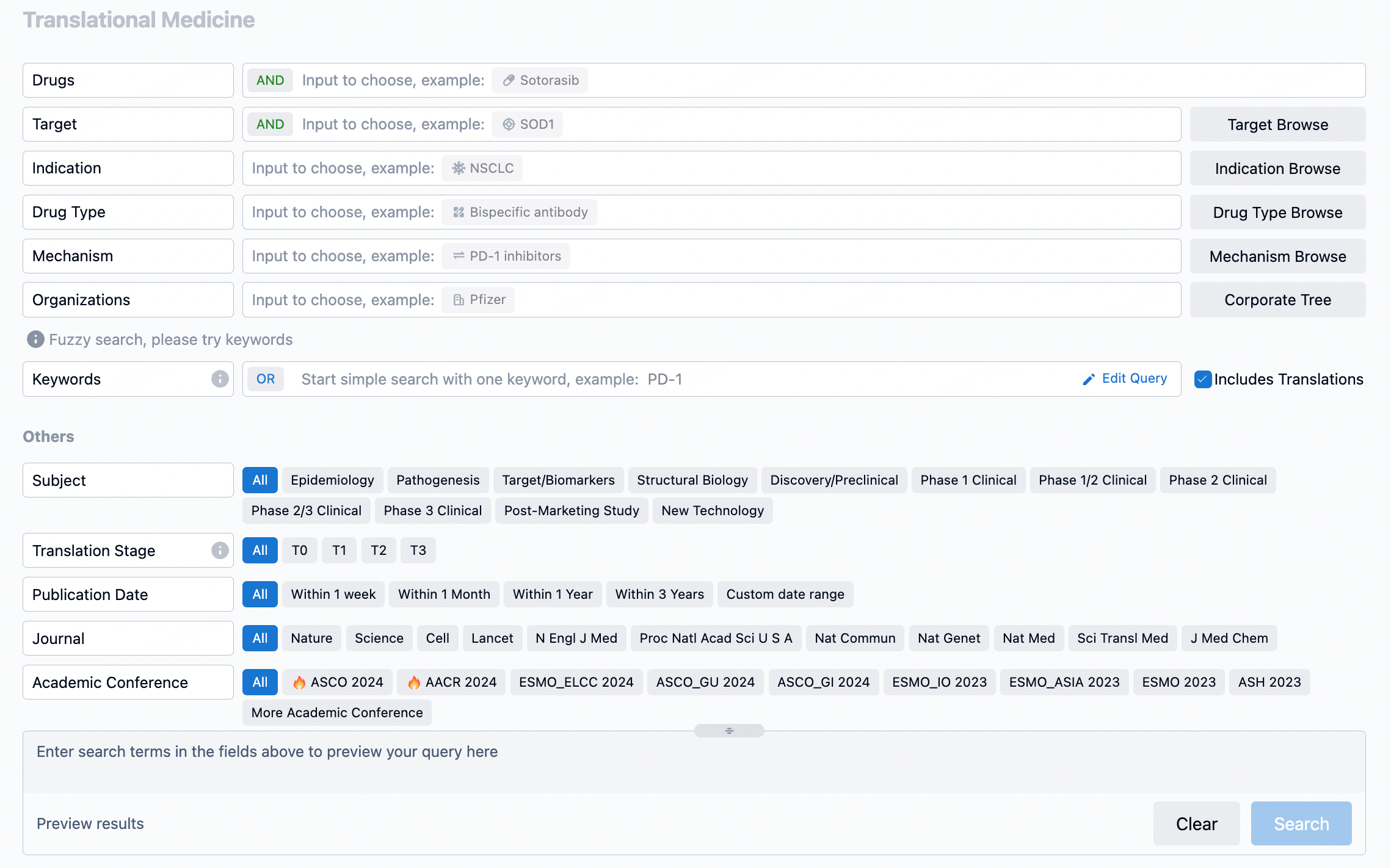
Taking obesity as an example, select "obesity" under the indication category and click search to enter the Translational Medicine results list page. By clicking on the title, you can directly navigate to the original page.
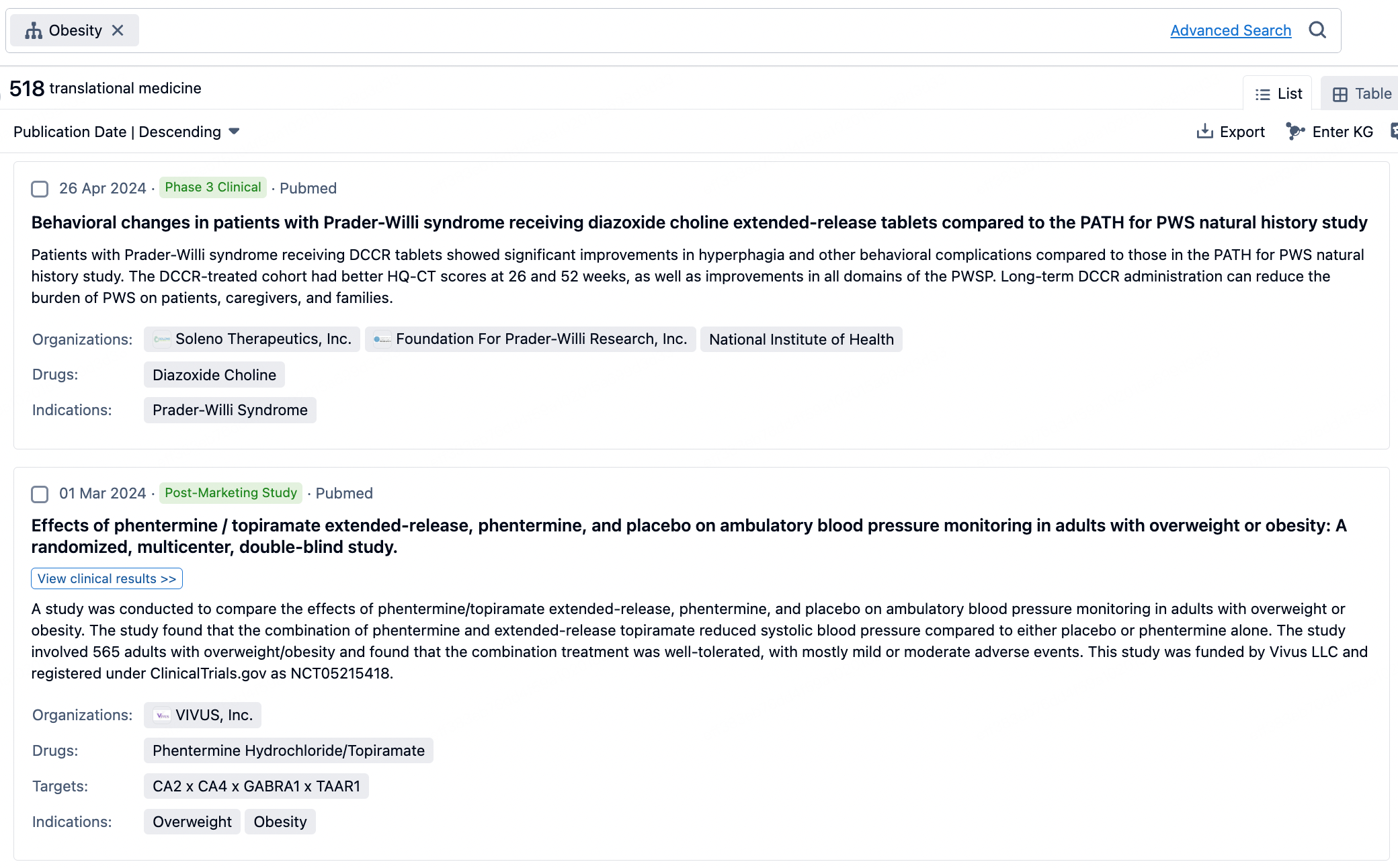
By clicking the analysis button, you can observe that GLP-1R treatment for obesity has gained significant attention over the past three years, with preclinical research still ongoing in 2023. Additionally, there are emerging potential targets, such as GDF15, among others.
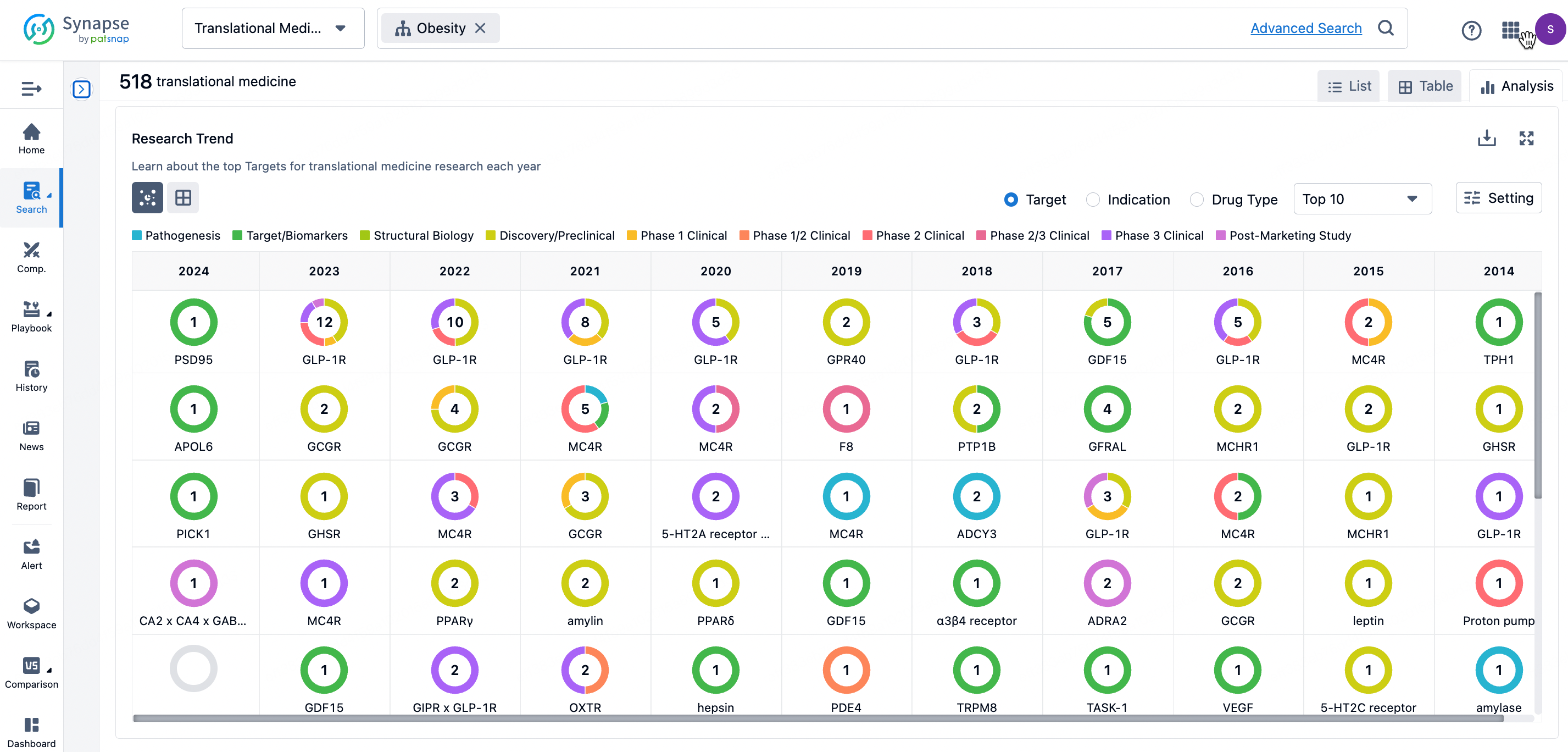
Click on the image below to go directly to the Translational Medicine search interface.