Advancements in Targeted Therapy: The Development of a Selective FGFR4 Inhibitor for Hepatocellular Carcinoma
A new compound, ABSK-011, has been developed through computational structural analysis and medicinal chemistry. It is a small molecule that selectively inhibits FGFR4 and has shown significant anti-tumor effects in HCC model systems. The compound has been tested for its inhibitory effects on FGFR4 enzymatic and cellular activities using biochemical assays and has demonstrated high selectivity against other FGFR family members through various profiling techniques.
Pharmacokinetic studies of ABSK-011 have been conducted in multiple animal species, and its efficacy has been evaluated in two HCC xenograft models. The compound has shown to irreversibly bind to a specific residue in FGFR4, leading to its high selectivity and potency, with an IC50 value less than 10 nM. It also exhibits a significant selectivity advantage over other receptor tyrosine kinases.
In vivo studies have revealed that ABSK-011 has a favorable pharmacokinetic profile and effectively inhibits tumor growth in a dose-dependent manner. The compound's impact on tumor growth correlates well with the inhibition of FGFR4 signaling. Preliminary safety assessments indicate that ABSK-011 does not affect CYP family members or hERG channels.
Abbisko Therapeutics has presented ABSK-011 as a potent and selective FGFR4 inhibitor suitable for oral administration. Its comprehensive profile suggests that it is a promising candidate for accelerated preclinical development. The findings were presented at the American Association for Cancer Research Annual Meeting in 2018.
How to Use Synapse Database to Search and Analyze Translational Medicine Data?
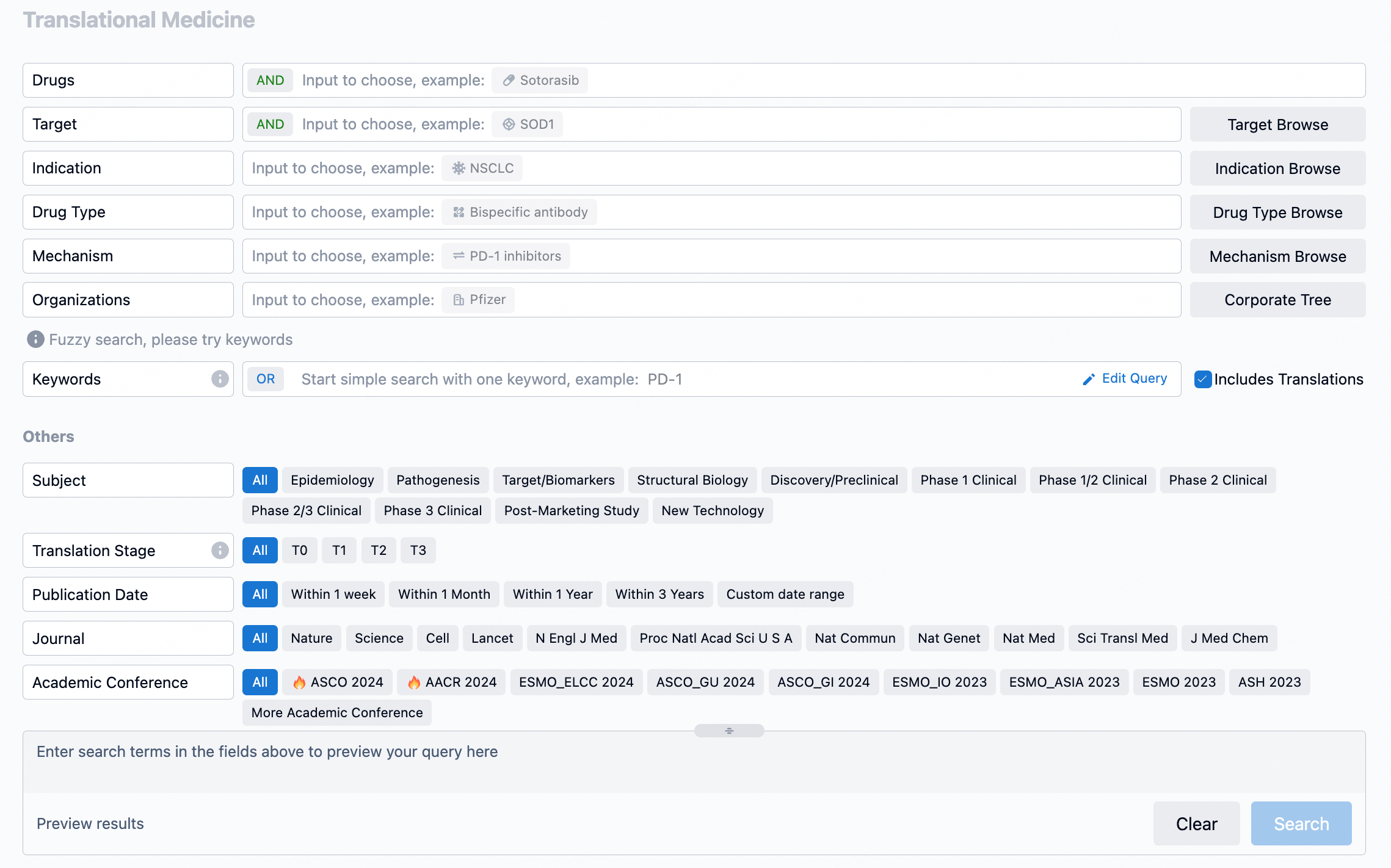
The transational medicine section of the Synapse database supports searches based on fields such as drug, target, and indication, covering the T0-T3 stages of translation. Additionally, it offers a historical conference search function as well as filtering options, view modes, translation services, and highlights summaries, providing you with a unique search experience.
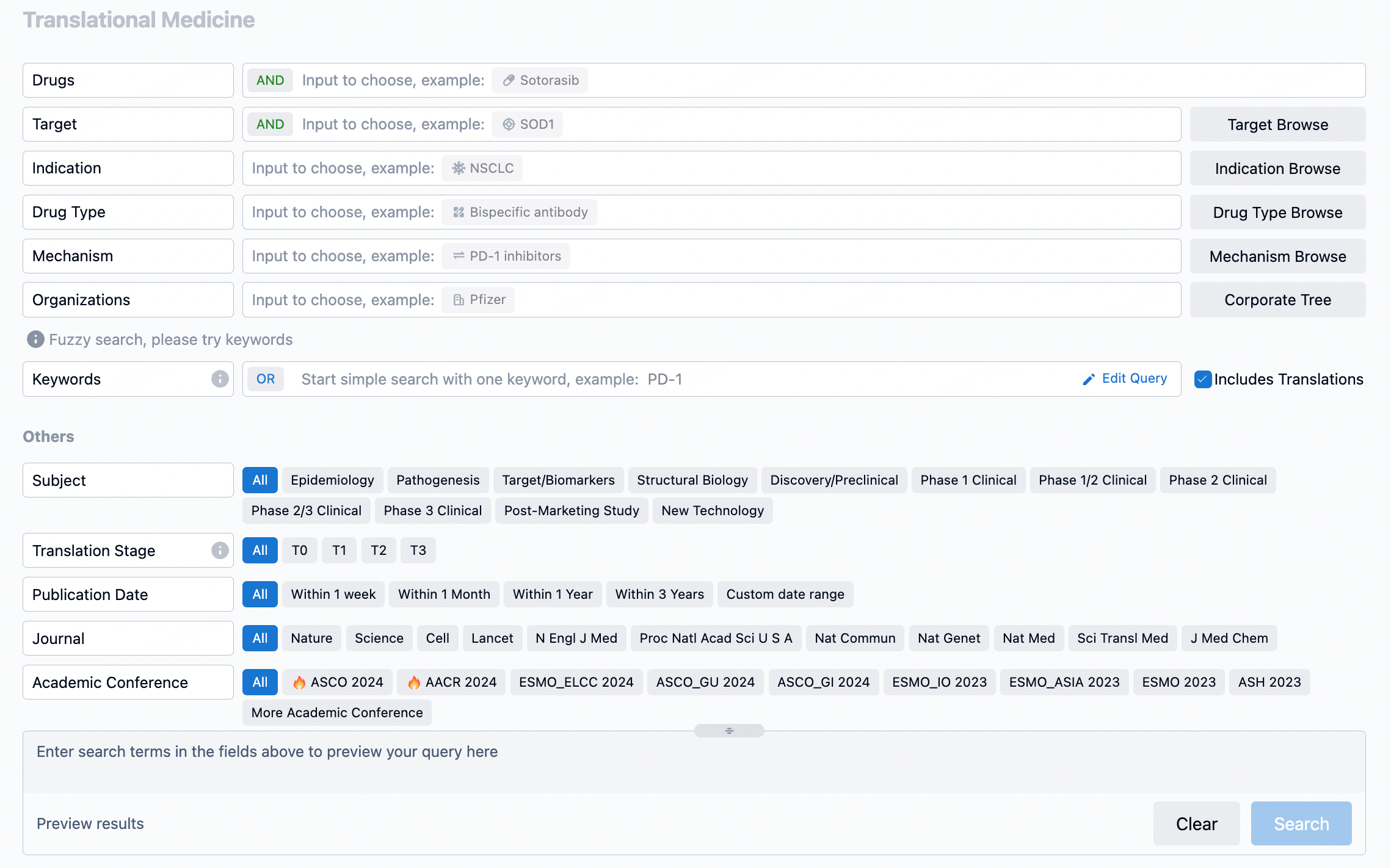
Taking obesity as an example, select "obesity" under the indication category and click search to enter the Translational Medicine results list page. By clicking on the title, you can directly navigate to the original page.
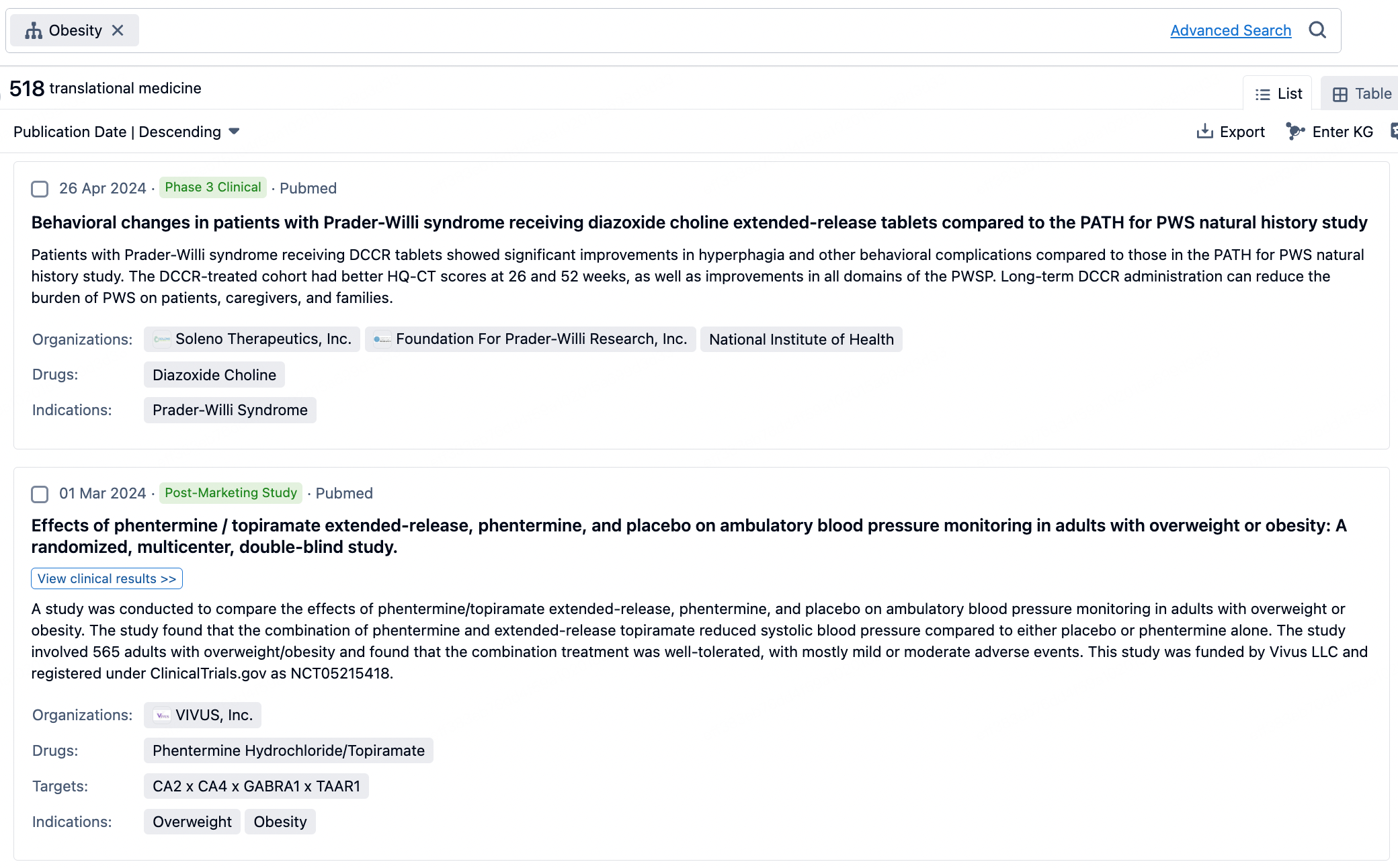
By clicking the analysis button, you can observe that GLP-1R treatment for obesity has gained significant attention over the past three years, with preclinical research still ongoing in 2023. Additionally, there are emerging potential targets, such as GDF15, among others.
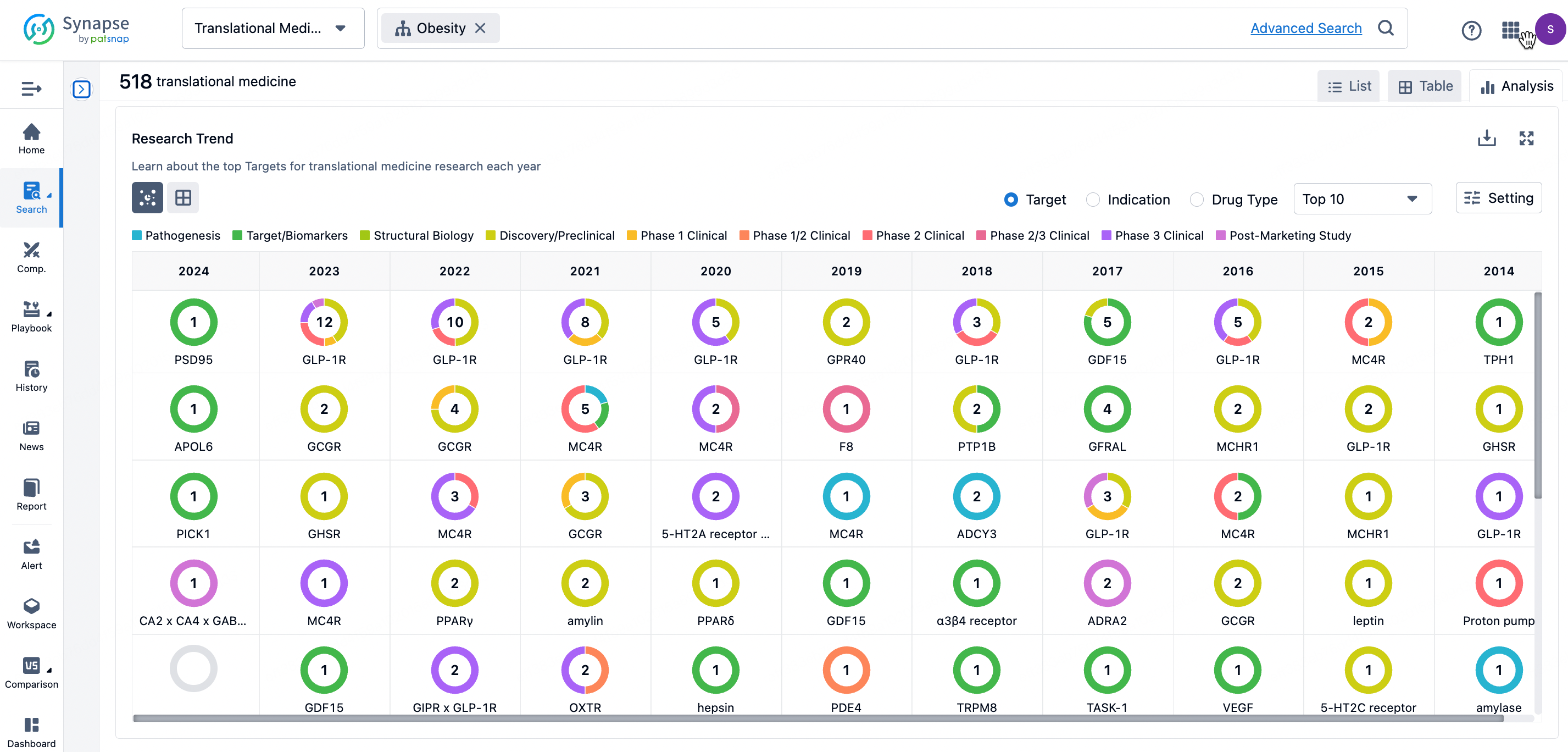
Click on the image below to go directly to the Translational Medicine search interface.