Comparative Efficacy of NSC-801845, T-dCyd, and aza-T-dCyd in Preclinical Cancer Models: Insights from Cell Culture and Xenograft Studies
Two cytidine analogs, T-dCyd and aza-T-dCyd, are known to deplete DNMT1 in cancer cells and are currently in Phase I clinical trials. NSC-801845, another novel cytidine analog, has been evaluated alongside T-dCyd and aza-T-dCyd in various cancer cell lines and mouse xenograft models, including colon, bladder, ovarian, lung, and leukemia cancers.
In a 7-day cell culture experiment, NSC-801845 displayed higher potency than T-dCyd but lower than aza-T-dCyd, with IC50 values ranging from 3.7 µM to 0.2 µM. In xenograft studies, T-dCyd showed the least effectiveness. NSC-801845 outperformed aza-T-dCyd in three of five xenograft models, with complete tumor regression observed in HCT-116 colon carcinoma and HL-60 leukemia xenograft models after specific dosing regimens. In the BL-0382 bladder carcinoma study, NSC-801845 induced tumor regression with regrowth observed 13 days post dosing.
The research was funded by the NCI, NIH, and followed ethical guidelines for animal care and use, with studies conducted on an Institutional Animal Care and Use Committee approved protocol.
The findings suggest that NSC-801845 is a promising cytidine analog with potential antitumor effects, warranting further investigation in preclinical models, and may offer a new therapeutic strategy for various cancer types.
How to Use Synapse Database to Search and Analyze Translational Medicine Data?
The transational medicine section of the Synapse database supports searches based on fields such as drug, target, and indication, covering the T0-T3 stages of translation. Additionally, it offers a historical conference search function as well as filtering options, view modes, translation services, and highlights summaries, providing you with a unique search experience.
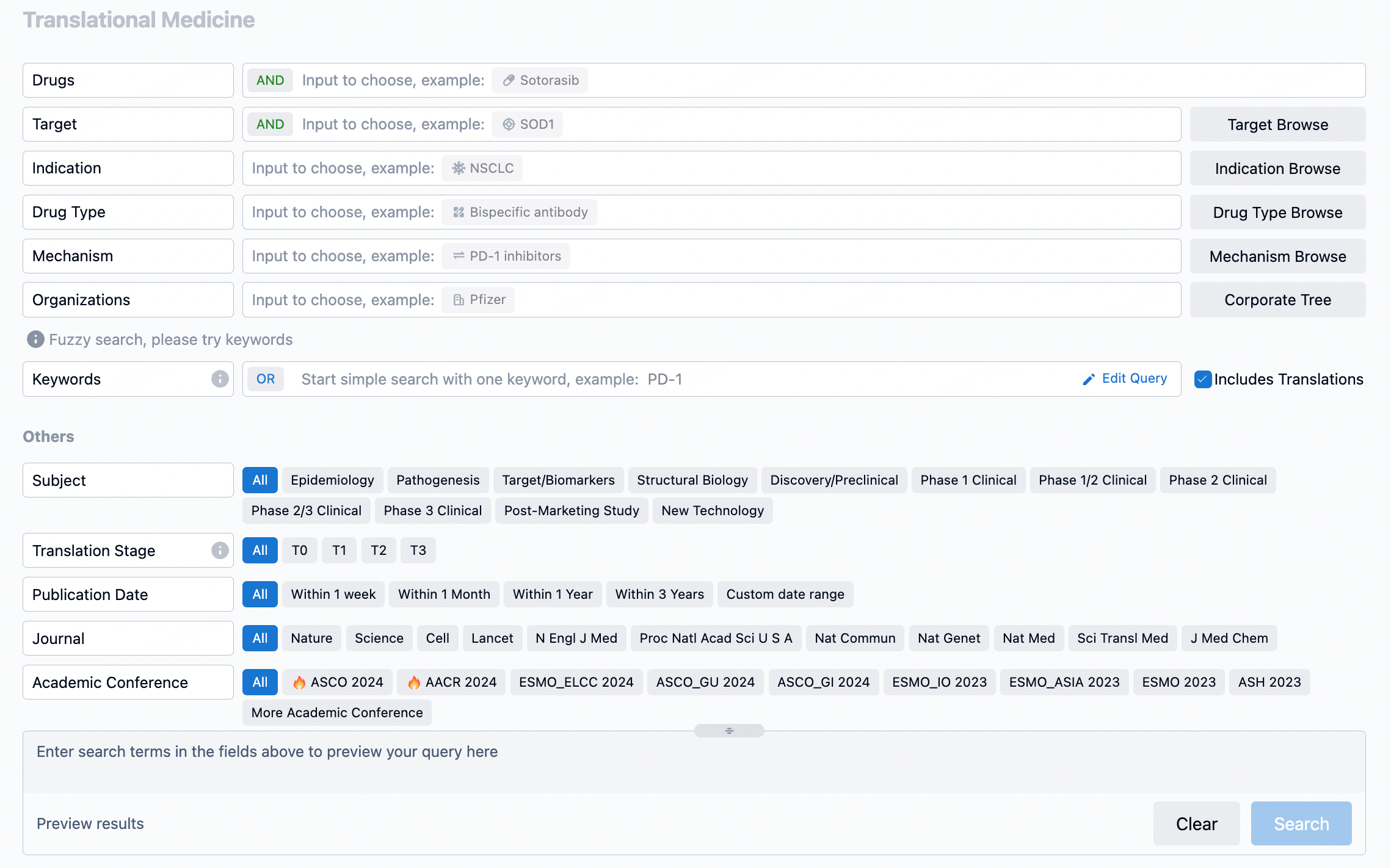
Taking obesity as an example, select "obesity" under the indication category and click search to enter the Translational Medicine results list page. By clicking on the title, you can directly navigate to the original page.
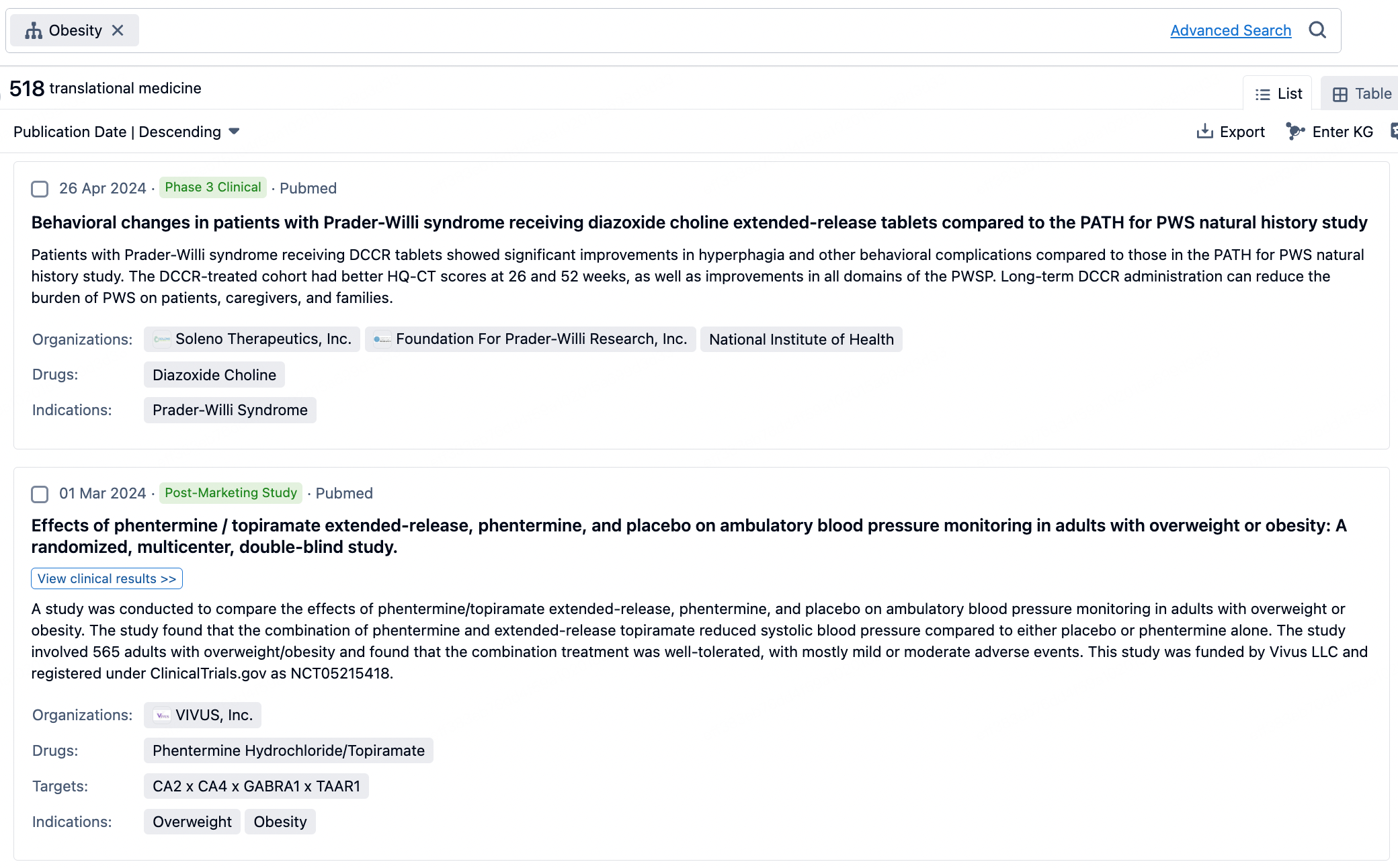
By clicking the analysis button, you can observe that GLP-1R treatment for obesity has gained significant attention over the past three years, with preclinical research still ongoing in 2023. Additionally, there are emerging potential targets, such as GDF15, among others.
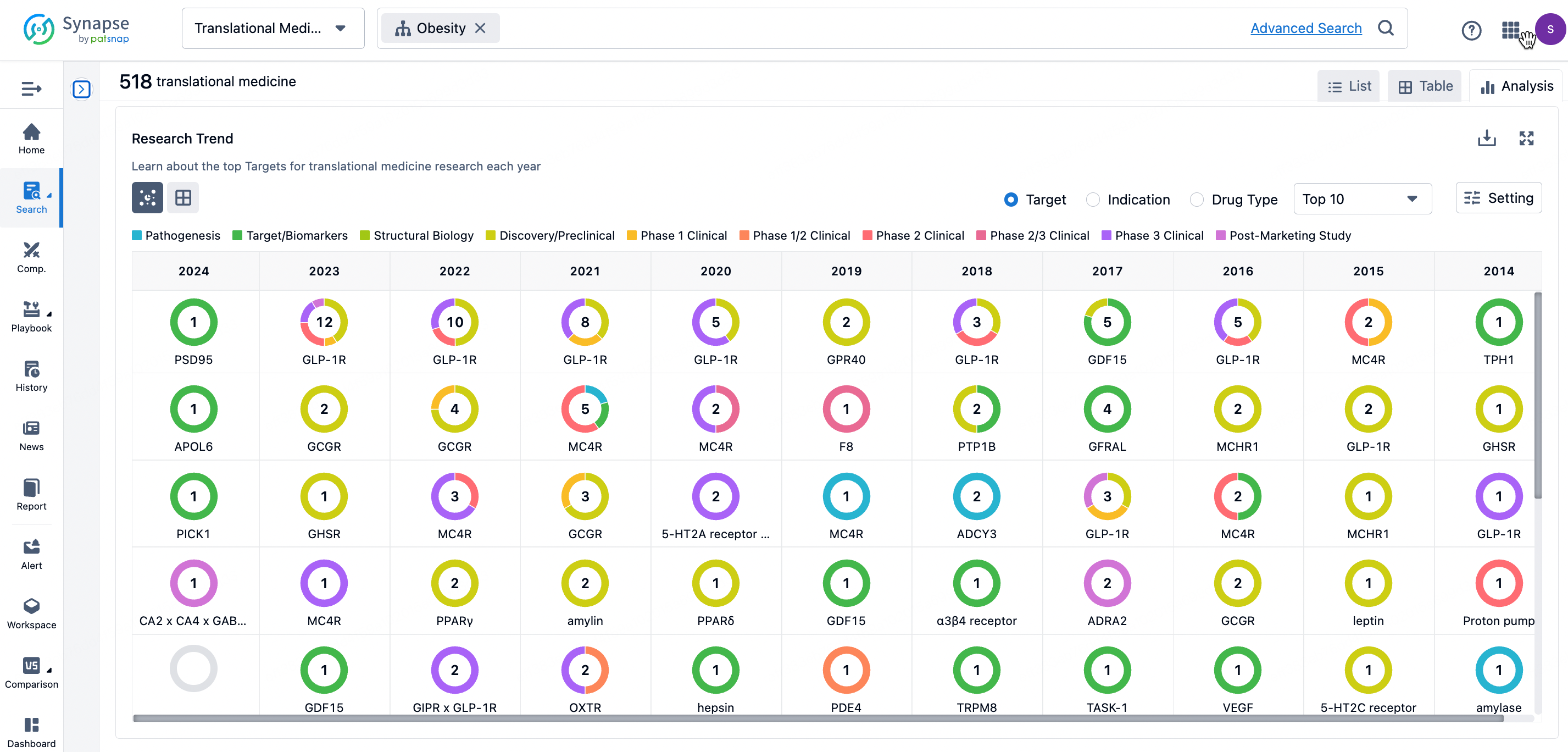
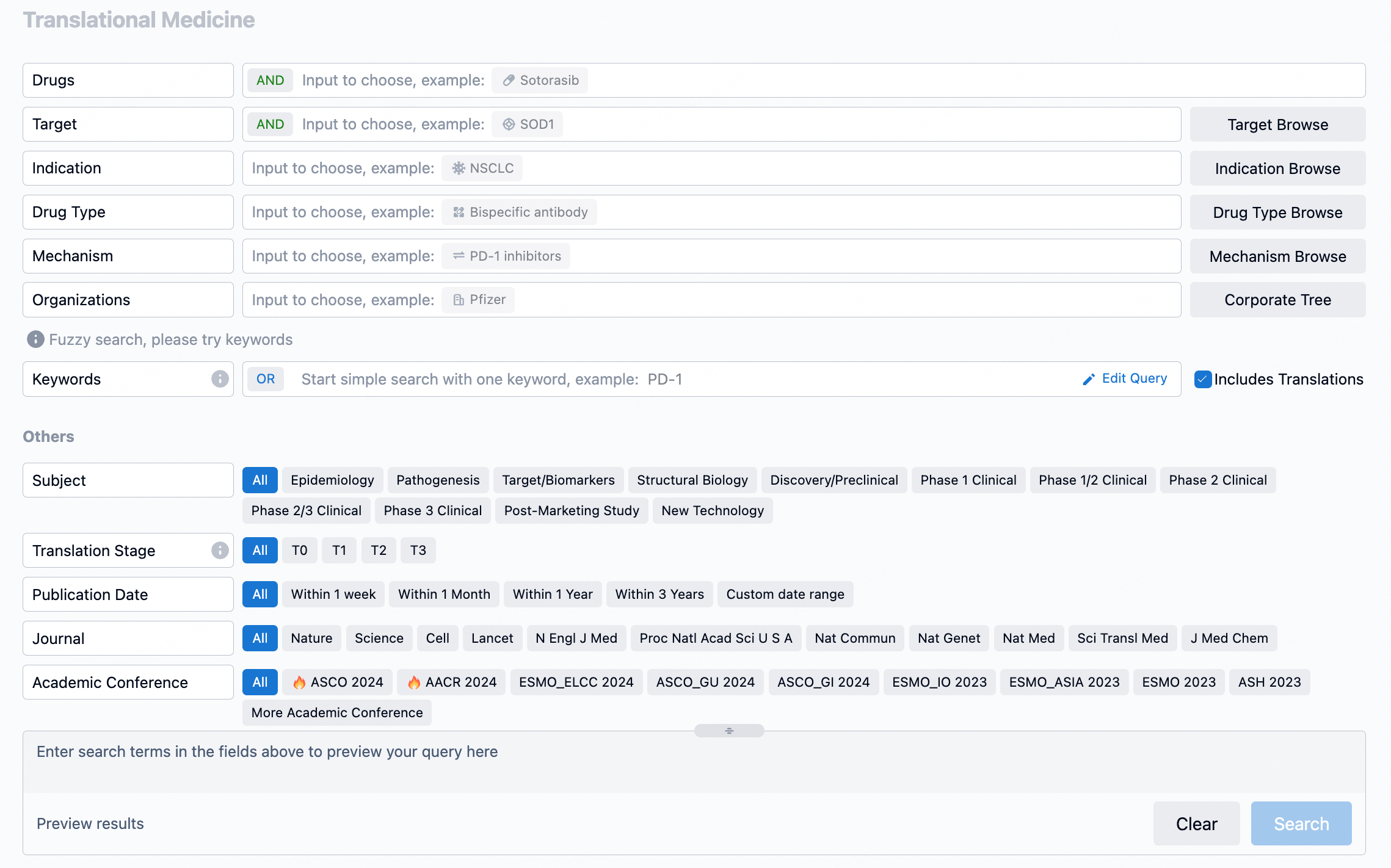
Click on the image below to go directly to the Translational Medicine search interface.