Comparative Pharmacology of Adenosine A1 Receptors Across Species: Insights from Xanthine and Pyrazolopyridine Antagonists
The potency rankings of seven adenosine receptor agonists were consistent among the species studied. However, the affinity of these agonists, except for 5′-N-ethylcarboxamidoadenosine (NECA), varied significantly, with rat cortical membranes demonstrating higher affinity than human and guinea-pig brain membranes. NECA showed particularly high affinity in rat membranes compared to humans, but similar affinity across other species.
The stable GTP analogue, Gpp(NH)p, was found to significantly reduce the affinity of 2-chloro-N6-cyclopentyladenosine (CCPA) while not affecting the affinity of DPCPX.
When comparing the affinity of six xanthine-based adenosine receptor antagonists, rat cortical membranes exhibited higher affinity compared to human or guinea-pig membranes. In contrast, three pyrazolopyridine derivatives, FK453, FK352, and FK838, showed similar affinity across human, guinea-pig, rat, and mouse brain membranes.
Drug affinity for adenosine A2A receptors was determined using a [3H]-2-[4-(2-carboxyethyl)phenethylamino]-5′-N-ethylcarboxamidoadenosine ([3H]-CGS 21680) binding assay in rat striatal membranes. The pyrazolopyridine derivatives, FK453, FK838, and FK352, showed high affinity and selectivity for adenosine A1 receptors, with similar affinity for [3H]-DPCPX binding sites across human, rat, mouse, and guinea-pig brain membranes.
These findings highlight the novel pyrazolopyridine derivatives as promising candidates for adenosine A1 receptor-selective drugs, which, unlike xanthine-based antagonists, maintain consistent affinity across species.
How to Use Synapse Database to Search and Analyze Translational Medicine Data?
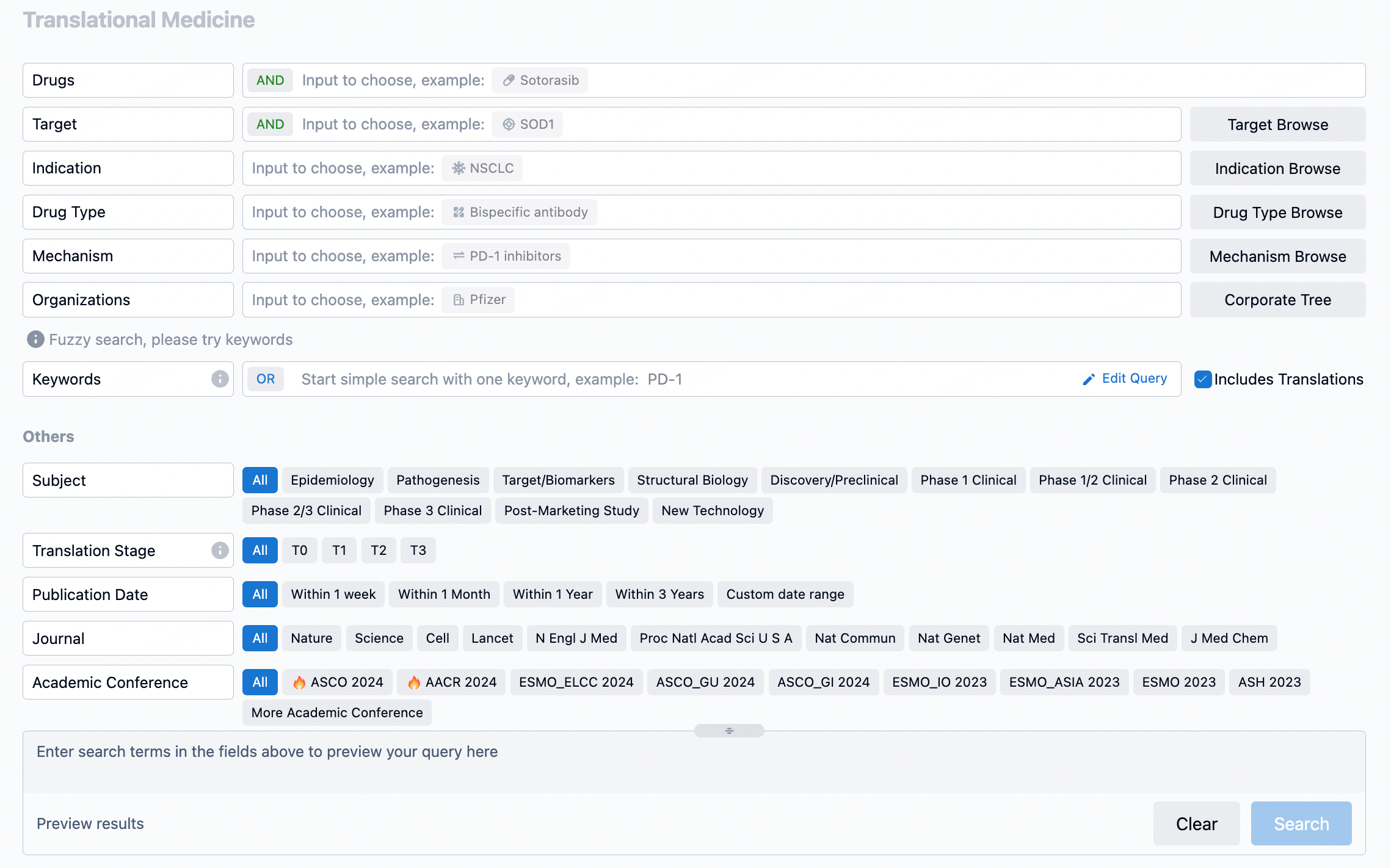
The transational medicine section of the Synapse database supports searches based on fields such as drug, target, and indication, covering the T0-T3 stages of translation. Additionally, it offers a historical conference search function as well as filtering options, view modes, translation services, and highlights summaries, providing you with a unique search experience.
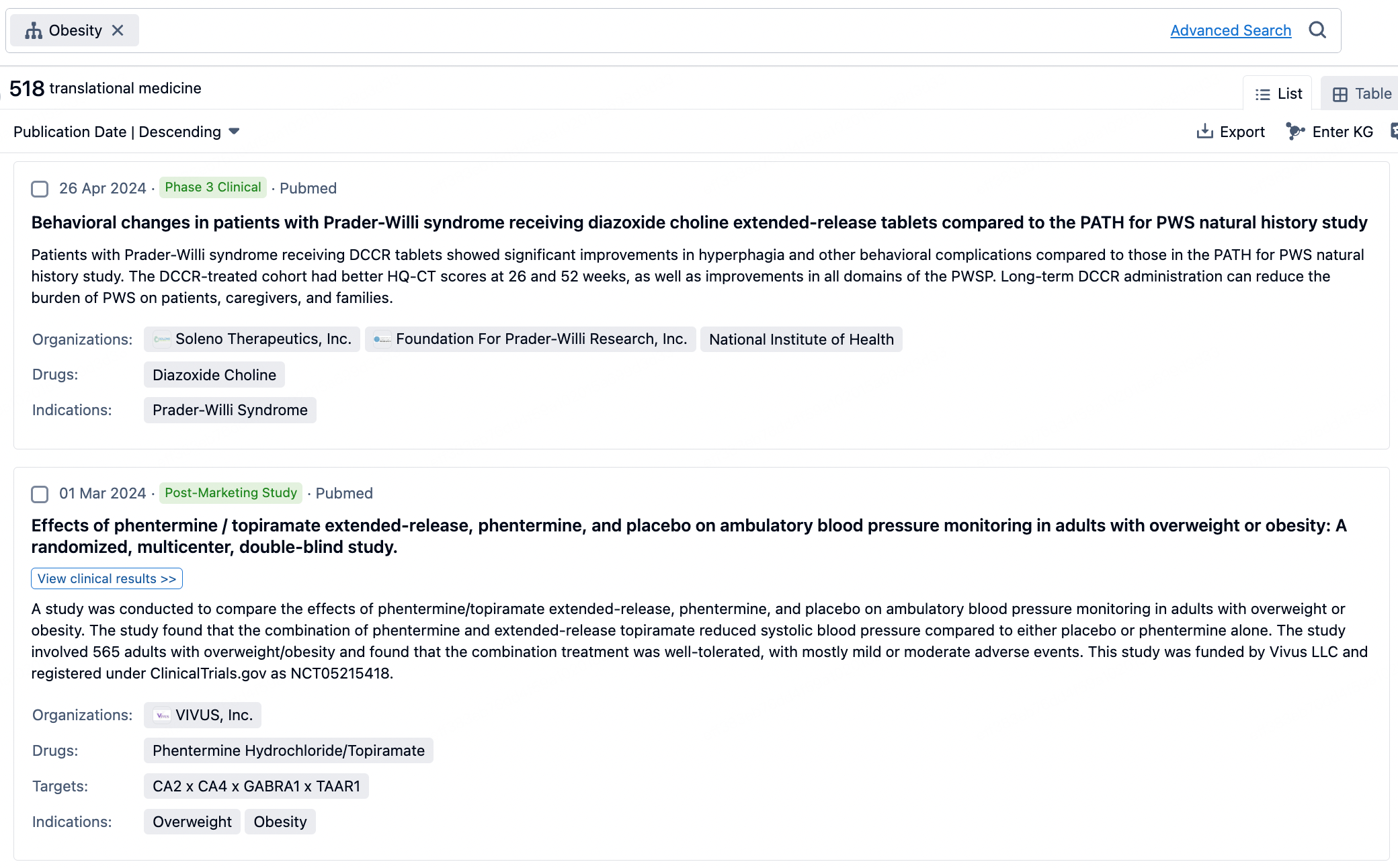
Taking obesity as an example, select "obesity" under the indication category and click search to enter the Translational Medicine results list page. By clicking on the title, you can directly navigate to the original page.
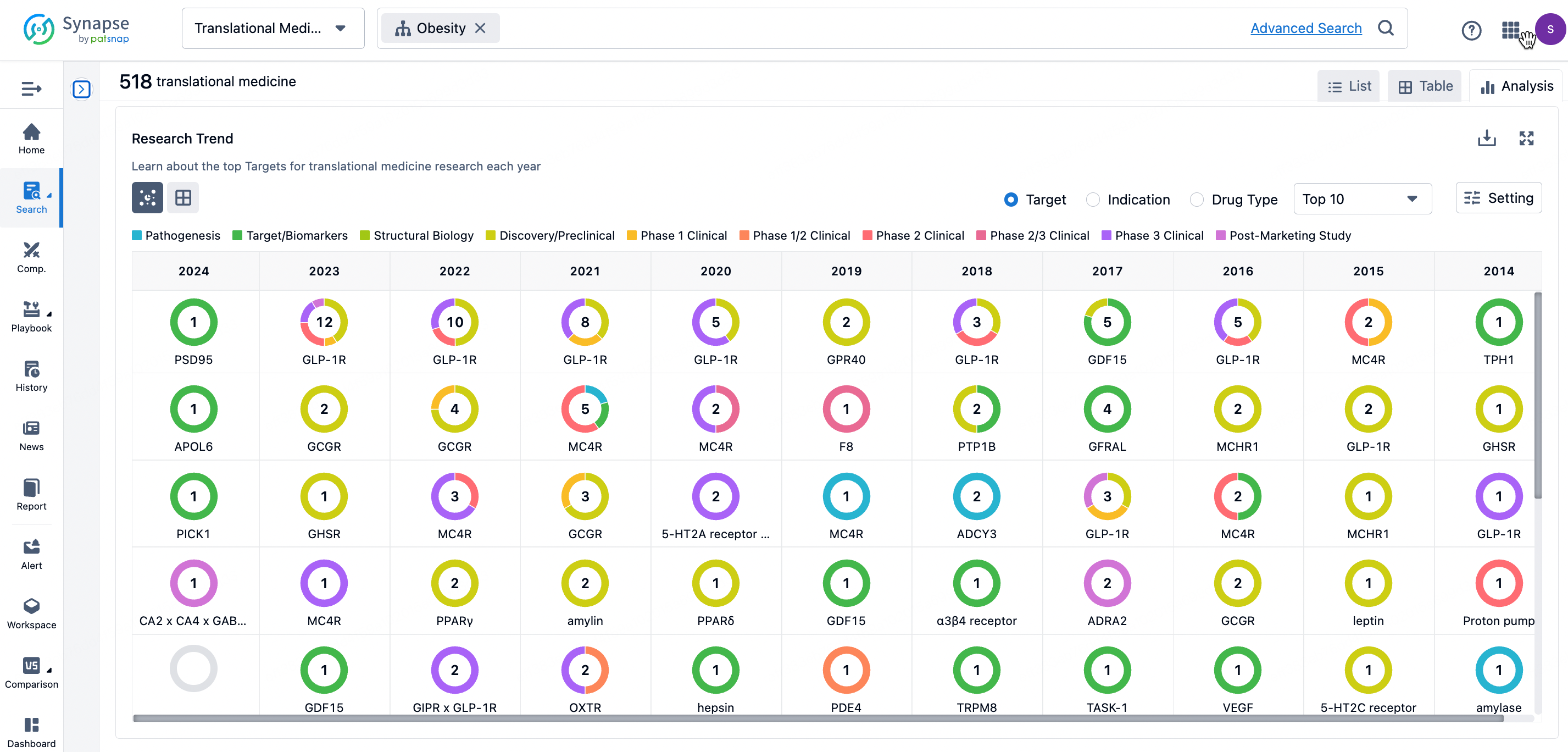
By clicking the analysis button, you can observe that GLP-1R treatment for obesity has gained significant attention over the past three years, with preclinical research still ongoing in 2023. Additionally, there are emerging potential targets, such as GDF15, among others.
Click on the image below to go directly to the Translational Medicine search interface.