Deciphering the Potential of AQX-1125: A Novel SHIP1 Activator for Inflammatory Disorders
In the laboratory, AQX-1125 was tested for its impact on SHIP1's enzymatic activity, its effect on a protein called Akt in cells with and without SHIP1, its influence on cytokine production in immune cells, and its ability to prevent immune cell movement and activation from mast cells. The drug's absorption and distribution in animals were also studied.
Findings indicate that AQX-1125 boosts SHIP1's activity, particularly when the C2 domain is intact, and it curbs Akt activation in cells that have SHIP1. It also lessens the production of inflammatory substances in immune cells, hinders mast cell activation, and reduces the movement of immune cells. In animal studies, the drug showed high oral bioavailability and a long half-life.
The results support the potential of AQX-1125 as an anti-inflammatory agent, as it inhibits key inflammatory processes in the lab and has favorable drug properties, making it a promising candidate for further testing in various inflammatory conditions.
How to Use Synapse Database to Search and Analyze Translational Medicine Data?
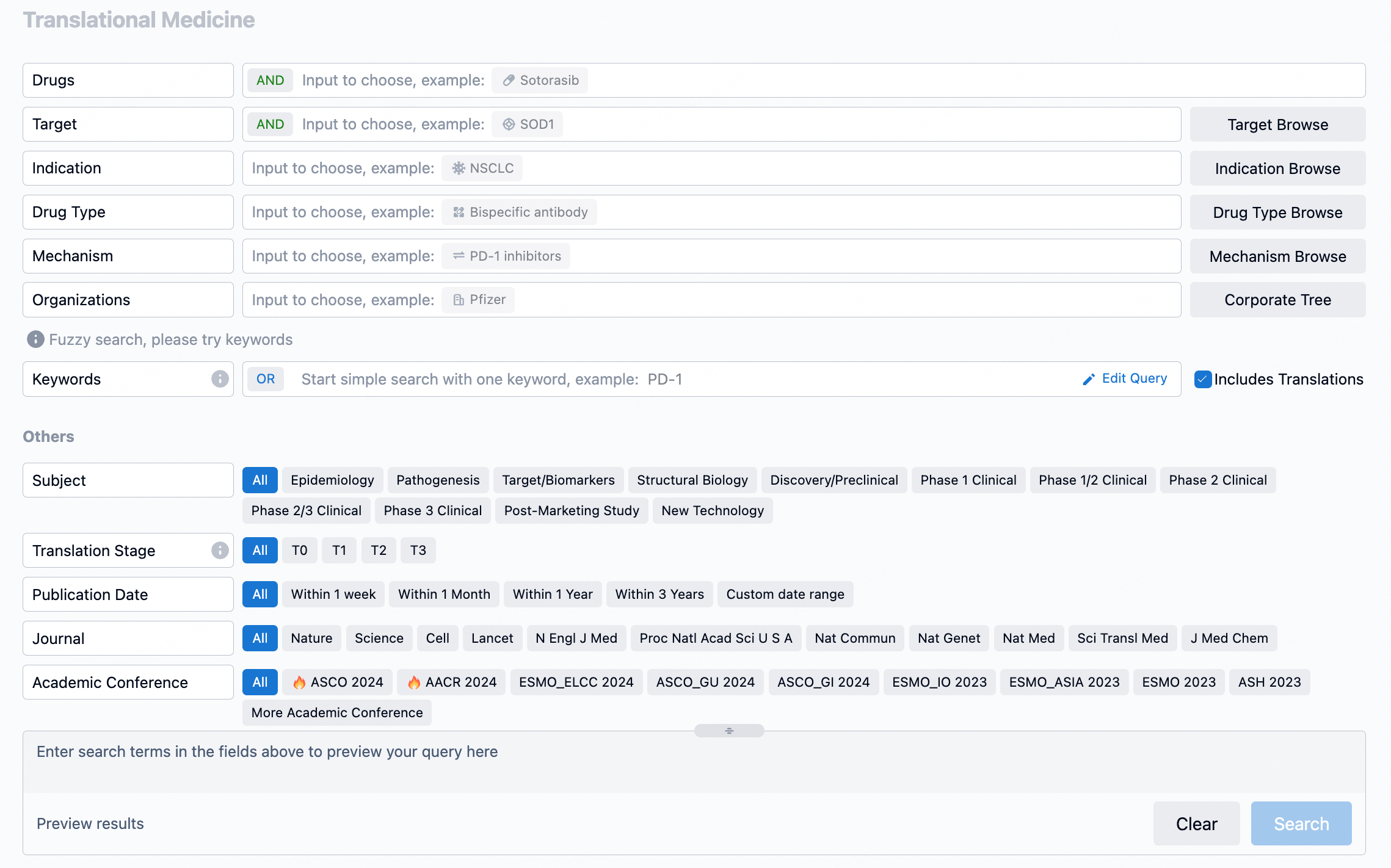
The transational medicine section of the Synapse database supports searches based on fields such as drug, target, and indication, covering the T0-T3 stages of translation. Additionally, it offers a historical conference search function as well as filtering options, view modes, translation services, and highlights summaries, providing you with a unique search experience.
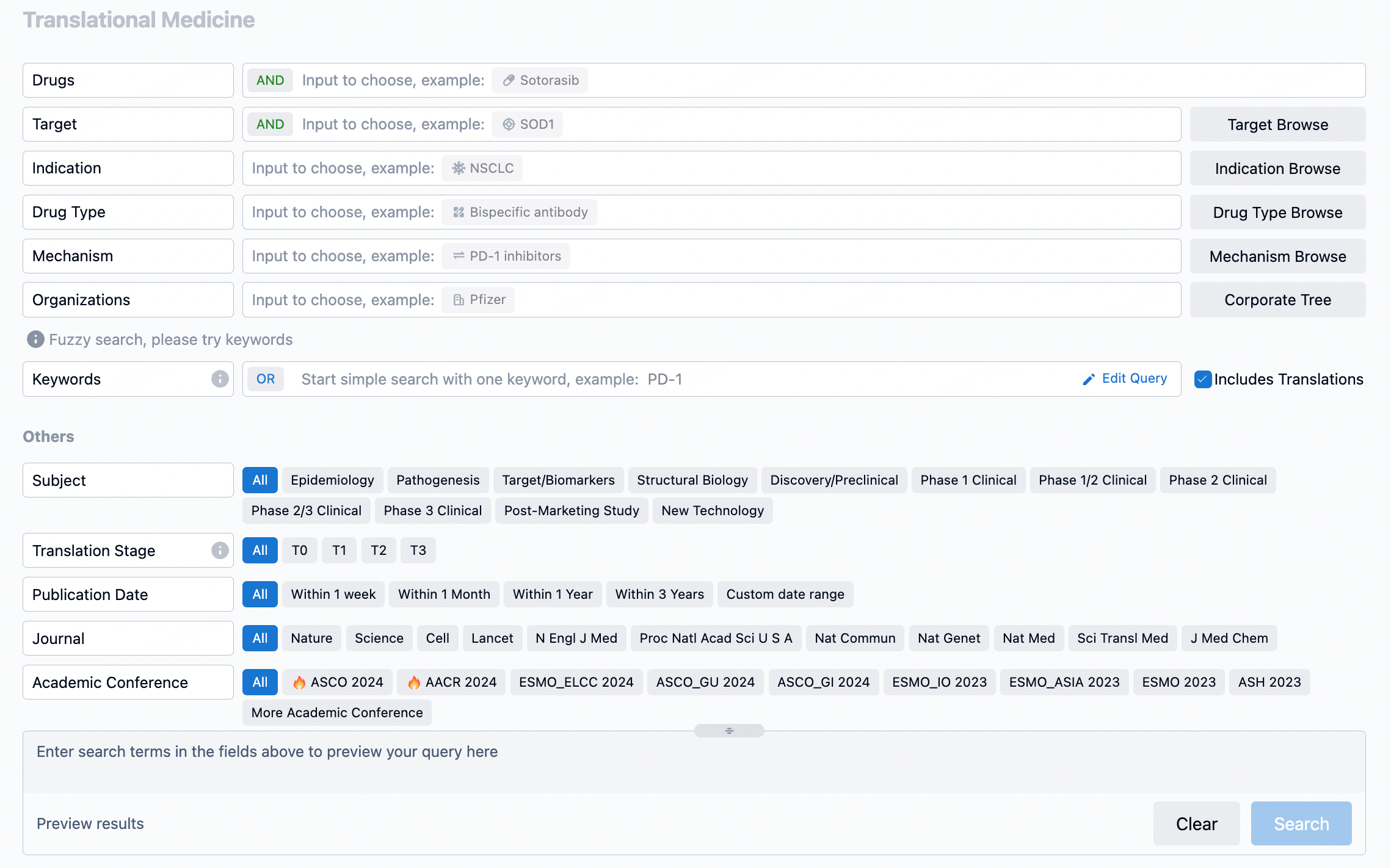
Taking obesity as an example, select "obesity" under the indication category and click search to enter the Translational Medicine results list page. By clicking on the title, you can directly navigate to the original page.
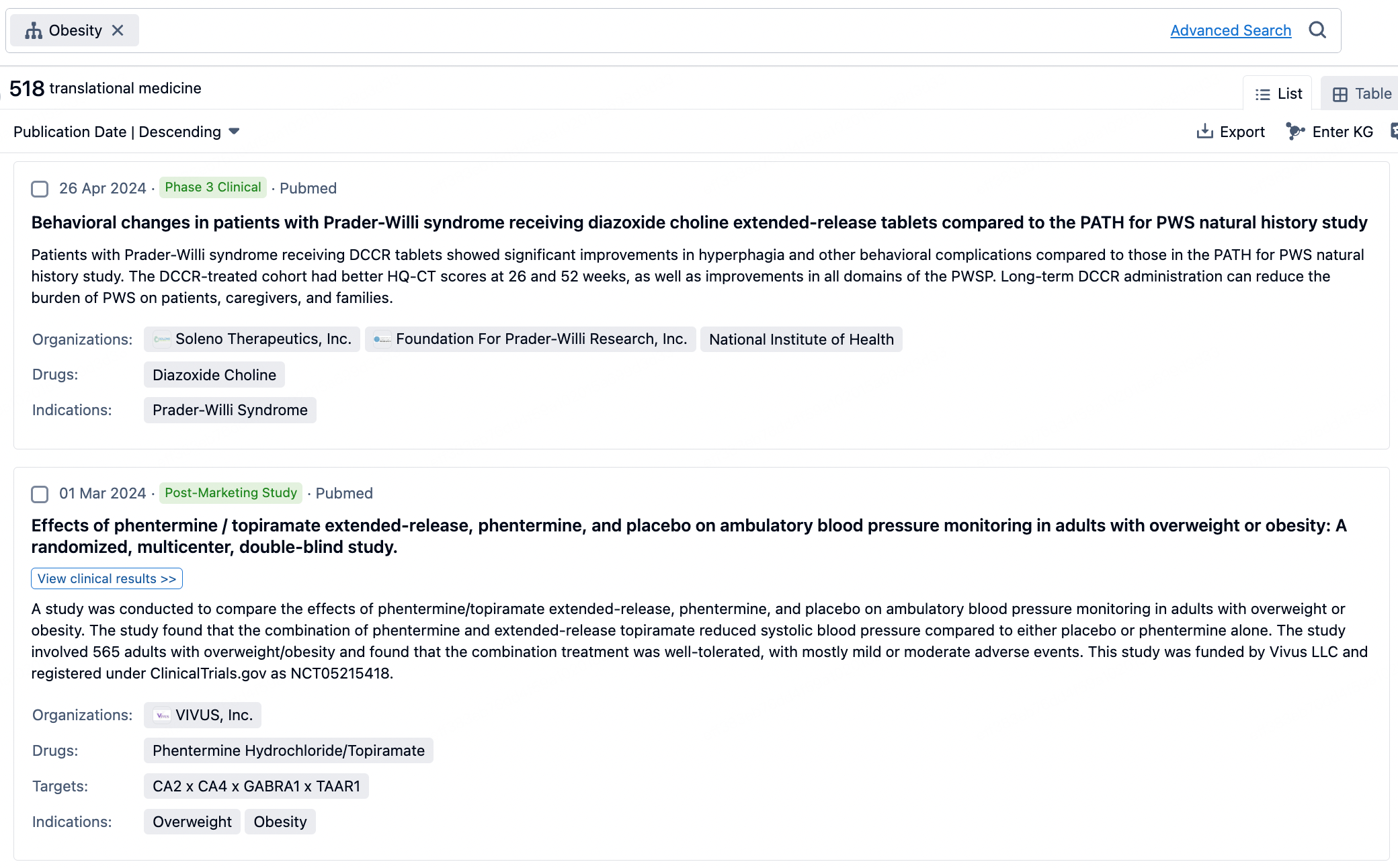
By clicking the analysis button, you can observe that GLP-1R treatment for obesity has gained significant attention over the past three years, with preclinical research still ongoing in 2023. Additionally, there are emerging potential targets, such as GDF15, among others.
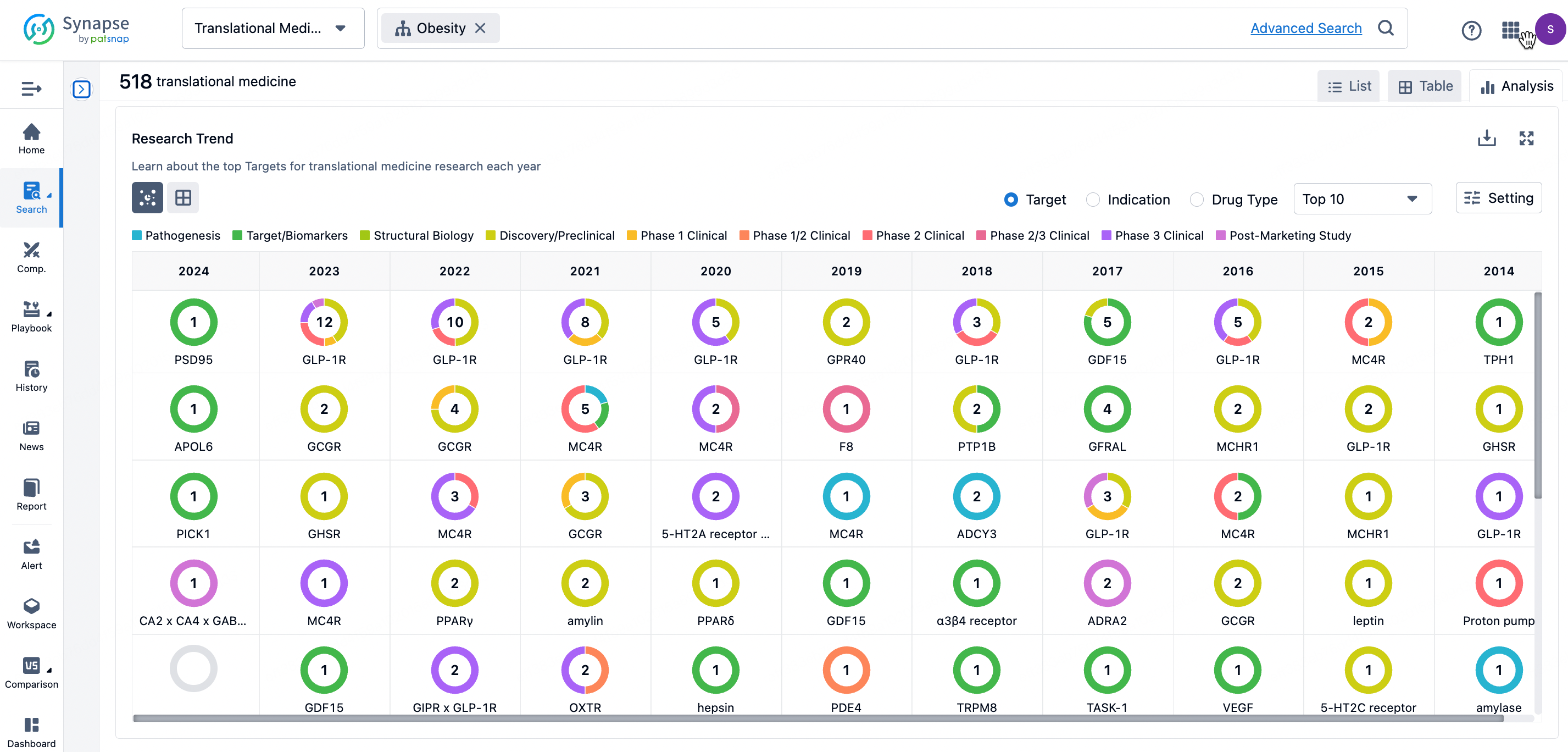
Click on the image below to go directly to the Translational Medicine search interface.