E7386: A Pioneering Oral CBP/Beta-Catenin Modulator Targeting Wnt Pathway in Cancer Therapy
In vivo testing in ApcMin/+ mice, which develop intestinal polyps due to Wnt/beta-catenin pathway activation, showed that E7386 significantly reduced polyp numbers in a dose-dependent manner. The compound also altered the expression of Wnt-related genes in the whisker follicle of the mice. Furthermore, E7386 demonstrated potent anti-proliferative activity against cancer cell lines with mutated Wnt signaling pathway components and exhibited significant antitumor effects in a human tumor cell line xenograft model with an APC mutation.
E7386 is a novel, first-in-class CBP/beta-catenin modulator that has shown strong inhibitory effects on the aberrant activation of the Wnt/beta-catenin signaling pathway, offering potential as an anticancer agent. The research was presented at the American Association for Cancer Research Annual Meeting in 2017, with the study abstract published in the Cancer Research journal.
How to Use Synapse Database to Search and Analyze Translational Medicine Data?
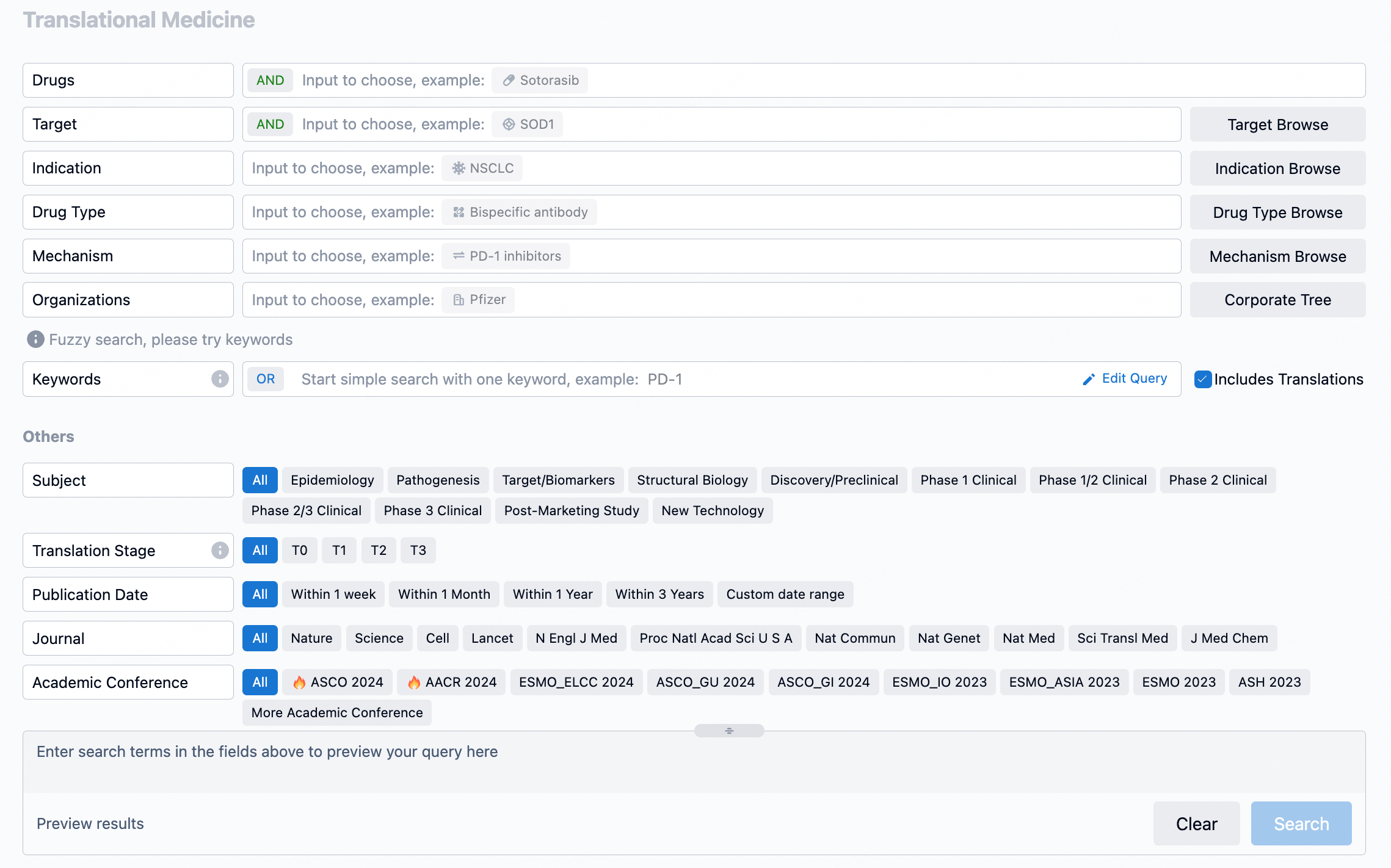
The transational medicine section of the Synapse database supports searches based on fields such as drug, target, and indication, covering the T0-T3 stages of translation. Additionally, it offers a historical conference search function as well as filtering options, view modes, translation services, and highlights summaries, providing you with a unique search experience.
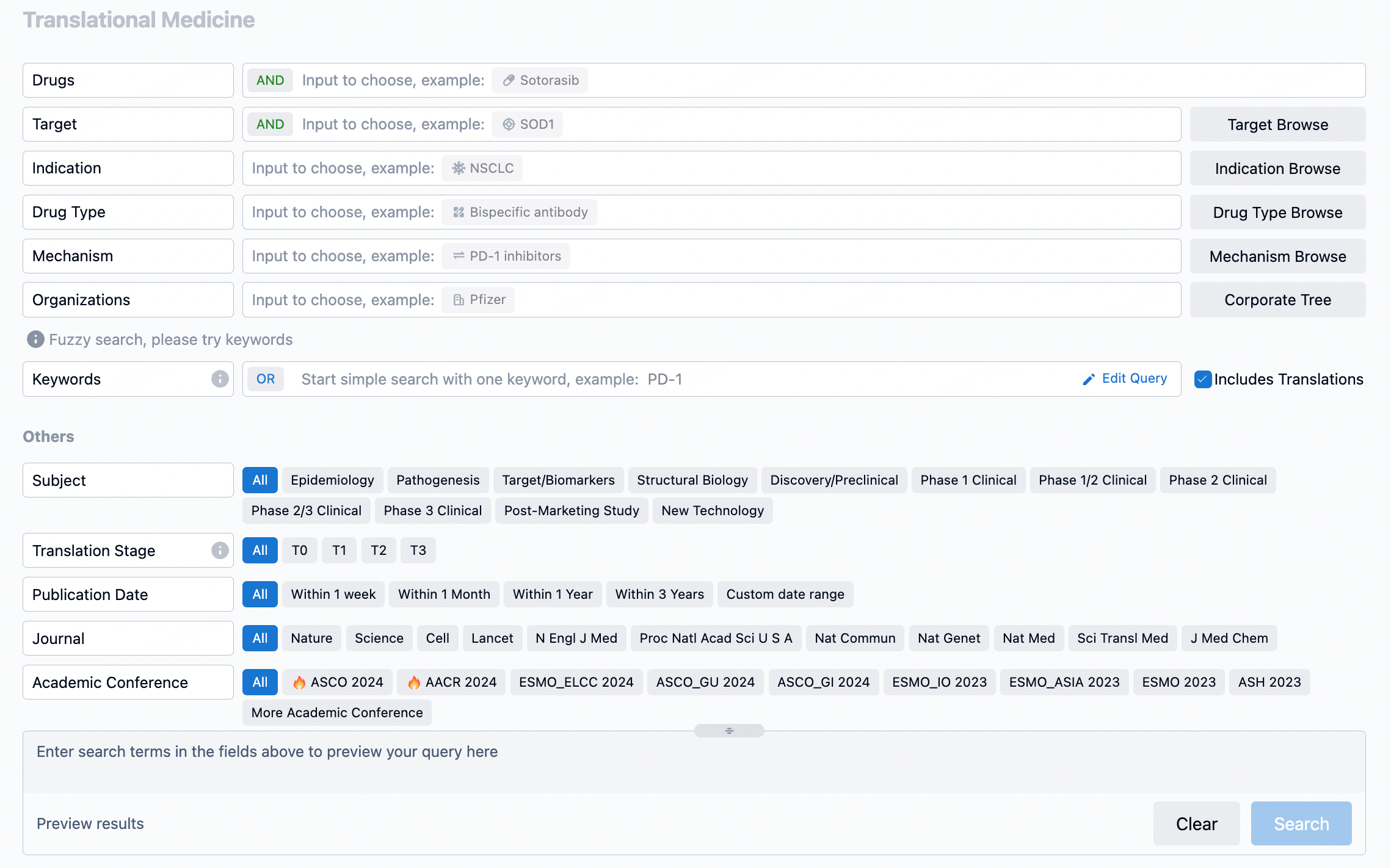
Taking obesity as an example, select "obesity" under the indication category and click search to enter the Translational Medicine results list page. By clicking on the title, you can directly navigate to the original page.
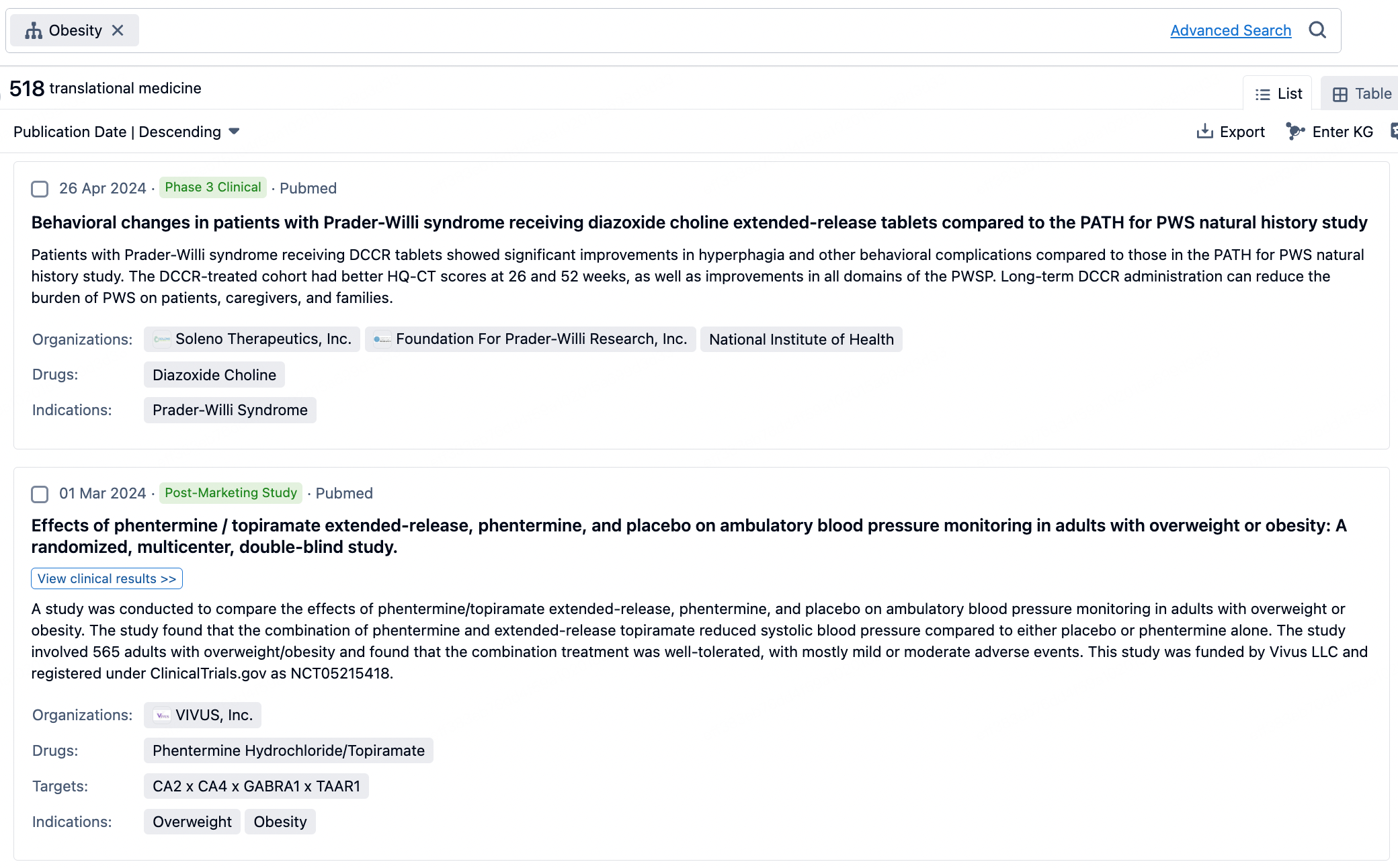
By clicking the analysis button, you can observe that GLP-1R treatment for obesity has gained significant attention over the past three years, with preclinical research still ongoing in 2023. Additionally, there are emerging potential targets, such as GDF15, among others.
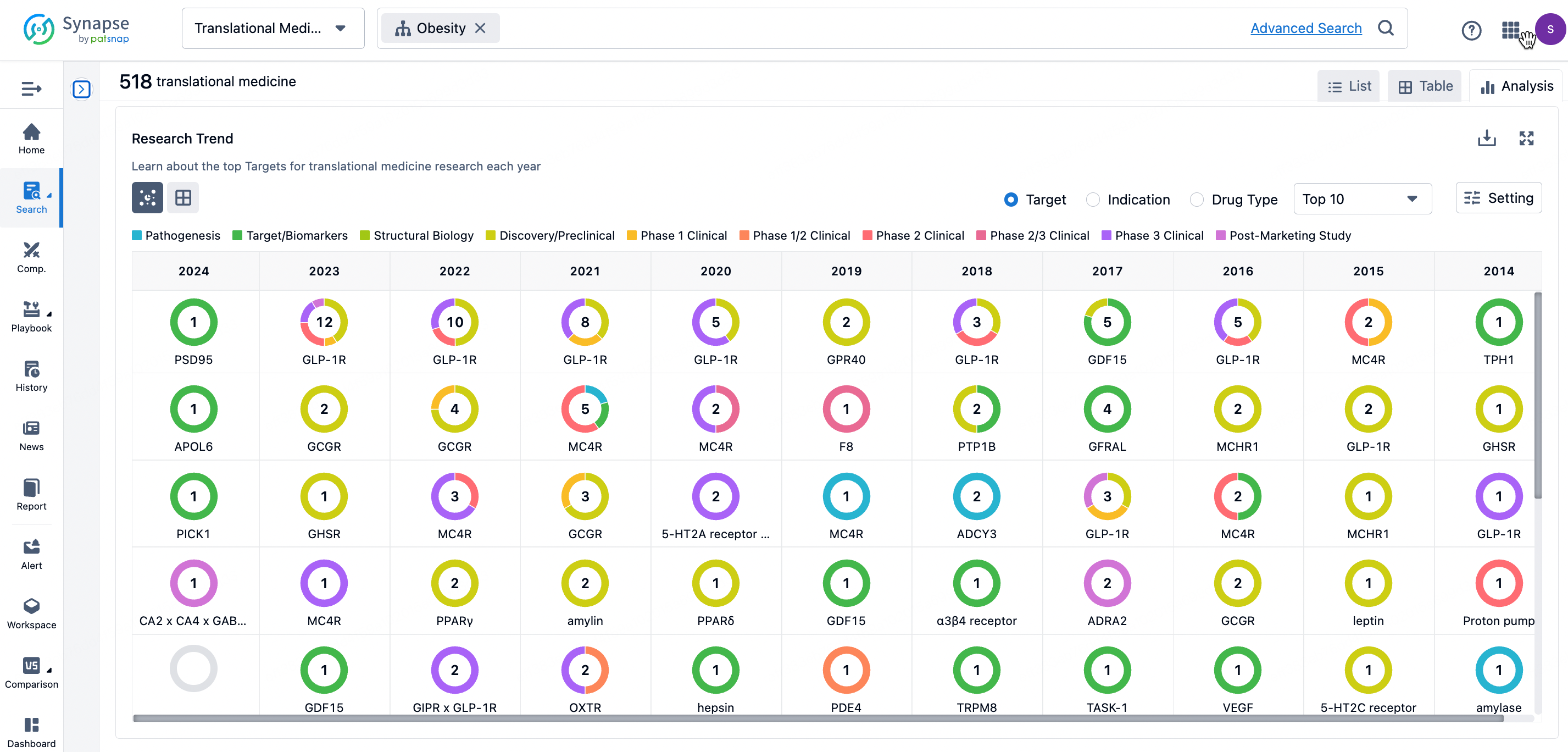
Click on the image below to go directly to the Translational Medicine search interface.