Enhancing BCP-ALL Treatment: The Impact of IL7R Targeting with OSE-127 in Xenograft Models
Previous research has indicated that high expression of IL7R is associated with a worse prognosis in BCP-ALL patients. Targeting IL7R with laboratory-grade antibodies has shown significant reduction in leukemic burden in patient-derived xenografts (PDX). The study introduces OSE-127, a humanized monoclonal antibody and full IL7R antagonist that prevents IL7R heterodimerization and downstream signaling without being internalized by target cells. OSE-127 has shown excellent safety and tolerability in a phase 1 study involving 63 healthy volunteers, with no lymphopenia, cytokine release syndrome, or T-cell alterations observed.
The efficacy of OSE-127 immunotherapy was investigated in PDX models of BCP-ALL. IL7R surface expression was measured in diagnostic samples from different cytogenetic subgroups, revealing IL7R-positivity in 52% of patient samples. Notably, high numbers of IL7R-positive patients were found in the E2A-PBX1 and MLL-rearranged (MLLr) subgroups.
In a study involving NSG mice with PDX cells from E2A-PBX1-positive patients, OSE-127 treatment resulted in no development of overt leukemia, compared to 100% in control animals. The therapy was also effective when initiated upon detection of 1% BCP-ALL cells in the peripheral blood.
A preclinical phase II-like study with PDX from various cytogenetic subgroups showed an 82% response rate to OSE-127 treatment. This led to a significant increase in median overall survival. The response to OSE-127 was associated with IL7R expression levels on BCP-ALL cells, and no significant downregulation of the IL7R antigen was observed with treatment.
The data suggest that OSE-127, with its proven safety profile in healthy volunteers, is an effective immunotherapy approach for BCP-ALL, particularly beneficial for patients with high IL7R-expression or those with relapsed/refractory disease post CD19-directed therapy.
How to Use Synapse Database to Search and Analyze Translational Medicine Data?
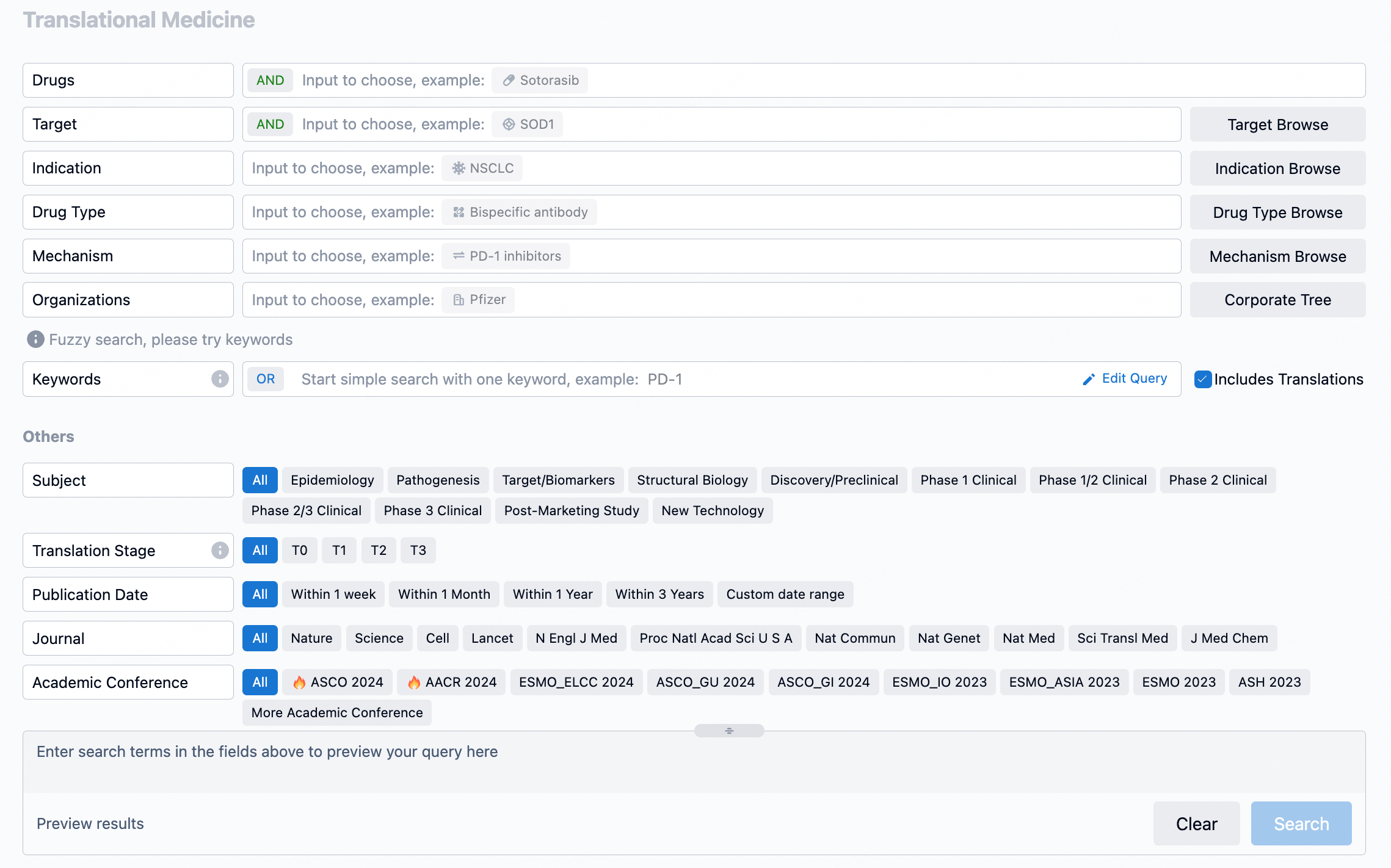
The transational medicine section of the Synapse database supports searches based on fields such as drug, target, and indication, covering the T0-T3 stages of translation. Additionally, it offers a historical conference search function as well as filtering options, view modes, translation services, and highlights summaries, providing you with a unique search experience.
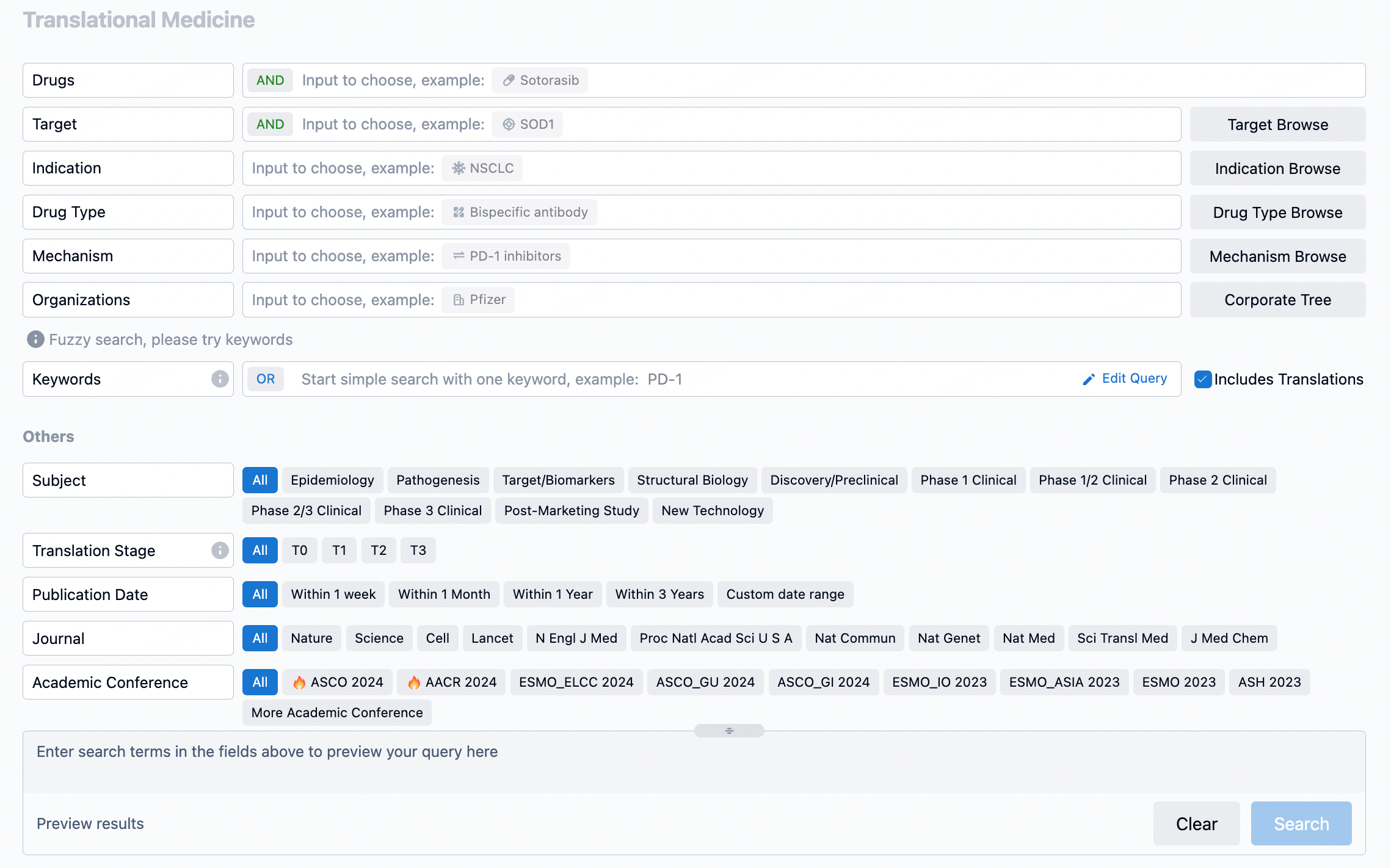
Taking obesity as an example, select "obesity" under the indication category and click search to enter the Translational Medicine results list page. By clicking on the title, you can directly navigate to the original page.
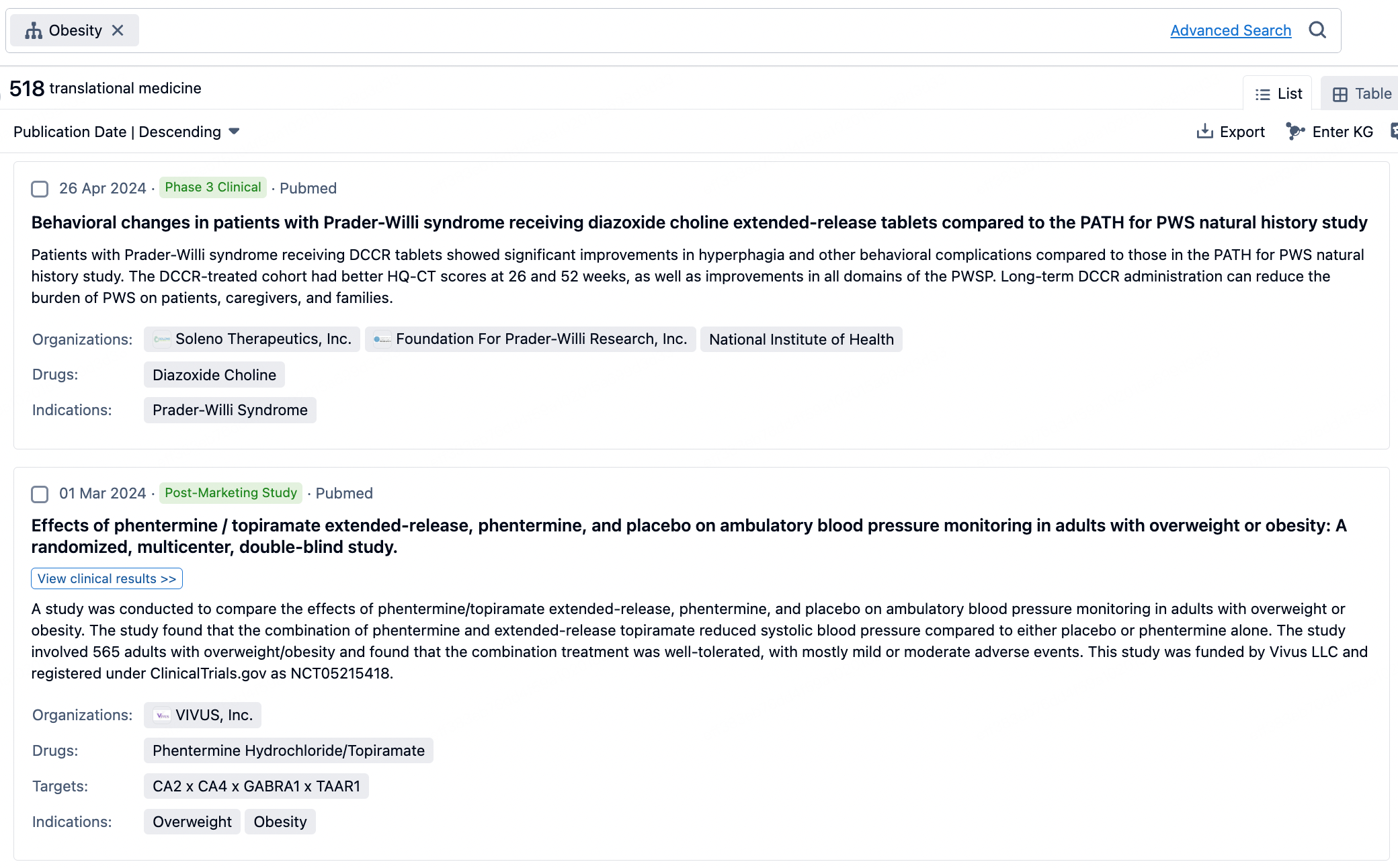
By clicking the analysis button, you can observe that GLP-1R treatment for obesity has gained significant attention over the past three years, with preclinical research still ongoing in 2023. Additionally, there are emerging potential targets, such as GDF15, among others.
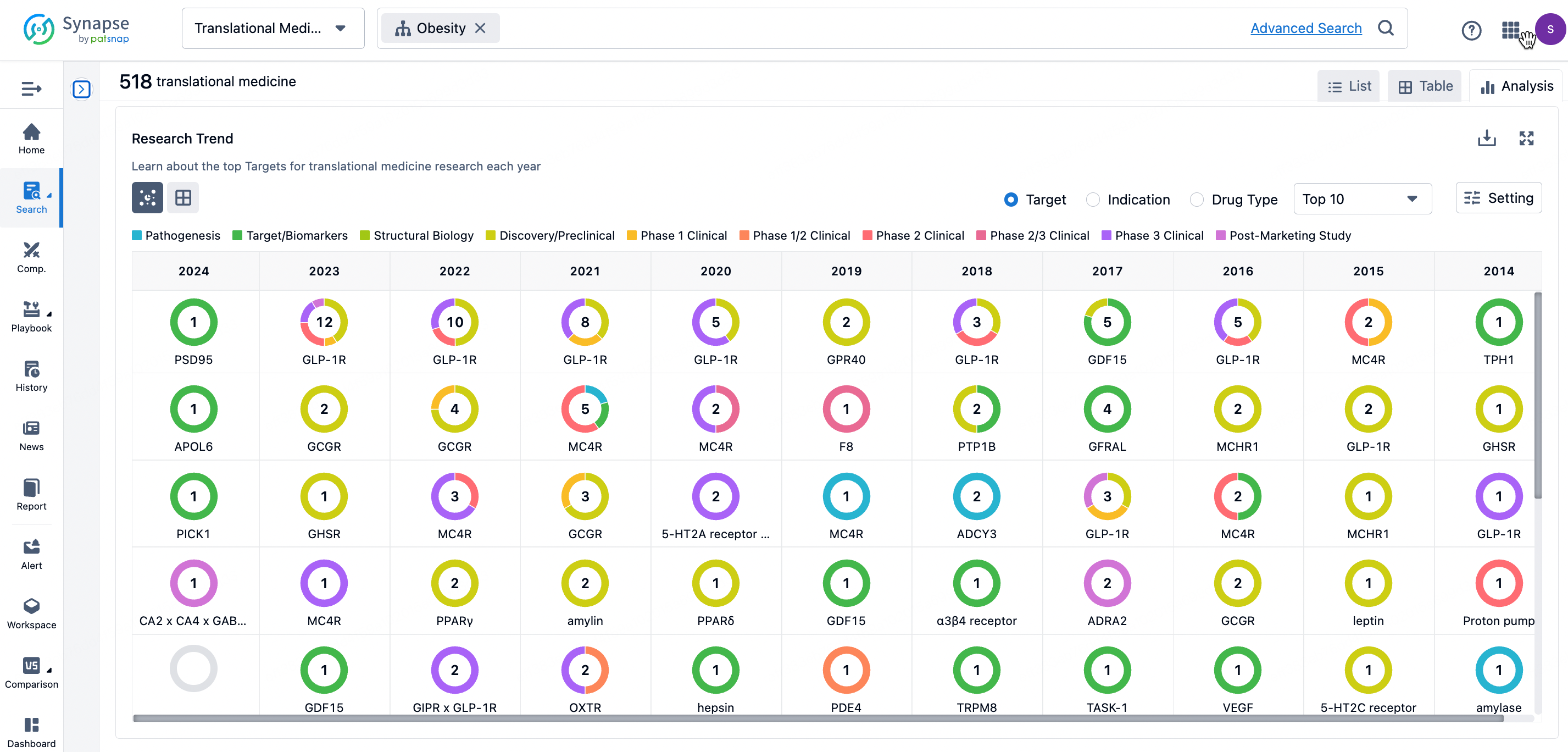
Click on the image below to go directly to the Translational Medicine search interface.