Enhancing Cancer Immunotherapy: The Development and Evaluation of IL2v-Based Tumor-Targeted Immunocytokines
Two specific immunocytokines, CEA-IL2v and FAP-IL2v, were developed to target carcinoembryonic antigen (CEA) and fibroblast activation protein (FAP), respectively. They were designed to bind with high affinity to their respective tumor-associated antigens without binding to CD25, thus avoiding preferential activation of regulatory T cells (Tregs) and reducing pulmonary toxicity.
In vitro testing showed that these immunocytokines activate and expand natural killer (NK) cells and CD8+ T cells, maintaining bioactivity through IL-2Rβγ. They also enhance the cytotoxic activity of NK cells when combined with antibodies capable of antibody-dependent cellular cytotoxicity (ADCC). In vivo studies in mice demonstrated improved safety, pharmacokinetics, and tumor targeting for CEA-IL2v and FAP-IL2v. Notably, they showed high expansion and activation of immune effector cells, including NK and CD8+ T cells, and a strong skewing of the CD4:CD8 ratio towards CD8+ T cells in various tissues.
MicroSPECT/CT imaging confirmed effective FAP-mediated tumor targeting with low uptake in normal tissues and lymphoid tissues. Anti-tumor efficacy was observed in syngeneic tumor models, and the immunocytokines were shown to significantly enhance the efficacy of ADCC-competent antibodies in SCID mice transgenic for human CD16A.
In conclusion, CEA-IL2v and FAP-IL2v offer enhanced safety, pharmacokinetics, and tumor targeting without preferential induction of Tregs due to their unique design. They retain the ability to activate and expand NK and CD8+ effector T cells, supporting their potential for further nonclinical and clinical investigation in cancer immunotherapy. Clinical trials for CEA-IL2v are anticipated.
How to Use Synapse Database to Search and Analyze Translational Medicine Data?
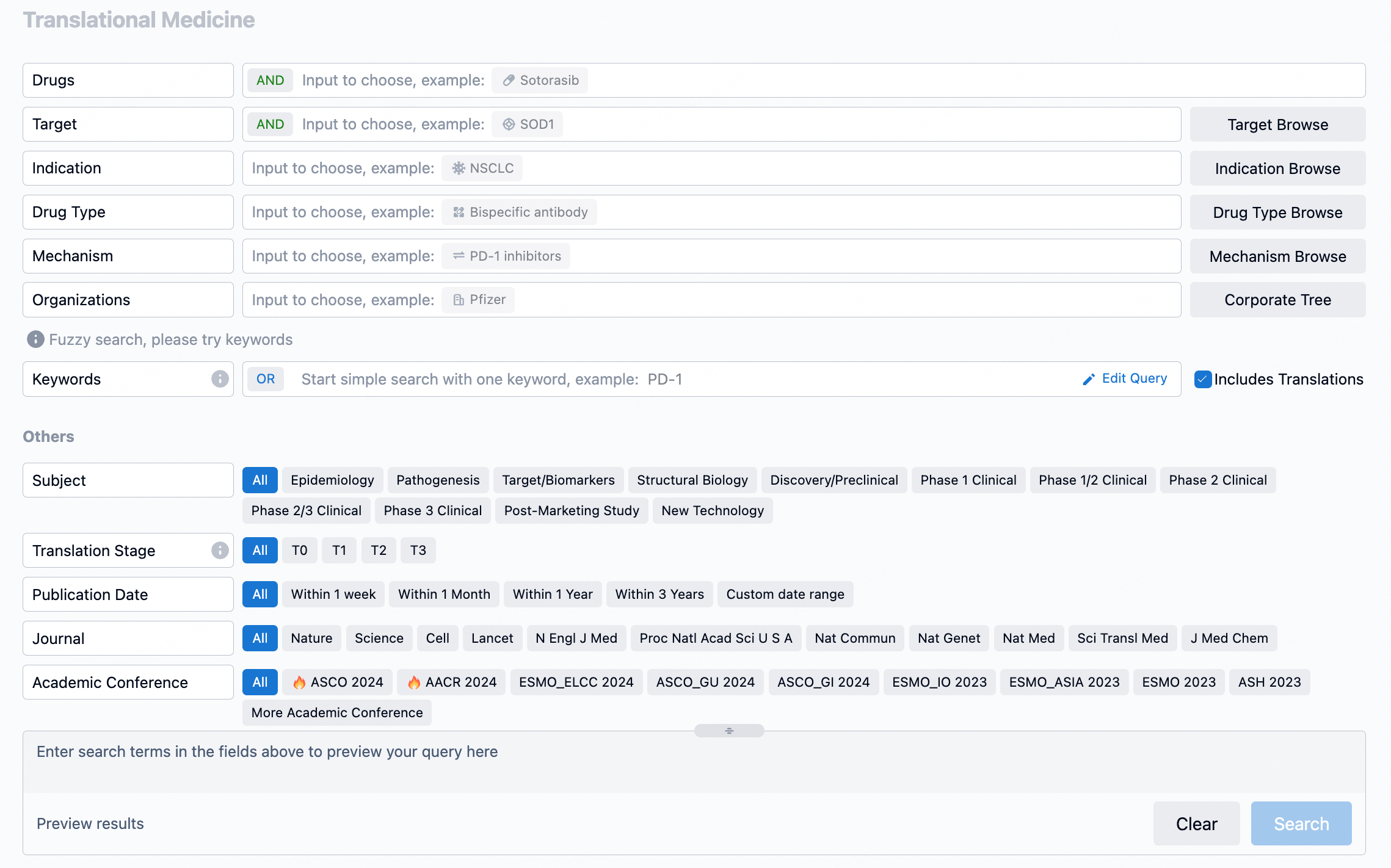
The transational medicine section of the Synapse database supports searches based on fields such as drug, target, and indication, covering the T0-T3 stages of translation. Additionally, it offers a historical conference search function as well as filtering options, view modes, translation services, and highlights summaries, providing you with a unique search experience.
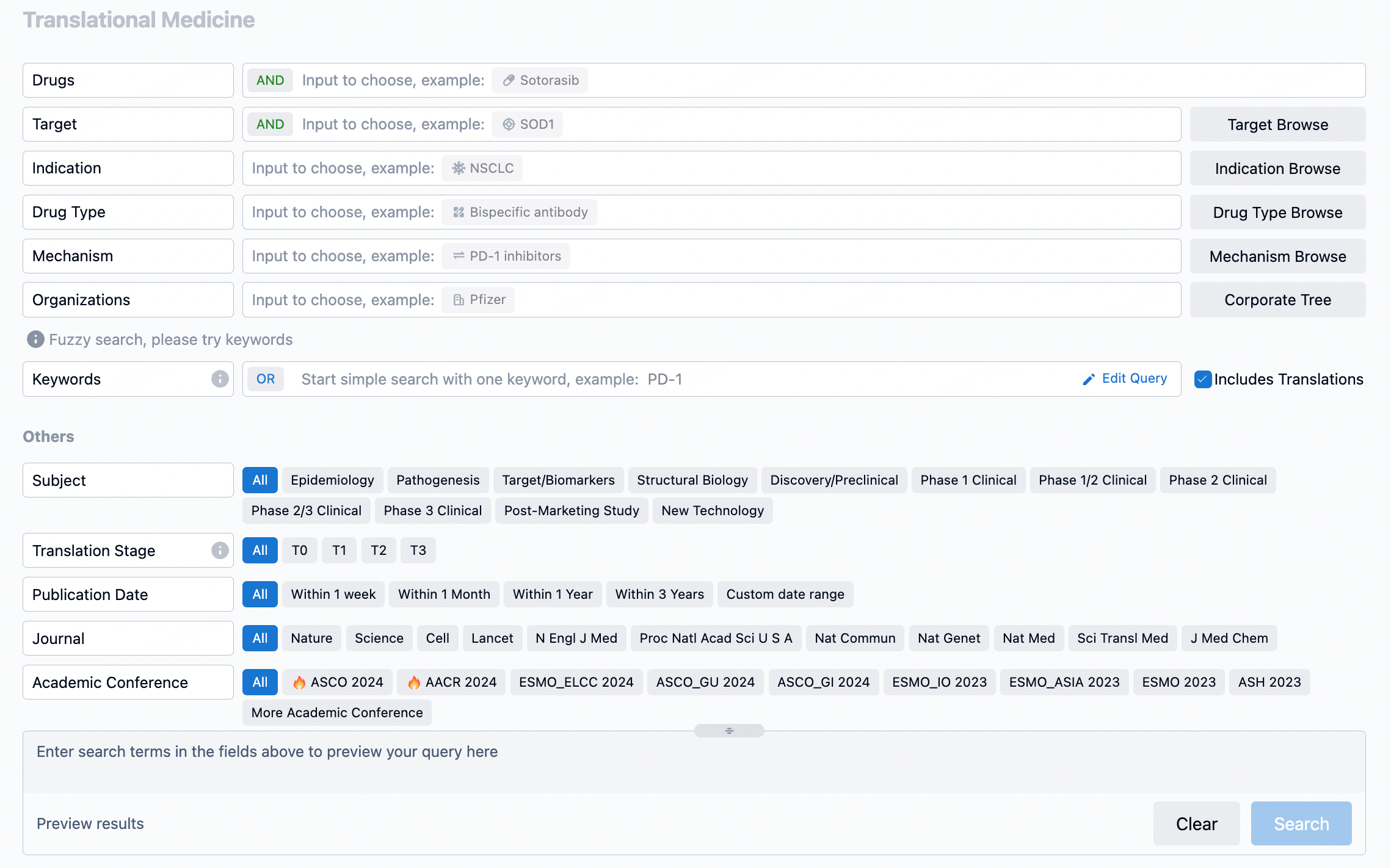
Taking obesity as an example, select "obesity" under the indication category and click search to enter the Translational Medicine results list page. By clicking on the title, you can directly navigate to the original page.
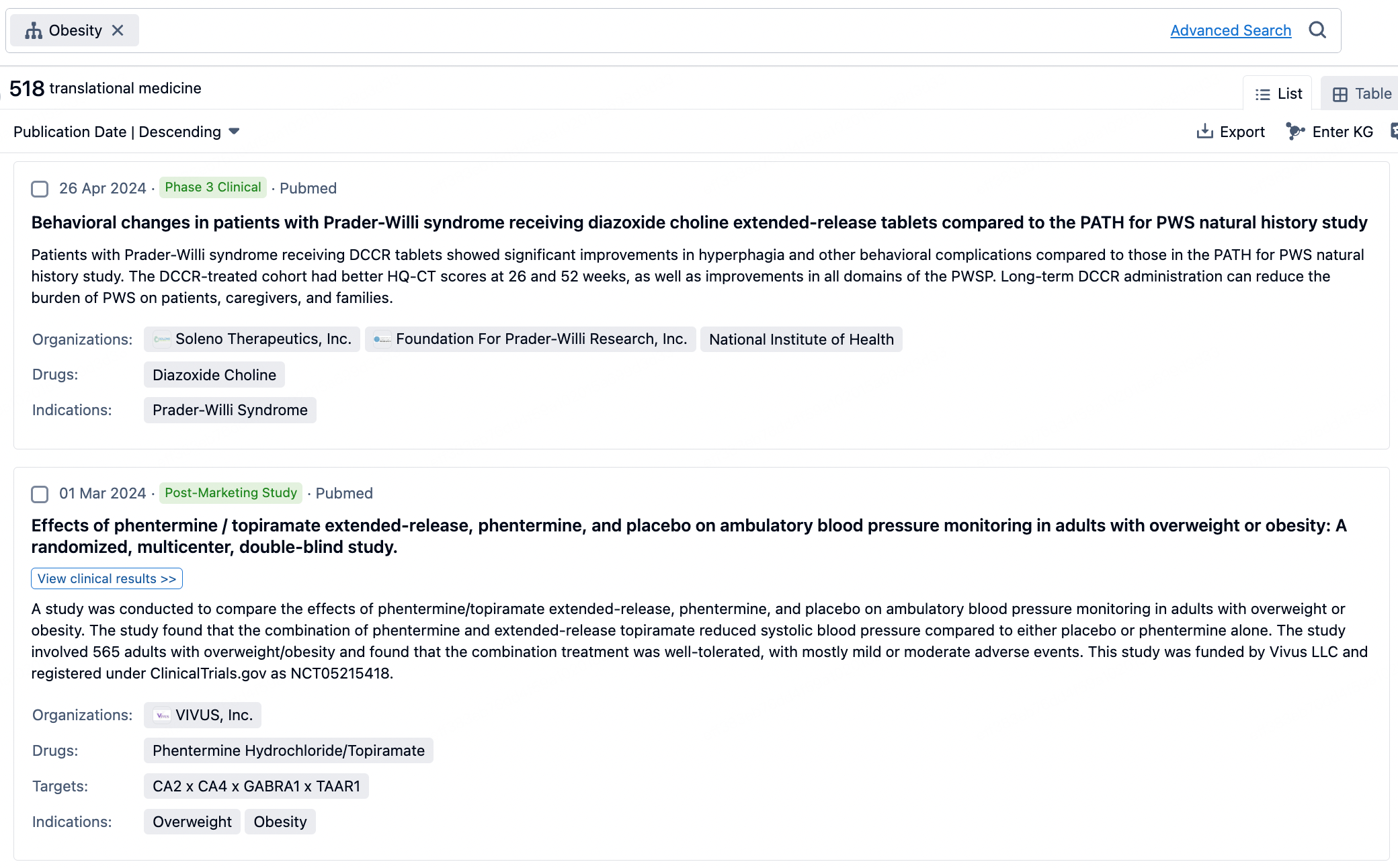
By clicking the analysis button, you can observe that GLP-1R treatment for obesity has gained significant attention over the past three years, with preclinical research still ongoing in 2023. Additionally, there are emerging potential targets, such as GDF15, among others.
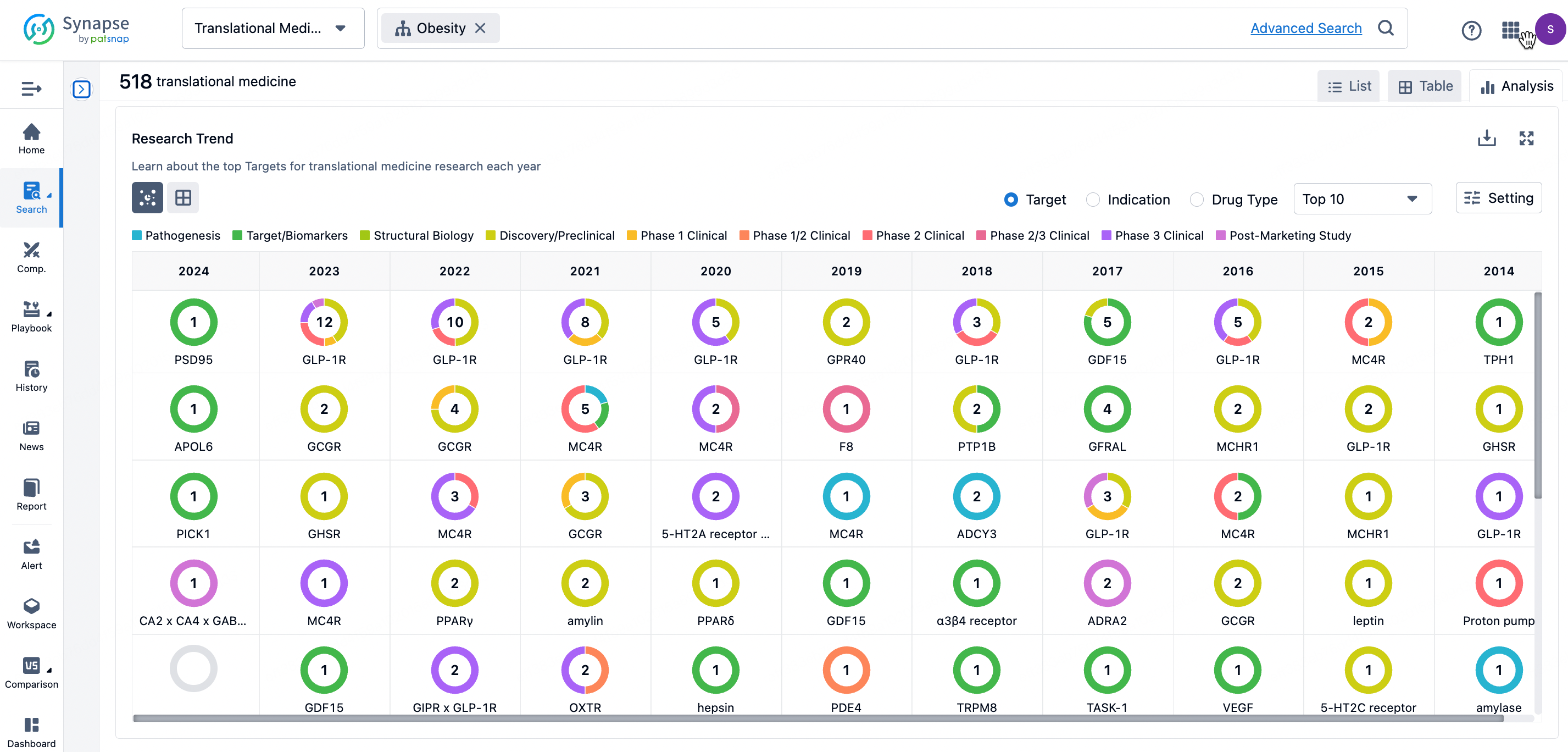
Click on the image below to go directly to the Translational Medicine search interface.