Enhancing Tumor Immunity: The Synergy of REGN3767 and REGN2810 in Humanized PD-1/LAG-3 Mice Models
Through RNA sequencing and RT PCR analysis, it was found that each monoclonal antibody induced substantial transcriptional changes within the tumor environment. The combination therapy led to an increase in immune activation signatures, suggesting a more potent immune response. The study identified T-cell expansion and activation as a result of the antibodies' action, with REGN3767 showing a delayed but comparable effect to REGN2810. Both treatments also activated other immune cells such as neutrophils, myeloid, and NK cells.
The combined use of REGN2810 and REGN3767 resulted in unique gene expression changes that were not observed with single treatments, indicating a synergistic effect. This combination also amplified the expression of checkpoint and costimulatory molecules like CTLA-4, CD40, and VISTA, which are crucial for immune response modulation. The findings support the advancement of REGN2810 and REGN3767 as a combined immunotherapy for cancer treatment, based on the robust immune activation observed in the preclinical study.
How to Use Synapse Database to Search and Analyze Translational Medicine Data?
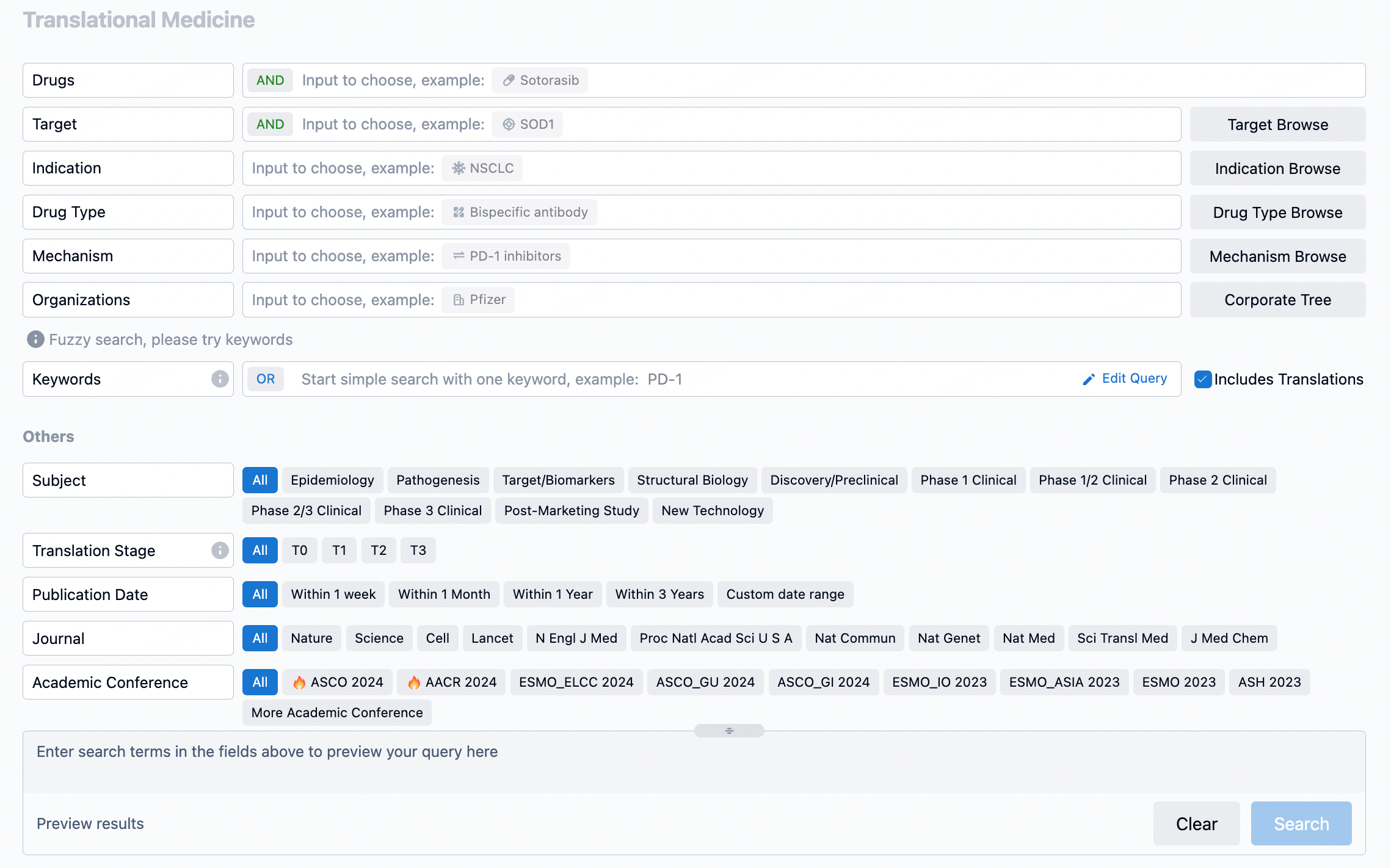
The transational medicine section of the Synapse database supports searches based on fields such as drug, target, and indication, covering the T0-T3 stages of translation. Additionally, it offers a historical conference search function as well as filtering options, view modes, translation services, and highlights summaries, providing you with a unique search experience.
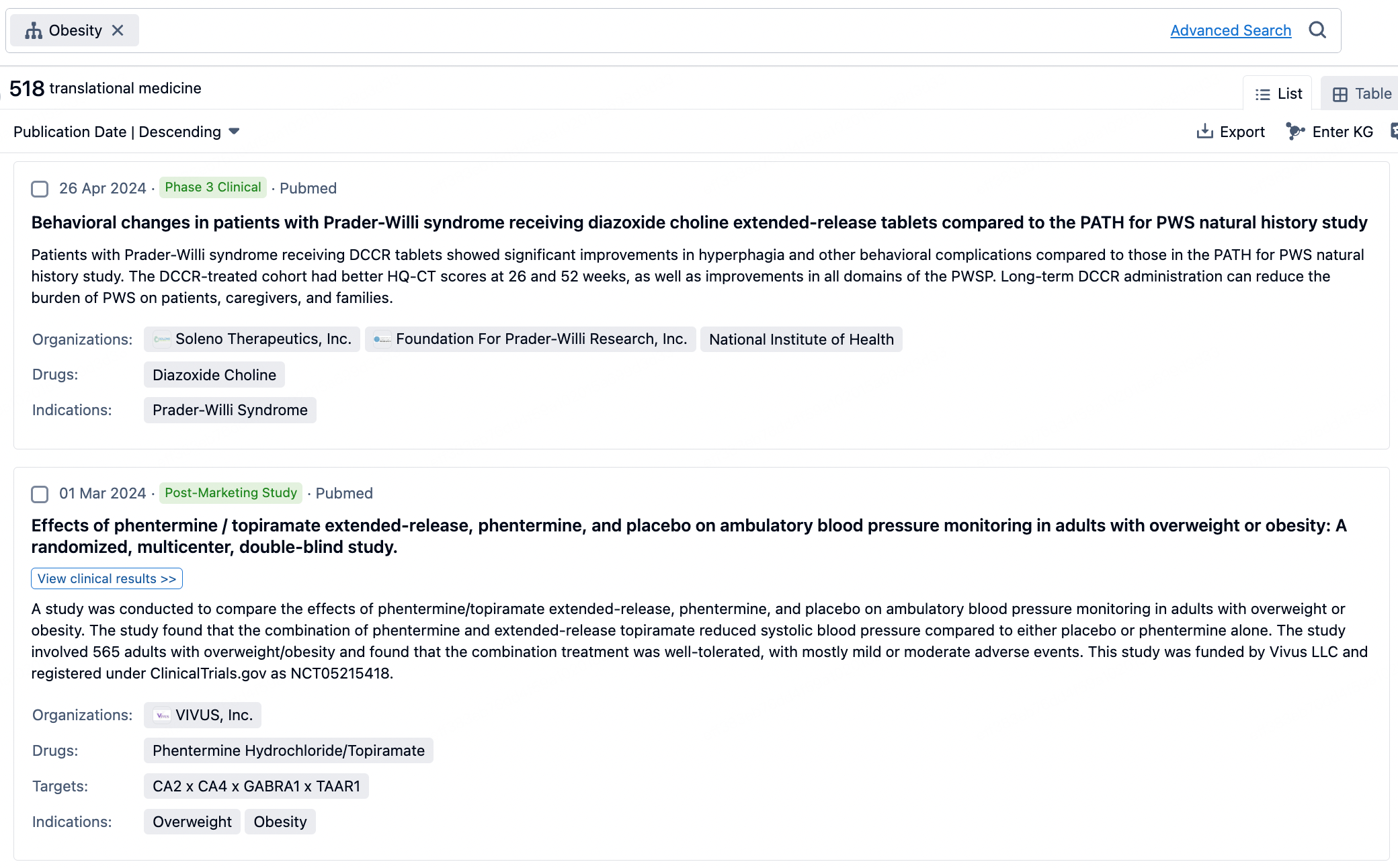
Taking obesity as an example, select "obesity" under the indication category and click search to enter the Translational Medicine results list page. By clicking on the title, you can directly navigate to the original page.
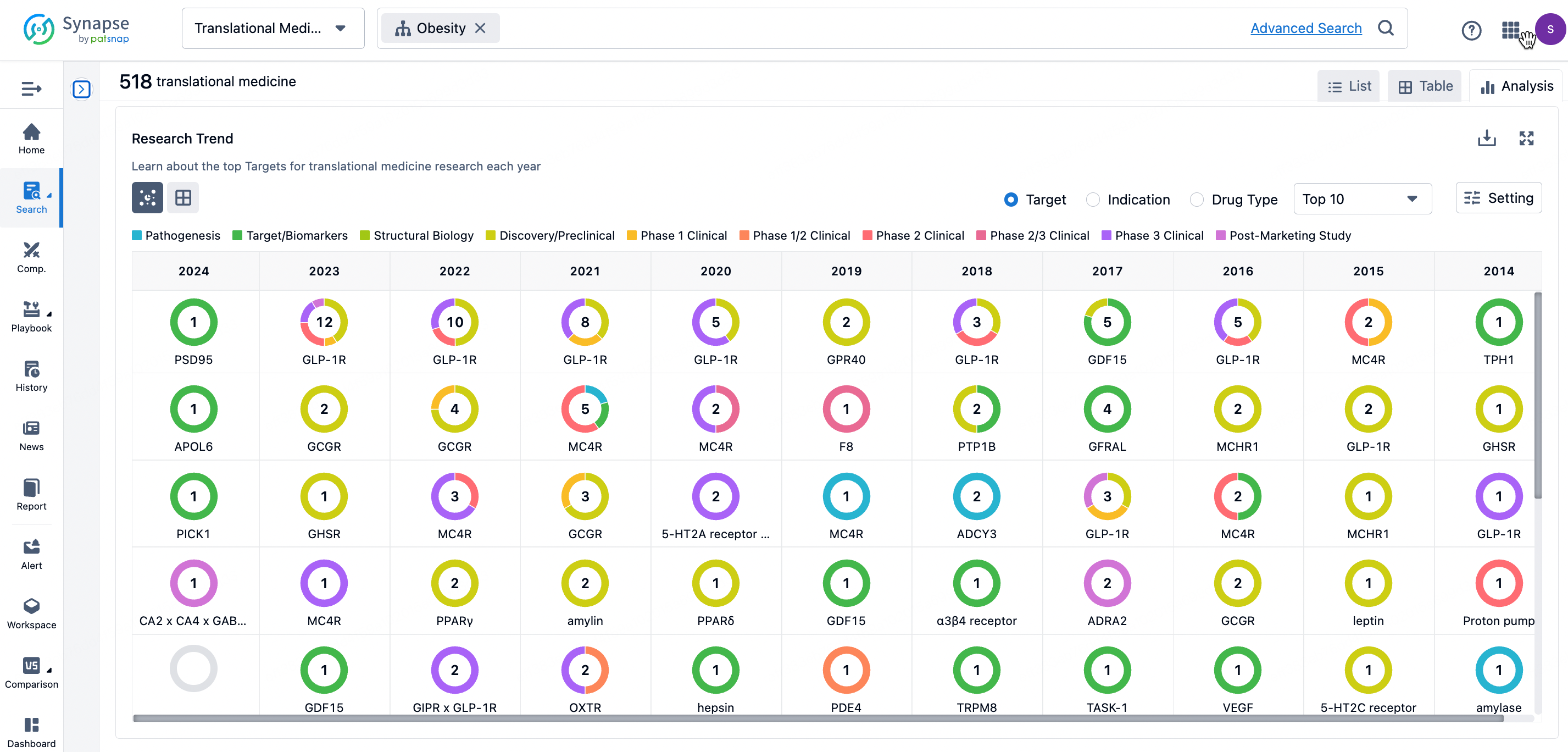
By clicking the analysis button, you can observe that GLP-1R treatment for obesity has gained significant attention over the past three years, with preclinical research still ongoing in 2023. Additionally, there are emerging potential targets, such as GDF15, among others.
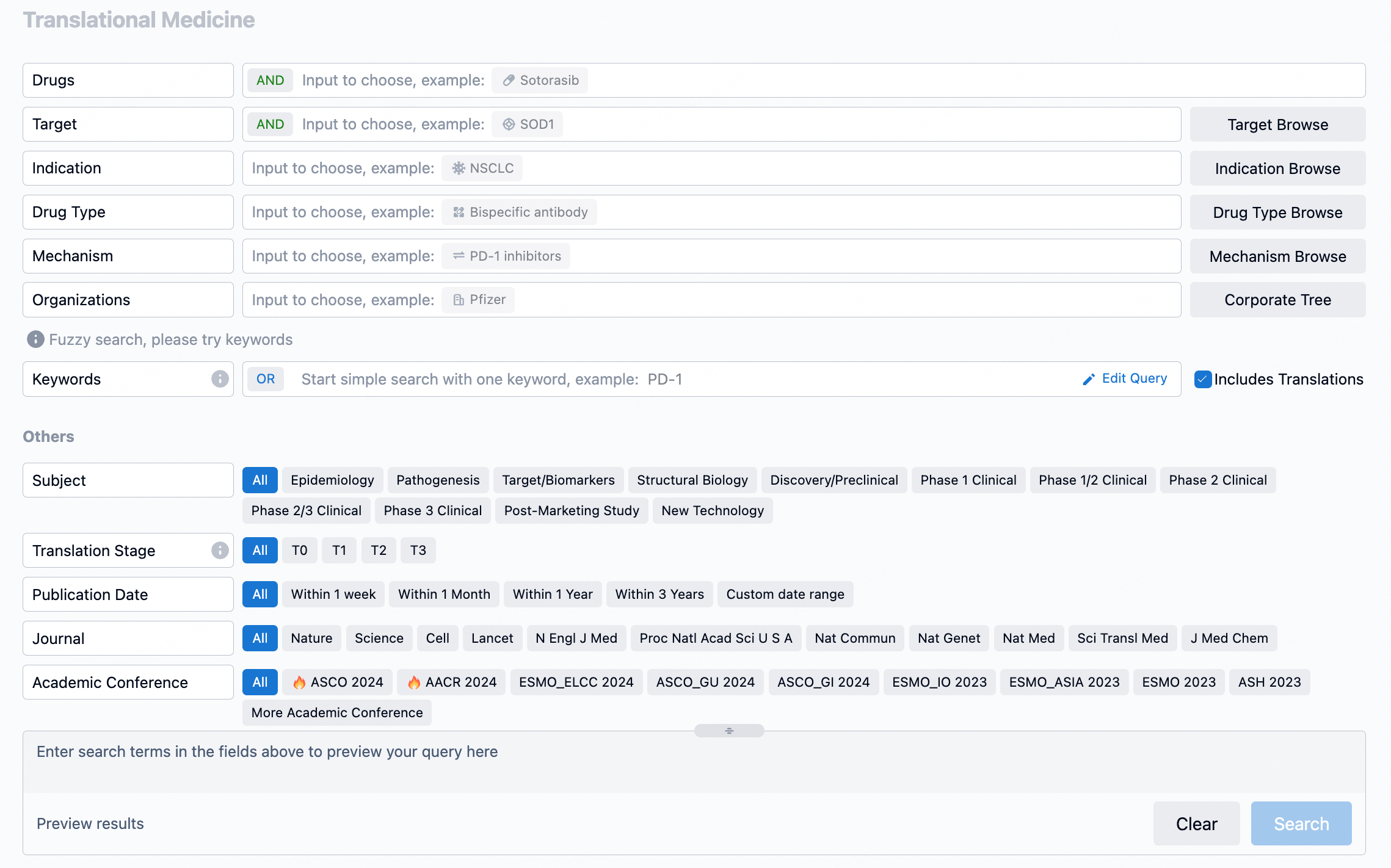
Click on the image below to go directly to the Translational Medicine search interface.