Harnessing TSC-100: Unleashing the Power of Natural HA-1-specific TCRs in Post-Transplant Leukemia Therapy
Using this platform, they screened a vast number of naive CD8+ T cells from several donors and identified numerous HA-1-specific TCRs. They refined the list by testing for expression and the ability to target HA-1+ cells, using a clinical-stage TCR as a benchmark. Modifications to the TCR constant region were explored to enhance expression and pairing, and a lentiviral vector was engineered to facilitate the purification of modified T cells.
The top TCR candidates were then evaluated for their cytotoxicity, cytokine production, and proliferation capabilities against a range of cell lines expressing HA-1. The most promising TCR, TSC-100, was further tested for its reactivity against a variety of HLA types and for off-target effects using a comprehensive T-Scan platform.
TSC-100 demonstrated effectiveness comparable to or exceeding that of the benchmark TCR, particularly against cells with low HA-1 and MHC-I expression. Importantly, it showed minimal allo-reactivity and off-target effects. Based on these findings, TSC-100 is being prepared for first-in-human trials, representing a promising development in TCR immunotherapy for liquid tumors.
The study was conducted with ethical approval, using clinical samples collected under IRB-approved protocols. The results underscore the potential of TCR immunotherapy in targeting minor histocompatibility antigens like HA-1, offering a new avenue for treating relapsed leukemia.
How to Use Synapse Database to Search and Analyze Translational Medicine Data?
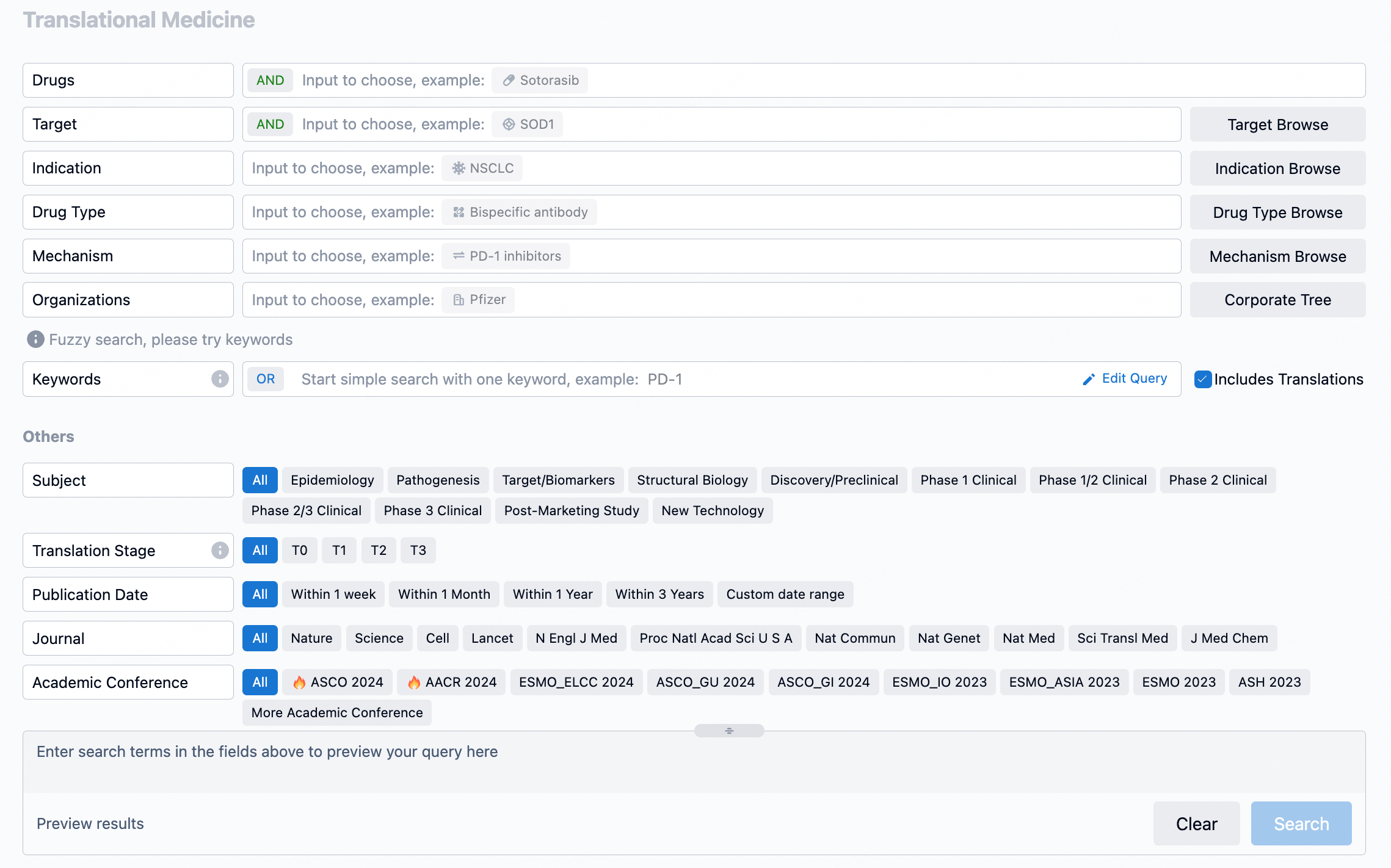
The transational medicine section of the Synapse database supports searches based on fields such as drug, target, and indication, covering the T0-T3 stages of translation. Additionally, it offers a historical conference search function as well as filtering options, view modes, translation services, and highlights summaries, providing you with a unique search experience.
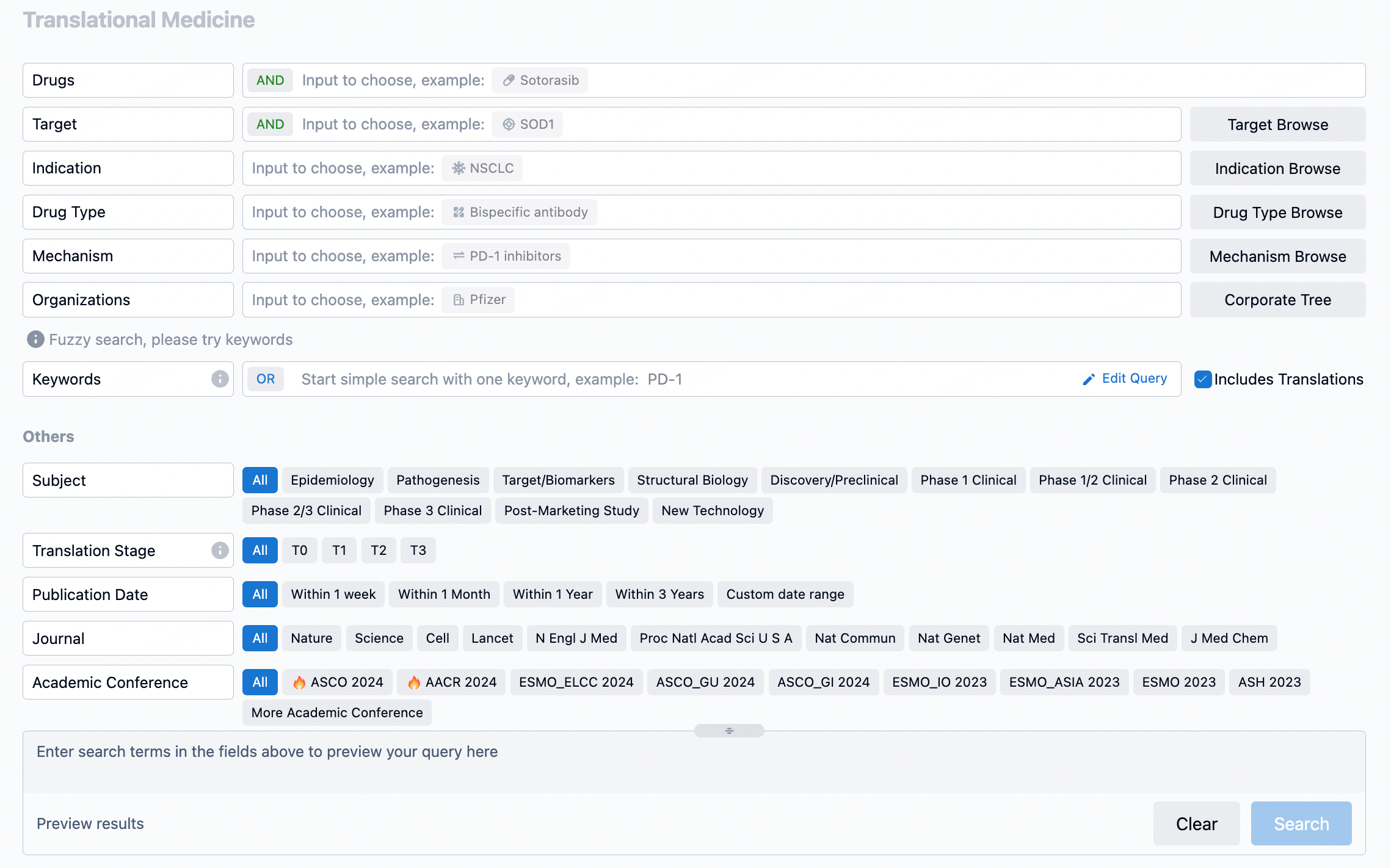
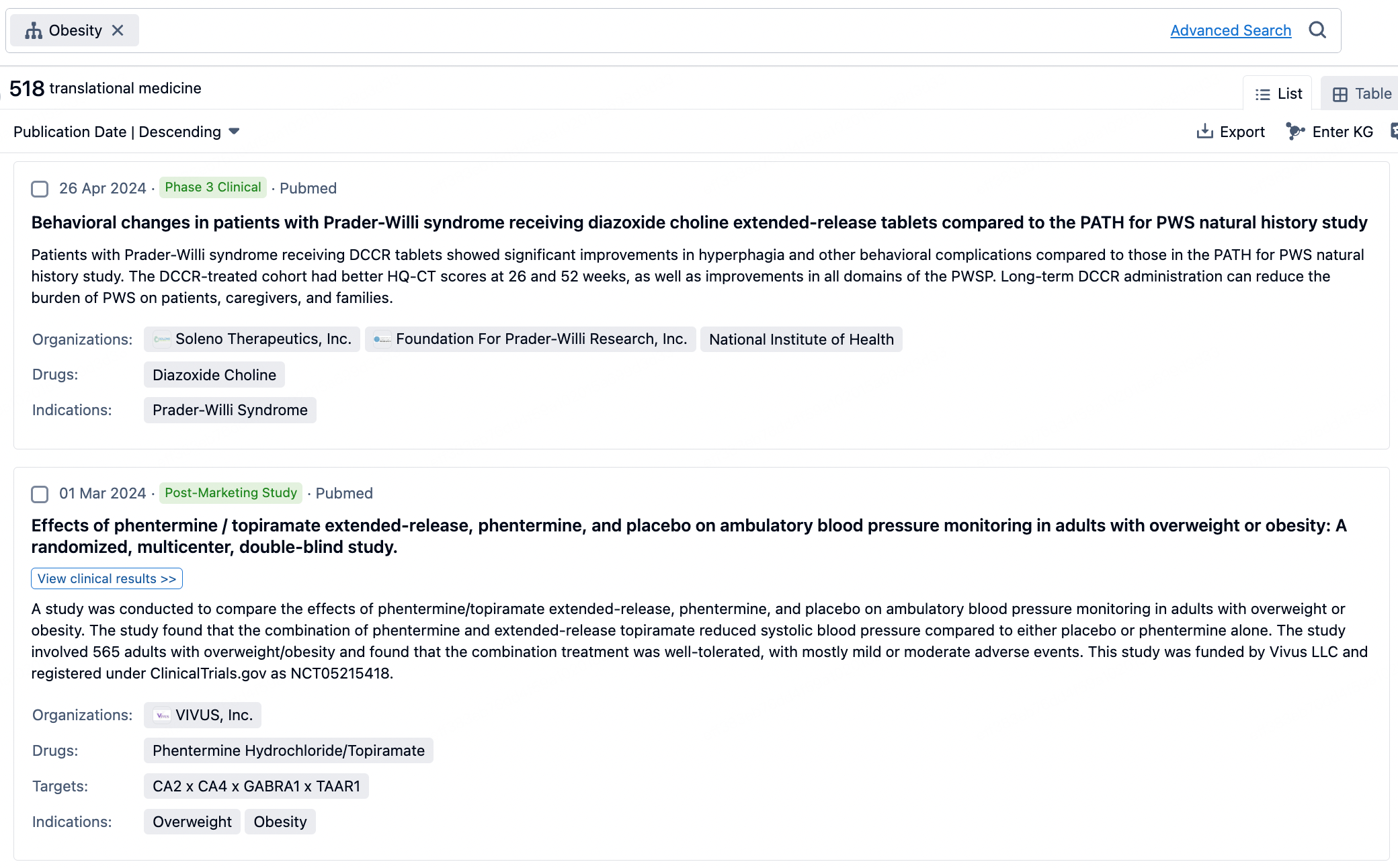
Taking obesity as an example, select "obesity" under the indication category and click search to enter the Translational Medicine results list page. By clicking on the title, you can directly navigate to the original page.
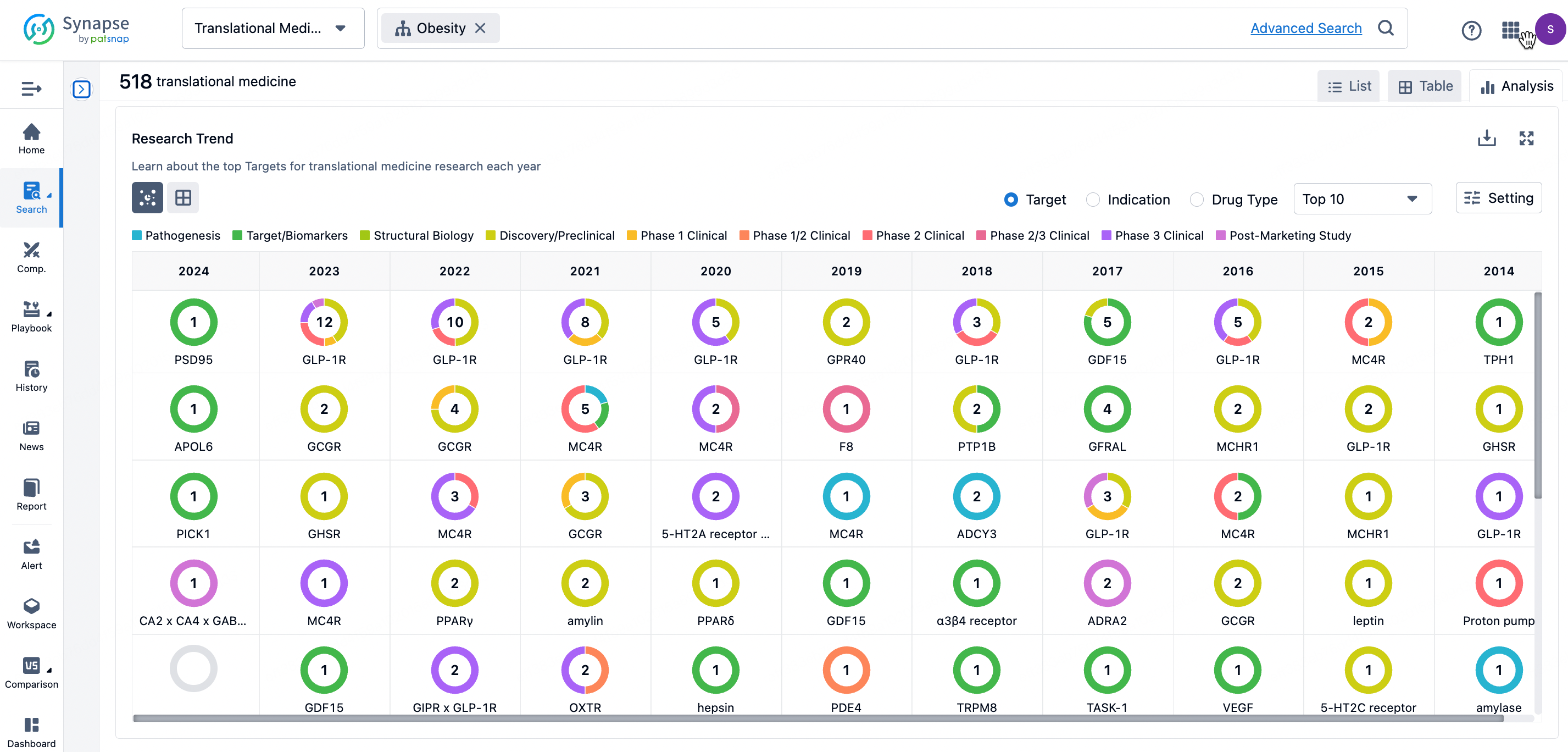
By clicking the analysis button, you can observe that GLP-1R treatment for obesity has gained significant attention over the past three years, with preclinical research still ongoing in 2023. Additionally, there are emerging potential targets, such as GDF15, among others.
Click on the image below to go directly to the Translational Medicine search interface.