Request Demo
How do dendritic cells activate T cells?
28 May 2025
Understanding Dendritic Cells and T Cells
The immune system is a complex network designed to protect the body from harmful pathogens. Among its many components, dendritic cells and T cells play crucial roles. Dendritic cells act as messengers between the innate and adaptive immune systems, while T cells are essential for adaptive immunity. Understanding how dendritic cells activate T cells is vital for grasping how the body mounts an immune response.
The Role of Dendritic Cells
Dendritic cells are a type of antigen-presenting cell (APC). Their primary responsibility is to capture antigens from pathogens, process them, and present them to T cells. These cells are found in tissues that are in contact with the external environment, such as the skin and the linings of the nose, lungs, stomach, and intestines. Immature dendritic cells sample the environment and, upon encountering a pathogen, undergo maturation.
Antigen Capture and Processing
When a pathogen invades the body, dendritic cells capture and internalize antigens through a process known as endocytosis. Once inside, these antigens are degraded into smaller peptides. This processing is crucial as it prepares the antigens for presentation to T cells. The processed antigens are then loaded onto major histocompatibility complex (MHC) molecules. There are two types of MHC molecules: Class I and Class II, each presenting antigens to different subsets of T cells.
Antigen Presentation to T Cells
Mature dendritic cells migrate to lymphoid organs, where they encounter naive T cells. Here, the dendritic cells present the processed antigens on their surface via MHC molecules. MHC Class I molecules present antigens to CD8+ T cells (cytotoxic T cells), while MHC Class II molecules present to CD4+ T cells (helper T cells). This interaction is the first signal necessary for T cell activation.
Providing Co-Stimulatory Signals
However, antigen presentation alone is not sufficient to activate T cells. Dendritic cells provide additional co-stimulatory signals required for full T cell activation. These co-stimulatory molecules, such as CD80 and CD86 on the dendritic cells, interact with CD28 on the T cells. This second signal is crucial for preventing anergic (inactive) states in T cells and ensuring a robust immune response.
Cytokine Release and T Cell Differentiation
Beyond antigen presentation and co-stimulation, dendritic cells also secrete cytokines that influence T cell differentiation. Depending on the cytokine environment, naive CD4+ T cells can differentiate into various subsets like Th1, Th2, Th17, or regulatory T cells. Each subset plays a specific role in orchestrating the immune response, ranging from fighting infections to regulating immune reactions to prevent autoimmunity.
Implications for Vaccines and Immunotherapies
Understanding how dendritic cells activate T cells has significant implications for developing vaccines and immunotherapies. Vaccines often aim to mimic this natural process to elicit a protective immune response without causing disease. Similarly, harnessing dendritic cells for cancer immunotherapy involves enhancing their ability to activate T cells against tumor antigens, offering promising avenues for treating cancers.
Conclusion
In summary, dendritic cells are pivotal in bridging innate and adaptive immunity by capturing, processing, and presenting antigens to T cells. Through a series of well-coordinated steps involving antigen presentation, co-stimulation, and cytokine signaling, dendritic cells ensure that T cells are effectively activated to combat pathogens. This intricate dance between dendritic cells and T cells not only safeguards our health but also opens doors to innovative treatments for various diseases.
The immune system is a complex network designed to protect the body from harmful pathogens. Among its many components, dendritic cells and T cells play crucial roles. Dendritic cells act as messengers between the innate and adaptive immune systems, while T cells are essential for adaptive immunity. Understanding how dendritic cells activate T cells is vital for grasping how the body mounts an immune response.
The Role of Dendritic Cells
Dendritic cells are a type of antigen-presenting cell (APC). Their primary responsibility is to capture antigens from pathogens, process them, and present them to T cells. These cells are found in tissues that are in contact with the external environment, such as the skin and the linings of the nose, lungs, stomach, and intestines. Immature dendritic cells sample the environment and, upon encountering a pathogen, undergo maturation.
Antigen Capture and Processing
When a pathogen invades the body, dendritic cells capture and internalize antigens through a process known as endocytosis. Once inside, these antigens are degraded into smaller peptides. This processing is crucial as it prepares the antigens for presentation to T cells. The processed antigens are then loaded onto major histocompatibility complex (MHC) molecules. There are two types of MHC molecules: Class I and Class II, each presenting antigens to different subsets of T cells.
Antigen Presentation to T Cells
Mature dendritic cells migrate to lymphoid organs, where they encounter naive T cells. Here, the dendritic cells present the processed antigens on their surface via MHC molecules. MHC Class I molecules present antigens to CD8+ T cells (cytotoxic T cells), while MHC Class II molecules present to CD4+ T cells (helper T cells). This interaction is the first signal necessary for T cell activation.
Providing Co-Stimulatory Signals
However, antigen presentation alone is not sufficient to activate T cells. Dendritic cells provide additional co-stimulatory signals required for full T cell activation. These co-stimulatory molecules, such as CD80 and CD86 on the dendritic cells, interact with CD28 on the T cells. This second signal is crucial for preventing anergic (inactive) states in T cells and ensuring a robust immune response.
Cytokine Release and T Cell Differentiation
Beyond antigen presentation and co-stimulation, dendritic cells also secrete cytokines that influence T cell differentiation. Depending on the cytokine environment, naive CD4+ T cells can differentiate into various subsets like Th1, Th2, Th17, or regulatory T cells. Each subset plays a specific role in orchestrating the immune response, ranging from fighting infections to regulating immune reactions to prevent autoimmunity.
Implications for Vaccines and Immunotherapies
Understanding how dendritic cells activate T cells has significant implications for developing vaccines and immunotherapies. Vaccines often aim to mimic this natural process to elicit a protective immune response without causing disease. Similarly, harnessing dendritic cells for cancer immunotherapy involves enhancing their ability to activate T cells against tumor antigens, offering promising avenues for treating cancers.
Conclusion
In summary, dendritic cells are pivotal in bridging innate and adaptive immunity by capturing, processing, and presenting antigens to T cells. Through a series of well-coordinated steps involving antigen presentation, co-stimulation, and cytokine signaling, dendritic cells ensure that T cells are effectively activated to combat pathogens. This intricate dance between dendritic cells and T cells not only safeguards our health but also opens doors to innovative treatments for various diseases.
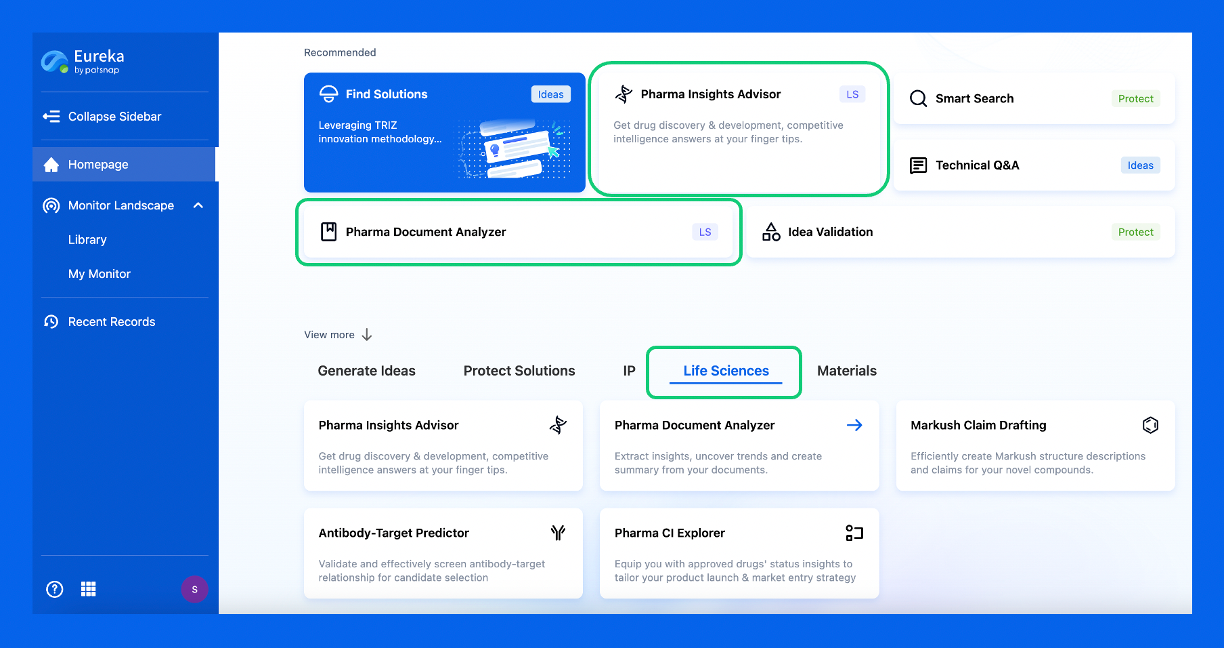
Discover Eureka LS: AI Agents Built for Biopharma Efficiency
Stop wasting time on biopharma busywork. Meet Eureka LS - your AI agent squad for drug discovery.
▶ See how 50+ research teams saved 300+ hours/month
From reducing screening time to simplifying Markush drafting, our AI Agents are ready to deliver immediate value. Explore Eureka LS today and unlock powerful capabilities that help you innovate with confidence.
AI Agents Built for Biopharma Breakthroughs
Accelerate discovery. Empower decisions. Transform outcomes.
Get started for free today!
Accelerate Strategic R&D decision making with Synapse, PatSnap’s AI-powered Connected Innovation Intelligence Platform Built for Life Sciences Professionals.
Start your data trial now!
Synapse data is also accessible to external entities via APIs or data packages. Empower better decisions with the latest in pharmaceutical intelligence.