Request Demo
How does Ixekizumabcompare with other treatments for Psoriasis?
7 March 2025
Overview of Psoriasis and Its Treatments
Psoriasis is a chronic, immune‐mediated inflammatory skin disease characterized by rapid epidermal cell turnover, resulting in thick, scaly, erythematous plaques. This condition affects approximately 2–3% of the population worldwide and is associated with significant physical discomfort, emotional distress, and a considerable reduction in quality of life. The pathology of psoriasis implicates a complex interplay between genetic predisposition and immune dysregulation, with an overexpression of pro-inflammatory cytokines driving the cutaneous manifestations and various comorbidities such as psoriatic arthritis, metabolic syndrome, and cardiovascular disorders.
Understanding Psoriasis
At its core, psoriasis is not merely a disease of the skin but a systemic inflammatory condition. The immune response that underlies psoriasis involves several key players, including T lymphocytes (especially Th17 cells), dendritic cells, and a variety of cytokines such as tumor necrosis factor (TNF)-α, interleukin (IL)-12, IL-23, and most notably IL-17A. The excessive production of these cytokines leads to hyperproliferation of keratinocytes and an aberrant differentiation process, which together manifest as the characteristic plaques seen in the disease. Patients with psoriasis often experience associated joint pain (psoriatic arthritis), increased risk of cardiovascular events, and an overall diminished quality of life due to the visible and often stigmatizing nature of the disease.
Current Treatment Options
Treatment strategies for psoriasis encompass a broad spectrum, ranging from topical therapies for mild cases to phototherapy and systemic treatments for moderate-to-severe disease. Topicals like corticosteroids, vitamin D analogues, and calcineurin inhibitors are common in initial management but may not be adequate for extensive or recalcitrant cases. Traditional systemic therapies include methotrexate, cyclosporine, and acitretin; however, these agents often come with significant side effects and require close monitoring. Over the past two decades, biologic therapies—targeted agents that specifically interfere with key mediators of the inflammatory response—have revolutionized psoriasis care. These include TNF inhibitors (e.g., adalimumab, etanercept, infliximab), IL-12/23 inhibitors (e.g., ustekinumab), IL-23 inhibitors (e.g., guselkumab, risankizumab), and IL-17 inhibitors (e.g., secukinumab, ixekizumab, brodalumab). The advent of biologics has offered more consistent response rates, improved quality of life, and a favorable benefit/risk profile compared to conventional treatments.
Ixekizumab in Psoriasis Treatment
Ixekizumab is a biologic therapy that specifically targets IL-17A, a cytokine that plays a central role in the immunopathogenesis of psoriasis. It has emerged as one of the frontline treatments for moderate-to-severe psoriasis, demonstrating robust clinical efficacy, rapid onset of action, and a generally favorable safety profile.
Mechanism of Action
Ixekizumab is a humanized monoclonal IgG4 antibody that selectively binds to IL-17A. By neutralizing IL-17A, ixekizumab prevents this cytokine from interacting with its receptor on keratinocytes and other cell types, thereby disrupting the downstream inflammatory cascade that leads to the psoriatic phenotype. The interruption of IL-17A signaling halts the inflammatory recruitment of neutrophils, reduces keratinocyte hyperproliferation, and diminishes the production of pro-inflammatory mediators that are responsible for the redness, scaling, and thickening of the skin observed in psoriasis. This precise mechanism of targeted immunomodulation not only provides rapid clinical improvement but also minimizes off-target effects, contributing to the overall safety of the treatment.
Clinical Trial Results
Clinical trials, notably the extensive Phase III UNCOVER studies, have demonstrated that ixekizumab achieves high response rates in terms of skin clearance. In these trials, a significant percentage of patients attained a 75% or greater improvement in the Psoriasis Area and Severity Index (PASI 75) by week 12, with many patients reaching PASI 90 or even 100 responses. Moreover, ixekizumab has shown a rapid onset of action, with noticeable clinical improvements often observed within the first few weeks of treatment. Longitudinal studies have confirmed that these improvements can be maintained over extended periods, offering sustained efficacy even up to 5 years in some cases.
Real-world evidence further supports these findings, with multiple observational studies indicating that ixekizumab not only achieves similar or better skin clearance compared to other biologics but also exhibits high treatment persistence and adherence among patients in everyday clinical practice. The overall safety profile observed in these trials is consistent with the expected pharmacological effects of IL-17 inhibition, with common adverse events including nasopharyngitis and injection site reactions being generally mild and manageable.
Comparative Analysis with Other Treatments
When comparing ixekizumab to other treatments for psoriasis, it is important to evaluate several dimensions including efficacy, safety, and cost-effectiveness. Different biologic agents and conventional systemic therapies each have distinct mechanisms, response rates, and side effect profiles that influence their clinical utility.
Efficacy Comparison
In head-to-head comparisons and network meta-analyses, ixekizumab has consistently demonstrated superior or comparable efficacy relative to other biologic treatments. For instance, data indicate that ixekizumab has achieved higher PASI 75, PASI 90, and PASI 100 response rates compared to adalimumab, a TNF inhibitor, as well as to etanercept and ustekinumab in clinical trials.
Specifically, ixekizumab’s rapid onset of action is frequently highlighted, with clinical improvement observed as early as week 2 in some studies. In the UNCOVER trials, patients treated with ixekizumab exhibited remarkable skin clearance by week 12, with a considerable proportion achieving near-complete or complete clearance (PASI 90/100). Comparative studies have also shown that when measured against other IL-17 inhibitors such as secukinumab, the efficacy of ixekizumab is non-inferior, with some analyses suggesting an edge in terms of more rapid or deeper clearance in particular patient subsets.
Moreover, real-world registry data and observational studies support these findings, showing high persistence and a lower risk of treatment switching among patients on ixekizumab compared to those on other biologics. The consistency of these findings across both controlled clinical trials and everyday clinical practice underscores the high efficacy of ixekizumab in controlling moderate-to-severe psoriasis.
Safety and Side Effects
The safety profile of ixekizumab is an essential component of its overall clinical utility. Across multiple large-scale trials and integrated safety analyses, ixekizumab has been associated with a favorable tolerability profile. The most commonly reported adverse events include nasopharyngitis, upper respiratory tract infections, and injection site reactions; these events are generally mild and self-limited.
When directly compared to other biologics such as adalimumab, etanercept, and ustekinumab, ixekizumab’s incidence of serious adverse events is similar or lower, with no new or unexpected safety signals emerging over the long term. Some studies have noted a slightly increased risk of Candida infections due to the role of IL-17 in mucocutaneous immunity; however, these infections are predominantly localized and have not translated into an increased risk of systemic or invasive disease.
In comparative trials—which include head-to-head studies against other IL-17 inhibitors like secukinumab—ixekizumab’s safety data have been consistent with its known profile, and its adverse effects are comparable in frequency and severity to those of its peers. Importantly, the integrated safety data over several years of exposure indicate that the incidence rates for treatment-emergent adverse events decrease or remain stable over time, reflecting improved tolerability with prolonged treatment.
Cost-Effectiveness
Cost-effectiveness is a crucial aspect of treatment decision-making, particularly in the context of chronic diseases like psoriasis where long-term management is necessary. Pharmacoeconomic analyses have demonstrated that ixekizumab can be cost-effective when compared to other biologic therapies, including adalimumab, etanercept, and secukinumab.
For example, some cost-effectiveness studies have reported incremental cost-effectiveness ratios (ICERs) that position ixekizumab competitively against other treatment sequences, with ixekizumab associated with longer treatment persistence, higher rates of adherence, and lower risks of discontinuation or switching. These factors contribute to improved overall treatment outcomes and, when combined with robust clinical efficacy, support the economic viability of ixekizumab despite its high acquisition cost.
Furthermore, cost-effectiveness models have suggested that when ixekizumab is incorporated as a second-line therapy in a treatment sequence, it may offer incremental cost-effectiveness ratios within acceptable thresholds for quality-adjusted life years (QALYs) gained, thereby making it an attractive option in health policy and reimbursement discussions. While some models indicate that a slight dose reduction or optimized dosing regimen could further enhance ixekizumab’s cost-effectiveness, the overall positioning remains strong relative to other high-cost biologic agents for moderate-to-severe psoriasis.
Patient Outcomes and Quality of Life
Beyond the clinical parameters of skin clearance, the impact of psoriasis treatments on patient quality of life is of paramount importance. Patient-reported outcomes (PROs) such as the Dermatology Life Quality Index (DLQI) provide critical insights into how treatments like ixekizumab improve daily functioning and overall well-being.
Impact on Patient Quality of Life
Ixekizumab has been associated with rapid and clinically meaningful improvements in quality of life as measured by validated tools such as the DLQI. Patients experience not only significant reductions in the physical manifestations of psoriasis but also improvements in psychosocial domains, including self-esteem and social engagement. The rapid onset of action observed with ixekizumab translates into early relief from the often debilitating symptoms of psoriasis, which in turn correlates with enhanced life quality and work productivity. Real-world studies have shown that patients on ixekizumab report higher levels of satisfaction and adherence, indicative of both the clinical and perceived benefits of the treatment.
Compared to treatment options like adalimumab or ustekinumab, ixekizumab often results in a greater number of “clear skin” days and “itch-free” days during the treatment period, outcomes that are highly valued by patients and which significantly contribute to overall patient satisfaction. These quality-of-life improvements have a cascading effect on patient psychological health and are crucial in a disease that is as socially stigmatizing as psoriasis.
Long-term Outcomes
Long-term outcomes are essential in the management of a chronic condition such as psoriasis. Data from both clinical trials and real-world observational studies indicate that the efficacy of ixekizumab is sustained over prolonged treatment periods, with maintained improvements in PASI scores and joint symptoms in patients with concomitant psoriatic arthritis. Over extended follow-up, studies report that ixekizumab-treated patients continue to experience high rates of skin clearance and stable or improved quality-of-life scores, without an increasing incidence of adverse events.
In long-term safety analyses encompassing over 18,000 patient-years of exposure, ixekizumab has maintained a consistent safety and tolerability profile, which is pivotal in the context of lifelong therapy for moderate-to-severe psoriasis. The durability of the treatment effect and the stable long-term safety data further underscore the benefits of ixekizumab as a reliable and enduring therapy option for patients with psoriasis, ensuring both improved clinical outcomes and sustained enhancements in quality of life over the course of treatment.
Future Directions and Research
The treatment landscape for psoriasis continues to evolve, with ongoing research aiming to further improve efficacy, safety, and patient-centered outcomes. As ixekizumab firmly establishes its role in the therapeutic armamentarium, it is also being compared with next-generation therapies and explored in combination regimens to further optimize results.
Emerging Treatments
Emerging treatments are now focusing on more selective inhibition of inflammatory pathways as well as dual-targeted therapies. For example, new biologics that target multiple cytokines, such as bimekizumab (which simultaneously inhibits IL-17A and IL-17F), are showing promising results in clinical trials and may offer enhanced efficacy in some patient populations. Other emerging IL-23 inhibitors and agents targeting different aspects of the immune response, such as IL-12/23 and JAK inhibitors, are also in development and may provide alternative or complementary mechanisms in the treatment of psoriasis.
Comparative studies suggest that while these emerging treatments may offer incremental improvements in either efficacy or convenience, ixekizumab’s profile in terms of rapid onset, high clearance rates, and robust long-term outcomes continues to set a high benchmark. Future research may incorporate head-to-head trials and real-world analyses to better elucidate the specific patient subgroups that may benefit most from ixekizumab compared to these newer agents.
Ongoing Research and Trials
Ongoing clinical trials are further investigating ixekizumab in various psoriasis subtypes, such as guttate psoriasis and scalp psoriasis, as well as in patients with psoriatic arthritis and axial spondyloarthritis. These studies aim to refine dosing regimens, evaluate combination therapies with traditional systemic agents, and expand the understanding of ixekizumab’s safety profile in special populations such as the elderly and those with comorbid conditions. In addition, long-term extension studies and real-world evidence registries are continuously monitoring treatment persistence, discontinuation rates, and quality-of-life outcomes to provide additional data that can aid clinicians in making informed treatment decisions.
Research efforts are also directed at identifying biomarkers of response that could help predict which patients are most likely to benefit from ixekizumab, thereby enabling a more personalized approach to psoriasis management. The development of novel immunological assays and genetic profiling techniques is expected to further clarify the safety and efficacy profiles of IL-17 inhibitors and perhaps indicate tailored treatment strategies that enhance overall outcomes.
Detailed and Explicit Conclusion
In summary, ixekizumab stands out among psoriasis treatments due to its targeted mechanism of action, which involves neutralization of IL-17A—a key mediator in the pathogenesis of psoriasis. Clinical trials, notably the large-scale Phase III UNCOVER studies, have demonstrated that ixekizumab produces rapid and marked skin clearance, with many patients achieving PASI 75, PASI 90, or even PASI 100 responses as early as week 12. These results are corroborated by extensive real-world evidence, which highlights its high treatment persistence, improved adherence, and sustained efficacy over long treatment periods.
From a comparative standpoint, ixekizumab compares favorably against other biologics such as adalimumab, etanercept, and ustekinumab in terms of both efficacy and rapidity of skin clearance. Its safety profile is similarly favorable, with only mild and manageable adverse events observed, and a low incidence of serious infections or other long-term complications. Cost-effectiveness models further support its value as a treatment option, showing competitive incremental cost-effectiveness ratios and advantages related to higher adherence and lower treatment discontinuation rates, which are critical factors in the long-term management of a chronic disease like psoriasis.
In addition to these clinical and economic benefits, ixekizumab has a significant positive impact on patient-reported outcomes and quality of life. Rapid clearance of psoriatic lesions translates to more “clear skin” or “itch-free” days, which not only relieve physical symptoms but also alleviate the psychological burden associated with this stigmatizing disease. Long-term outcome data reinforce that these improvements are durable over several years, ensuring ongoing relief of symptoms without a cumulative increase in adverse events.
Looking ahead, the future of psoriasis treatment is promising as emerging therapies and ongoing research continue to refine and expand the therapeutic options available. While novel agents such as bimekizumab offer exciting potential, current evidence positions ixekizumab as a benchmark for rapid, robust, and sustainable treatment responses. Its role in combination therapy, further personalization of treatment through biomarker research, and its efficacy in difficult-to-treat areas (such as scalp or pustular psoriasis) are avenues that continued research will likely explore in greater depth.
In conclusion, ixekizumab compares very favorably with other treatments for psoriasis across multiple dimensions. It offers a highly specific mechanism of action, exceptional clinical efficacy with rapid onset, and a long-term safety profile that remains consistent even with extended use. Its cost-effectiveness, driven by high adherence and persistent therapeutic responses, along with its substantial positive impact on patients’ quality of life, make it a vital treatment option in the contemporary management of moderate-to-severe psoriasis. As research continues to evolve, ixekizumab’s established benefits and its potential to integrate into more personalized treatment regimens ensure that it will remain a cornerstone in psoriasis therapy for the foreseeable future.
Psoriasis is a chronic, immune‐mediated inflammatory skin disease characterized by rapid epidermal cell turnover, resulting in thick, scaly, erythematous plaques. This condition affects approximately 2–3% of the population worldwide and is associated with significant physical discomfort, emotional distress, and a considerable reduction in quality of life. The pathology of psoriasis implicates a complex interplay between genetic predisposition and immune dysregulation, with an overexpression of pro-inflammatory cytokines driving the cutaneous manifestations and various comorbidities such as psoriatic arthritis, metabolic syndrome, and cardiovascular disorders.
Understanding Psoriasis
At its core, psoriasis is not merely a disease of the skin but a systemic inflammatory condition. The immune response that underlies psoriasis involves several key players, including T lymphocytes (especially Th17 cells), dendritic cells, and a variety of cytokines such as tumor necrosis factor (TNF)-α, interleukin (IL)-12, IL-23, and most notably IL-17A. The excessive production of these cytokines leads to hyperproliferation of keratinocytes and an aberrant differentiation process, which together manifest as the characteristic plaques seen in the disease. Patients with psoriasis often experience associated joint pain (psoriatic arthritis), increased risk of cardiovascular events, and an overall diminished quality of life due to the visible and often stigmatizing nature of the disease.
Current Treatment Options
Treatment strategies for psoriasis encompass a broad spectrum, ranging from topical therapies for mild cases to phototherapy and systemic treatments for moderate-to-severe disease. Topicals like corticosteroids, vitamin D analogues, and calcineurin inhibitors are common in initial management but may not be adequate for extensive or recalcitrant cases. Traditional systemic therapies include methotrexate, cyclosporine, and acitretin; however, these agents often come with significant side effects and require close monitoring. Over the past two decades, biologic therapies—targeted agents that specifically interfere with key mediators of the inflammatory response—have revolutionized psoriasis care. These include TNF inhibitors (e.g., adalimumab, etanercept, infliximab), IL-12/23 inhibitors (e.g., ustekinumab), IL-23 inhibitors (e.g., guselkumab, risankizumab), and IL-17 inhibitors (e.g., secukinumab, ixekizumab, brodalumab). The advent of biologics has offered more consistent response rates, improved quality of life, and a favorable benefit/risk profile compared to conventional treatments.
Ixekizumab in Psoriasis Treatment
Ixekizumab is a biologic therapy that specifically targets IL-17A, a cytokine that plays a central role in the immunopathogenesis of psoriasis. It has emerged as one of the frontline treatments for moderate-to-severe psoriasis, demonstrating robust clinical efficacy, rapid onset of action, and a generally favorable safety profile.
Mechanism of Action
Ixekizumab is a humanized monoclonal IgG4 antibody that selectively binds to IL-17A. By neutralizing IL-17A, ixekizumab prevents this cytokine from interacting with its receptor on keratinocytes and other cell types, thereby disrupting the downstream inflammatory cascade that leads to the psoriatic phenotype. The interruption of IL-17A signaling halts the inflammatory recruitment of neutrophils, reduces keratinocyte hyperproliferation, and diminishes the production of pro-inflammatory mediators that are responsible for the redness, scaling, and thickening of the skin observed in psoriasis. This precise mechanism of targeted immunomodulation not only provides rapid clinical improvement but also minimizes off-target effects, contributing to the overall safety of the treatment.
Clinical Trial Results
Clinical trials, notably the extensive Phase III UNCOVER studies, have demonstrated that ixekizumab achieves high response rates in terms of skin clearance. In these trials, a significant percentage of patients attained a 75% or greater improvement in the Psoriasis Area and Severity Index (PASI 75) by week 12, with many patients reaching PASI 90 or even 100 responses. Moreover, ixekizumab has shown a rapid onset of action, with noticeable clinical improvements often observed within the first few weeks of treatment. Longitudinal studies have confirmed that these improvements can be maintained over extended periods, offering sustained efficacy even up to 5 years in some cases.
Real-world evidence further supports these findings, with multiple observational studies indicating that ixekizumab not only achieves similar or better skin clearance compared to other biologics but also exhibits high treatment persistence and adherence among patients in everyday clinical practice. The overall safety profile observed in these trials is consistent with the expected pharmacological effects of IL-17 inhibition, with common adverse events including nasopharyngitis and injection site reactions being generally mild and manageable.
Comparative Analysis with Other Treatments
When comparing ixekizumab to other treatments for psoriasis, it is important to evaluate several dimensions including efficacy, safety, and cost-effectiveness. Different biologic agents and conventional systemic therapies each have distinct mechanisms, response rates, and side effect profiles that influence their clinical utility.
Efficacy Comparison
In head-to-head comparisons and network meta-analyses, ixekizumab has consistently demonstrated superior or comparable efficacy relative to other biologic treatments. For instance, data indicate that ixekizumab has achieved higher PASI 75, PASI 90, and PASI 100 response rates compared to adalimumab, a TNF inhibitor, as well as to etanercept and ustekinumab in clinical trials.
Specifically, ixekizumab’s rapid onset of action is frequently highlighted, with clinical improvement observed as early as week 2 in some studies. In the UNCOVER trials, patients treated with ixekizumab exhibited remarkable skin clearance by week 12, with a considerable proportion achieving near-complete or complete clearance (PASI 90/100). Comparative studies have also shown that when measured against other IL-17 inhibitors such as secukinumab, the efficacy of ixekizumab is non-inferior, with some analyses suggesting an edge in terms of more rapid or deeper clearance in particular patient subsets.
Moreover, real-world registry data and observational studies support these findings, showing high persistence and a lower risk of treatment switching among patients on ixekizumab compared to those on other biologics. The consistency of these findings across both controlled clinical trials and everyday clinical practice underscores the high efficacy of ixekizumab in controlling moderate-to-severe psoriasis.
Safety and Side Effects
The safety profile of ixekizumab is an essential component of its overall clinical utility. Across multiple large-scale trials and integrated safety analyses, ixekizumab has been associated with a favorable tolerability profile. The most commonly reported adverse events include nasopharyngitis, upper respiratory tract infections, and injection site reactions; these events are generally mild and self-limited.
When directly compared to other biologics such as adalimumab, etanercept, and ustekinumab, ixekizumab’s incidence of serious adverse events is similar or lower, with no new or unexpected safety signals emerging over the long term. Some studies have noted a slightly increased risk of Candida infections due to the role of IL-17 in mucocutaneous immunity; however, these infections are predominantly localized and have not translated into an increased risk of systemic or invasive disease.
In comparative trials—which include head-to-head studies against other IL-17 inhibitors like secukinumab—ixekizumab’s safety data have been consistent with its known profile, and its adverse effects are comparable in frequency and severity to those of its peers. Importantly, the integrated safety data over several years of exposure indicate that the incidence rates for treatment-emergent adverse events decrease or remain stable over time, reflecting improved tolerability with prolonged treatment.
Cost-Effectiveness
Cost-effectiveness is a crucial aspect of treatment decision-making, particularly in the context of chronic diseases like psoriasis where long-term management is necessary. Pharmacoeconomic analyses have demonstrated that ixekizumab can be cost-effective when compared to other biologic therapies, including adalimumab, etanercept, and secukinumab.
For example, some cost-effectiveness studies have reported incremental cost-effectiveness ratios (ICERs) that position ixekizumab competitively against other treatment sequences, with ixekizumab associated with longer treatment persistence, higher rates of adherence, and lower risks of discontinuation or switching. These factors contribute to improved overall treatment outcomes and, when combined with robust clinical efficacy, support the economic viability of ixekizumab despite its high acquisition cost.
Furthermore, cost-effectiveness models have suggested that when ixekizumab is incorporated as a second-line therapy in a treatment sequence, it may offer incremental cost-effectiveness ratios within acceptable thresholds for quality-adjusted life years (QALYs) gained, thereby making it an attractive option in health policy and reimbursement discussions. While some models indicate that a slight dose reduction or optimized dosing regimen could further enhance ixekizumab’s cost-effectiveness, the overall positioning remains strong relative to other high-cost biologic agents for moderate-to-severe psoriasis.
Patient Outcomes and Quality of Life
Beyond the clinical parameters of skin clearance, the impact of psoriasis treatments on patient quality of life is of paramount importance. Patient-reported outcomes (PROs) such as the Dermatology Life Quality Index (DLQI) provide critical insights into how treatments like ixekizumab improve daily functioning and overall well-being.
Impact on Patient Quality of Life
Ixekizumab has been associated with rapid and clinically meaningful improvements in quality of life as measured by validated tools such as the DLQI. Patients experience not only significant reductions in the physical manifestations of psoriasis but also improvements in psychosocial domains, including self-esteem and social engagement. The rapid onset of action observed with ixekizumab translates into early relief from the often debilitating symptoms of psoriasis, which in turn correlates with enhanced life quality and work productivity. Real-world studies have shown that patients on ixekizumab report higher levels of satisfaction and adherence, indicative of both the clinical and perceived benefits of the treatment.
Compared to treatment options like adalimumab or ustekinumab, ixekizumab often results in a greater number of “clear skin” days and “itch-free” days during the treatment period, outcomes that are highly valued by patients and which significantly contribute to overall patient satisfaction. These quality-of-life improvements have a cascading effect on patient psychological health and are crucial in a disease that is as socially stigmatizing as psoriasis.
Long-term Outcomes
Long-term outcomes are essential in the management of a chronic condition such as psoriasis. Data from both clinical trials and real-world observational studies indicate that the efficacy of ixekizumab is sustained over prolonged treatment periods, with maintained improvements in PASI scores and joint symptoms in patients with concomitant psoriatic arthritis. Over extended follow-up, studies report that ixekizumab-treated patients continue to experience high rates of skin clearance and stable or improved quality-of-life scores, without an increasing incidence of adverse events.
In long-term safety analyses encompassing over 18,000 patient-years of exposure, ixekizumab has maintained a consistent safety and tolerability profile, which is pivotal in the context of lifelong therapy for moderate-to-severe psoriasis. The durability of the treatment effect and the stable long-term safety data further underscore the benefits of ixekizumab as a reliable and enduring therapy option for patients with psoriasis, ensuring both improved clinical outcomes and sustained enhancements in quality of life over the course of treatment.
Future Directions and Research
The treatment landscape for psoriasis continues to evolve, with ongoing research aiming to further improve efficacy, safety, and patient-centered outcomes. As ixekizumab firmly establishes its role in the therapeutic armamentarium, it is also being compared with next-generation therapies and explored in combination regimens to further optimize results.
Emerging Treatments
Emerging treatments are now focusing on more selective inhibition of inflammatory pathways as well as dual-targeted therapies. For example, new biologics that target multiple cytokines, such as bimekizumab (which simultaneously inhibits IL-17A and IL-17F), are showing promising results in clinical trials and may offer enhanced efficacy in some patient populations. Other emerging IL-23 inhibitors and agents targeting different aspects of the immune response, such as IL-12/23 and JAK inhibitors, are also in development and may provide alternative or complementary mechanisms in the treatment of psoriasis.
Comparative studies suggest that while these emerging treatments may offer incremental improvements in either efficacy or convenience, ixekizumab’s profile in terms of rapid onset, high clearance rates, and robust long-term outcomes continues to set a high benchmark. Future research may incorporate head-to-head trials and real-world analyses to better elucidate the specific patient subgroups that may benefit most from ixekizumab compared to these newer agents.
Ongoing Research and Trials
Ongoing clinical trials are further investigating ixekizumab in various psoriasis subtypes, such as guttate psoriasis and scalp psoriasis, as well as in patients with psoriatic arthritis and axial spondyloarthritis. These studies aim to refine dosing regimens, evaluate combination therapies with traditional systemic agents, and expand the understanding of ixekizumab’s safety profile in special populations such as the elderly and those with comorbid conditions. In addition, long-term extension studies and real-world evidence registries are continuously monitoring treatment persistence, discontinuation rates, and quality-of-life outcomes to provide additional data that can aid clinicians in making informed treatment decisions.
Research efforts are also directed at identifying biomarkers of response that could help predict which patients are most likely to benefit from ixekizumab, thereby enabling a more personalized approach to psoriasis management. The development of novel immunological assays and genetic profiling techniques is expected to further clarify the safety and efficacy profiles of IL-17 inhibitors and perhaps indicate tailored treatment strategies that enhance overall outcomes.
Detailed and Explicit Conclusion
In summary, ixekizumab stands out among psoriasis treatments due to its targeted mechanism of action, which involves neutralization of IL-17A—a key mediator in the pathogenesis of psoriasis. Clinical trials, notably the large-scale Phase III UNCOVER studies, have demonstrated that ixekizumab produces rapid and marked skin clearance, with many patients achieving PASI 75, PASI 90, or even PASI 100 responses as early as week 12. These results are corroborated by extensive real-world evidence, which highlights its high treatment persistence, improved adherence, and sustained efficacy over long treatment periods.
From a comparative standpoint, ixekizumab compares favorably against other biologics such as adalimumab, etanercept, and ustekinumab in terms of both efficacy and rapidity of skin clearance. Its safety profile is similarly favorable, with only mild and manageable adverse events observed, and a low incidence of serious infections or other long-term complications. Cost-effectiveness models further support its value as a treatment option, showing competitive incremental cost-effectiveness ratios and advantages related to higher adherence and lower treatment discontinuation rates, which are critical factors in the long-term management of a chronic disease like psoriasis.
In addition to these clinical and economic benefits, ixekizumab has a significant positive impact on patient-reported outcomes and quality of life. Rapid clearance of psoriatic lesions translates to more “clear skin” or “itch-free” days, which not only relieve physical symptoms but also alleviate the psychological burden associated with this stigmatizing disease. Long-term outcome data reinforce that these improvements are durable over several years, ensuring ongoing relief of symptoms without a cumulative increase in adverse events.
Looking ahead, the future of psoriasis treatment is promising as emerging therapies and ongoing research continue to refine and expand the therapeutic options available. While novel agents such as bimekizumab offer exciting potential, current evidence positions ixekizumab as a benchmark for rapid, robust, and sustainable treatment responses. Its role in combination therapy, further personalization of treatment through biomarker research, and its efficacy in difficult-to-treat areas (such as scalp or pustular psoriasis) are avenues that continued research will likely explore in greater depth.
In conclusion, ixekizumab compares very favorably with other treatments for psoriasis across multiple dimensions. It offers a highly specific mechanism of action, exceptional clinical efficacy with rapid onset, and a long-term safety profile that remains consistent even with extended use. Its cost-effectiveness, driven by high adherence and persistent therapeutic responses, along with its substantial positive impact on patients’ quality of life, make it a vital treatment option in the contemporary management of moderate-to-severe psoriasis. As research continues to evolve, ixekizumab’s established benefits and its potential to integrate into more personalized treatment regimens ensure that it will remain a cornerstone in psoriasis therapy for the foreseeable future.
Discover Eureka LS: AI Agents Built for Biopharma Efficiency
Stop wasting time on biopharma busywork. Meet Eureka LS - your AI agent squad for drug discovery.
▶ See how 50+ research teams saved 300+ hours/month
From reducing screening time to simplifying Markush drafting, our AI Agents are ready to deliver immediate value. Explore Eureka LS today and unlock powerful capabilities that help you innovate with confidence.
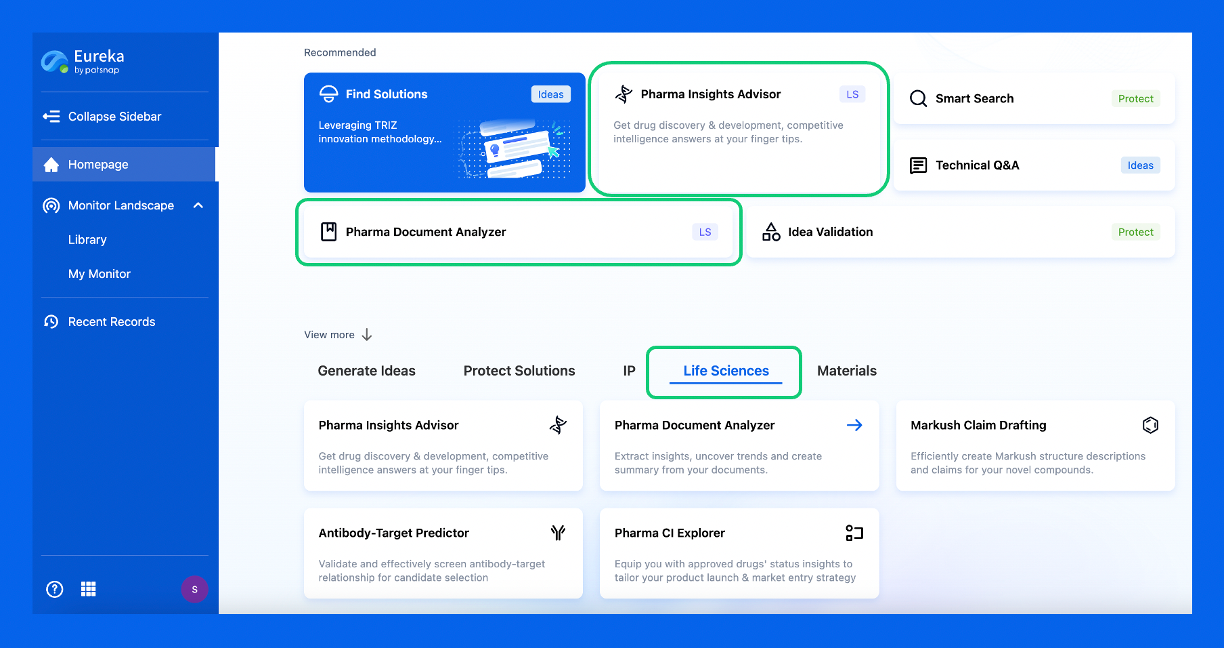
AI Agents Built for Biopharma Breakthroughs
Accelerate discovery. Empower decisions. Transform outcomes.
Get started for free today!
Accelerate Strategic R&D decision making with Synapse, PatSnap’s AI-powered Connected Innovation Intelligence Platform Built for Life Sciences Professionals.
Start your data trial now!
Synapse data is also accessible to external entities via APIs or data packages. Empower better decisions with the latest in pharmaceutical intelligence.