Overcoming Adenosine-Mediated Immunosuppression: The Therapeutic Potential of AB928
The methodology involved assessing AB928's effect on dendritic cell function using human monocyte-derived dendritic cells (moDC), which were treated with various agents and then subjected to gene expression analysis and a mixed lymphocyte reaction (MLR). Mouse models with mammary tumor AT3-OVA or melanoma B16-F10 cells were also utilized to examine AB928's impact on tumor growth when combined with chemotherapy or α-PD-1 therapy.
Findings indicate that several types of human tumors, including non-small cell lung, renal, triple-negative breast, ovarian, colorectal, and gastroesophageal cancers, express high levels of adenosine processing enzymes, making them potential targets for adenosine pathway interventions. The study also discovered a strong correlation between CD73 transcript and protein levels, validating the reliability of the techniques used.
In vitro, moDC treated with adenosine exhibited reduced capacity to stimulate IFN-γ secretion from CD4+ T-cells in an MLR, an effect that was significantly reversed by AB928. Additionally, gene expression profiling identified 39 genes influenced by adenosine during moDC differentiation, with AB928 rescuing these changes, underscoring the antagonist's role in mitigating adenosine's suppressive effects.
In vivo, AB928 demonstrated antitumor efficacy, particularly when combined with anthracycline chemotherapy, resulting in significantly reduced tumor volumes. This combination also led to an enhanced immune cell infiltrate and stromal response within tumors. Furthermore, AB928 was effective in inhibiting B16-F10 tumor growth, either as a monotherapy or in conjunction with α-PD-1.
The study concludes that targeting both A2aR and A2bR receptors with AB928 is crucial for alleviating adenosine-induced immunosuppression in cancer. AB928 not only boosts the antitumor immune response but also leads to reduced tumor growth and increased immune cell infiltration in mouse tumors. The compound has completed a phase 1 clinical trial in healthy individuals and is now being tested in cancer patients.
How to Use Synapse Database to Search and Analyze Translational Medicine Data?
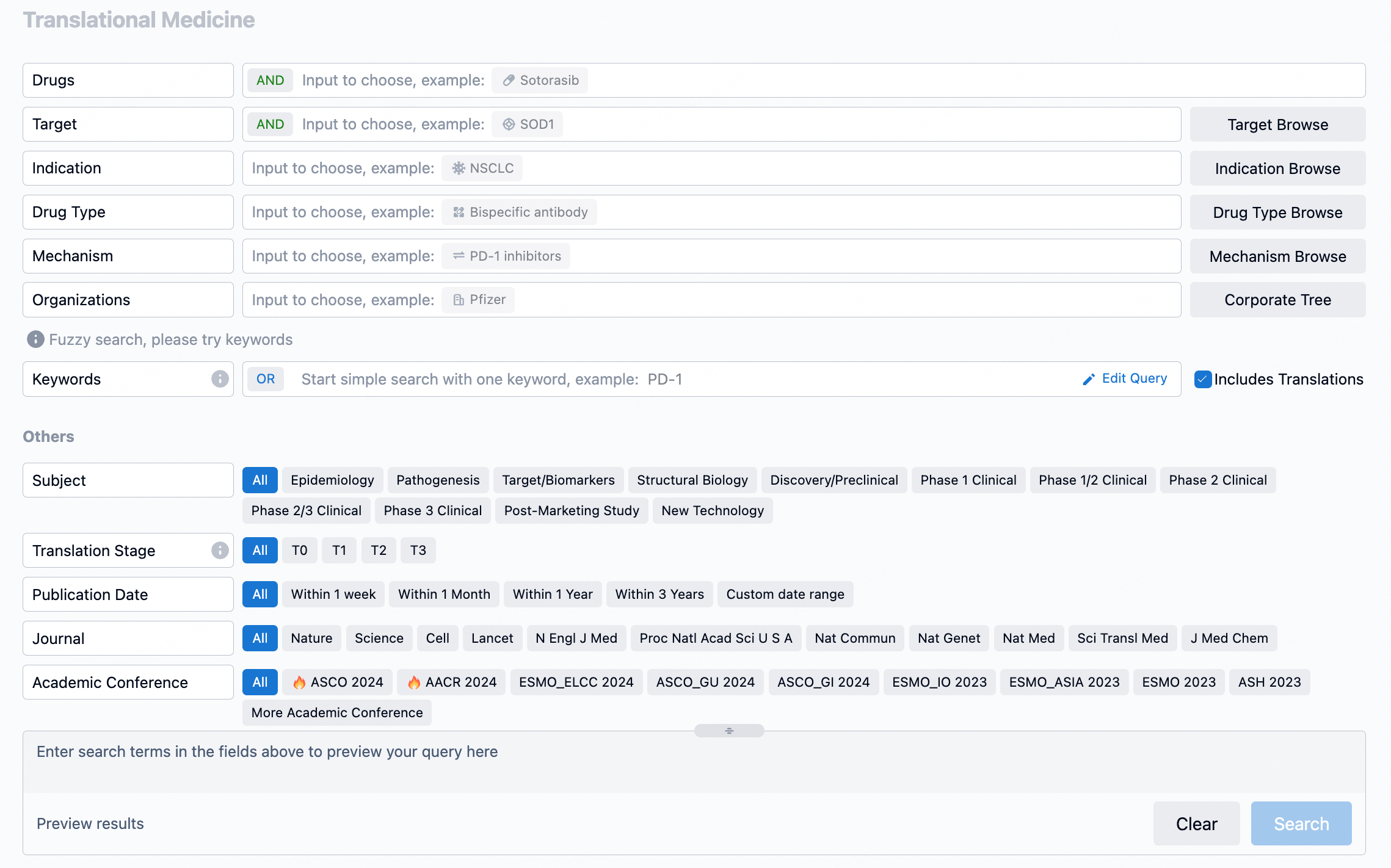
The transational medicine section of the Synapse database supports searches based on fields such as drug, target, and indication, covering the T0-T3 stages of translation. Additionally, it offers a historical conference search function as well as filtering options, view modes, translation services, and highlights summaries, providing you with a unique search experience.
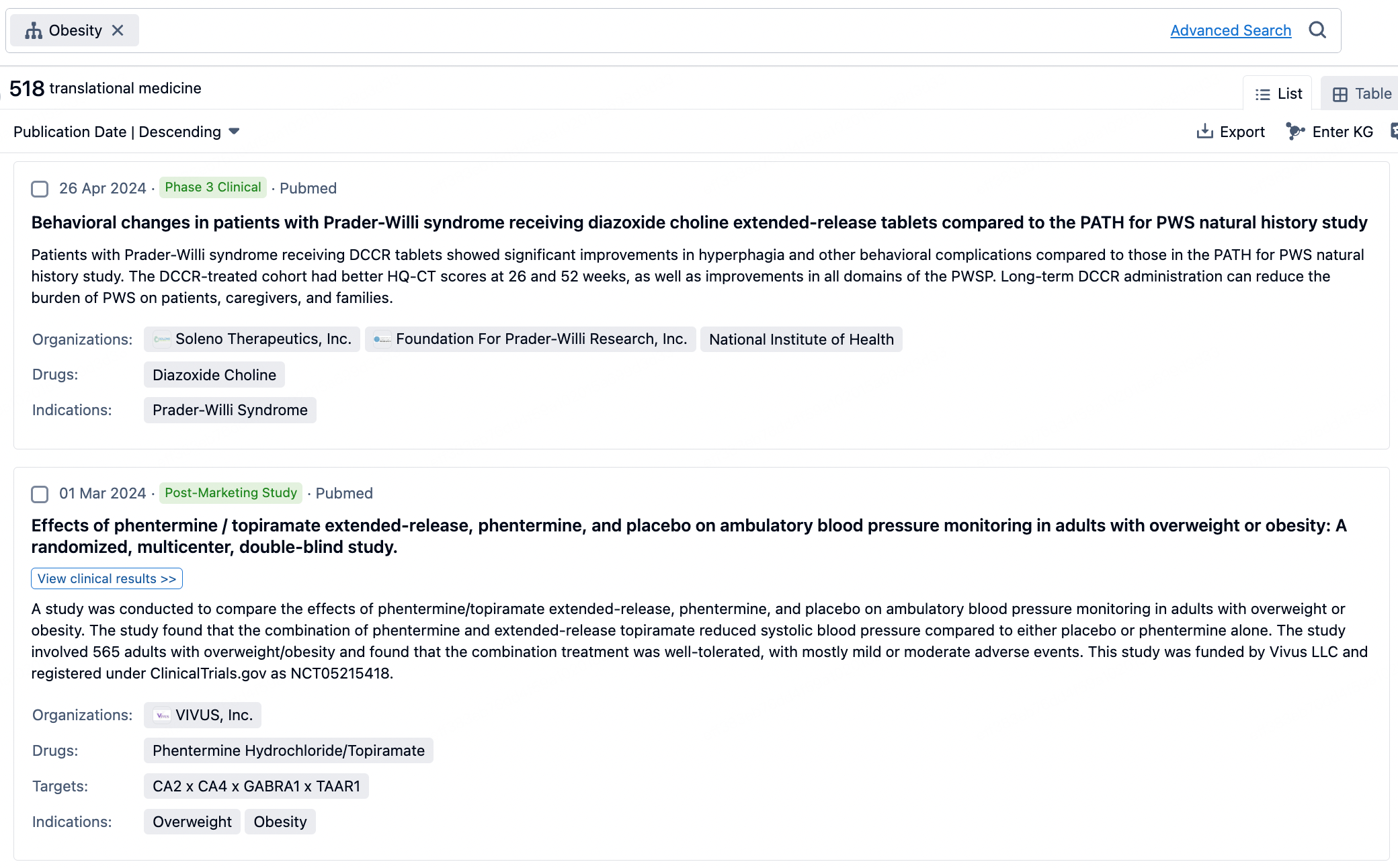
Taking obesity as an example, select "obesity" under the indication category and click search to enter the Translational Medicine results list page. By clicking on the title, you can directly navigate to the original page.
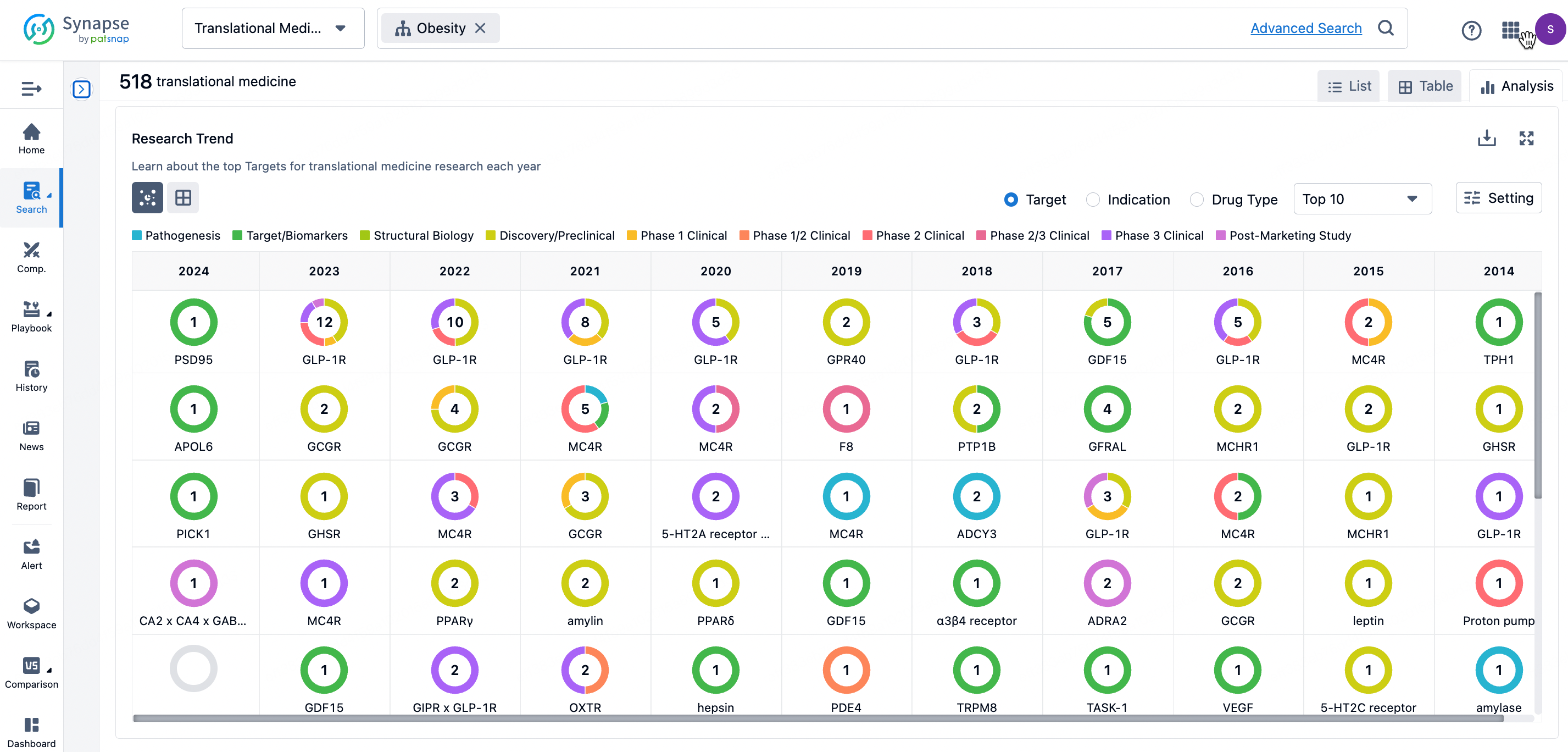
By clicking the analysis button, you can observe that GLP-1R treatment for obesity has gained significant attention over the past three years, with preclinical research still ongoing in 2023. Additionally, there are emerging potential targets, such as GDF15, among others.
Click on the image below to go directly to the Translational Medicine search interface.