Selective Antagonism of A2a Adenosine Receptors: The Profile of ZM 241385 In Vitro
ZM 241385 demonstrated significantly lower potency at A2b receptors and showed a weak antagonistic effect on the relaxant effects of adenosine in guinea-pig aorta. The affinity for A1 receptors was also low, with the compound displacing tritiated R-PIA in rat cerebral cortex membranes and antagonizing the bradycardic action of 2-CADO in guinea-pig atria.
Furthermore, ZM 241385 had minimal affinity for A3 receptors, as shown by its displacement of iodinated AB-MECA at cloned rat A3 receptors expressed in Chinese hamster ovary cells. The compound did not exhibit any substantial additional pharmacological effects on the isolated tissues at concentrations significantly higher than those required to block A2a receptors.
In terms of other pharmacological activities, ZM 241385 showed no significant inhibition of rat hepatocyte phosphodiesterase types I, II, III, and IV, except for a minor inhibition of the calcium calmodulin-activated type I enzyme. Importantly, ZM 241385 stands out as the most selective adenosine A2a receptor antagonist reported to date, making it a valuable tool for studying responses mediated by A2 adenosine receptors.
How to Use Synapse Database to Search and Analyze Translational Medicine Data?
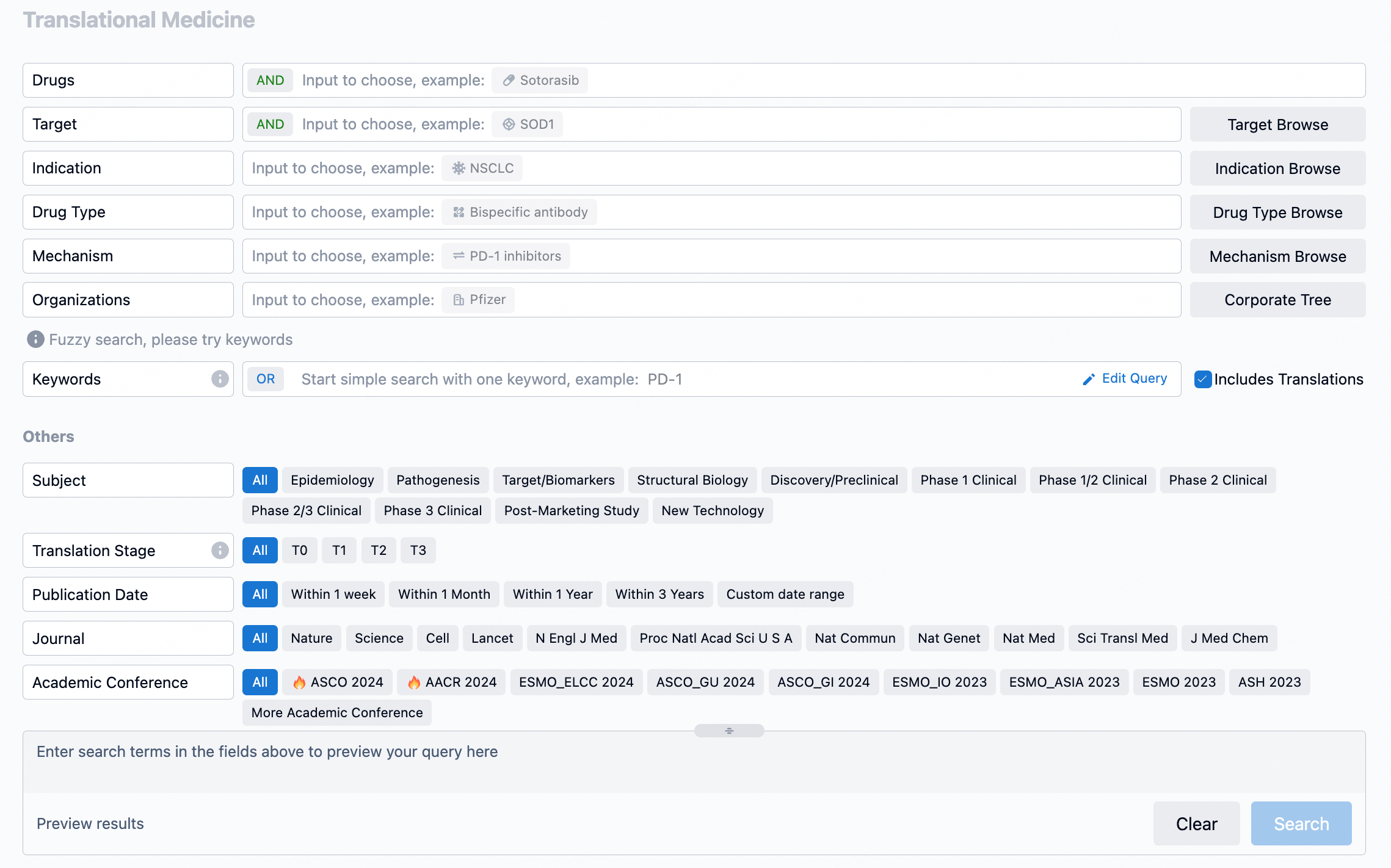
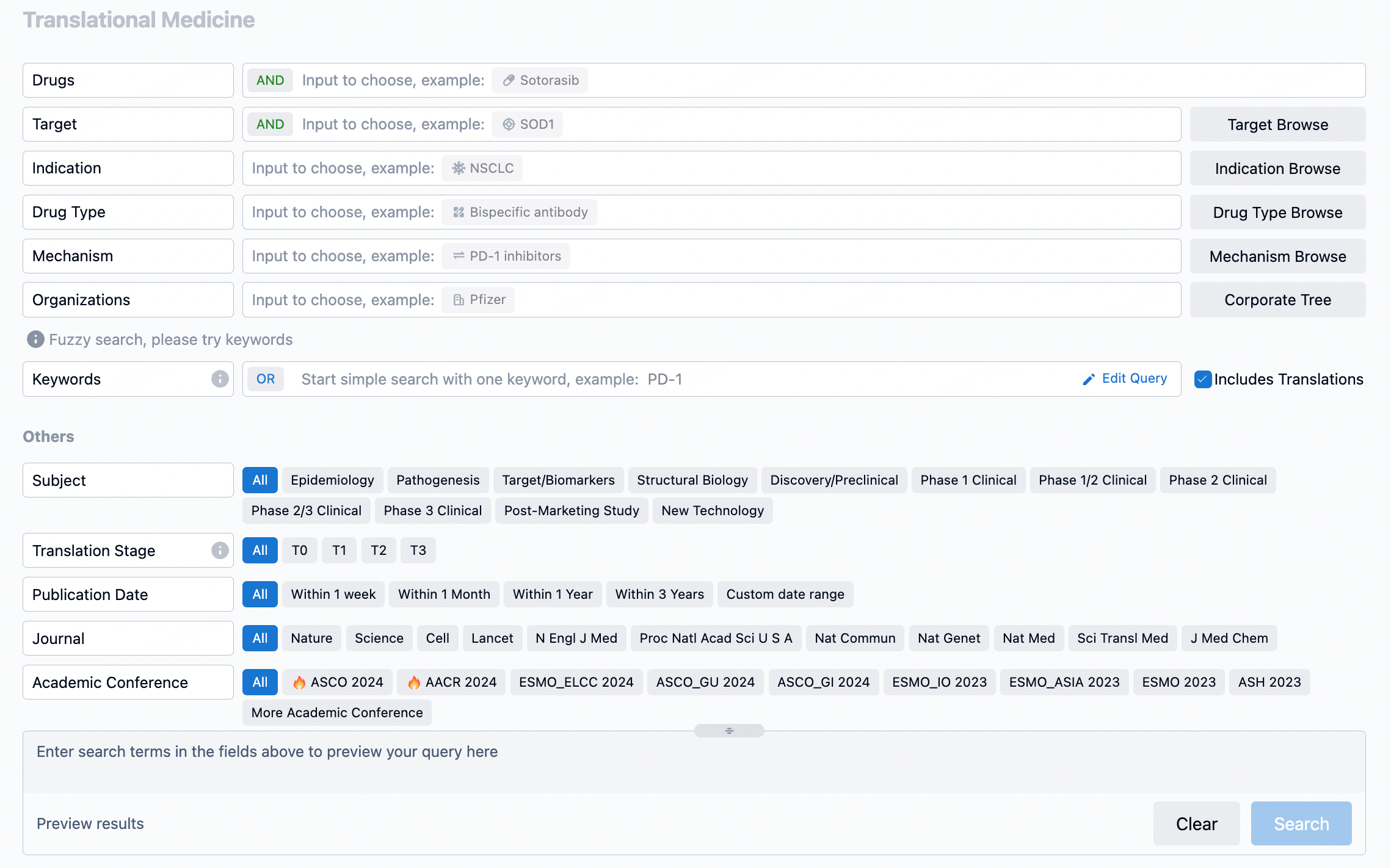
The transational medicine section of the Synapse database supports searches based on fields such as drug, target, and indication, covering the T0-T3 stages of translation. Additionally, it offers a historical conference search function as well as filtering options, view modes, translation services, and highlights summaries, providing you with a unique search experience.
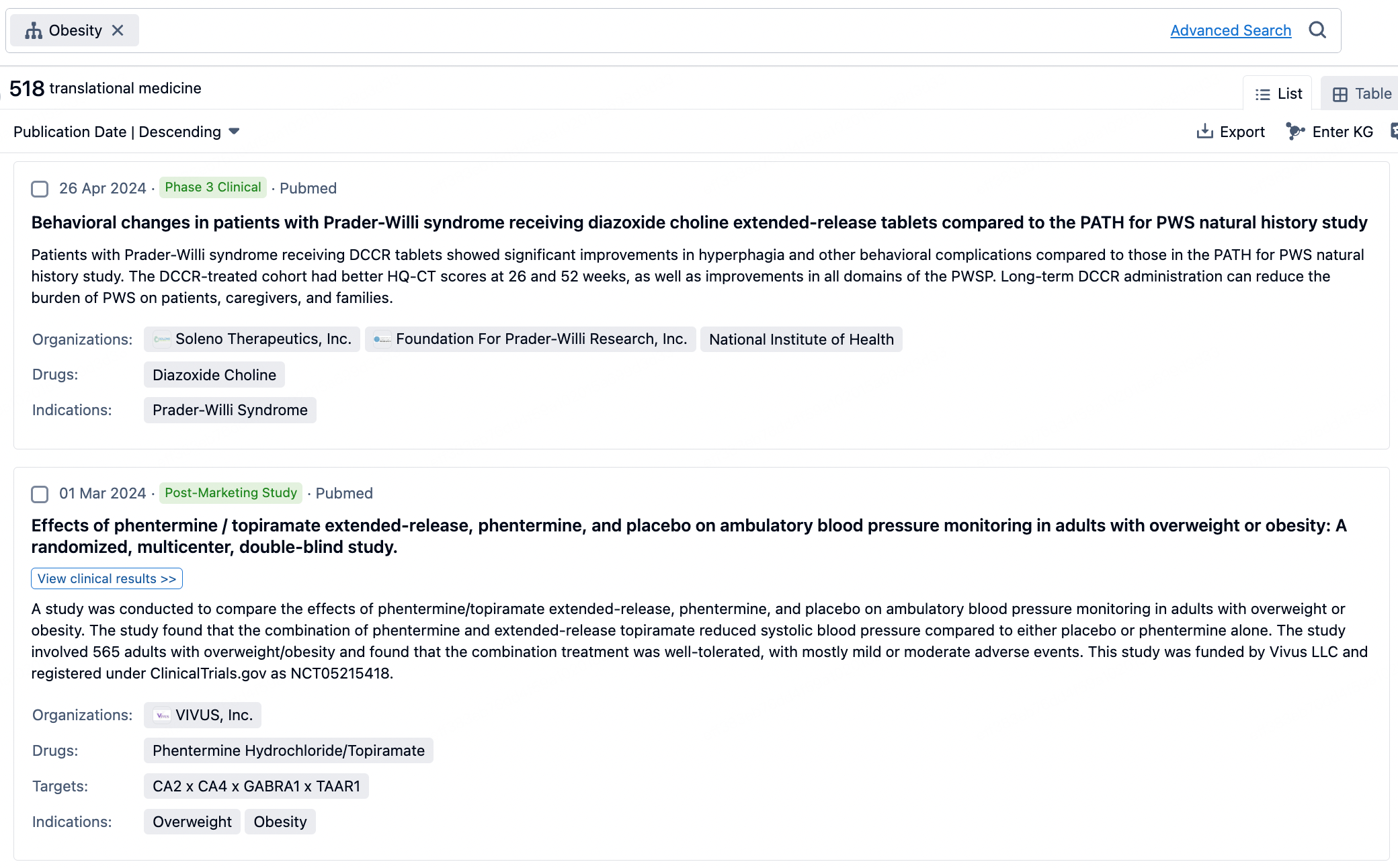
Taking obesity as an example, select "obesity" under the indication category and click search to enter the Translational Medicine results list page. By clicking on the title, you can directly navigate to the original page.
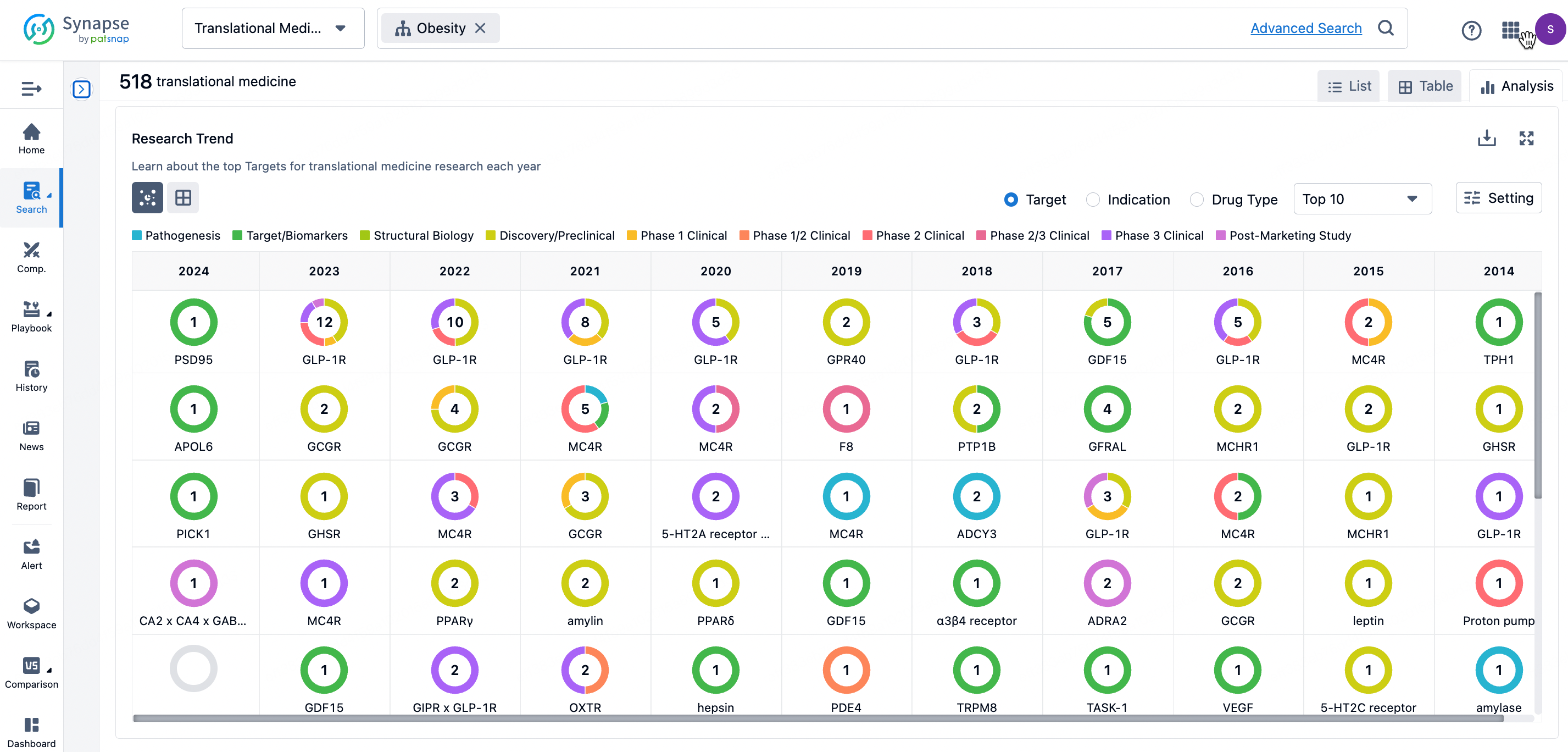
By clicking the analysis button, you can observe that GLP-1R treatment for obesity has gained significant attention over the past three years, with preclinical research still ongoing in 2023. Additionally, there are emerging potential targets, such as GDF15, among others.
Click on the image below to go directly to the Translational Medicine search interface.