Targeting Axl/Mer with ONO-9330547: Overcoming Drug Resistance in Acute Myeloid Leukemia
The compound showed significant inhibition of phosphorylated Axl and Mer proteins, leading to tumor growth suppression and apoptosis induction. In the MV-4-11 xenograft model, tumor growth inhibition was substantial, with a 40% reduction in the 0.3 mg/kg twice daily group, 78% in the 1 mg/kg group, and complete remission in the 3 mg/kg group. Notably, sustained P-Axl inhibition was observed with higher doses, and a combination of ONO-9330547 with Ara-C showed enhanced anti-tumor effects compared to individual treatments.
Post-chemotherapy up-regulation of Axl and Mer was also noted, suggesting a potential for combining ONO-9330547 with standard therapies to combat resistance in AML. The study concludes that ONO-9330547 is a potent dual inhibitor of Axl and Mer, demonstrating efficacy against AML cells and the potential to be combined with existing treatments. Further research is being conducted to explore the role of Axl and Mer in different types of leukemia.
How to Use Synapse Database to Search and Analyze Translational Medicine Data?
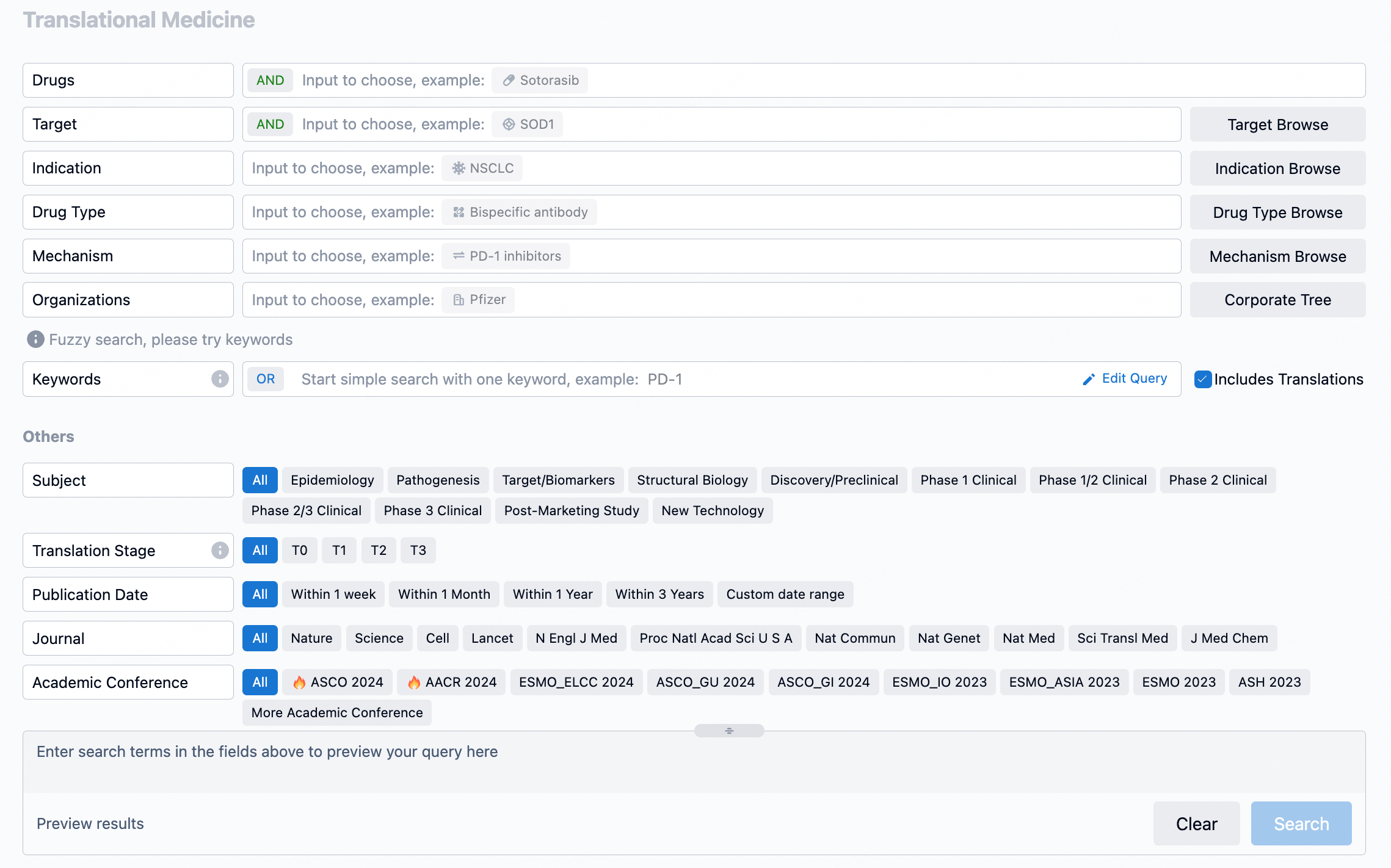
The transational medicine section of the Synapse database supports searches based on fields such as drug, target, and indication, covering the T0-T3 stages of translation. Additionally, it offers a historical conference search function as well as filtering options, view modes, translation services, and highlights summaries, providing you with a unique search experience.
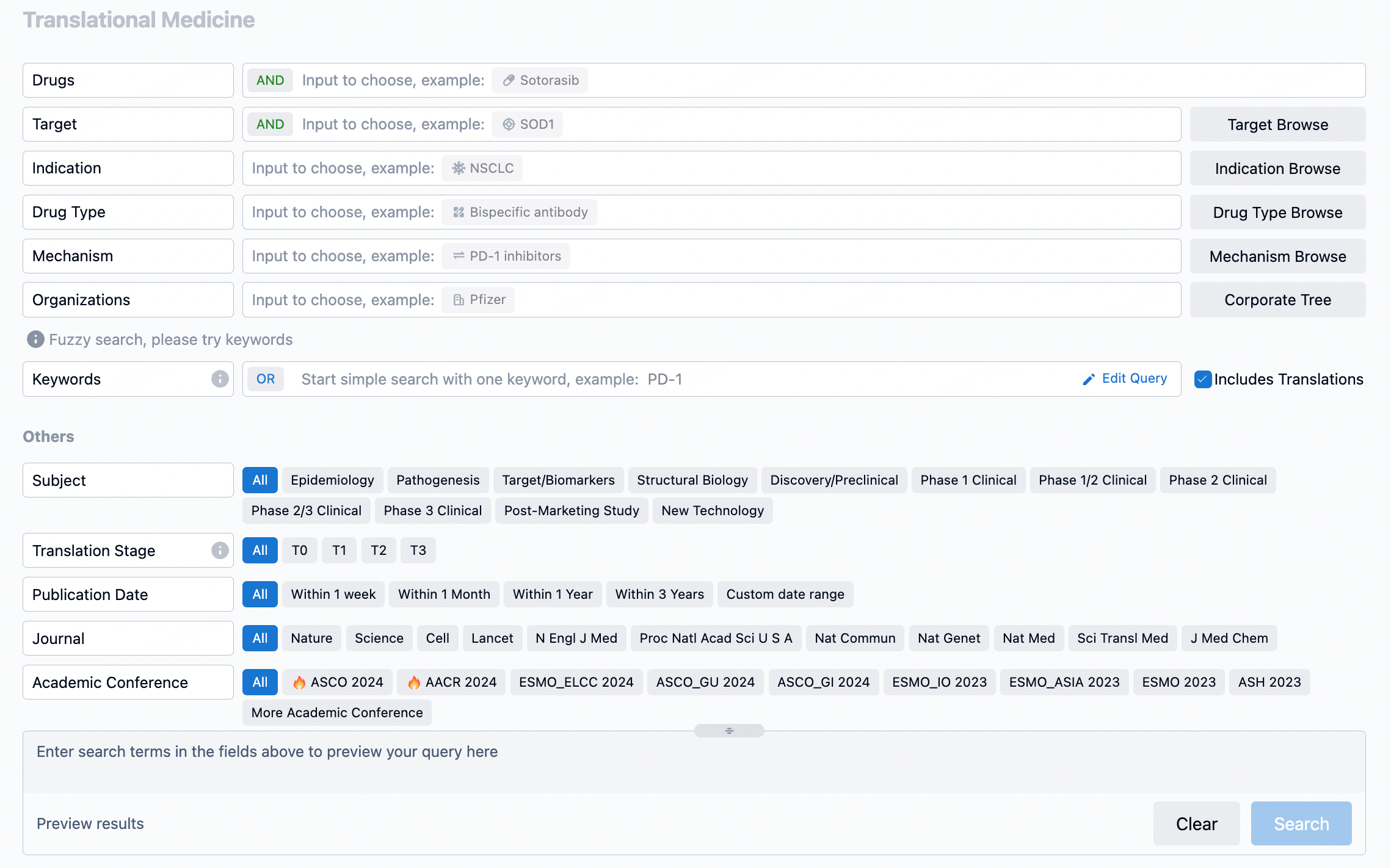
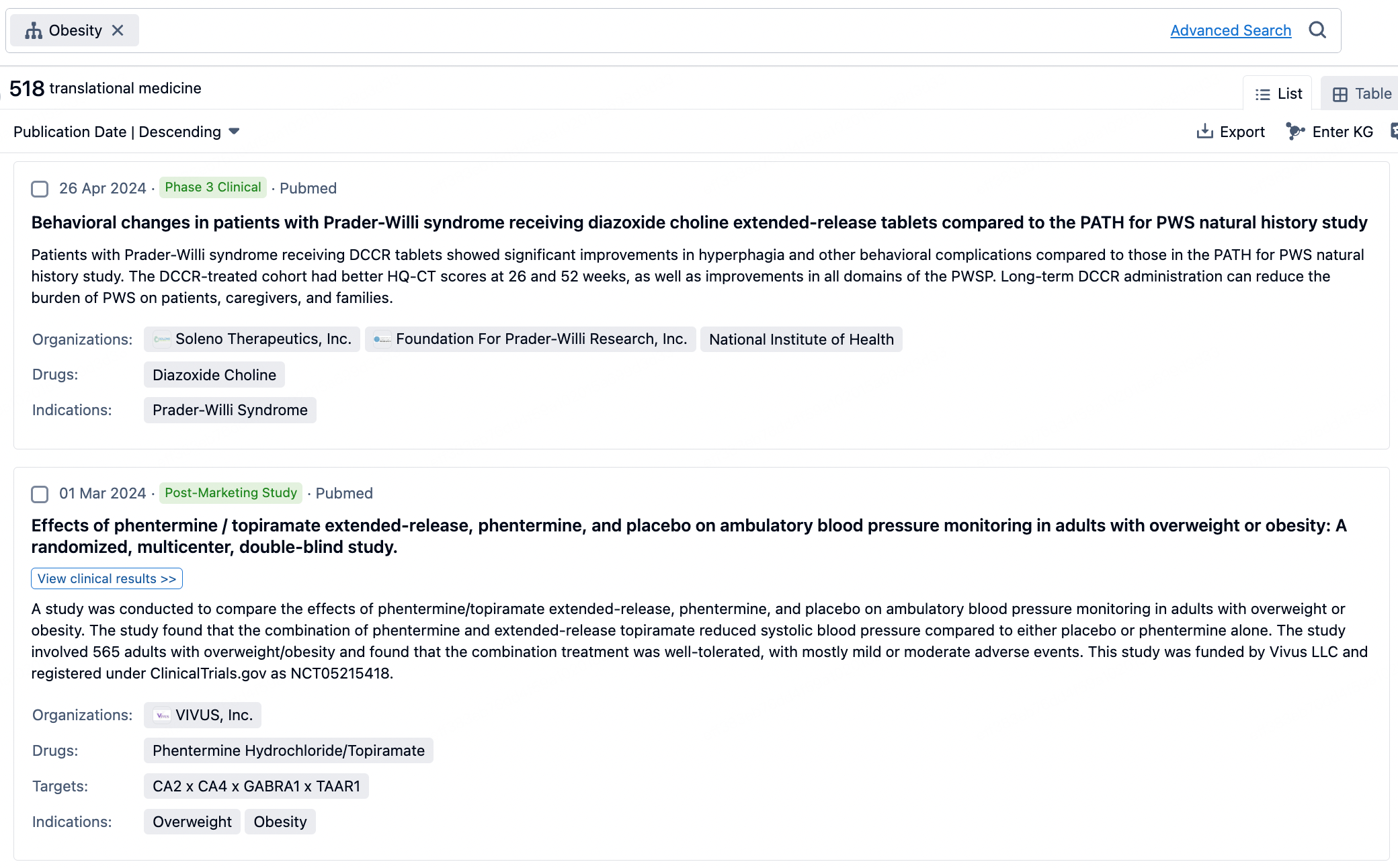
Taking obesity as an example, select "obesity" under the indication category and click search to enter the Translational Medicine results list page. By clicking on the title, you can directly navigate to the original page.
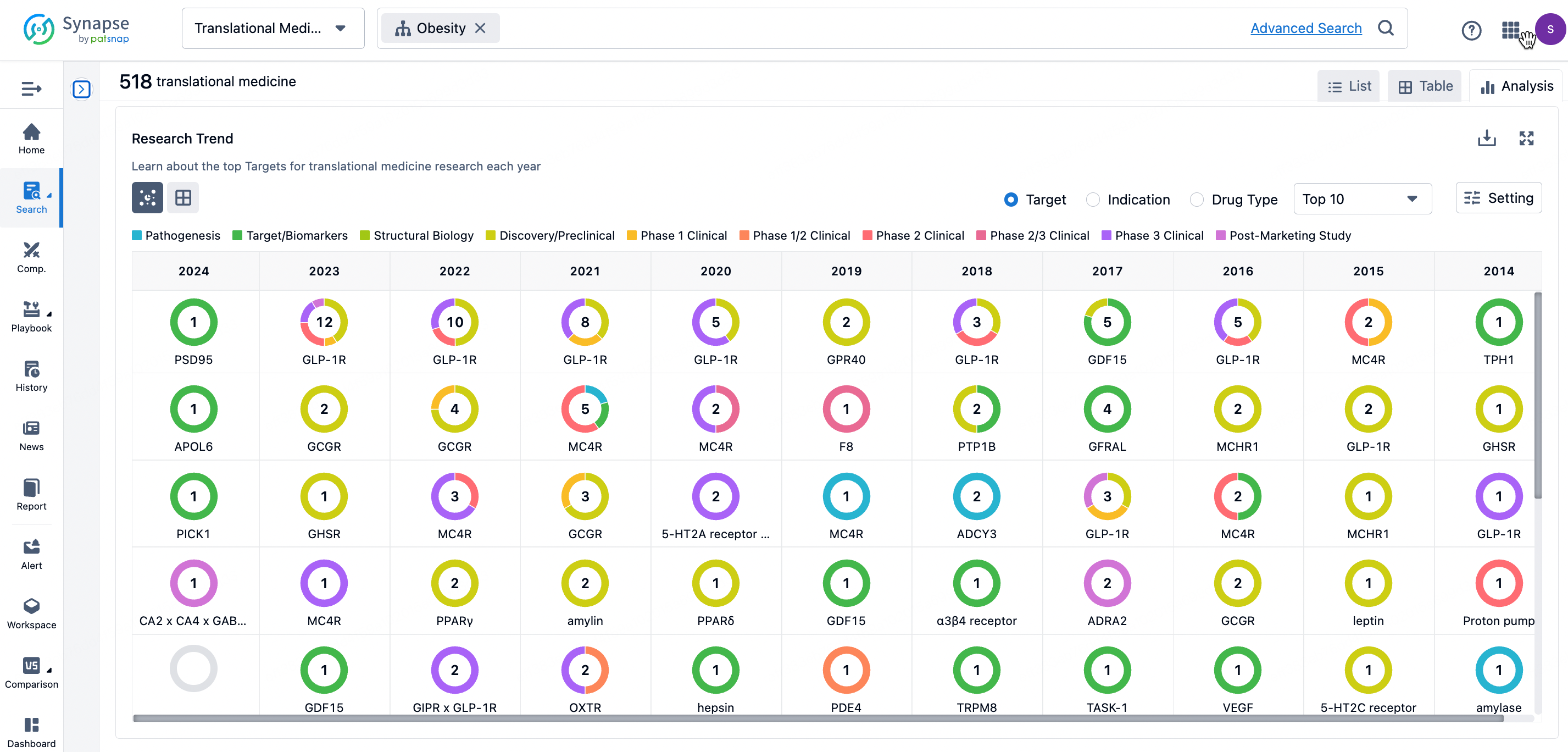
By clicking the analysis button, you can observe that GLP-1R treatment for obesity has gained significant attention over the past three years, with preclinical research still ongoing in 2023. Additionally, there are emerging potential targets, such as GDF15, among others.
Click on the image below to go directly to the Translational Medicine search interface.