Targeting BCMA with Fc-Optimized ADC: A Promising Therapeutic Approach for Multiple Myeloma
The ADC specifically targeted CD138-positive patient MM cells without affecting CD138-negative cells, thus minimizing damage to nearby BCMA-negative cells. It also completely stopped the formation of MM cell colonies by inducing cell cycle arrest and apoptosis, without impacting the viability of BCMA-negative cells like NK cells, peripheral blood mononuclear cells (PBMCs), and bone marrow stromal cells (BMSCs). The ADC's Fc-receptor binding was enhanced due to the absence of fucose, which significantly improved its ability to induce antibody-dependent cellular cytotoxicity (ADCC) and maximum MM cell lysis in patients.
The in vivo effectiveness of J6M0-mcMMAF was tested in mice with MM xenograft models. Treatment at a dosage of 4 mg/kg completely removed tumors and kept the mice tumor-free for up to 100 days. In a bone marrow dissemination model, the ADC eradicated detectable tumors after two doses, leading to extended survival without weight loss in the mice. Even though less effective than J6M0-mcMMAF, J6M0 also prolonged survival and reduced tumor burden, suggesting the involvement of macrophage-mediated phagocytosis. J6M0-mcMMAF was shown to attract macrophages and facilitate the phagocytosis of MM cells.
Overall, the research indicates that J6M0-mcMMAF is a promising immunotherapeutic agent for MM, capable of inducing both direct and indirect killing of tumor cells in vitro and in vivo.
How to Use Synapse Database to Search and Analyze Translational Medicine Data?
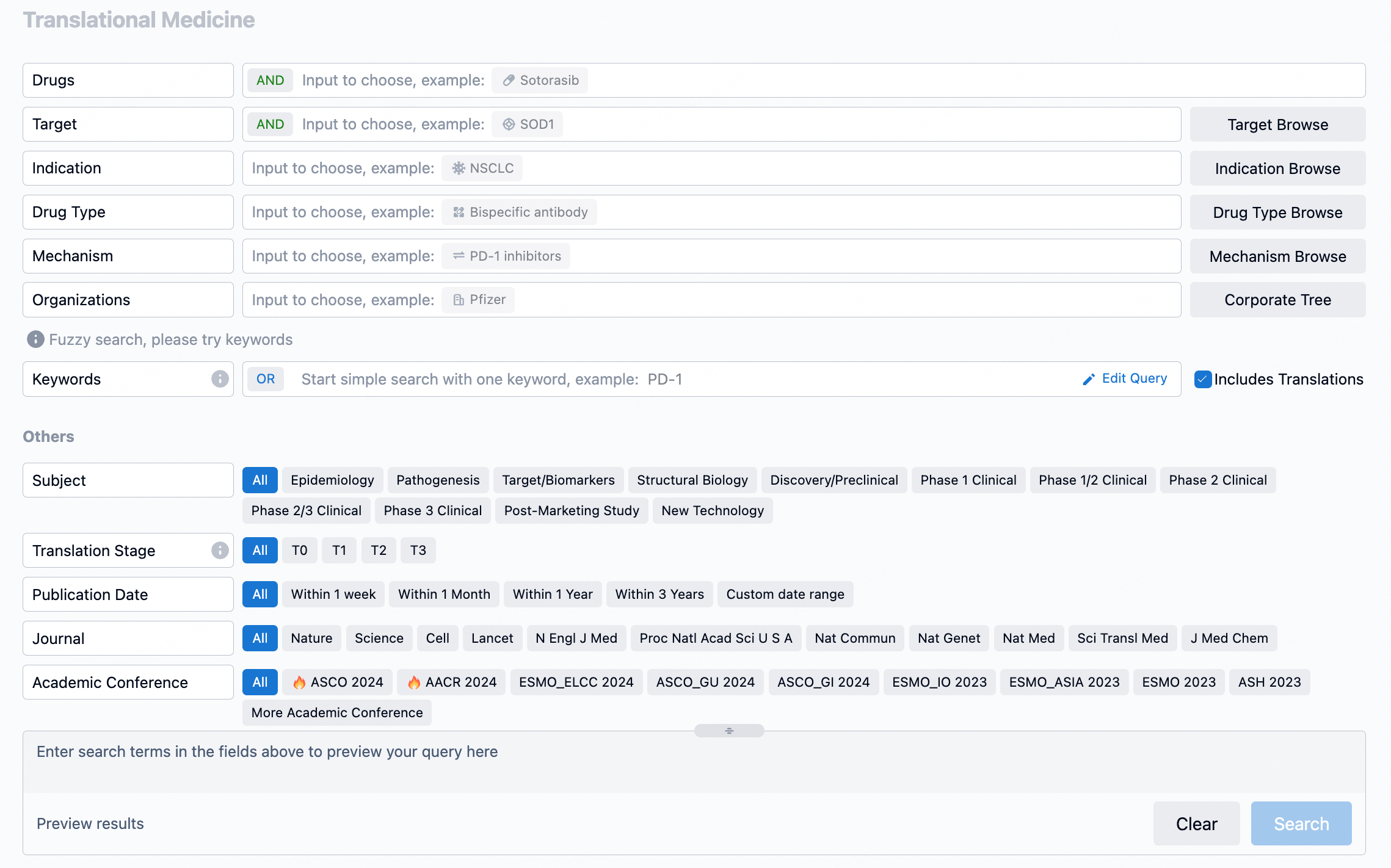
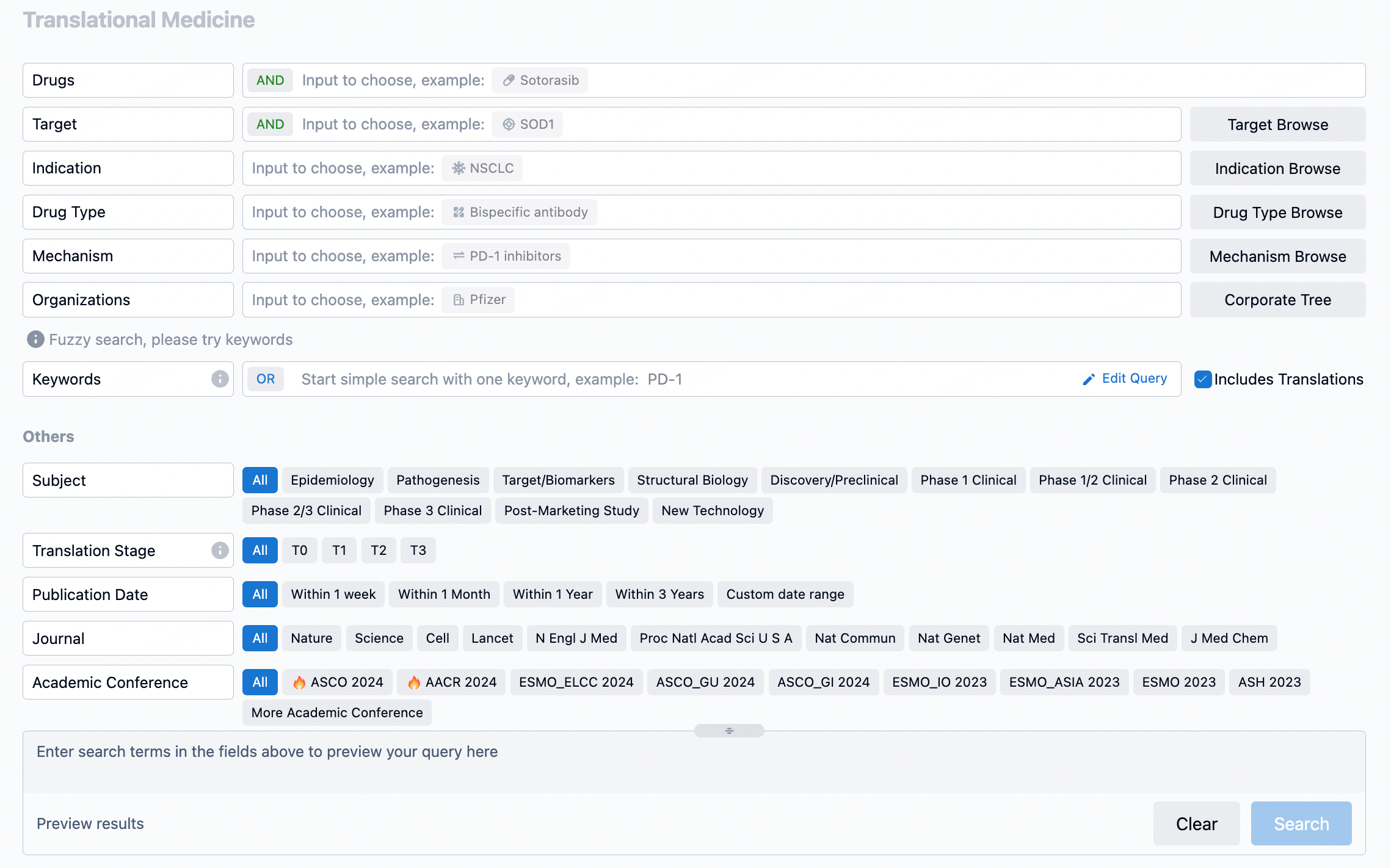
The transational medicine section of the Synapse database supports searches based on fields such as drug, target, and indication, covering the T0-T3 stages of translation. Additionally, it offers a historical conference search function as well as filtering options, view modes, translation services, and highlights summaries, providing you with a unique search experience.
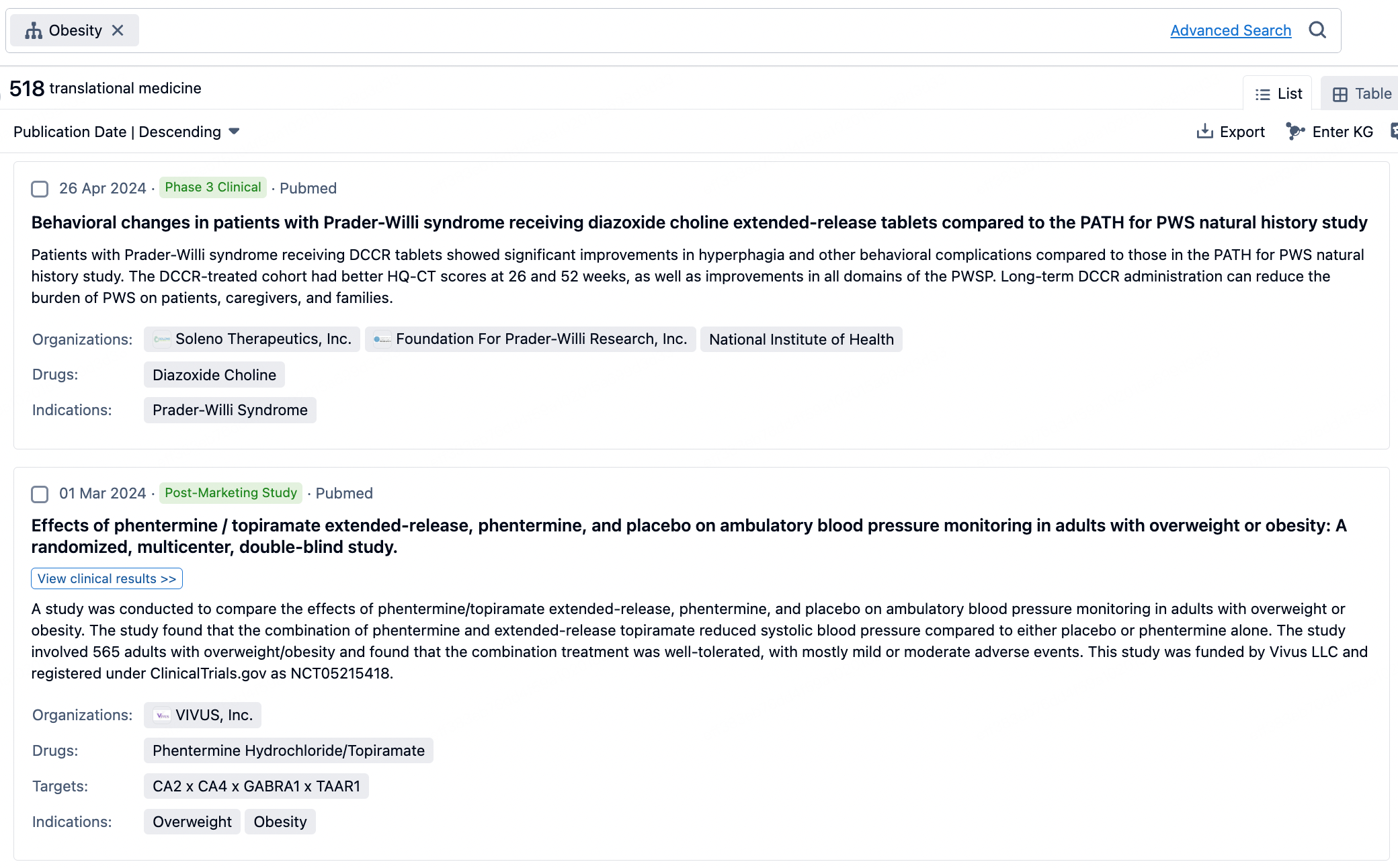
Taking obesity as an example, select "obesity" under the indication category and click search to enter the Translational Medicine results list page. By clicking on the title, you can directly navigate to the original page.
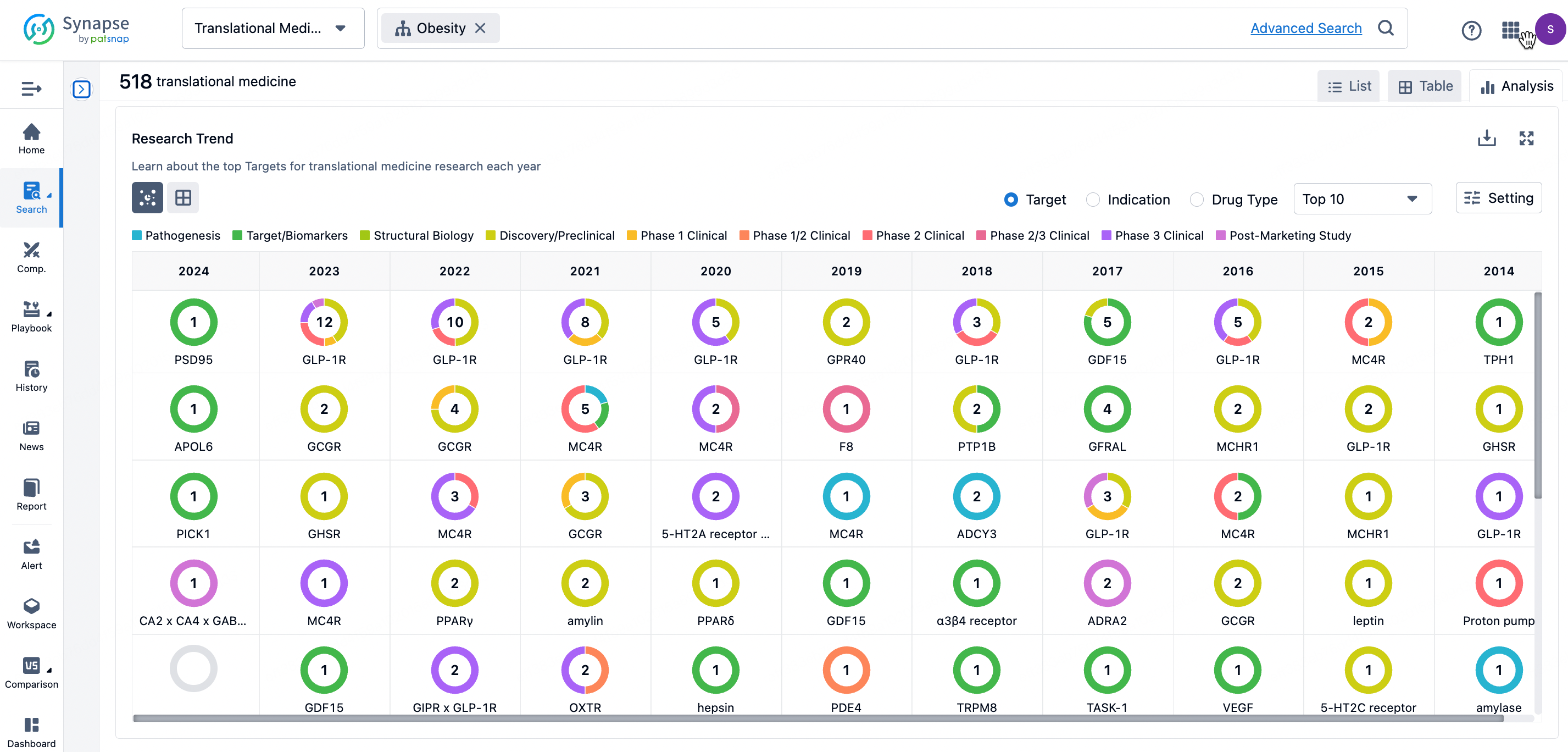
By clicking the analysis button, you can observe that GLP-1R treatment for obesity has gained significant attention over the past three years, with preclinical research still ongoing in 2023. Additionally, there are emerging potential targets, such as GDF15, among others.
Click on the image below to go directly to the Translational Medicine search interface.