Targeting Super-Enhancer-Driven Oncogenes: The Therapeutic Potential of BI 894999 in Hematological Malignancies
In vitro testing has shown BI 894999 to be highly effective, especially against hematological cell lines such as multiple myeloma (MM), acute myeloid leukemia (AML), and lymphoma. The drug demonstrates high selectivity for its targets and induces cell cycle arrest and apoptosis. It also exhibits significant activity against primary AML patient samples and inhibits tumor growth in xenograft models of AML and MM.
Compared to other epigenetic drugs that target chromatin pathways, BI 894999 regulates a distinct set of genes. It affects MYC expression and its target genes, as well as other cancer-relevant transcriptional signatures. The study identified HEXIM1, which inhibits p-TEFb, as a biomarker that is highly induced by BI 894999 and can be used for pharmacodynamic analysis.
Molecular studies using BRD4 ChIP-seq in AML cells confirmed that the inhibitor's repression of MYC expression is mediated by the displacement of BRD4 from the 3' MYC super-enhancer region. Additionally, other oncogene-driving super-enhancers in AML cells were discovered.
In conclusion, BI 894999 is a promising BET inhibitor under clinical investigation, showing high activity against MM and AML cell lines, patient samples, and in vivo tumor models. HEXIM1 serves as a reliable pharmacodynamic biomarker, and the compound's mechanism of action involves the antagonism of super-enhancer-driven oncogene expression, such as MYC.
How to Use Synapse Database to Search and Analyze Translational Medicine Data?
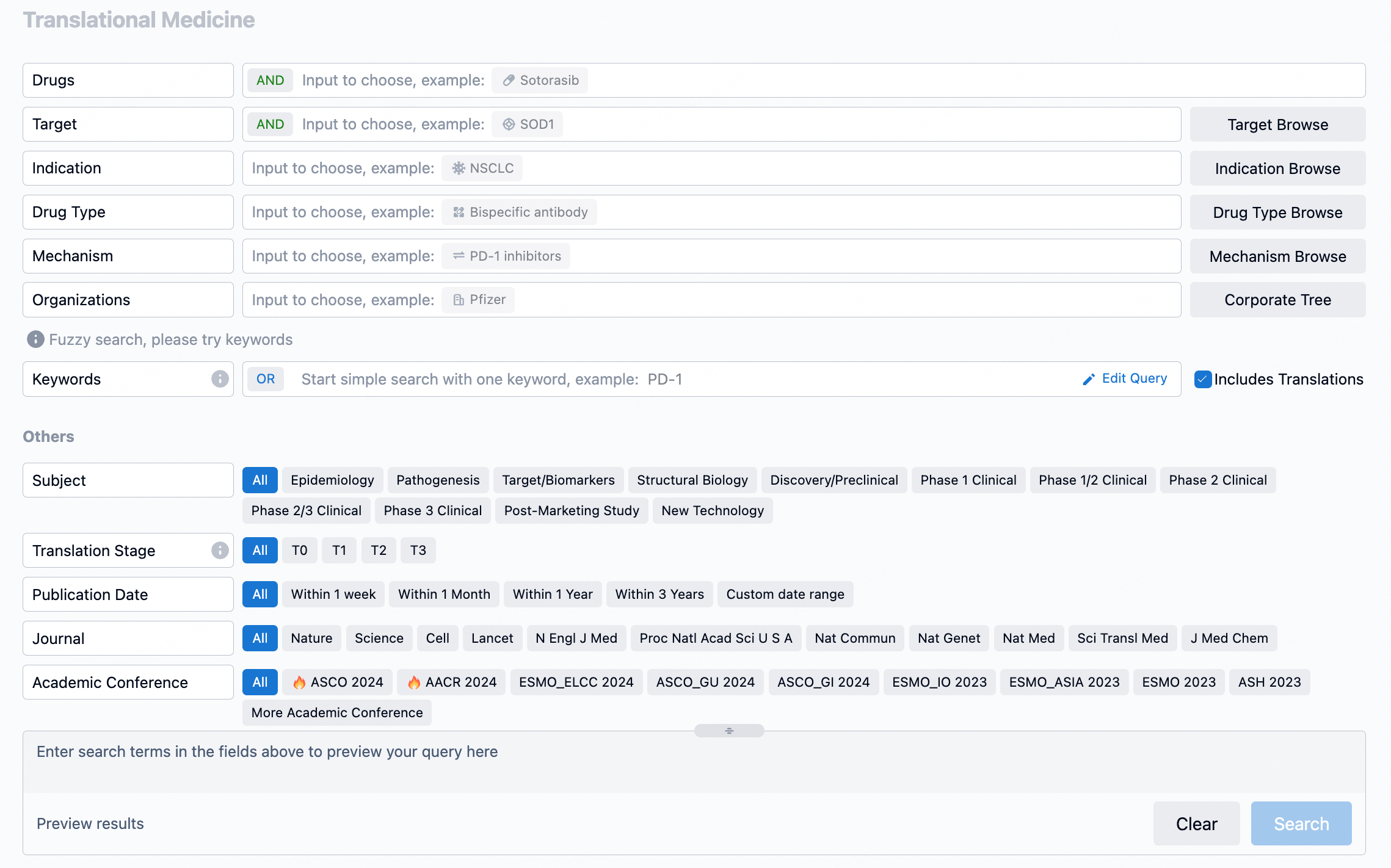
The transational medicine section of the Synapse database supports searches based on fields such as drug, target, and indication, covering the T0-T3 stages of translation. Additionally, it offers a historical conference search function as well as filtering options, view modes, translation services, and highlights summaries, providing you with a unique search experience.
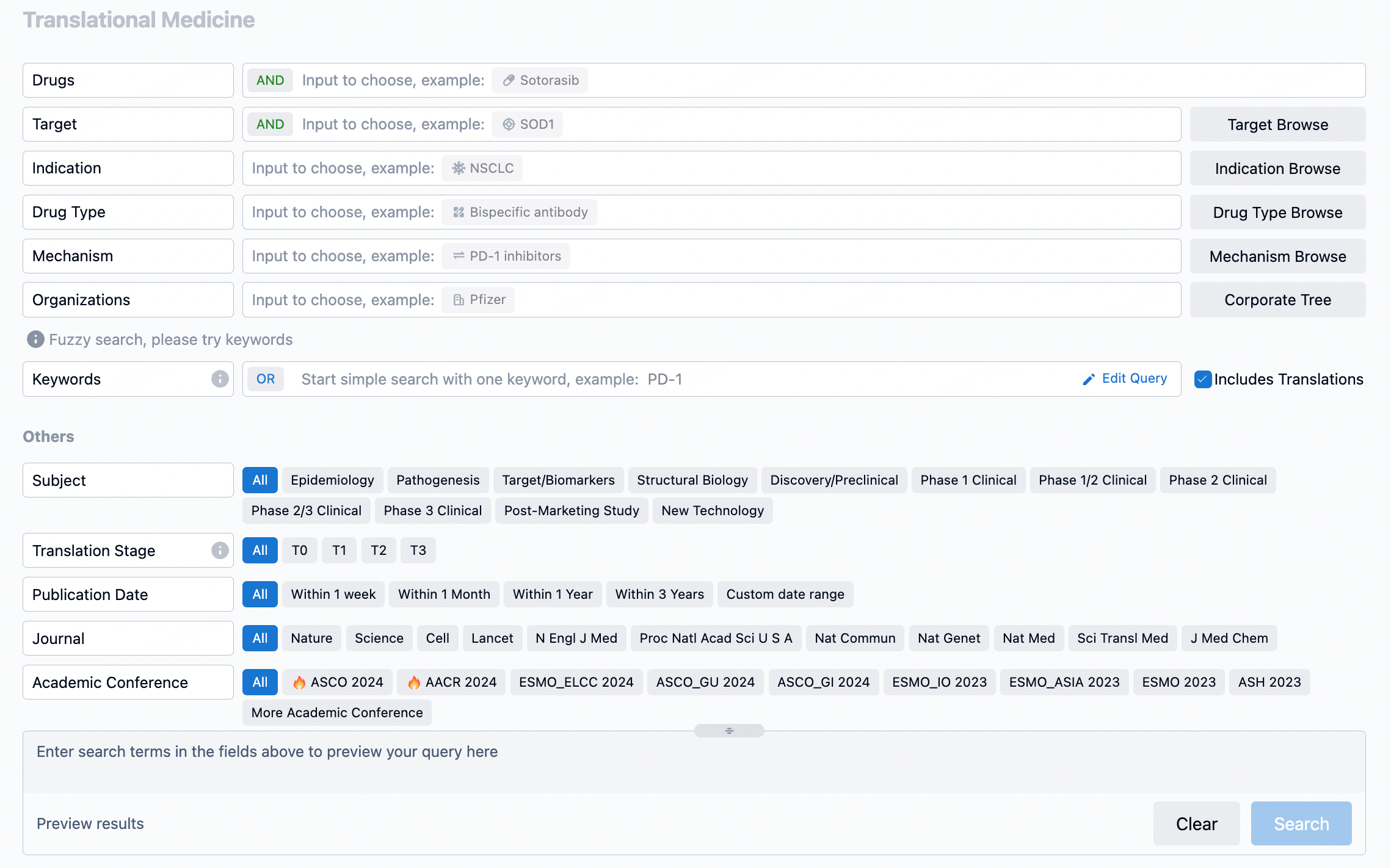
Taking obesity as an example, select "obesity" under the indication category and click search to enter the Translational Medicine results list page. By clicking on the title, you can directly navigate to the original page.
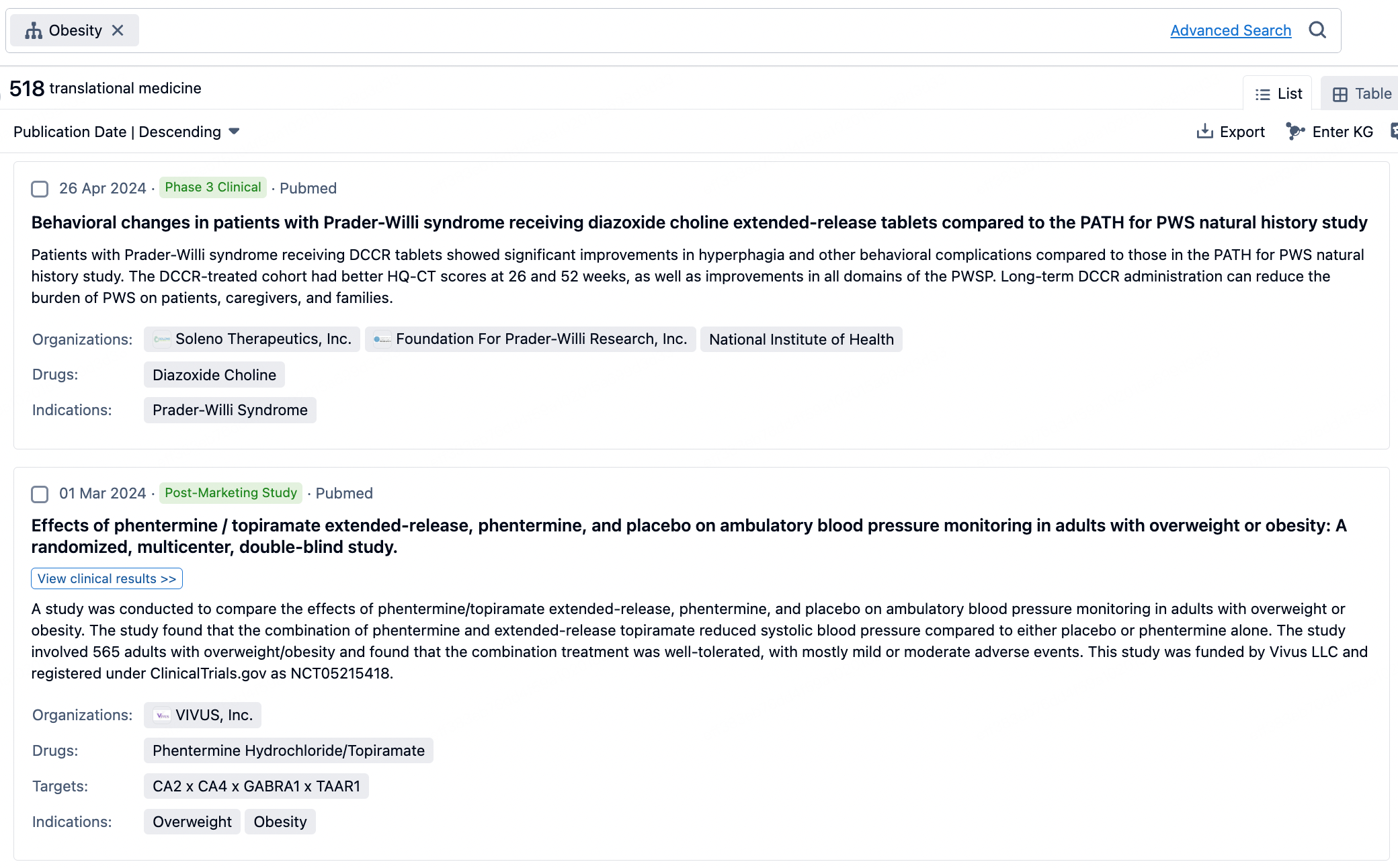
By clicking the analysis button, you can observe that GLP-1R treatment for obesity has gained significant attention over the past three years, with preclinical research still ongoing in 2023. Additionally, there are emerging potential targets, such as GDF15, among others.
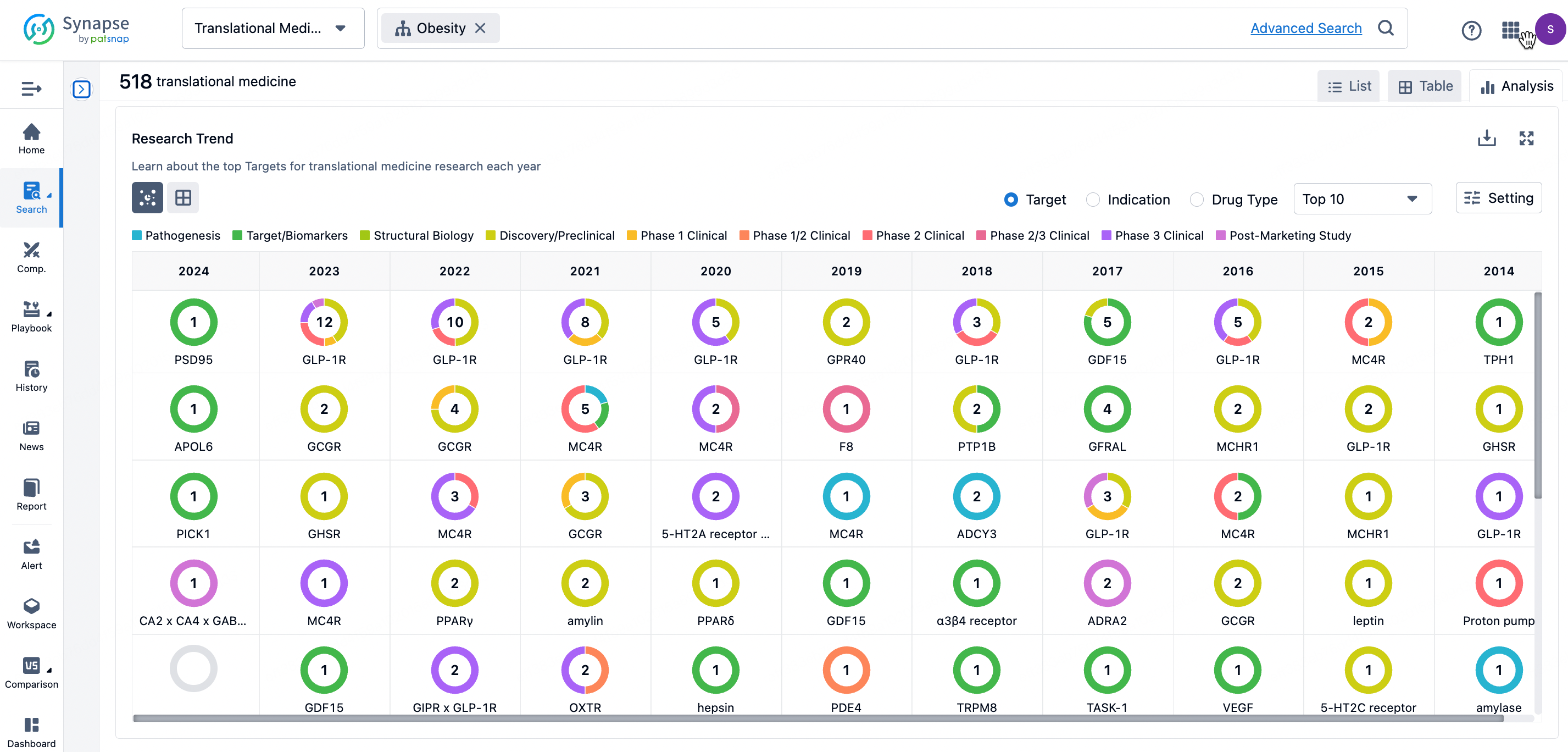
Click on the image below to go directly to the Translational Medicine search interface.