Unlocking the Potential of RVU330: A Dual A2A/A2B Antagonist for Cancer Immunotherapy
Our study introduces the dual A2A/A2B antagonist RVU330, which shows significant potency in environments rich in adenosine, similar to those found in tumors. When compared to other compounds in clinical development, RVU330 has demonstrated superior characteristics. It maintains potent antagonistic activity against both receptors even in high adenosine conditions. Extensive pharmacological evaluations, from receptor binding to functional assays using primary human immune cells, have shown RVU330's ability to reverse adenosine-induced immune suppression. It has been particularly effective in enhancing the activity of CD4+ and CD8+ T-cells, monocyte-derived dendritic cells, and macrophages. The compound's high activity in human whole blood assays indicates that low concentrations can effectively counter adenosine. The therapeutic efficacy of RVU330 has been validated in mouse models, and it is currently undergoing further preclinical evaluation.
RVU330 stands out due to its dual antagonistic profile and its capacity to inhibit both receptors under high adenosine conditions, which are distinguishing features compared to other adenosine receptor antagonists. The research was presented at the Annual Meeting of the American Association for Cancer Research in 2020.
How to Use Synapse Database to Search and Analyze Translational Medicine Data?
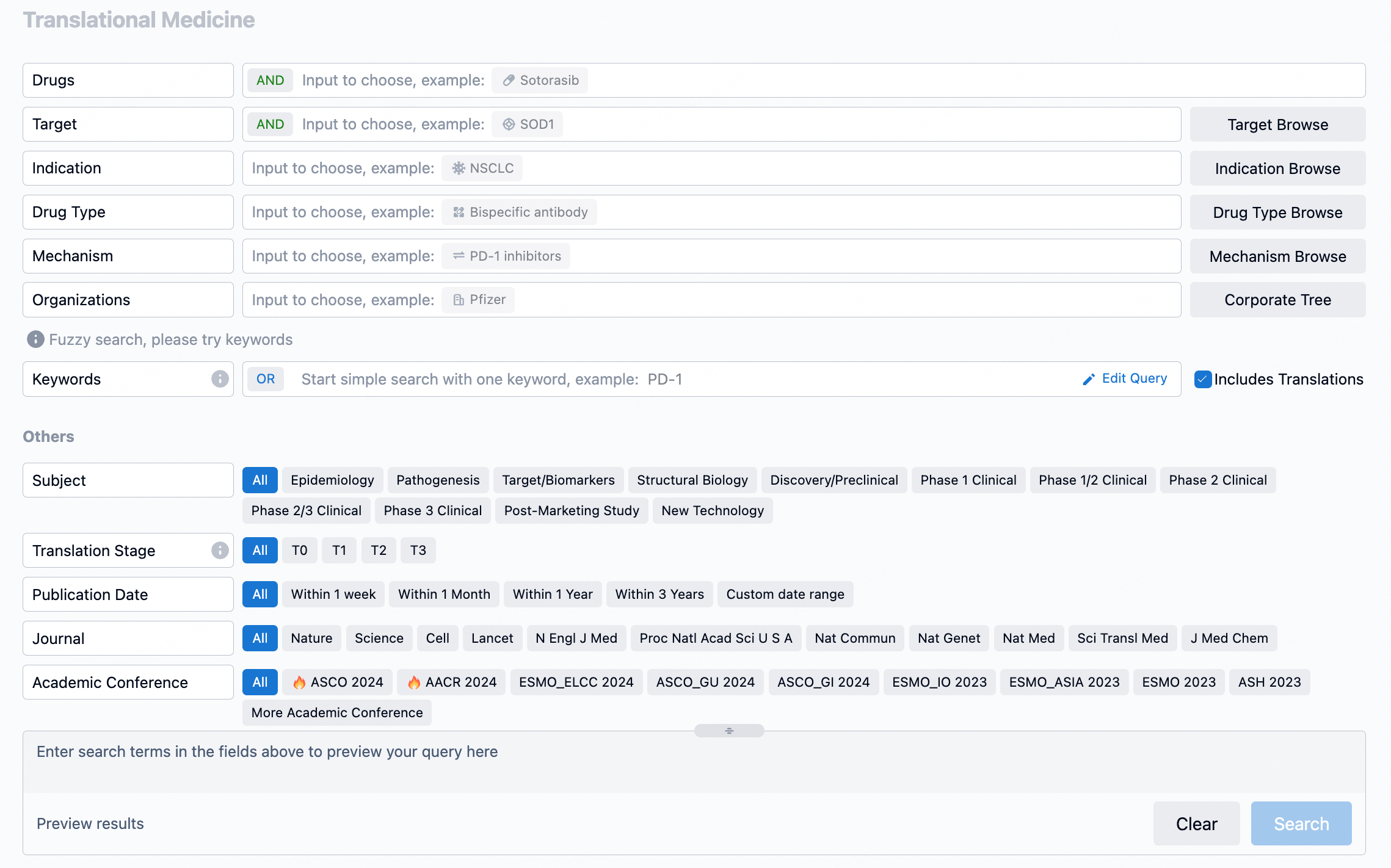
The transational medicine section of the Synapse database supports searches based on fields such as drug, target, and indication, covering the T0-T3 stages of translation. Additionally, it offers a historical conference search function as well as filtering options, view modes, translation services, and highlights summaries, providing you with a unique search experience.
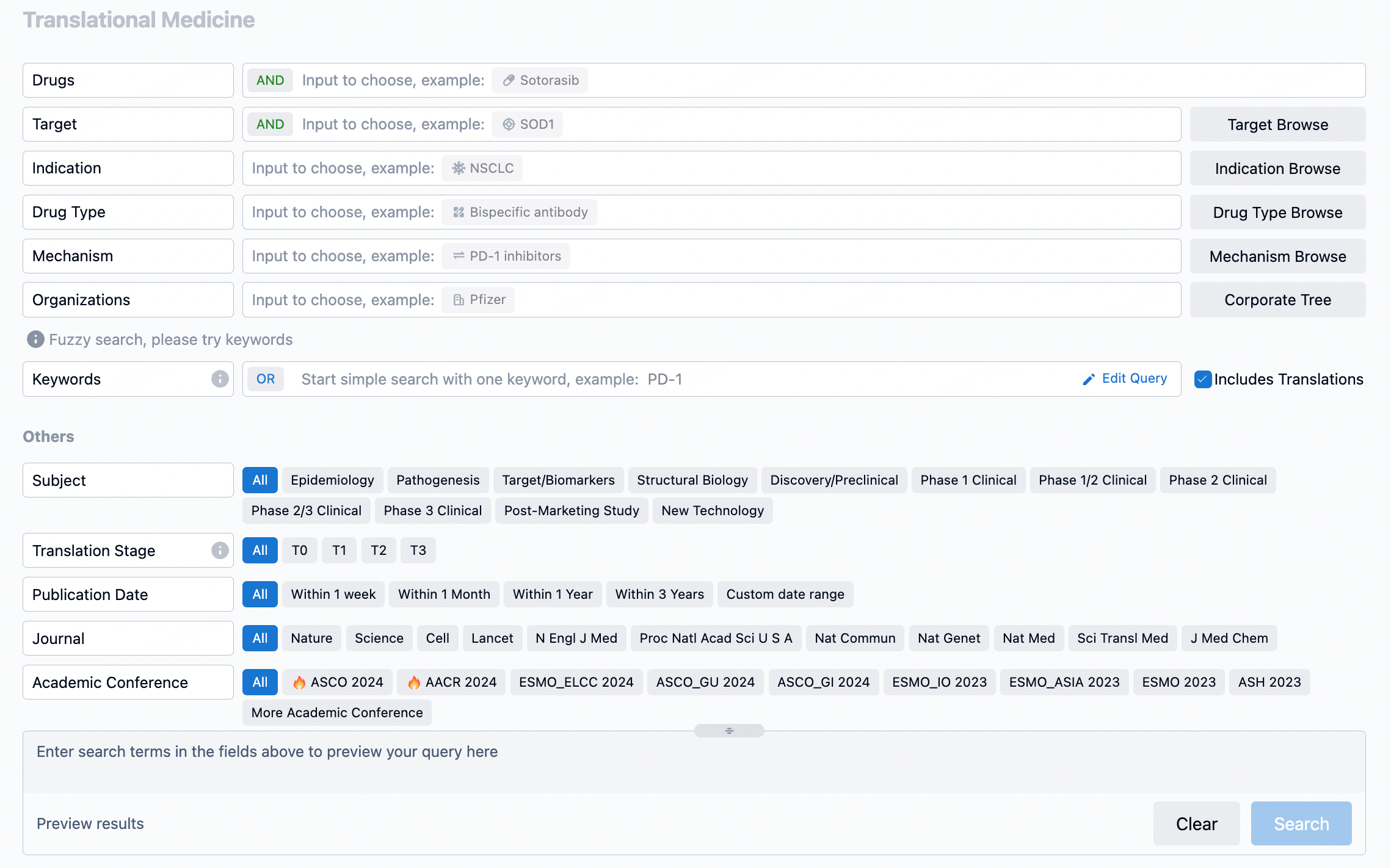
Taking obesity as an example, select "obesity" under the indication category and click search to enter the Translational Medicine results list page. By clicking on the title, you can directly navigate to the original page.
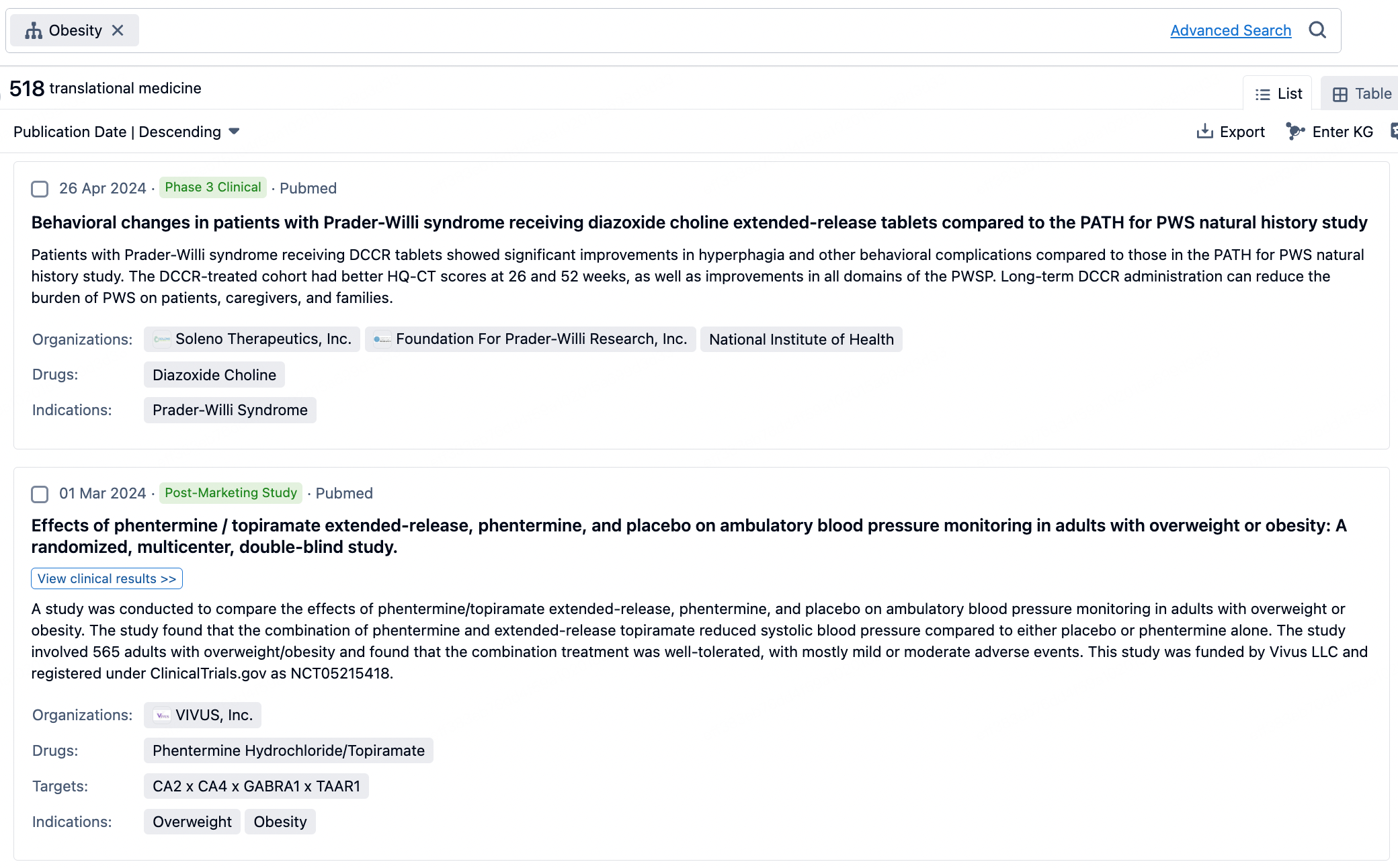
By clicking the analysis button, you can observe that GLP-1R treatment for obesity has gained significant attention over the past three years, with preclinical research still ongoing in 2023. Additionally, there are emerging potential targets, such as GDF15, among others.
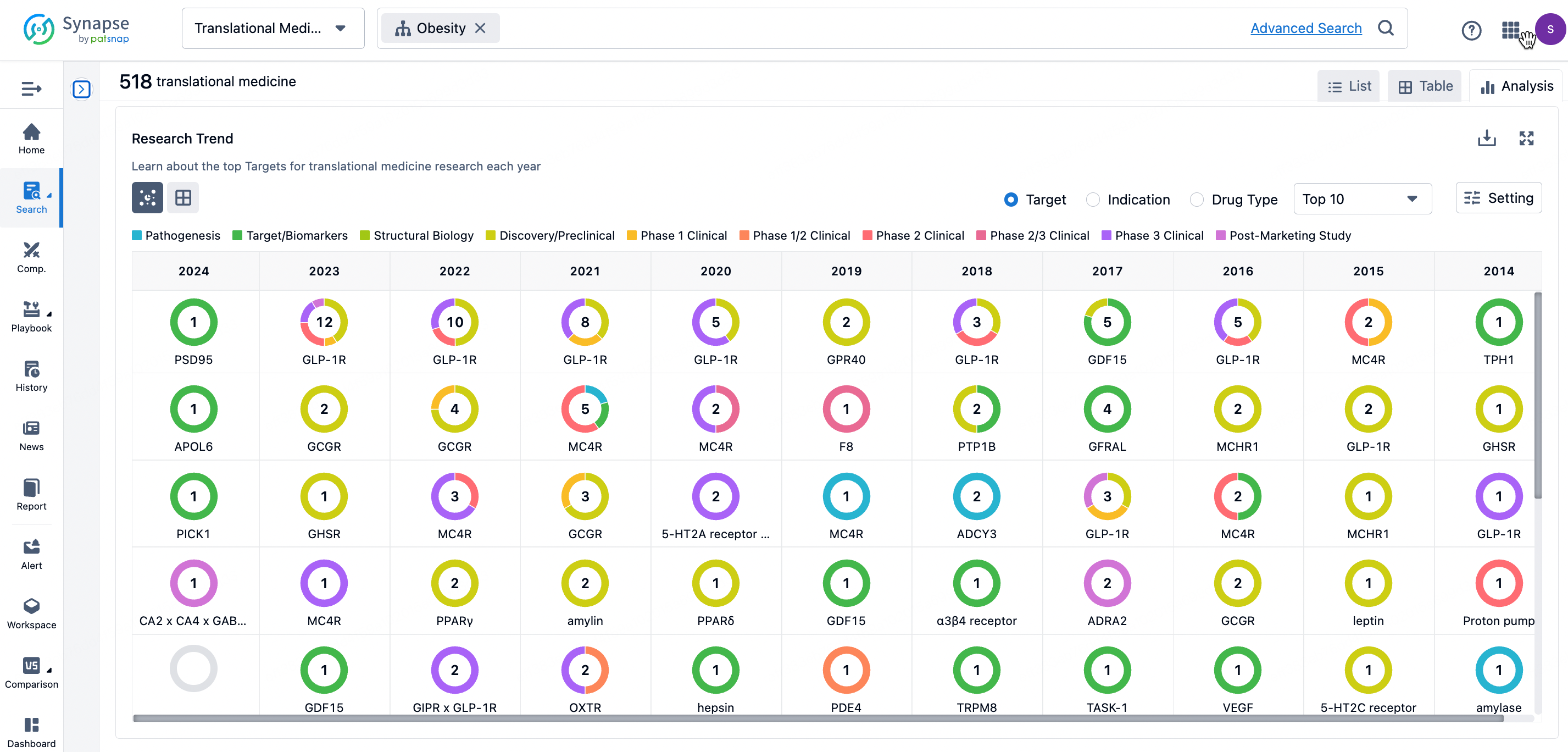
Click on the image below to go directly to the Translational Medicine search interface.