Request Demo
What are α1B-AR antagonists and how do they work?
21 June 2024
Introduction to α1B-AR Antagonists
α1B-adrenergic receptors (α1B-ARs) are a subtype of adrenergic receptors that play a crucial role in the regulation of vascular smooth muscle tone and blood pressure. These receptors are part of the G protein-coupled receptor family and are predominantly found in vascular smooth muscle, the liver, and the central nervous system. α1B-ARs mediate their effects through the activation of phospholipase C, leading to an increase in intracellular calcium levels, which in turn causes vasoconstriction and an elevation in blood pressure. α1B-AR antagonists are drugs that block these receptors, preventing the usual physiological responses and offering therapeutic benefits for a range of medical conditions.
How do α1B-AR Antagonists Work?
α1B-AR antagonists exert their effects by binding to the α1B-adrenergic receptors without activating them. This competitive inhibition prevents the natural ligand, norepinephrine, from interacting with the receptors. As a result, the downstream signaling cascade that typically leads to vasoconstriction is interrupted. Specifically, the blockade of these receptors inhibits the activation of phospholipase C, thereby reducing the hydrolysis of phosphatidylinositol 4,5-bisphosphate (PIP2) into inositol trisphosphate (IP3) and diacylglycerol (DAG). This reduction decreases the release of calcium ions from intracellular stores and lowers the production of protein kinase C (PKC), collectively leading to vasodilation and a subsequent decrease in blood pressure.
The pharmacological blockade of α1B-ARs can also affect the central nervous system, where these receptors are involved in the modulation of neurotransmitter release. By antagonizing α1B-ARs in the brain, these drugs can potentially influence mood, cognition, and overall neurological function. However, the primary therapeutic effect remains the management of vascular tone and blood pressure.
What are α1B-AR Antagonists Used For?
α1B-AR antagonists have a variety of clinical applications, primarily centered around their ability to manage cardiovascular conditions. One of the most common uses is in the treatment of hypertension. By reducing vascular resistance through vasodilation, these drugs help to lower elevated blood pressure, thereby reducing the risk of cardiovascular events such as strokes and heart attacks. They are often used either alone or in combination with other antihypertensive agents to achieve optimal blood pressure control.
Another significant application of α1B-AR antagonists is in the management of benign prostatic hyperplasia (BPH). BPH is a common condition in older men, characterized by the enlargement of the prostate gland, which can lead to urinary symptoms such as difficulty in starting urination, weak stream, and frequent urination. α1B-AR antagonists help by relaxing the smooth muscle in the prostate and bladder neck, which alleviates these urinary symptoms and improves the quality of life for patients with BPH.
Moreover, research is ongoing to explore the potential neurological benefits of α1B-AR antagonists. There is evidence to suggest that these drugs might have a role in the treatment of certain psychiatric and neurodegenerative disorders due to their effects on central adrenergic signaling. For instance, preclinical studies have indicated that α1B-AR antagonists could have anxiolytic and antidepressant effects, although more research is needed to translate these findings into clinical practice.
In summary, α1B-AR antagonists represent a valuable class of drugs with diverse therapeutic applications, particularly in the management of hypertension and BPH. Their ability to modulate vascular tone and smooth muscle function makes them effective in treating conditions associated with elevated blood pressure and urinary symptoms. Ongoing research continues to uncover additional potential benefits, highlighting the importance of understanding and utilizing these pharmacological agents in clinical settings.
α1B-adrenergic receptors (α1B-ARs) are a subtype of adrenergic receptors that play a crucial role in the regulation of vascular smooth muscle tone and blood pressure. These receptors are part of the G protein-coupled receptor family and are predominantly found in vascular smooth muscle, the liver, and the central nervous system. α1B-ARs mediate their effects through the activation of phospholipase C, leading to an increase in intracellular calcium levels, which in turn causes vasoconstriction and an elevation in blood pressure. α1B-AR antagonists are drugs that block these receptors, preventing the usual physiological responses and offering therapeutic benefits for a range of medical conditions.
How do α1B-AR Antagonists Work?
α1B-AR antagonists exert their effects by binding to the α1B-adrenergic receptors without activating them. This competitive inhibition prevents the natural ligand, norepinephrine, from interacting with the receptors. As a result, the downstream signaling cascade that typically leads to vasoconstriction is interrupted. Specifically, the blockade of these receptors inhibits the activation of phospholipase C, thereby reducing the hydrolysis of phosphatidylinositol 4,5-bisphosphate (PIP2) into inositol trisphosphate (IP3) and diacylglycerol (DAG). This reduction decreases the release of calcium ions from intracellular stores and lowers the production of protein kinase C (PKC), collectively leading to vasodilation and a subsequent decrease in blood pressure.
The pharmacological blockade of α1B-ARs can also affect the central nervous system, where these receptors are involved in the modulation of neurotransmitter release. By antagonizing α1B-ARs in the brain, these drugs can potentially influence mood, cognition, and overall neurological function. However, the primary therapeutic effect remains the management of vascular tone and blood pressure.
What are α1B-AR Antagonists Used For?
α1B-AR antagonists have a variety of clinical applications, primarily centered around their ability to manage cardiovascular conditions. One of the most common uses is in the treatment of hypertension. By reducing vascular resistance through vasodilation, these drugs help to lower elevated blood pressure, thereby reducing the risk of cardiovascular events such as strokes and heart attacks. They are often used either alone or in combination with other antihypertensive agents to achieve optimal blood pressure control.
Another significant application of α1B-AR antagonists is in the management of benign prostatic hyperplasia (BPH). BPH is a common condition in older men, characterized by the enlargement of the prostate gland, which can lead to urinary symptoms such as difficulty in starting urination, weak stream, and frequent urination. α1B-AR antagonists help by relaxing the smooth muscle in the prostate and bladder neck, which alleviates these urinary symptoms and improves the quality of life for patients with BPH.
Moreover, research is ongoing to explore the potential neurological benefits of α1B-AR antagonists. There is evidence to suggest that these drugs might have a role in the treatment of certain psychiatric and neurodegenerative disorders due to their effects on central adrenergic signaling. For instance, preclinical studies have indicated that α1B-AR antagonists could have anxiolytic and antidepressant effects, although more research is needed to translate these findings into clinical practice.
In summary, α1B-AR antagonists represent a valuable class of drugs with diverse therapeutic applications, particularly in the management of hypertension and BPH. Their ability to modulate vascular tone and smooth muscle function makes them effective in treating conditions associated with elevated blood pressure and urinary symptoms. Ongoing research continues to uncover additional potential benefits, highlighting the importance of understanding and utilizing these pharmacological agents in clinical settings.
How to obtain the latest development progress of all targets?
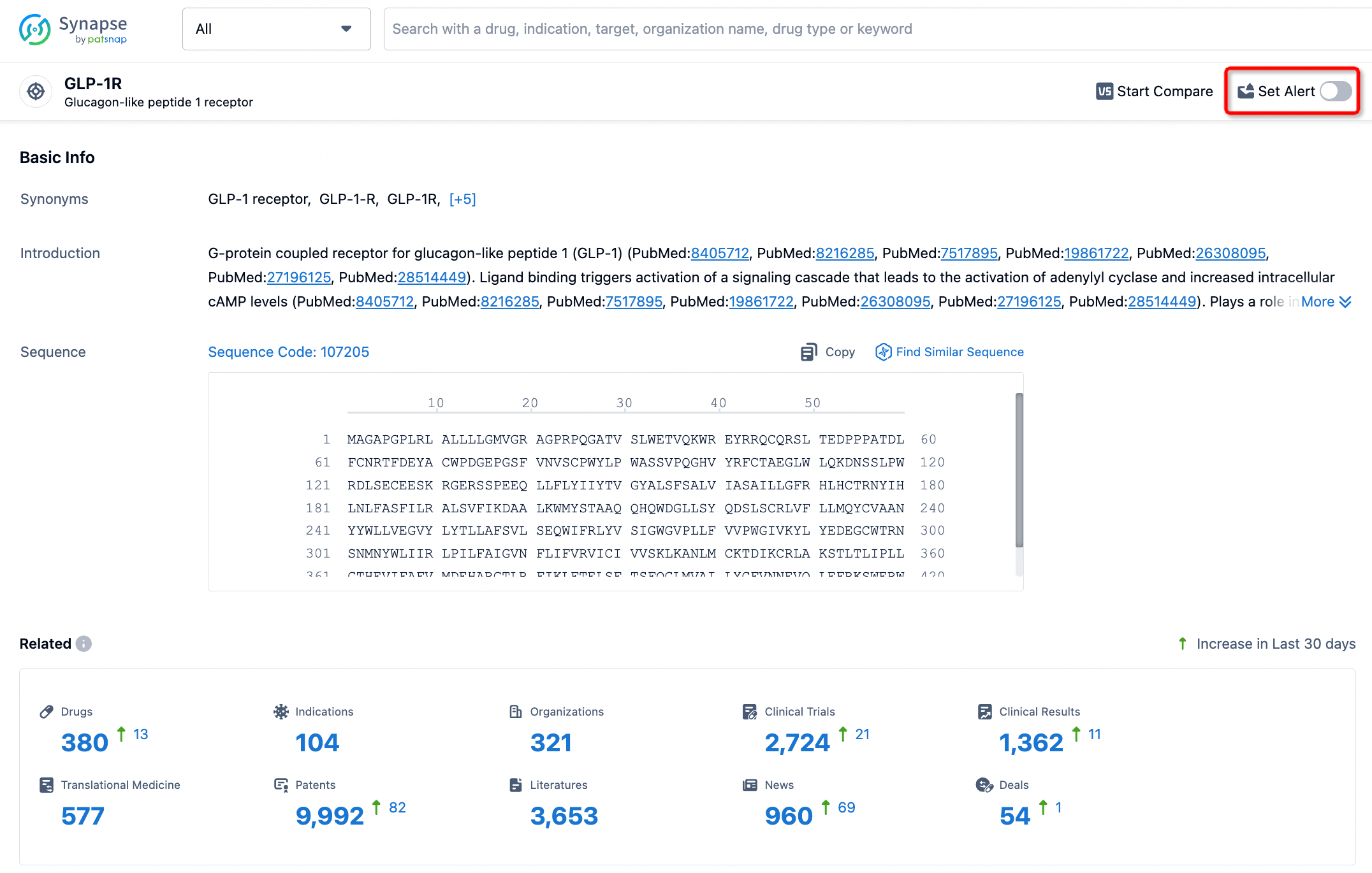
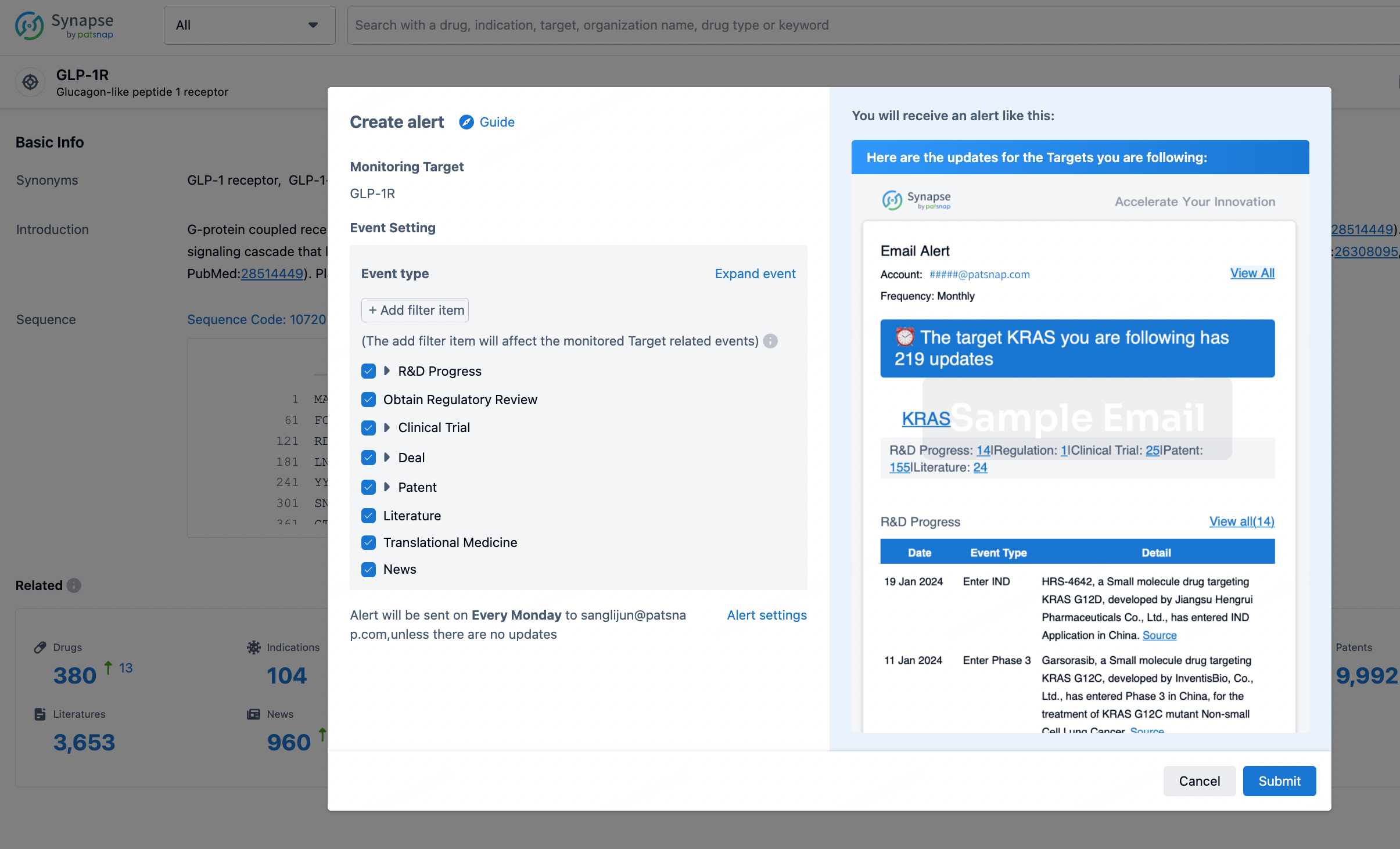
In the Synapse database, you can stay updated on the latest research and development advances of all targets. This service is accessible anytime and anywhere, with updates available daily or weekly. Use the "Set Alert" function to stay informed. Click on the image below to embark on a brand new journey of drug discovery!
AI Agents Built for Biopharma Breakthroughs
Accelerate discovery. Empower decisions. Transform outcomes.
Get started for free today!
Accelerate Strategic R&D decision making with Synapse, PatSnap’s AI-powered Connected Innovation Intelligence Platform Built for Life Sciences Professionals.
Start your data trial now!
Synapse data is also accessible to external entities via APIs or data packages. Empower better decisions with the latest in pharmaceutical intelligence.