Request Demo
What are α3β4 receptor antagonists and how do they work?
21 June 2024
The human brain is a complex network of neurons, neurotransmitters, and receptors, each playing a critical role in regulating myriad physiological functions and behaviors. Among these receptors, nicotinic acetylcholine receptors (nAChRs) are particularly fascinating due to their involvement in cognitive processes, pain perception, and addiction. Specifically, the α3β4 nAChR subtype has garnered significant attention in recent years. This blog post will delve into the world of α3β4 receptor antagonists, exploring their mechanisms of action and potential therapeutic applications.
α3β4 nAChRs are a specific subtype of nicotinic acetylcholine receptors found predominantly in the peripheral nervous system and certain areas of the central nervous system. These receptors are pentameric ion channels composed of three α3 subunits and two β4 subunits. When acetylcholine (ACh), the primary neurotransmitter, binds to these receptors, it triggers the opening of the ion channel, allowing the influx of cations such as sodium and calcium. This ion flow generates an electrical signal, propagating neuronal communication.
Antagonists of the α3β4 receptor work by binding to the receptor site and inhibiting its activation by ACh. By blocking the receptor, these antagonists prevent the ion channel from opening, thereby reducing neuronal excitability. The net effect is a downregulation of the signaling pathways mediated by the α3β4 receptors. This mechanism can be particularly useful in conditions where the overactivation of these receptors is detrimental.
The specificity of α3β4 receptor antagonists enables them to modulate discrete physiological processes with minimal off-target effects. This makes them attractive candidates for therapeutic interventions, as they can potentially offer targeted relief with fewer side effects compared to non-selective nAChR antagonists.
Researchers have identified a range of conditions where α3β4 receptor antagonists could have therapeutic benefits. One of the most promising areas is in the treatment of chronic pain. Chronic pain often involves the sensitization of neural pathways, where enhanced signaling through nAChRs, including α3β4 receptors, plays a role. By inhibiting these receptors, α3β4 antagonists could potentially reduce pain signals and offer relief to patients suffering from conditions such as neuropathic pain and inflammatory pain.
Another intriguing application is in the domain of addiction. Nicotine addiction, in particular, is heavily mediated through nAChRs. The α3β4 subtype is implicated in the rewarding and reinforcing effects of nicotine. By blocking these receptors, α3β4 antagonists may reduce the craving and withdrawal symptoms associated with nicotine addiction, aiding in smoking cessation efforts. Preliminary studies have shown that these antagonists can significantly reduce nicotine self-administration in animal models, providing hope for future clinical applications.
Moreover, α3β4 receptor antagonists are being explored for their potential in neuropsychiatric disorders. Conditions such as schizophrenia and major depressive disorder have been linked to dysregulation in cholinergic signaling. By modulating α3β4 receptors, it may be possible to correct some of these imbalances, offering a novel approach to treatment. While the research is still in its early stages, the initial findings are promising.
Additionally, the cardiovascular system may benefit from α3β4 receptor antagonists. These receptors are involved in the regulation of blood pressure and heart rate. Antagonists could potentially be used to treat conditions like hypertension by dampening the overactive signaling pathways that contribute to elevated blood pressure.
In conclusion, α3β4 receptor antagonists represent a burgeoning field of research with vast therapeutic potential. By understanding how these antagonists work and identifying the conditions they can treat, scientists hope to develop new, more effective treatments for a variety of ailments. Whether it's chronic pain, addiction, neuropsychiatric disorders, or cardiovascular conditions, α3β4 receptor antagonists could revolutionize the way we approach these health challenges. As research progresses, we may see these compounds becoming integral components of modern medical practice.
α3β4 nAChRs are a specific subtype of nicotinic acetylcholine receptors found predominantly in the peripheral nervous system and certain areas of the central nervous system. These receptors are pentameric ion channels composed of three α3 subunits and two β4 subunits. When acetylcholine (ACh), the primary neurotransmitter, binds to these receptors, it triggers the opening of the ion channel, allowing the influx of cations such as sodium and calcium. This ion flow generates an electrical signal, propagating neuronal communication.
Antagonists of the α3β4 receptor work by binding to the receptor site and inhibiting its activation by ACh. By blocking the receptor, these antagonists prevent the ion channel from opening, thereby reducing neuronal excitability. The net effect is a downregulation of the signaling pathways mediated by the α3β4 receptors. This mechanism can be particularly useful in conditions where the overactivation of these receptors is detrimental.
The specificity of α3β4 receptor antagonists enables them to modulate discrete physiological processes with minimal off-target effects. This makes them attractive candidates for therapeutic interventions, as they can potentially offer targeted relief with fewer side effects compared to non-selective nAChR antagonists.
Researchers have identified a range of conditions where α3β4 receptor antagonists could have therapeutic benefits. One of the most promising areas is in the treatment of chronic pain. Chronic pain often involves the sensitization of neural pathways, where enhanced signaling through nAChRs, including α3β4 receptors, plays a role. By inhibiting these receptors, α3β4 antagonists could potentially reduce pain signals and offer relief to patients suffering from conditions such as neuropathic pain and inflammatory pain.
Another intriguing application is in the domain of addiction. Nicotine addiction, in particular, is heavily mediated through nAChRs. The α3β4 subtype is implicated in the rewarding and reinforcing effects of nicotine. By blocking these receptors, α3β4 antagonists may reduce the craving and withdrawal symptoms associated with nicotine addiction, aiding in smoking cessation efforts. Preliminary studies have shown that these antagonists can significantly reduce nicotine self-administration in animal models, providing hope for future clinical applications.
Moreover, α3β4 receptor antagonists are being explored for their potential in neuropsychiatric disorders. Conditions such as schizophrenia and major depressive disorder have been linked to dysregulation in cholinergic signaling. By modulating α3β4 receptors, it may be possible to correct some of these imbalances, offering a novel approach to treatment. While the research is still in its early stages, the initial findings are promising.
Additionally, the cardiovascular system may benefit from α3β4 receptor antagonists. These receptors are involved in the regulation of blood pressure and heart rate. Antagonists could potentially be used to treat conditions like hypertension by dampening the overactive signaling pathways that contribute to elevated blood pressure.
In conclusion, α3β4 receptor antagonists represent a burgeoning field of research with vast therapeutic potential. By understanding how these antagonists work and identifying the conditions they can treat, scientists hope to develop new, more effective treatments for a variety of ailments. Whether it's chronic pain, addiction, neuropsychiatric disorders, or cardiovascular conditions, α3β4 receptor antagonists could revolutionize the way we approach these health challenges. As research progresses, we may see these compounds becoming integral components of modern medical practice.
How to obtain the latest development progress of all targets?
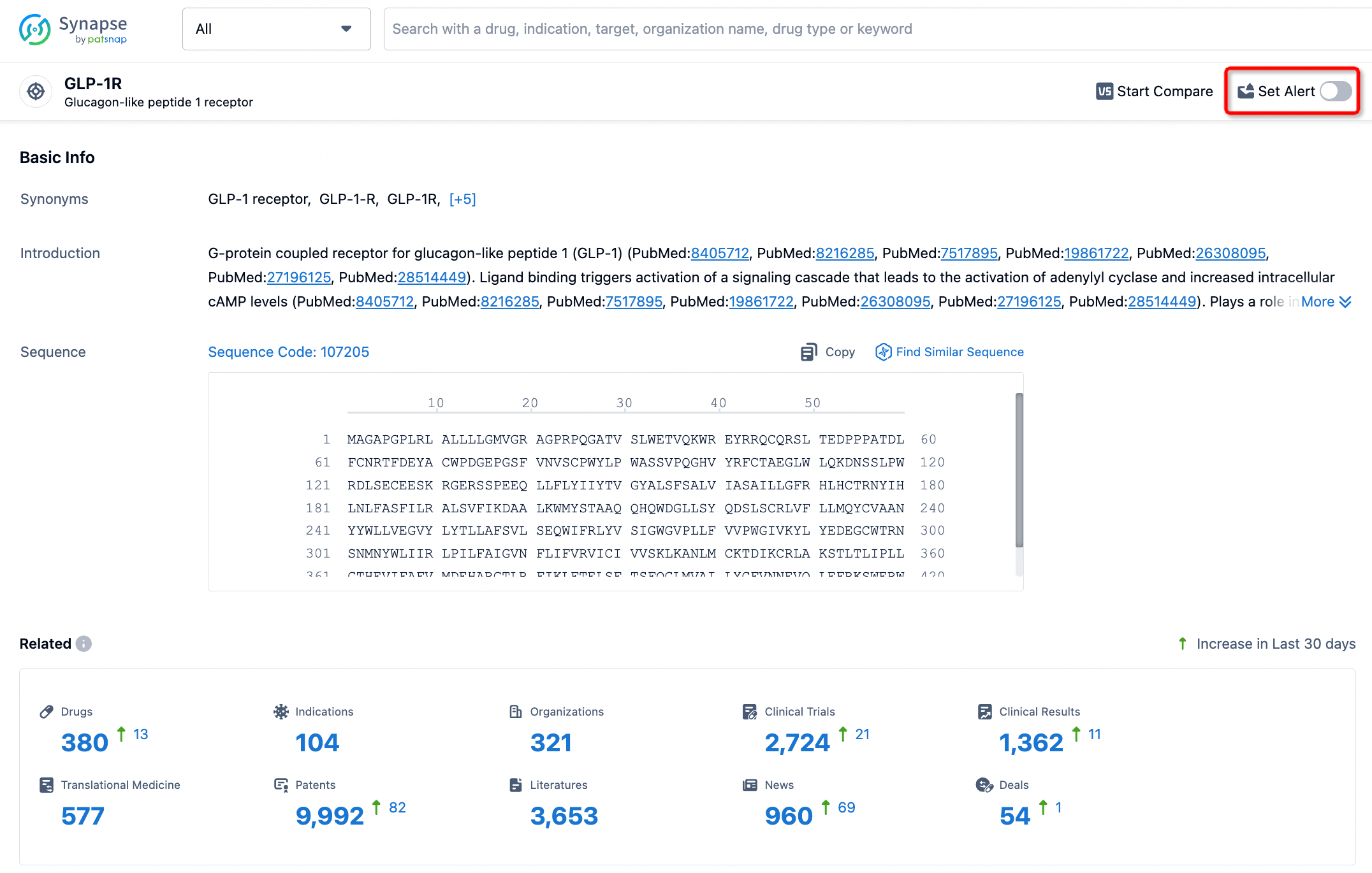
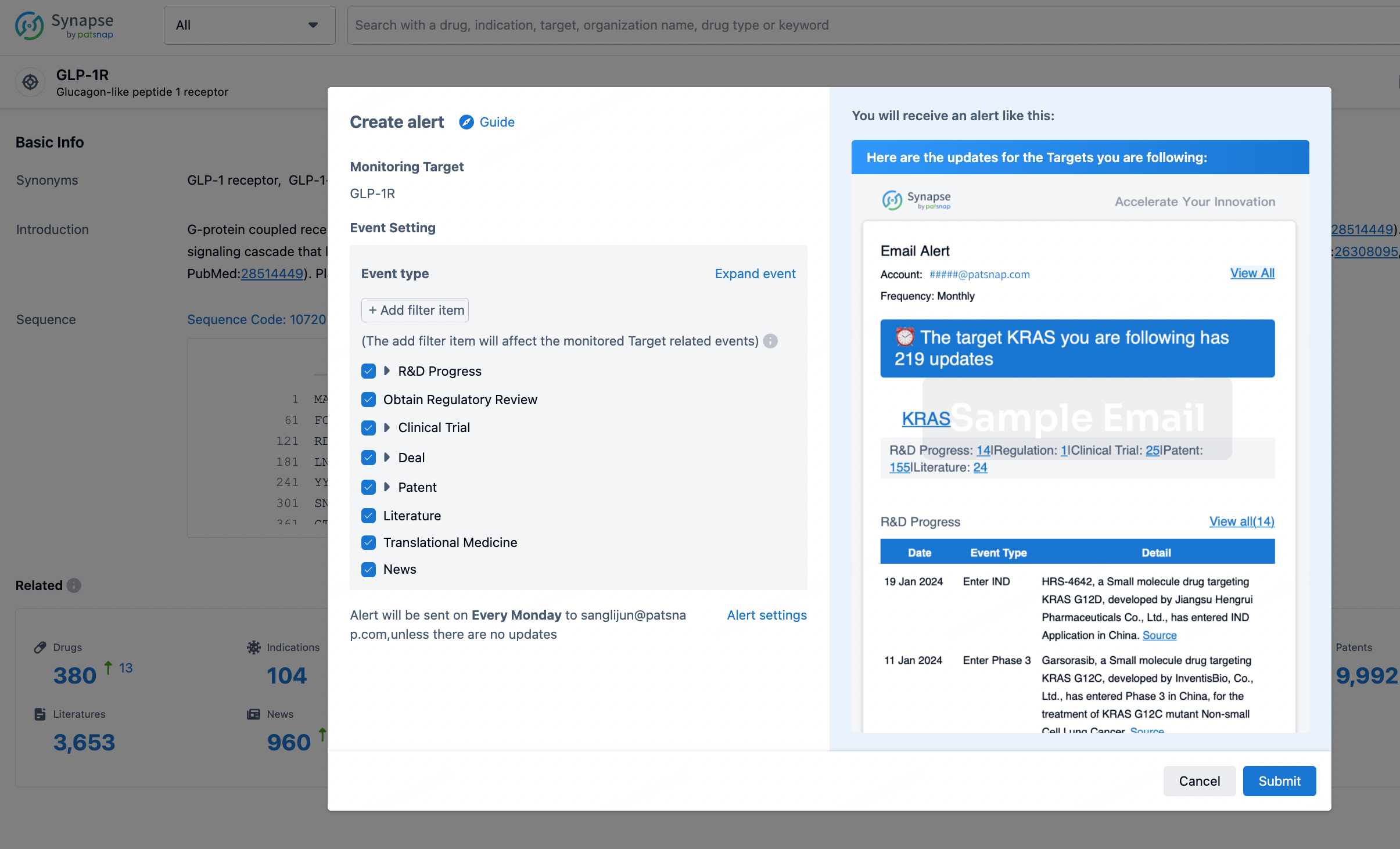
In the Synapse database, you can stay updated on the latest research and development advances of all targets. This service is accessible anytime and anywhere, with updates available daily or weekly. Use the "Set Alert" function to stay informed. Click on the image below to embark on a brand new journey of drug discovery!
AI Agents Built for Biopharma Breakthroughs
Accelerate discovery. Empower decisions. Transform outcomes.
Get started for free today!
Accelerate Strategic R&D decision making with Synapse, PatSnap’s AI-powered Connected Innovation Intelligence Platform Built for Life Sciences Professionals.
Start your data trial now!
Synapse data is also accessible to external entities via APIs or data packages. Empower better decisions with the latest in pharmaceutical intelligence.