Request Demo
What are α4β7 modulators and how do they work?
25 June 2024
The realm of immunotherapy has made immense strides in recent years, with targeted therapies offering promising hope for various chronic conditions. One such breakthrough is the development of α4β7 modulators. These specialized agents have shown significant potential in treating autoimmune diseases and other inflammatory conditions by selectively targeting specific pathways in the immune system. This article delves into the fascinating world of α4β7 modulators, exploring their mechanisms of action and therapeutic applications.
α4β7 integrin is a cellular adhesion molecule found predominantly on the surface of certain white blood cells, specifically lymphocytes. This integrin plays a critical role in directing these immune cells to specific tissues, particularly those in the gut. α4β7 integrin binds to its ligand, mucosal addressin cell adhesion molecule-1 (MAdCAM-1), which is expressed on the blood vessels of the gut. This interaction helps lymphocytes migrate from the bloodstream into the gut tissue, where they can mount an immune response.
While this mechanism is vital for a properly functioning immune system, it can become problematic in conditions where the immune response is inappropriately activated. In diseases such as inflammatory bowel disease (IBD), this unchecked immune activity leads to chronic inflammation and tissue damage. α4β7 modulators work by inhibiting this interaction, effectively reducing the influx of immune cells into the gut and mitigating inflammation.
α4β7 modulators primarily function as monoclonal antibodies that specifically target and bind to the α4β7 integrin. By blocking the α4β7 integrin, these modulators prevent it from interacting with MAdCAM-1, thereby inhibiting the migration of lymphocytes into the gut tissue. This selective blockade helps to reduce inflammation while sparing other vital immune functions, making it a highly targeted therapeutic approach.
Additionally, some α4β7 modulators can also induce a conformational change in the integrin, further preventing its ability to adhere to MAdCAM-1. This dual mode of action not only enhances the efficacy of the treatment but also contributes to a more favorable safety profile compared to broader immunosuppressive therapies.
The primary use of α4β7 modulators lies in the treatment of inflammatory bowel diseases, such as Crohn's disease and ulcerative colitis. These chronic conditions are characterized by persistent inflammation of the gastrointestinal tract, leading to symptoms like abdominal pain, diarrhea, and weight loss. Traditional therapies often involve broad-spectrum immunosuppressants or corticosteroids, which can have significant side effects and are not always effective in all patients.
α4β7 modulators offer an alternative by providing a more targeted approach to controlling gut-specific inflammation. Clinical trials have demonstrated that these modulators can induce and maintain remission in patients with moderate to severe IBD, offering relief where other treatments have failed. Their success in this arena has been a landmark development, giving patients and healthcare providers a new tool in the fight against these debilitating diseases.
Beyond IBD, research is ongoing to explore the potential of α4β7 modulators in other conditions characterized by inappropriate immune cell migration. For instance, there is interest in their application for certain autoimmune diseases, such as multiple sclerosis and psoriasis, where similar mechanisms of lymphocyte trafficking may play a role in disease pathology.
While the journey of understanding and leveraging α4β7 modulators is still unfolding, their current applications underscore a significant advancement in targeted immunotherapy. By honing in on specific pathways and interactions within the immune system, these modulators not only provide therapeutic benefits but also pave the way for more precise and personalized medical treatments in the future.
In conclusion, α4β7 modulators represent a significant innovation in the field of immunotherapy. Their ability to specifically target and inhibit the migration of immune cells to the gut positions them as a valuable treatment option for inflammatory bowel diseases. As research progresses, the scope of their application may broaden, offering hope to patients suffering from various autoimmune and inflammatory conditions. Through continued exploration and development, α4β7 modulators stand to make a lasting impact on the landscape of medical treatment.
α4β7 integrin is a cellular adhesion molecule found predominantly on the surface of certain white blood cells, specifically lymphocytes. This integrin plays a critical role in directing these immune cells to specific tissues, particularly those in the gut. α4β7 integrin binds to its ligand, mucosal addressin cell adhesion molecule-1 (MAdCAM-1), which is expressed on the blood vessels of the gut. This interaction helps lymphocytes migrate from the bloodstream into the gut tissue, where they can mount an immune response.
While this mechanism is vital for a properly functioning immune system, it can become problematic in conditions where the immune response is inappropriately activated. In diseases such as inflammatory bowel disease (IBD), this unchecked immune activity leads to chronic inflammation and tissue damage. α4β7 modulators work by inhibiting this interaction, effectively reducing the influx of immune cells into the gut and mitigating inflammation.
α4β7 modulators primarily function as monoclonal antibodies that specifically target and bind to the α4β7 integrin. By blocking the α4β7 integrin, these modulators prevent it from interacting with MAdCAM-1, thereby inhibiting the migration of lymphocytes into the gut tissue. This selective blockade helps to reduce inflammation while sparing other vital immune functions, making it a highly targeted therapeutic approach.
Additionally, some α4β7 modulators can also induce a conformational change in the integrin, further preventing its ability to adhere to MAdCAM-1. This dual mode of action not only enhances the efficacy of the treatment but also contributes to a more favorable safety profile compared to broader immunosuppressive therapies.
The primary use of α4β7 modulators lies in the treatment of inflammatory bowel diseases, such as Crohn's disease and ulcerative colitis. These chronic conditions are characterized by persistent inflammation of the gastrointestinal tract, leading to symptoms like abdominal pain, diarrhea, and weight loss. Traditional therapies often involve broad-spectrum immunosuppressants or corticosteroids, which can have significant side effects and are not always effective in all patients.
α4β7 modulators offer an alternative by providing a more targeted approach to controlling gut-specific inflammation. Clinical trials have demonstrated that these modulators can induce and maintain remission in patients with moderate to severe IBD, offering relief where other treatments have failed. Their success in this arena has been a landmark development, giving patients and healthcare providers a new tool in the fight against these debilitating diseases.
Beyond IBD, research is ongoing to explore the potential of α4β7 modulators in other conditions characterized by inappropriate immune cell migration. For instance, there is interest in their application for certain autoimmune diseases, such as multiple sclerosis and psoriasis, where similar mechanisms of lymphocyte trafficking may play a role in disease pathology.
While the journey of understanding and leveraging α4β7 modulators is still unfolding, their current applications underscore a significant advancement in targeted immunotherapy. By honing in on specific pathways and interactions within the immune system, these modulators not only provide therapeutic benefits but also pave the way for more precise and personalized medical treatments in the future.
In conclusion, α4β7 modulators represent a significant innovation in the field of immunotherapy. Their ability to specifically target and inhibit the migration of immune cells to the gut positions them as a valuable treatment option for inflammatory bowel diseases. As research progresses, the scope of their application may broaden, offering hope to patients suffering from various autoimmune and inflammatory conditions. Through continued exploration and development, α4β7 modulators stand to make a lasting impact on the landscape of medical treatment.
How to obtain the latest development progress of all targets?
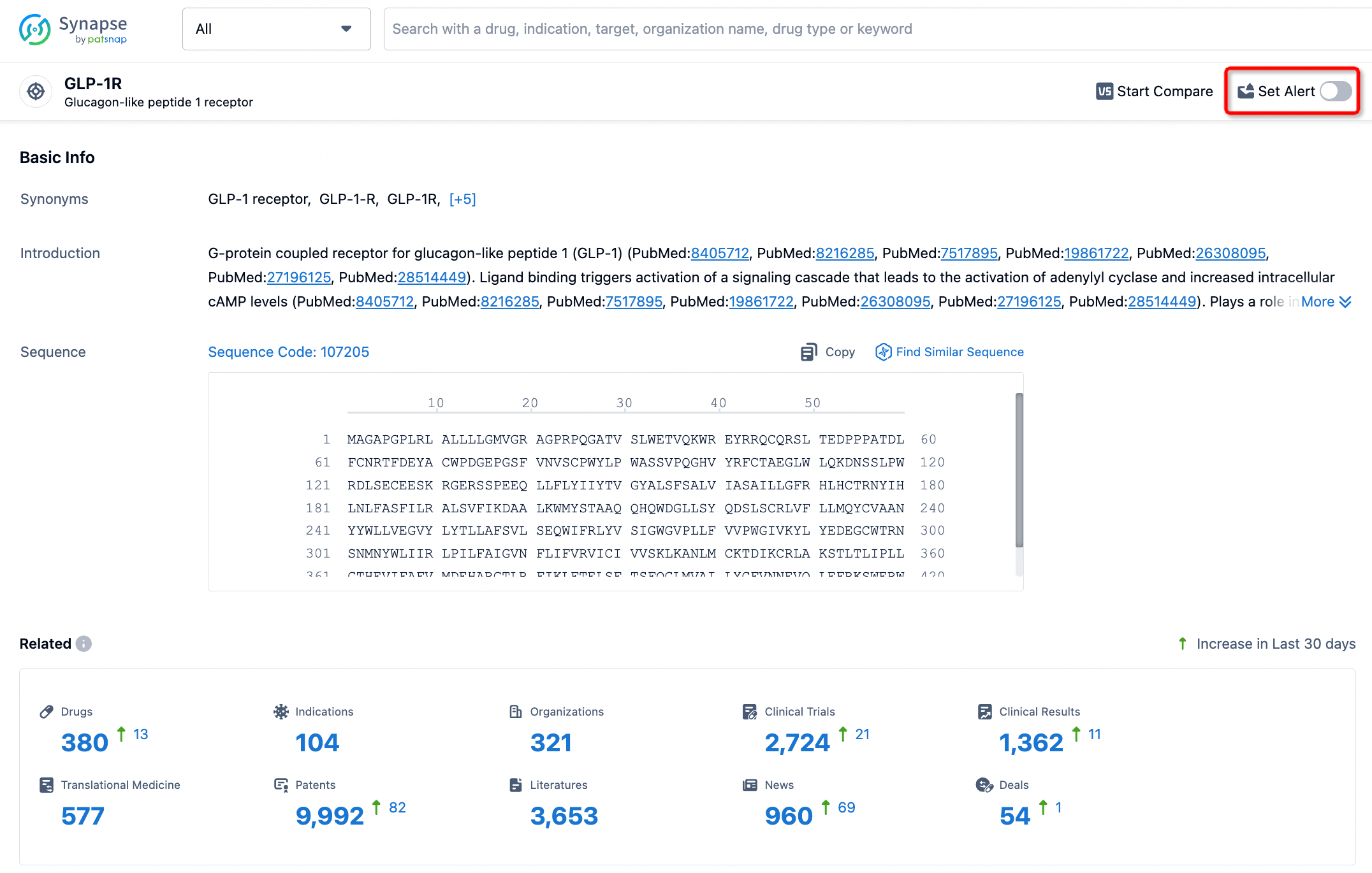
In the Synapse database, you can stay updated on the latest research and development advances of all targets. This service is accessible anytime and anywhere, with updates available daily or weekly. Use the "Set Alert" function to stay informed. Click on the image below to embark on a brand new journey of drug discovery!


AI Agents Built for Biopharma Breakthroughs
Accelerate discovery. Empower decisions. Transform outcomes.
Get started for free today!
Accelerate Strategic R&D decision making with Synapse, PatSnap’s AI-powered Connected Innovation Intelligence Platform Built for Life Sciences Professionals.
Start your data trial now!
Synapse data is also accessible to external entities via APIs or data packages. Empower better decisions with the latest in pharmaceutical intelligence.