Request Demo
What are αvβ6 antagonists and how do they work?
21 June 2024
αvβ6 antagonists have emerged as a promising class of therapeutic agents, particularly in the realm of oncology and fibrotic diseases. This family of integrin inhibitors targets the αvβ6 integrin, a protein that has been implicated in various pathological processes, including tumor progression, metastasis, and tissue fibrosis. To appreciate the clinical significance of αvβ6 antagonists, it’s essential to delve into their mechanisms of action, therapeutic applications, and potential benefits.
Firstly, αvβ6 antagonists work by specifically targeting the αvβ6 integrin, a transmembrane receptor that plays a critical role in cell adhesion, signaling, and the activation of transforming growth factor-beta (TGF-β). The αvβ6 integrin is typically expressed at low levels in adult tissues but becomes upregulated in several pathological conditions, including cancer and fibrotic diseases. By binding to this integrin, αvβ6 antagonists can block its interaction with extracellular matrix (ECM) proteins and inhibit the downstream signaling pathways that contribute to disease progression.
One of the key mechanisms through which αvβ6 integrin facilitates disease is through the activation of TGF-β, a cytokine that regulates cell growth, differentiation, and immune responses. In the context of fibrosis, TGF-β promotes the differentiation of fibroblasts into myofibroblasts, cells that produce excessive ECM components, leading to tissue scarring and organ dysfunction. In cancer, TGF-β plays a dual role; it suppresses tumor formation in early stages but promotes tumor growth and metastasis in later stages. By preventing αvβ6-mediated activation of TGF-β, αvβ6 antagonists can potentially mitigate both fibrotic responses and tumor progression.
The range of conditions that αvβ6 antagonists are being investigated for is quite broad. In oncology, these agents are being developed to treat a variety of cancers, including pancreatic, lung, and colorectal cancers, where αvβ6 is often overexpressed. Preclinical studies have demonstrated that αvβ6 antagonists can inhibit tumor growth and metastasis, and several clinical trials are currently underway to evaluate their efficacy in cancer patients. The hope is that by blocking αvβ6 integrin, these drugs can slow down or even halt the progression of tumors, potentially improving survival rates and quality of life for patients.
In addition to cancer, αvβ6 antagonists hold promise for the treatment of fibrotic diseases such as idiopathic pulmonary fibrosis (IPF), liver fibrosis, and renal fibrosis. For instance, IPF is a chronic, progressive lung disease characterized by the accumulation of fibrotic tissue, leading to impaired lung function and ultimately, respiratory failure. Current treatments for IPF are limited in their efficacy and often come with significant side effects. αvβ6 antagonists offer a novel therapeutic approach by targeting the underlying mechanisms of fibrosis, specifically the TGF-β pathway. Early-phase clinical trials have shown that these agents can reduce fibrosis in animal models, and ongoing human studies are exploring their potential benefits in patients with IPF.
Moreover, the therapeutic landscape for αvβ6 antagonists is expanding to include other fibrotic conditions, such as systemic sclerosis and Duchenne muscular dystrophy, where tissue fibrosis plays a major role in disease pathology. By mitigating fibrosis, αvβ6 antagonists may not only slow disease progression but also improve organ function and patient outcomes.
In summary, αvβ6 antagonists represent a versatile and targeted approach to treating both oncologic and fibrotic diseases. By inhibiting the αvβ6 integrin and its downstream effects, these agents can potentially interfere with critical pathological processes, offering hope for conditions that currently have limited treatment options. As research progresses, the clinical potential of αvβ6 antagonists will become clearer, potentially ushering in new, effective therapies for a range of debilitating diseases.
Firstly, αvβ6 antagonists work by specifically targeting the αvβ6 integrin, a transmembrane receptor that plays a critical role in cell adhesion, signaling, and the activation of transforming growth factor-beta (TGF-β). The αvβ6 integrin is typically expressed at low levels in adult tissues but becomes upregulated in several pathological conditions, including cancer and fibrotic diseases. By binding to this integrin, αvβ6 antagonists can block its interaction with extracellular matrix (ECM) proteins and inhibit the downstream signaling pathways that contribute to disease progression.
One of the key mechanisms through which αvβ6 integrin facilitates disease is through the activation of TGF-β, a cytokine that regulates cell growth, differentiation, and immune responses. In the context of fibrosis, TGF-β promotes the differentiation of fibroblasts into myofibroblasts, cells that produce excessive ECM components, leading to tissue scarring and organ dysfunction. In cancer, TGF-β plays a dual role; it suppresses tumor formation in early stages but promotes tumor growth and metastasis in later stages. By preventing αvβ6-mediated activation of TGF-β, αvβ6 antagonists can potentially mitigate both fibrotic responses and tumor progression.
The range of conditions that αvβ6 antagonists are being investigated for is quite broad. In oncology, these agents are being developed to treat a variety of cancers, including pancreatic, lung, and colorectal cancers, where αvβ6 is often overexpressed. Preclinical studies have demonstrated that αvβ6 antagonists can inhibit tumor growth and metastasis, and several clinical trials are currently underway to evaluate their efficacy in cancer patients. The hope is that by blocking αvβ6 integrin, these drugs can slow down or even halt the progression of tumors, potentially improving survival rates and quality of life for patients.
In addition to cancer, αvβ6 antagonists hold promise for the treatment of fibrotic diseases such as idiopathic pulmonary fibrosis (IPF), liver fibrosis, and renal fibrosis. For instance, IPF is a chronic, progressive lung disease characterized by the accumulation of fibrotic tissue, leading to impaired lung function and ultimately, respiratory failure. Current treatments for IPF are limited in their efficacy and often come with significant side effects. αvβ6 antagonists offer a novel therapeutic approach by targeting the underlying mechanisms of fibrosis, specifically the TGF-β pathway. Early-phase clinical trials have shown that these agents can reduce fibrosis in animal models, and ongoing human studies are exploring their potential benefits in patients with IPF.
Moreover, the therapeutic landscape for αvβ6 antagonists is expanding to include other fibrotic conditions, such as systemic sclerosis and Duchenne muscular dystrophy, where tissue fibrosis plays a major role in disease pathology. By mitigating fibrosis, αvβ6 antagonists may not only slow disease progression but also improve organ function and patient outcomes.
In summary, αvβ6 antagonists represent a versatile and targeted approach to treating both oncologic and fibrotic diseases. By inhibiting the αvβ6 integrin and its downstream effects, these agents can potentially interfere with critical pathological processes, offering hope for conditions that currently have limited treatment options. As research progresses, the clinical potential of αvβ6 antagonists will become clearer, potentially ushering in new, effective therapies for a range of debilitating diseases.
How to obtain the latest development progress of all targets?
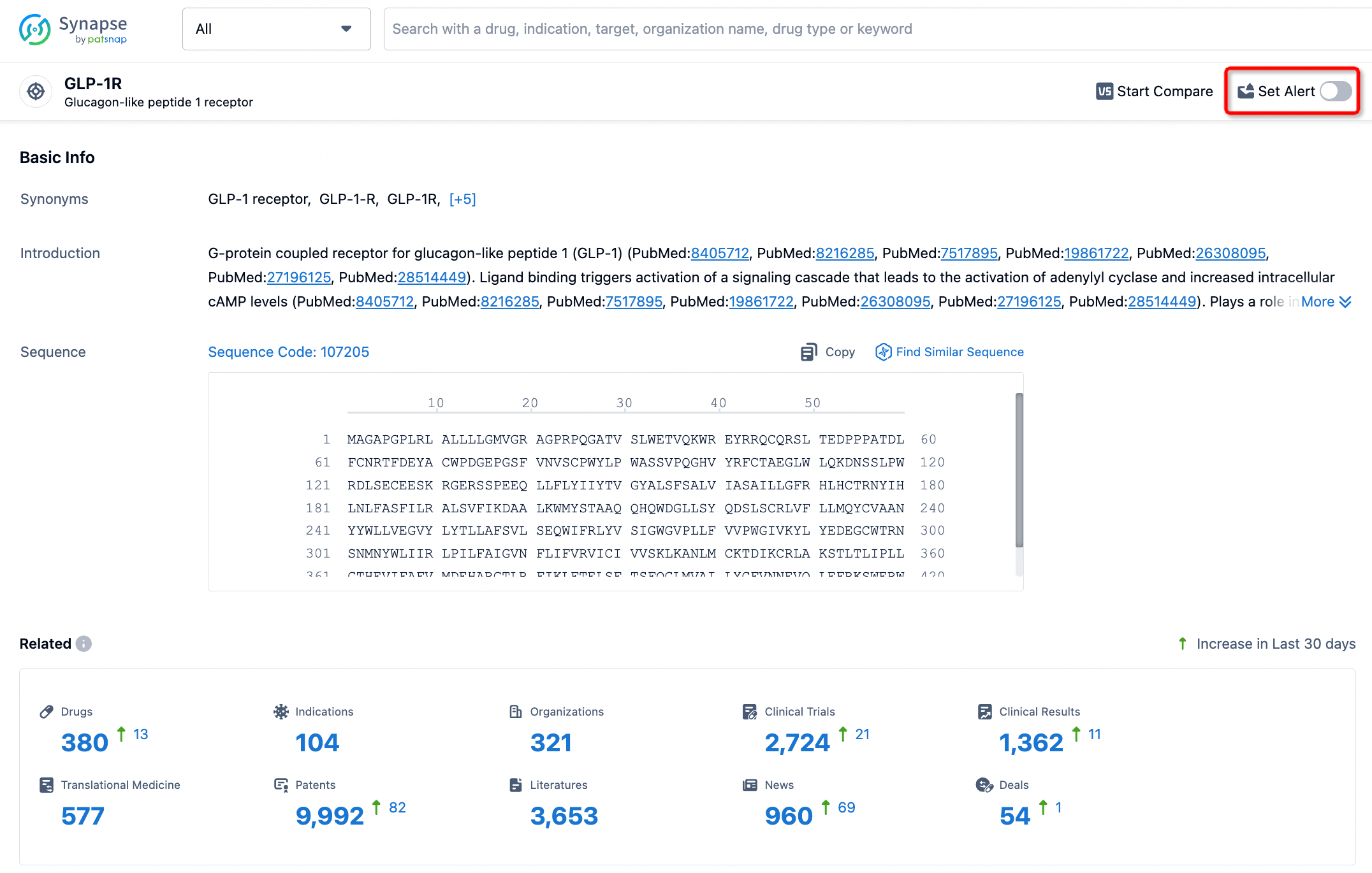
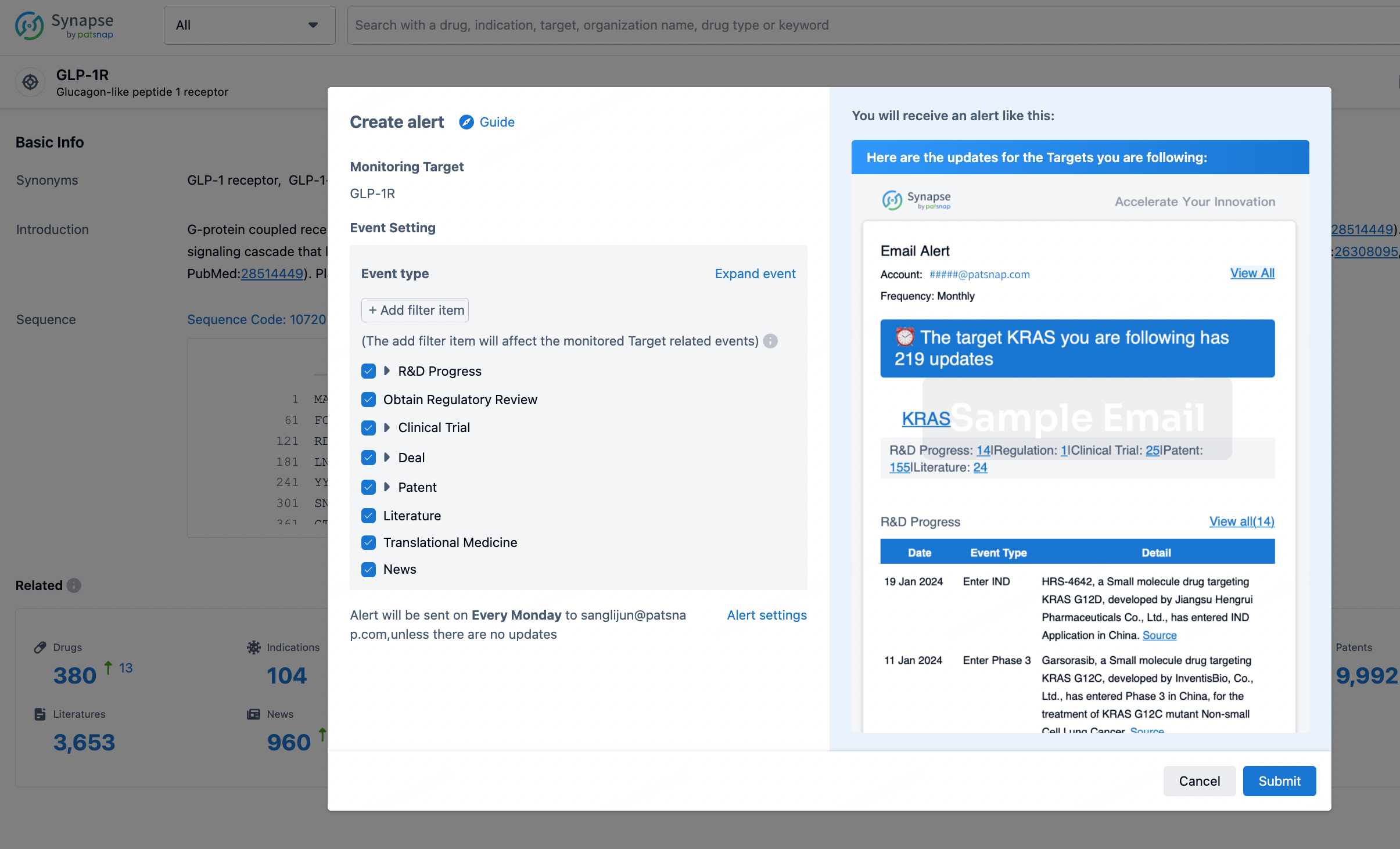
In the Synapse database, you can stay updated on the latest research and development advances of all targets. This service is accessible anytime and anywhere, with updates available daily or weekly. Use the "Set Alert" function to stay informed. Click on the image below to embark on a brand new journey of drug discovery!
AI Agents Built for Biopharma Breakthroughs
Accelerate discovery. Empower decisions. Transform outcomes.
Get started for free today!
Accelerate Strategic R&D decision making with Synapse, PatSnap’s AI-powered Connected Innovation Intelligence Platform Built for Life Sciences Professionals.
Start your data trial now!
Synapse data is also accessible to external entities via APIs or data packages. Empower better decisions with the latest in pharmaceutical intelligence.