Request Demo
What are β-globin modulators and how do they work?
21 June 2024
Introduction to β-globin modulators
β-Globin modulators are a class of therapeutic agents designed to address hematologic disorders, particularly those that are characterized by defective or insufficient β-globin chains. β-Globin is a critical component of hemoglobin, the protein in red blood cells that carries oxygen from the lungs to tissues throughout the body. Disorders of β-globin, such as β-thalassemia and sickle cell disease, result from mutations that affect the production or function of this vital protein. These conditions can lead to severe anemia, pain, organ damage, and other serious health issues. As our understanding of genetic and molecular biology advances, β-globin modulators offer promising new avenues for treating these debilitating diseases.
How do β-globin modulators work?
The workings of β-globin modulators hinge on their ability to alter the expression or function of the β-globin gene or its protein product. One of the primary strategies involves the reactivation of fetal hemoglobin (HbF) production. HbF is the dominant form of hemoglobin in the fetus, and it is usually replaced by adult hemoglobin (HbA) shortly after birth. However, in individuals with β-globin disorders, reactivating HbF can compensate for defective HbA.
There are several types of β-globin modulators:
1. **Gene Therapy:** This approach involves introducing a functional copy of the β-globin gene into the patient’s hematopoietic stem cells. These modified cells are then reintroduced into the patient’s bone marrow, where they can produce healthy red blood cells.
2. **Gene Editing:** Techniques like CRISPR/Cas9 can be used to correct the specific mutations within the β-globin gene that cause disease. Alternatively, gene editing can be used to disrupt genes that repress HbF production, thereby elevating HbF levels.
3. **Pharmacological Agents:** Certain drugs, such as hydroxyurea, can promote HbF production. Other small molecules are being developed to either enhance β-globin production or modulate the splicing of β-globin mRNA to produce functional hemoglobin.
4. **Protein-based Therapeutics:** These include molecules designed to stabilize the β-globin protein or enhance its function, thereby improving the oxygen-carrying capacity of red blood cells.
What are β-globin modulators used for?
The primary application of β-globin modulators is in the treatment of β-thalassemia and sickle cell disease. Both of these conditions are genetic disorders that result from mutations in the β-globin gene, leading to defective hemoglobin production.
**β-Thalassemia:** This condition is caused by mutations that reduce or eliminate the production of β-globin chains. The imbalance between α-globin and β-globin chains leads to ineffective erythropoiesis (red blood cell production) and chronic anemia. Patients often require regular blood transfusions and iron chelation therapy to manage iron overload. β-Globin modulators can potentially restore the balance of globin chains, reducing the need for transfusions and improving overall quality of life. Gene therapy trials have shown promising results, with some patients achieving transfusion independence.
**Sickle Cell Disease:** This disorder is characterized by a specific mutation in the β-globin gene that produces hemoglobin S (HbS). Under low-oxygen conditions, HbS polymerizes, causing red blood cells to take on a sickle shape. These misshapen cells can block blood flow and cause severe pain, organ damage, and increased risk of infection. β-Globin modulators aim to reduce the concentration of HbS by increasing the production of HbF or by directly correcting the HbS mutation. Hydroxyurea is already FDA-approved for this purpose, and newer gene-editing approaches are in clinical trials, showing potential for reducing disease severity and improving patient outcomes.
In conclusion, β-globin modulators represent a significant advancement in the treatment of β-globin disorders. By leveraging cutting-edge technologies in gene therapy, gene editing, and pharmacology, these modulators offer hope for more effective and durable treatments. Continued research and clinical trials are essential to fully realize their potential and to provide patients with these devastating conditions a chance at a healthier, more normal life.
β-Globin modulators are a class of therapeutic agents designed to address hematologic disorders, particularly those that are characterized by defective or insufficient β-globin chains. β-Globin is a critical component of hemoglobin, the protein in red blood cells that carries oxygen from the lungs to tissues throughout the body. Disorders of β-globin, such as β-thalassemia and sickle cell disease, result from mutations that affect the production or function of this vital protein. These conditions can lead to severe anemia, pain, organ damage, and other serious health issues. As our understanding of genetic and molecular biology advances, β-globin modulators offer promising new avenues for treating these debilitating diseases.
How do β-globin modulators work?
The workings of β-globin modulators hinge on their ability to alter the expression or function of the β-globin gene or its protein product. One of the primary strategies involves the reactivation of fetal hemoglobin (HbF) production. HbF is the dominant form of hemoglobin in the fetus, and it is usually replaced by adult hemoglobin (HbA) shortly after birth. However, in individuals with β-globin disorders, reactivating HbF can compensate for defective HbA.
There are several types of β-globin modulators:
1. **Gene Therapy:** This approach involves introducing a functional copy of the β-globin gene into the patient’s hematopoietic stem cells. These modified cells are then reintroduced into the patient’s bone marrow, where they can produce healthy red blood cells.
2. **Gene Editing:** Techniques like CRISPR/Cas9 can be used to correct the specific mutations within the β-globin gene that cause disease. Alternatively, gene editing can be used to disrupt genes that repress HbF production, thereby elevating HbF levels.
3. **Pharmacological Agents:** Certain drugs, such as hydroxyurea, can promote HbF production. Other small molecules are being developed to either enhance β-globin production or modulate the splicing of β-globin mRNA to produce functional hemoglobin.
4. **Protein-based Therapeutics:** These include molecules designed to stabilize the β-globin protein or enhance its function, thereby improving the oxygen-carrying capacity of red blood cells.
What are β-globin modulators used for?
The primary application of β-globin modulators is in the treatment of β-thalassemia and sickle cell disease. Both of these conditions are genetic disorders that result from mutations in the β-globin gene, leading to defective hemoglobin production.
**β-Thalassemia:** This condition is caused by mutations that reduce or eliminate the production of β-globin chains. The imbalance between α-globin and β-globin chains leads to ineffective erythropoiesis (red blood cell production) and chronic anemia. Patients often require regular blood transfusions and iron chelation therapy to manage iron overload. β-Globin modulators can potentially restore the balance of globin chains, reducing the need for transfusions and improving overall quality of life. Gene therapy trials have shown promising results, with some patients achieving transfusion independence.
**Sickle Cell Disease:** This disorder is characterized by a specific mutation in the β-globin gene that produces hemoglobin S (HbS). Under low-oxygen conditions, HbS polymerizes, causing red blood cells to take on a sickle shape. These misshapen cells can block blood flow and cause severe pain, organ damage, and increased risk of infection. β-Globin modulators aim to reduce the concentration of HbS by increasing the production of HbF or by directly correcting the HbS mutation. Hydroxyurea is already FDA-approved for this purpose, and newer gene-editing approaches are in clinical trials, showing potential for reducing disease severity and improving patient outcomes.
In conclusion, β-globin modulators represent a significant advancement in the treatment of β-globin disorders. By leveraging cutting-edge technologies in gene therapy, gene editing, and pharmacology, these modulators offer hope for more effective and durable treatments. Continued research and clinical trials are essential to fully realize their potential and to provide patients with these devastating conditions a chance at a healthier, more normal life.
How to obtain the latest development progress of all targets?
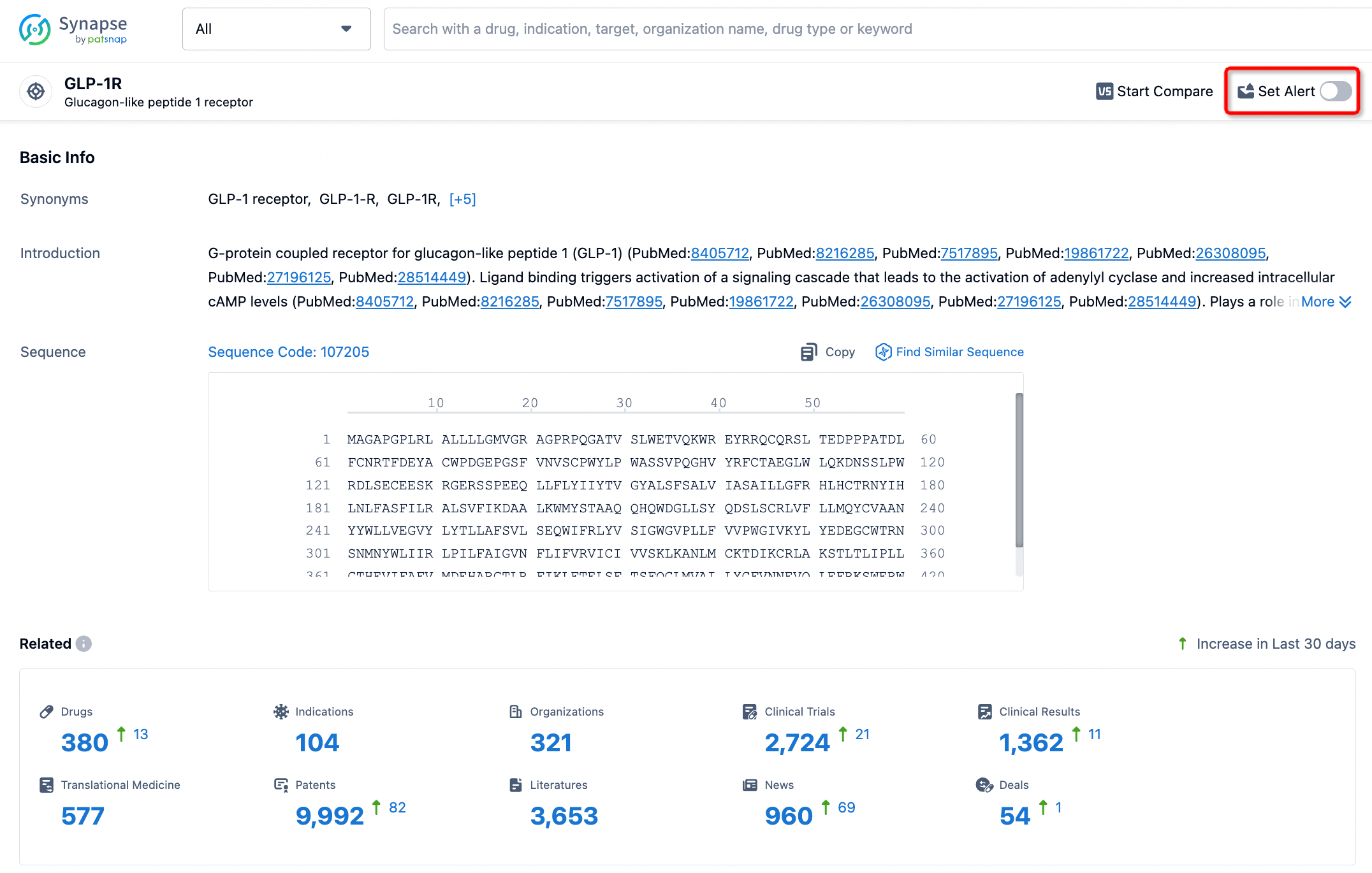
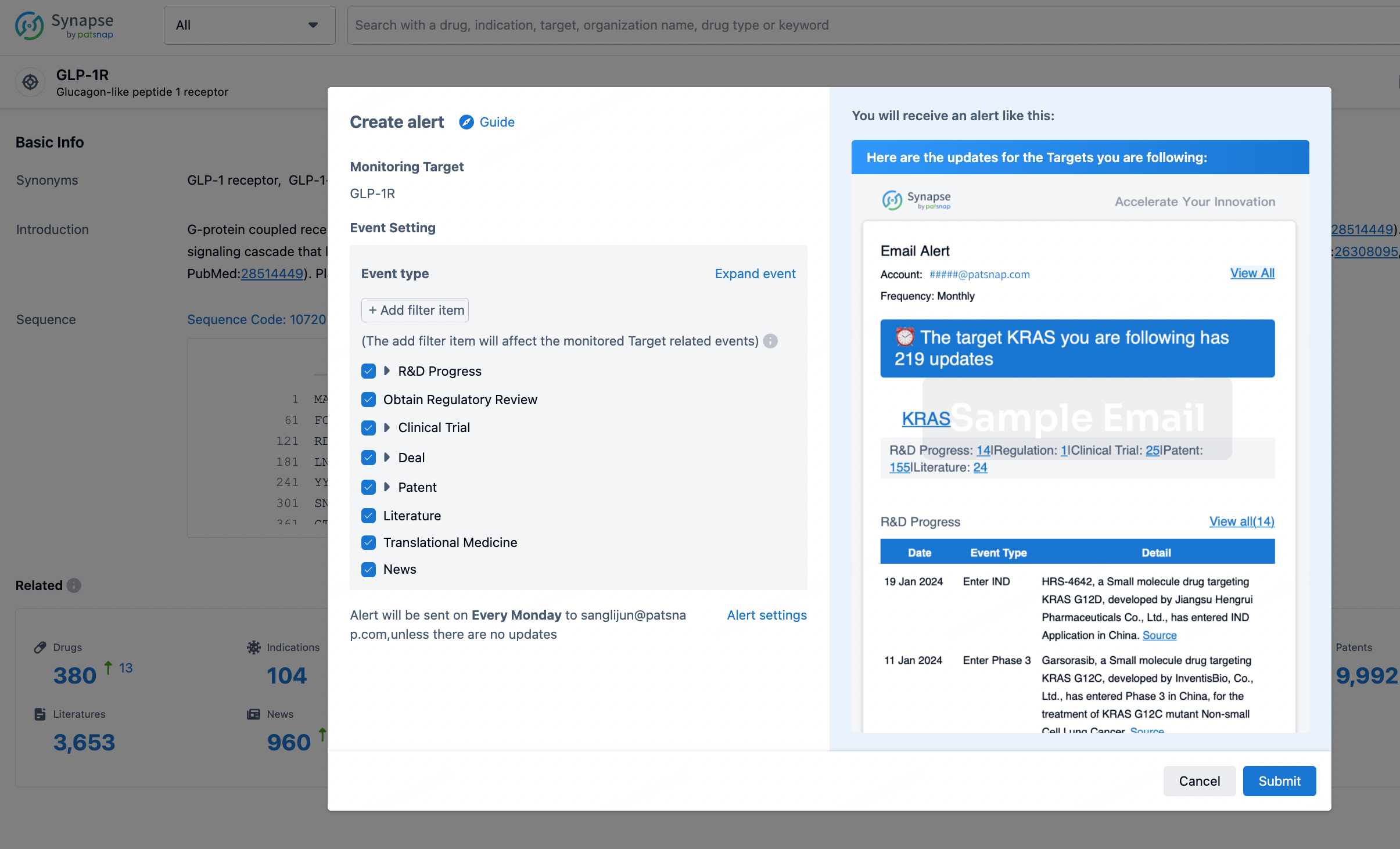
In the Synapse database, you can stay updated on the latest research and development advances of all targets. This service is accessible anytime and anywhere, with updates available daily or weekly. Use the "Set Alert" function to stay informed. Click on the image below to embark on a brand new journey of drug discovery!
AI Agents Built for Biopharma Breakthroughs
Accelerate discovery. Empower decisions. Transform outcomes.
Get started for free today!
Accelerate Strategic R&D decision making with Synapse, PatSnap’s AI-powered Connected Innovation Intelligence Platform Built for Life Sciences Professionals.
Start your data trial now!
Synapse data is also accessible to external entities via APIs or data packages. Empower better decisions with the latest in pharmaceutical intelligence.