Request Demo
What are σ receptor agonists and how do they work?
25 June 2024
Introduction to σ Receptor Agonists
Sigma (σ) receptors are a unique class of proteins that were initially classified as a subtype of opioid receptors but were later recognized as a distinct group due to their unique pharmacological profile. They are divided into two subtypes: σ-1 and σ-2 receptors. While the σ-1 receptor has been extensively studied, the σ-2 receptor remains less understood. σ receptors are located in various tissues throughout the body, including the central nervous system (CNS), peripheral organs, and immune cells. σ receptor agonists are compounds that bind to these receptors and activate them to produce a biological response. These agonists have garnered significant interest in the scientific community due to their potential therapeutic applications in various medical conditions, ranging from neurological disorders to cancer.
How Do σ Receptor Agonists Work?
The mechanism of action of σ receptor agonists is complex and not yet fully elucidated. However, it is known that σ-1 receptors, in particular, play a role in modulating a variety of cellular processes. These receptors are located on the endoplasmic reticulum membrane and form a unique chaperone protein that can translocate to other parts of the cell under certain conditions. When activated by agonists, σ-1 receptors influence ion channels, neurotransmitter systems, and signaling pathways, thereby affecting cellular homeostasis and function.
One of the key roles of σ-1 receptors is the modulation of calcium signaling. By interacting with various calcium channels and transporters, σ-1 receptor agonists can regulate intracellular calcium levels, which are crucial for numerous cellular functions, including neurotransmission, muscle contraction, and cell survival. Additionally, σ-1 receptors are involved in the regulation of oxidative stress responses and protein folding, which are vital for maintaining cellular health.
The exact functioning of σ-2 receptors is less clear, but they are believed to be involved in cell proliferation and apoptosis, making them a target of interest in cancer research. Unlike σ-1 receptors, σ-2 receptors do not appear to have chaperone activity but may influence cellular lipid metabolism and signal transduction pathways related to cell growth and survival.
What Are σ Receptor Agonists Used For?
The therapeutic potential of σ receptor agonists is vast, with ongoing research exploring their effectiveness in treating a wide range of conditions. Below are some of the most promising applications:
1. **Neurological Disorders**: σ receptor agonists have shown potential in treating various neurological conditions, including neurodegenerative diseases like Alzheimer's and Parkinson's. These agonists can modulate neurotransmitter release, enhance neuroplasticity, and provide neuroprotection by reducing oxidative stress and inflammation. For example, the σ-1 receptor agonist fluvoxamine has been explored for its neuroprotective effects in models of neurodegeneration.
2. **Pain Management**: σ receptor agonists are being investigated for their analgesic properties. Unlike traditional opioids, which can cause significant side effects and lead to dependence, σ receptor agonists offer a different mechanism of pain modulation that could potentially result in fewer adverse effects. These compounds may provide relief for chronic pain conditions without the risk of addiction.
3. **Mental Health**: The involvement of σ receptors in modulating neurotransmitter systems makes these agonists potential candidates for the treatment of psychiatric disorders such as depression, anxiety, and schizophrenia. Some σ-1 receptor agonists have already been approved for use as antidepressants, showcasing their efficacy in improving mood and cognitive function.
4. **Cancer Therapy**: The role of σ-2 receptors in cell proliferation and apoptosis has sparked interest in their use as targets for cancer treatment. σ-2 receptor agonists can induce cell death in cancer cells and may enhance the effectiveness of existing chemotherapeutic agents. Research is ongoing to develop σ-2 receptor agonists that can selectively target tumor cells while sparing healthy tissues.
5. **Cardiovascular Health**: Emerging studies suggest that σ receptor agonists might have cardioprotective effects. By modulating calcium signaling and reducing oxidative stress, these agonists could potentially protect against cardiovascular diseases such as heart failure and ischemia-reperfusion injury.
In conclusion, σ receptor agonists represent a promising frontier in pharmacology with potential applications across a broad spectrum of medical conditions. Continued research into the mechanisms and effects of these compounds will be crucial in unlocking their full therapeutic potential and developing effective treatments for various diseases.
Sigma (σ) receptors are a unique class of proteins that were initially classified as a subtype of opioid receptors but were later recognized as a distinct group due to their unique pharmacological profile. They are divided into two subtypes: σ-1 and σ-2 receptors. While the σ-1 receptor has been extensively studied, the σ-2 receptor remains less understood. σ receptors are located in various tissues throughout the body, including the central nervous system (CNS), peripheral organs, and immune cells. σ receptor agonists are compounds that bind to these receptors and activate them to produce a biological response. These agonists have garnered significant interest in the scientific community due to their potential therapeutic applications in various medical conditions, ranging from neurological disorders to cancer.
How Do σ Receptor Agonists Work?
The mechanism of action of σ receptor agonists is complex and not yet fully elucidated. However, it is known that σ-1 receptors, in particular, play a role in modulating a variety of cellular processes. These receptors are located on the endoplasmic reticulum membrane and form a unique chaperone protein that can translocate to other parts of the cell under certain conditions. When activated by agonists, σ-1 receptors influence ion channels, neurotransmitter systems, and signaling pathways, thereby affecting cellular homeostasis and function.
One of the key roles of σ-1 receptors is the modulation of calcium signaling. By interacting with various calcium channels and transporters, σ-1 receptor agonists can regulate intracellular calcium levels, which are crucial for numerous cellular functions, including neurotransmission, muscle contraction, and cell survival. Additionally, σ-1 receptors are involved in the regulation of oxidative stress responses and protein folding, which are vital for maintaining cellular health.
The exact functioning of σ-2 receptors is less clear, but they are believed to be involved in cell proliferation and apoptosis, making them a target of interest in cancer research. Unlike σ-1 receptors, σ-2 receptors do not appear to have chaperone activity but may influence cellular lipid metabolism and signal transduction pathways related to cell growth and survival.
What Are σ Receptor Agonists Used For?
The therapeutic potential of σ receptor agonists is vast, with ongoing research exploring their effectiveness in treating a wide range of conditions. Below are some of the most promising applications:
1. **Neurological Disorders**: σ receptor agonists have shown potential in treating various neurological conditions, including neurodegenerative diseases like Alzheimer's and Parkinson's. These agonists can modulate neurotransmitter release, enhance neuroplasticity, and provide neuroprotection by reducing oxidative stress and inflammation. For example, the σ-1 receptor agonist fluvoxamine has been explored for its neuroprotective effects in models of neurodegeneration.
2. **Pain Management**: σ receptor agonists are being investigated for their analgesic properties. Unlike traditional opioids, which can cause significant side effects and lead to dependence, σ receptor agonists offer a different mechanism of pain modulation that could potentially result in fewer adverse effects. These compounds may provide relief for chronic pain conditions without the risk of addiction.
3. **Mental Health**: The involvement of σ receptors in modulating neurotransmitter systems makes these agonists potential candidates for the treatment of psychiatric disorders such as depression, anxiety, and schizophrenia. Some σ-1 receptor agonists have already been approved for use as antidepressants, showcasing their efficacy in improving mood and cognitive function.
4. **Cancer Therapy**: The role of σ-2 receptors in cell proliferation and apoptosis has sparked interest in their use as targets for cancer treatment. σ-2 receptor agonists can induce cell death in cancer cells and may enhance the effectiveness of existing chemotherapeutic agents. Research is ongoing to develop σ-2 receptor agonists that can selectively target tumor cells while sparing healthy tissues.
5. **Cardiovascular Health**: Emerging studies suggest that σ receptor agonists might have cardioprotective effects. By modulating calcium signaling and reducing oxidative stress, these agonists could potentially protect against cardiovascular diseases such as heart failure and ischemia-reperfusion injury.
In conclusion, σ receptor agonists represent a promising frontier in pharmacology with potential applications across a broad spectrum of medical conditions. Continued research into the mechanisms and effects of these compounds will be crucial in unlocking their full therapeutic potential and developing effective treatments for various diseases.
How to obtain the latest development progress of all targets?
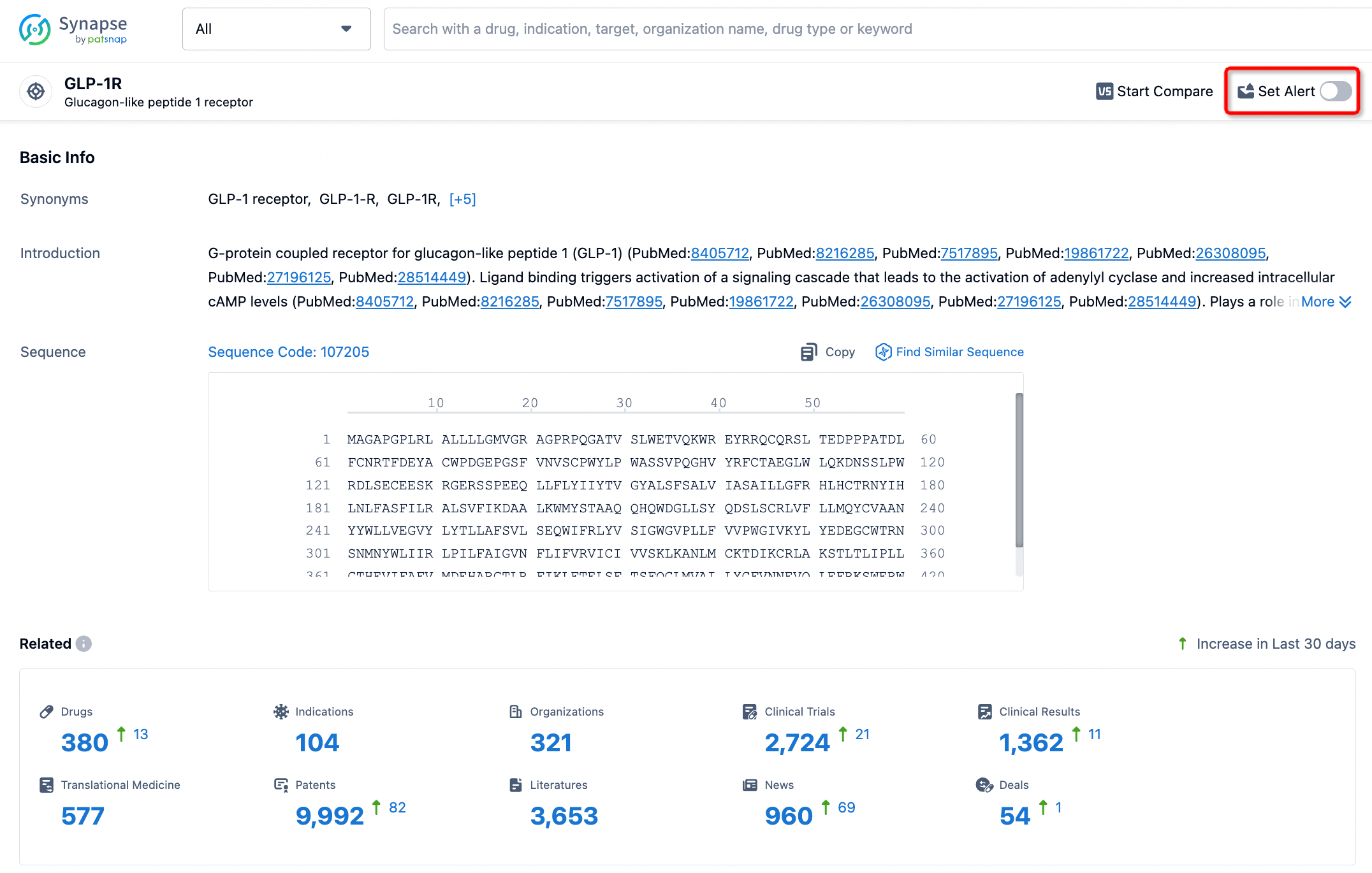
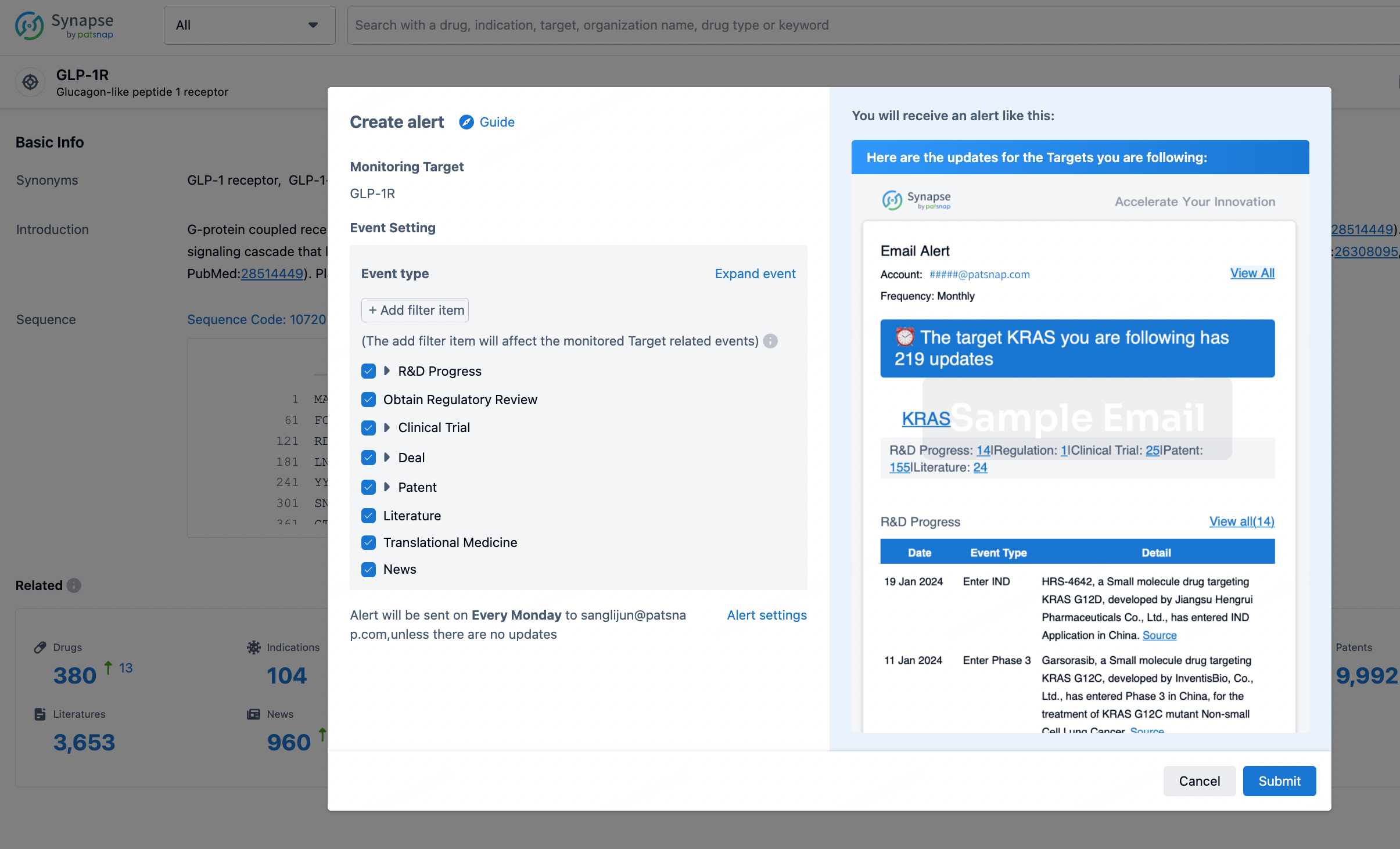
In the Synapse database, you can stay updated on the latest research and development advances of all targets. This service is accessible anytime and anywhere, with updates available daily or weekly. Use the "Set Alert" function to stay informed. Click on the image below to embark on a brand new journey of drug discovery!
AI Agents Built for Biopharma Breakthroughs
Accelerate discovery. Empower decisions. Transform outcomes.
Get started for free today!
Accelerate Strategic R&D decision making with Synapse, PatSnap’s AI-powered Connected Innovation Intelligence Platform Built for Life Sciences Professionals.
Start your data trial now!
Synapse data is also accessible to external entities via APIs or data packages. Empower better decisions with the latest in pharmaceutical intelligence.