Request Demo
What are CSF antagonists and how do they work?
21 June 2024
Cerebrospinal fluid (CSF) antagonists represent a significant advancement in medical science, particularly in the realms of neurology and oncology. These compounds, targeting the components and pathways associated with cerebrospinal fluid, have opened new avenues for treating various diseases. This blog post delves into what CSF antagonists are, how they function, and the medical conditions they are employed to combat.
CSF, a clear, colorless body fluid found in the brain and spinal cord, plays a crucial role in protecting and nourishing the central nervous system. However, abnormalities in CSF production or flow can lead to several severe conditions, including hydrocephalus, intracranial hypertension, and certain neurodegenerative diseases. This is where CSF antagonists come into play. These substances either inhibit or modulate the activity of specific targets within the CSF pathways, aiming to restore normal function and alleviate symptoms. By precisely targeting the abnormalities in CSF dynamics, these antagonists provide a focused therapeutic approach, minimizing side effects typically associated with broader treatment methods.
CSF antagonists work through a variety of mechanisms, depending on the specific condition they are designed to address. One common mechanism involves blocking the receptors or signaling molecules involved in the overproduction or inadequate absorption of CSF. For instance, in conditions like hydrocephalus, where excess CSF accumulates in the brain's ventricles, CSF antagonists may target the choroid plexus – a structure in the brain that produces CSF – to reduce fluid production.
Another mechanism by which CSF antagonists work is by inhibiting the action of specific enzymes involved in the CSF pathway. Enzymes like carbonic anhydrase play a role in CSF production, and their inhibition can lead to decreased fluid secretion. Additionally, certain CSF antagonists may work by enhancing the drainage or absorption of CSF through pathways such as the arachnoid villi, thus helping to maintain a balanced CSF volume and pressure.
In the context of oncology, CSF antagonists can target the pathways involved in the spread of cancer cells through the CSF, particularly in cases of leptomeningeal metastasis, where cancer cells invade the space surrounding the brain and spinal cord. By interfering with the signaling pathways that cancer cells use to proliferate and migrate within the CSF, these antagonists can help to limit the progression of metastatic disease.
CSF antagonists have shown great promise in a variety of medical applications. One of the primary uses of these compounds is in the treatment of hydrocephalus, a condition characterized by an excessive accumulation of CSF in the brain. Traditional treatments for hydrocephalus, such as shunt surgeries, come with significant risks and complications. CSF antagonists, by offering a pharmacological approach to managing CSF levels, provide a potentially safer and less invasive treatment option.
Another important application of CSF antagonists is in the management of intracranial hypertension, a condition where elevated pressure within the skull can lead to severe headaches, vision problems, and even brain damage. By modulating CSF production and flow, these antagonists help to reduce intracranial pressure and alleviate symptoms, offering patients much-needed relief.
In the field of neurodegenerative diseases, CSF antagonists hold potential as well. Diseases such as Alzheimer's and Parkinson's have been linked to abnormal CSF dynamics, and targeting these pathways could provide new therapeutic avenues. Research is ongoing to explore how CSF antagonists can be used to slow the progression of these debilitating conditions and improve patients' quality of life.
Additionally, as mentioned earlier, CSF antagonists play a crucial role in oncology, particularly in managing leptomeningeal metastasis. By inhibiting the mechanisms that cancer cells use to spread through the CSF, these antagonists help to limit the progression of the disease and improve patient outcomes.
In conclusion, CSF antagonists represent a promising and versatile class of compounds with applications spanning multiple medical fields. Their ability to target specific pathways involved in CSF dynamics offers a focused and effective approach to treating conditions ranging from hydrocephalus and intracranial hypertension to neurodegenerative diseases and certain cancers. As research continues to advance, we can expect to see even more innovative uses for CSF antagonists, providing hope and improved quality of life for patients worldwide.
CSF, a clear, colorless body fluid found in the brain and spinal cord, plays a crucial role in protecting and nourishing the central nervous system. However, abnormalities in CSF production or flow can lead to several severe conditions, including hydrocephalus, intracranial hypertension, and certain neurodegenerative diseases. This is where CSF antagonists come into play. These substances either inhibit or modulate the activity of specific targets within the CSF pathways, aiming to restore normal function and alleviate symptoms. By precisely targeting the abnormalities in CSF dynamics, these antagonists provide a focused therapeutic approach, minimizing side effects typically associated with broader treatment methods.
CSF antagonists work through a variety of mechanisms, depending on the specific condition they are designed to address. One common mechanism involves blocking the receptors or signaling molecules involved in the overproduction or inadequate absorption of CSF. For instance, in conditions like hydrocephalus, where excess CSF accumulates in the brain's ventricles, CSF antagonists may target the choroid plexus – a structure in the brain that produces CSF – to reduce fluid production.
Another mechanism by which CSF antagonists work is by inhibiting the action of specific enzymes involved in the CSF pathway. Enzymes like carbonic anhydrase play a role in CSF production, and their inhibition can lead to decreased fluid secretion. Additionally, certain CSF antagonists may work by enhancing the drainage or absorption of CSF through pathways such as the arachnoid villi, thus helping to maintain a balanced CSF volume and pressure.
In the context of oncology, CSF antagonists can target the pathways involved in the spread of cancer cells through the CSF, particularly in cases of leptomeningeal metastasis, where cancer cells invade the space surrounding the brain and spinal cord. By interfering with the signaling pathways that cancer cells use to proliferate and migrate within the CSF, these antagonists can help to limit the progression of metastatic disease.
CSF antagonists have shown great promise in a variety of medical applications. One of the primary uses of these compounds is in the treatment of hydrocephalus, a condition characterized by an excessive accumulation of CSF in the brain. Traditional treatments for hydrocephalus, such as shunt surgeries, come with significant risks and complications. CSF antagonists, by offering a pharmacological approach to managing CSF levels, provide a potentially safer and less invasive treatment option.
Another important application of CSF antagonists is in the management of intracranial hypertension, a condition where elevated pressure within the skull can lead to severe headaches, vision problems, and even brain damage. By modulating CSF production and flow, these antagonists help to reduce intracranial pressure and alleviate symptoms, offering patients much-needed relief.
In the field of neurodegenerative diseases, CSF antagonists hold potential as well. Diseases such as Alzheimer's and Parkinson's have been linked to abnormal CSF dynamics, and targeting these pathways could provide new therapeutic avenues. Research is ongoing to explore how CSF antagonists can be used to slow the progression of these debilitating conditions and improve patients' quality of life.
Additionally, as mentioned earlier, CSF antagonists play a crucial role in oncology, particularly in managing leptomeningeal metastasis. By inhibiting the mechanisms that cancer cells use to spread through the CSF, these antagonists help to limit the progression of the disease and improve patient outcomes.
In conclusion, CSF antagonists represent a promising and versatile class of compounds with applications spanning multiple medical fields. Their ability to target specific pathways involved in CSF dynamics offers a focused and effective approach to treating conditions ranging from hydrocephalus and intracranial hypertension to neurodegenerative diseases and certain cancers. As research continues to advance, we can expect to see even more innovative uses for CSF antagonists, providing hope and improved quality of life for patients worldwide.
How to obtain the latest development progress of all targets?
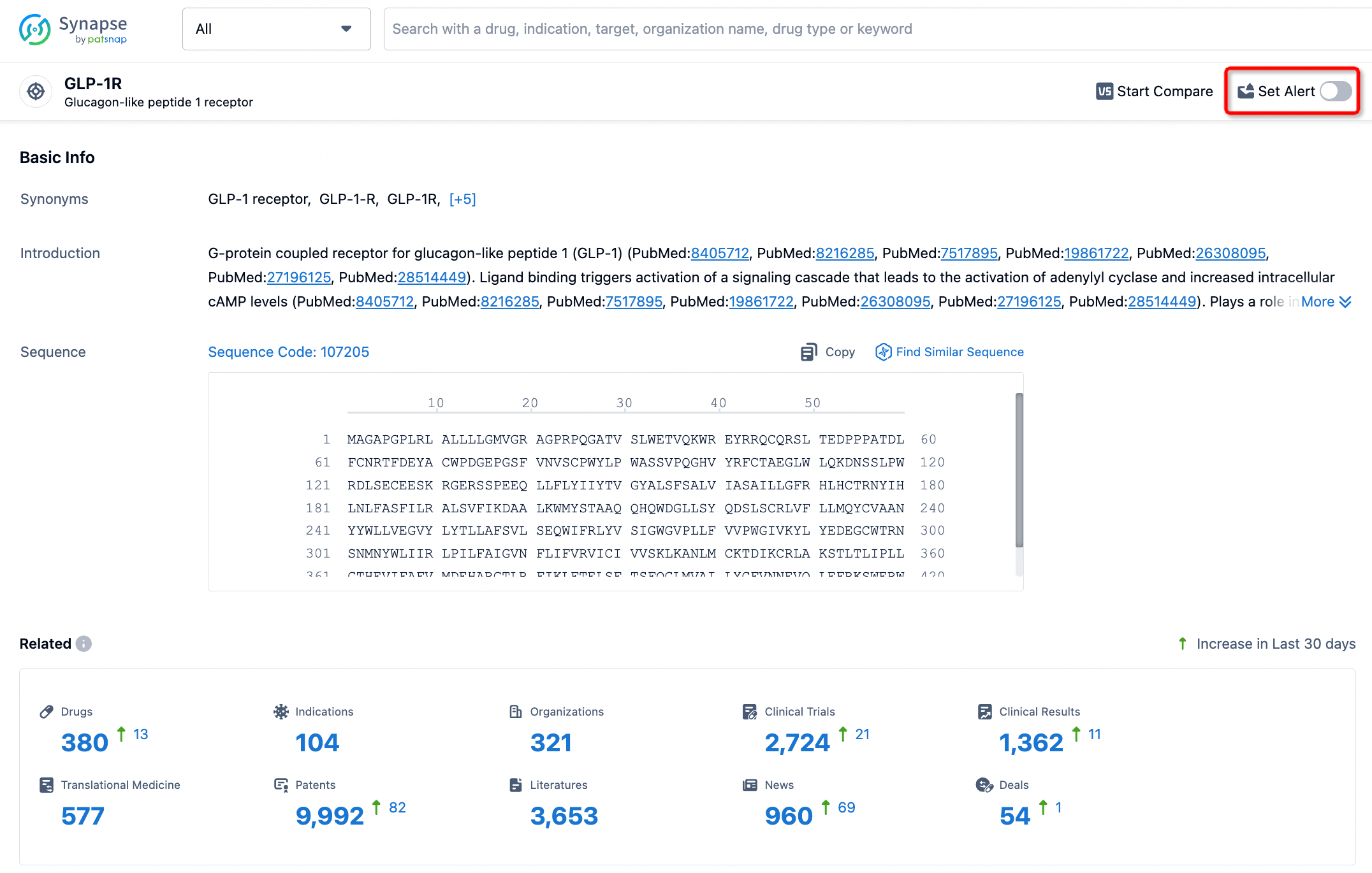
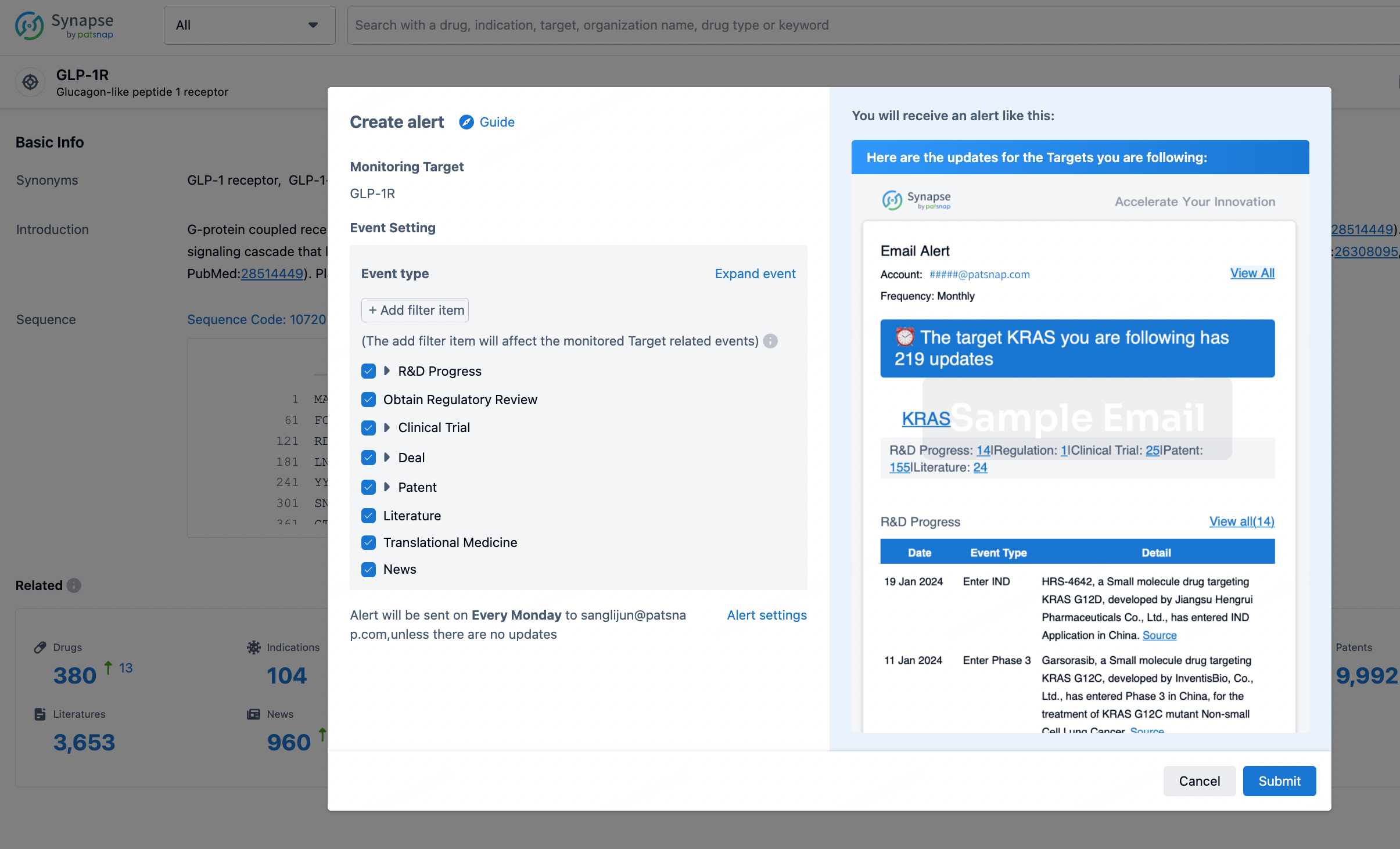
In the Synapse database, you can stay updated on the latest research and development advances of all targets. This service is accessible anytime and anywhere, with updates available daily or weekly. Use the "Set Alert" function to stay informed. Click on the image below to embark on a brand new journey of drug discovery!

AI Agents Built for Biopharma Breakthroughs
Accelerate discovery. Empower decisions. Transform outcomes.
Get started for free today!
Accelerate Strategic R&D decision making with Synapse, PatSnap’s AI-powered Connected Innovation Intelligence Platform Built for Life Sciences Professionals.
Start your data trial now!
Synapse data is also accessible to external entities via APIs or data packages. Empower better decisions with the latest in pharmaceutical intelligence.