Request Demo
What are CXCR4 stimulants and how do they work?
25 June 2024
Introduction to CXCR4 Stimulants
CXCR4 stimulants represent a fascinating and rapidly evolving area of biomedical research. CXCR4, or C-X-C chemokine receptor type 4, is a protein located on the surface of various types of cells. It plays a critical role in cell signaling, guiding the movement and positioning of cells within the body. This receptor is primarily known for its involvement in immune responses, but it also has significant implications in cancer biology, stem cell homing, and HIV infection. As scientists delve deeper into the mechanisms of CXCR4, the development of stimulants targeting this receptor offers new and promising avenues for therapeutic interventions.
How do CXCR4 Stimulants Work?
The CXCR4 receptor is activated by its natural ligand, stromal cell-derived factor-1 (SDF-1), also known as CXCL12. Upon binding with SDF-1, CXCR4 undergoes a conformational change that triggers a cascade of intracellular signals. These signals can promote cell survival, proliferation, migration, and adhesion—processes that are crucial for normal immune function and tissue repair.
CXCR4 stimulants are designed to enhance or mimic the action of SDF-1, thereby selectively activating the CXCR4 receptor. These stimulants may be small molecules, peptides, or other biologically active compounds. By binding to the receptor, CXCR4 stimulants can potentiate the downstream signaling pathways that SDF-1 typically activates. This can lead to increased cellular responses that are beneficial in various clinical contexts, such as tissue regeneration, immune system modulation, and cancer treatment.
One of the key aspects of CXCR4 signaling is its ability to direct the migration of hematopoietic stem cells (HSCs) from the bone marrow into the bloodstream, a process known as mobilization. This property is particularly useful in stem cell transplantation, where effective mobilization can significantly enhance the success rate of the procedure.
What are CXCR4 Stimulants Used For?
The therapeutic potential of CXCR4 stimulants spans several medical fields. In oncology, the activation of CXCR4 is implicated in the metastasis of various cancers. Tumor cells often hijack CXCR4 signaling to migrate to distant organs, making this receptor a target for anti-metastatic therapies. However, in certain scenarios, stimulating CXCR4 can paradoxically inhibit tumor growth by enhancing the infiltration of immune cells into the tumor microenvironment. Therefore, CXCR4 stimulants could be used as part of combination therapies to boost the efficacy of existing cancer treatments.
In regenerative medicine, CXCR4 stimulants have shown promise in enhancing the repair and regeneration of damaged tissues. For instance, in cardiovascular diseases, CXCR4 activation can facilitate the recruitment of stem cells to the site of injury, promoting tissue repair and improving heart function. Similarly, in conditions such as stroke or spinal cord injury, CXCR4 stimulants may help in mobilizing neural stem cells to the damaged areas, potentially aiding in recovery and improving outcomes.
In the context of HIV/AIDS, CXCR4 is one of the co-receptors that HIV uses to enter and infect immune cells. While most HIV therapies aim to block this entry, there is ongoing research into whether modulating CXCR4 activity can enhance the immune system's ability to fight the virus or reduce the reservoir of infected cells.
Moreover, CXCR4 stimulants are being investigated for their role in enhancing stem cell mobilization. In hematopoietic stem cell transplantation—an essential procedure for treating conditions like leukemia and lymphoma—the use of CXCR4 stimulants can increase the yield of stem cells collected from donors, improving the success rates of transplants.
In conclusion, CXCR4 stimulants hold significant therapeutic potential across a broad spectrum of diseases, from cancer and cardiovascular diseases to HIV and stem cell transplantation. As research progresses, these agents may become integral components of innovative treatment strategies, offering new hope for patients with previously intractable conditions. The ongoing exploration of CXCR4 stimulants underscores the importance of understanding and manipulating cellular signaling pathways to develop effective and targeted therapies.
CXCR4 stimulants represent a fascinating and rapidly evolving area of biomedical research. CXCR4, or C-X-C chemokine receptor type 4, is a protein located on the surface of various types of cells. It plays a critical role in cell signaling, guiding the movement and positioning of cells within the body. This receptor is primarily known for its involvement in immune responses, but it also has significant implications in cancer biology, stem cell homing, and HIV infection. As scientists delve deeper into the mechanisms of CXCR4, the development of stimulants targeting this receptor offers new and promising avenues for therapeutic interventions.
How do CXCR4 Stimulants Work?
The CXCR4 receptor is activated by its natural ligand, stromal cell-derived factor-1 (SDF-1), also known as CXCL12. Upon binding with SDF-1, CXCR4 undergoes a conformational change that triggers a cascade of intracellular signals. These signals can promote cell survival, proliferation, migration, and adhesion—processes that are crucial for normal immune function and tissue repair.
CXCR4 stimulants are designed to enhance or mimic the action of SDF-1, thereby selectively activating the CXCR4 receptor. These stimulants may be small molecules, peptides, or other biologically active compounds. By binding to the receptor, CXCR4 stimulants can potentiate the downstream signaling pathways that SDF-1 typically activates. This can lead to increased cellular responses that are beneficial in various clinical contexts, such as tissue regeneration, immune system modulation, and cancer treatment.
One of the key aspects of CXCR4 signaling is its ability to direct the migration of hematopoietic stem cells (HSCs) from the bone marrow into the bloodstream, a process known as mobilization. This property is particularly useful in stem cell transplantation, where effective mobilization can significantly enhance the success rate of the procedure.
What are CXCR4 Stimulants Used For?
The therapeutic potential of CXCR4 stimulants spans several medical fields. In oncology, the activation of CXCR4 is implicated in the metastasis of various cancers. Tumor cells often hijack CXCR4 signaling to migrate to distant organs, making this receptor a target for anti-metastatic therapies. However, in certain scenarios, stimulating CXCR4 can paradoxically inhibit tumor growth by enhancing the infiltration of immune cells into the tumor microenvironment. Therefore, CXCR4 stimulants could be used as part of combination therapies to boost the efficacy of existing cancer treatments.
In regenerative medicine, CXCR4 stimulants have shown promise in enhancing the repair and regeneration of damaged tissues. For instance, in cardiovascular diseases, CXCR4 activation can facilitate the recruitment of stem cells to the site of injury, promoting tissue repair and improving heart function. Similarly, in conditions such as stroke or spinal cord injury, CXCR4 stimulants may help in mobilizing neural stem cells to the damaged areas, potentially aiding in recovery and improving outcomes.
In the context of HIV/AIDS, CXCR4 is one of the co-receptors that HIV uses to enter and infect immune cells. While most HIV therapies aim to block this entry, there is ongoing research into whether modulating CXCR4 activity can enhance the immune system's ability to fight the virus or reduce the reservoir of infected cells.
Moreover, CXCR4 stimulants are being investigated for their role in enhancing stem cell mobilization. In hematopoietic stem cell transplantation—an essential procedure for treating conditions like leukemia and lymphoma—the use of CXCR4 stimulants can increase the yield of stem cells collected from donors, improving the success rates of transplants.
In conclusion, CXCR4 stimulants hold significant therapeutic potential across a broad spectrum of diseases, from cancer and cardiovascular diseases to HIV and stem cell transplantation. As research progresses, these agents may become integral components of innovative treatment strategies, offering new hope for patients with previously intractable conditions. The ongoing exploration of CXCR4 stimulants underscores the importance of understanding and manipulating cellular signaling pathways to develop effective and targeted therapies.
How to obtain the latest development progress of all targets?
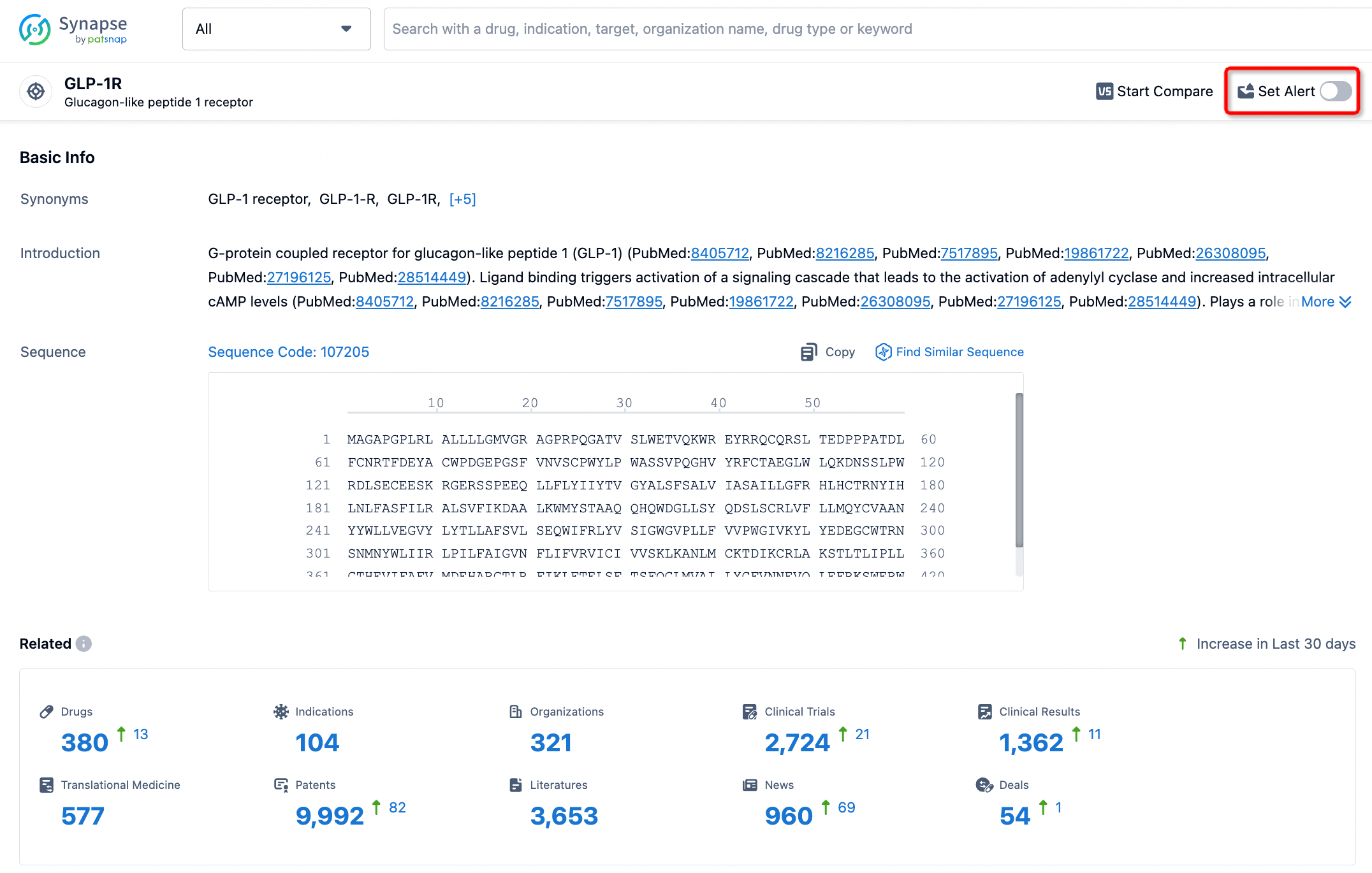
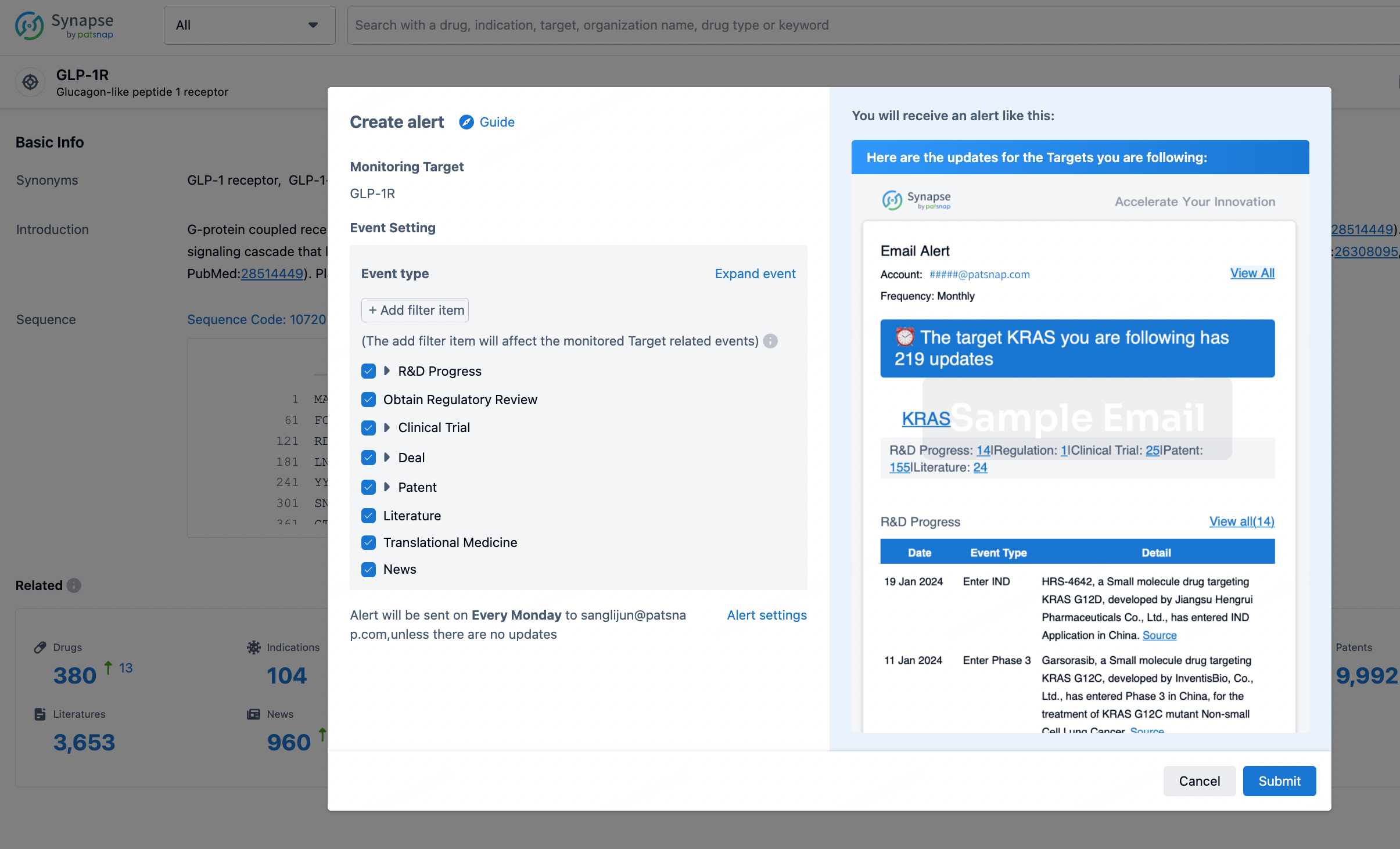
In the Synapse database, you can stay updated on the latest research and development advances of all targets. This service is accessible anytime and anywhere, with updates available daily or weekly. Use the "Set Alert" function to stay informed. Click on the image below to embark on a brand new journey of drug discovery!

AI Agents Built for Biopharma Breakthroughs
Accelerate discovery. Empower decisions. Transform outcomes.
Get started for free today!
Accelerate Strategic R&D decision making with Synapse, PatSnap’s AI-powered Connected Innovation Intelligence Platform Built for Life Sciences Professionals.
Start your data trial now!
Synapse data is also accessible to external entities via APIs or data packages. Empower better decisions with the latest in pharmaceutical intelligence.