Request Demo
What are eIF5A inhibitors and how do they work?
25 June 2024
Eukaryotic Initiation Factor 5A, or eIF5A, is a unique protein that has garnered significant attention in recent years due to its critical role in various cellular processes, including translation elongation, mRNA turnover, and cellular growth. Inhibition of eIF5A has emerged as a promising therapeutic strategy for treating a wide range of diseases from cancer to infectious diseases. This blog post delves into the world of eIF5A inhibitors, exploring their mechanism of action, applications, and potential benefits.
eIF5A inhibitors are compounds designed to interfere with the activity of eIF5A, thereby modulating its function in the cell. eIF5A is unusual among eukaryotic initiation factors because it undergoes a unique post-translational modification known as hypusination—a process that involves the addition of a hypusine residue derived from the amino acid lysine. This modification is crucial for the protein's activity, making it a prime target for therapeutic intervention.
The mechanism of action of eIF5A inhibitors primarily involves the disruption of the hypusination process. Two key enzymes are responsible for this modification: deoxyhypusine synthase (DHS) and deoxyhypusine hydroxylase (DOHH). Inhibitors targeting these enzymes can effectively prevent the hypusination of eIF5A, thereby inhibiting its activity. For instance, compounds like GC7 (N1-guanyl-1,7-diaminoheptane) act as competitive inhibitors of DHS, reducing the levels of hypusinated eIF5A in cells. By blocking the hypusination process, these inhibitors can halt the protein's role in facilitating translation elongation, thus impeding the synthesis of proteins necessary for cellular growth and proliferation.
Another mechanism through which eIF5A inhibitors exert their effects is by directly targeting the hypusinated form of eIF5A. These inhibitors bind to the active site of the hypusinated eIF5A, preventing it from interacting with its partners in the translation machinery. This direct inhibition can be especially effective in rapidly reducing the activity of eIF5A, thereby providing a swift therapeutic benefit.
eIF5A inhibitors have shown promise in several therapeutic areas due to their ability to disrupt protein synthesis and cell growth. One of the most prominent applications is in oncology. Cancer cells are characterized by rapid and uncontrolled growth, which relies heavily on efficient protein synthesis. By inhibiting eIF5A, these compounds can reduce the proliferation of cancer cells, induce apoptosis, and enhance the efficacy of existing chemotherapeutic agents. Preclinical studies have demonstrated that eIF5A inhibitors can significantly inhibit the growth of various cancer cell lines, including those resistant to traditional therapies.
Beyond cancer, eIF5A inhibitors also hold potential in treating infectious diseases. Many pathogens, including viruses and bacteria, rely on host cellular machinery for their replication. By targeting eIF5A, these inhibitors can disrupt the life cycle of pathogens, reducing their ability to proliferate and cause disease. For instance, studies have shown that eIF5A inhibitors can impair the replication of HIV, opening new avenues for antiviral therapies.
In addition to cancer and infectious diseases, eIF5A inhibitors are also being explored for their potential in treating inflammatory conditions. eIF5A is implicated in the regulation of cytokine production, which plays a pivotal role in inflammation. By modulating eIF5A activity, these inhibitors can potentially reduce the production of pro-inflammatory cytokines, offering relief in conditions such as rheumatoid arthritis and inflammatory bowel disease.
Despite the promising potential of eIF5A inhibitors, several challenges remain. One of the primary concerns is the specificity of these inhibitors, as off-target effects could lead to unintended consequences. Additionally, the long-term effects of inhibiting eIF5A need to be thoroughly investigated to ensure safety and efficacy in clinical settings.
In conclusion, eIF5A inhibitors represent a promising therapeutic strategy for a wide range of diseases, from cancer to infectious and inflammatory conditions. By targeting the unique hypusination process of eIF5A, these inhibitors can effectively disrupt protein synthesis and cellular growth, offering new hope for patients with currently untreatable conditions. As research continues to advance, we can anticipate the development of more refined and effective eIF5A inhibitors, paving the way for novel treatments in the future.
eIF5A inhibitors are compounds designed to interfere with the activity of eIF5A, thereby modulating its function in the cell. eIF5A is unusual among eukaryotic initiation factors because it undergoes a unique post-translational modification known as hypusination—a process that involves the addition of a hypusine residue derived from the amino acid lysine. This modification is crucial for the protein's activity, making it a prime target for therapeutic intervention.
The mechanism of action of eIF5A inhibitors primarily involves the disruption of the hypusination process. Two key enzymes are responsible for this modification: deoxyhypusine synthase (DHS) and deoxyhypusine hydroxylase (DOHH). Inhibitors targeting these enzymes can effectively prevent the hypusination of eIF5A, thereby inhibiting its activity. For instance, compounds like GC7 (N1-guanyl-1,7-diaminoheptane) act as competitive inhibitors of DHS, reducing the levels of hypusinated eIF5A in cells. By blocking the hypusination process, these inhibitors can halt the protein's role in facilitating translation elongation, thus impeding the synthesis of proteins necessary for cellular growth and proliferation.
Another mechanism through which eIF5A inhibitors exert their effects is by directly targeting the hypusinated form of eIF5A. These inhibitors bind to the active site of the hypusinated eIF5A, preventing it from interacting with its partners in the translation machinery. This direct inhibition can be especially effective in rapidly reducing the activity of eIF5A, thereby providing a swift therapeutic benefit.
eIF5A inhibitors have shown promise in several therapeutic areas due to their ability to disrupt protein synthesis and cell growth. One of the most prominent applications is in oncology. Cancer cells are characterized by rapid and uncontrolled growth, which relies heavily on efficient protein synthesis. By inhibiting eIF5A, these compounds can reduce the proliferation of cancer cells, induce apoptosis, and enhance the efficacy of existing chemotherapeutic agents. Preclinical studies have demonstrated that eIF5A inhibitors can significantly inhibit the growth of various cancer cell lines, including those resistant to traditional therapies.
Beyond cancer, eIF5A inhibitors also hold potential in treating infectious diseases. Many pathogens, including viruses and bacteria, rely on host cellular machinery for their replication. By targeting eIF5A, these inhibitors can disrupt the life cycle of pathogens, reducing their ability to proliferate and cause disease. For instance, studies have shown that eIF5A inhibitors can impair the replication of HIV, opening new avenues for antiviral therapies.
In addition to cancer and infectious diseases, eIF5A inhibitors are also being explored for their potential in treating inflammatory conditions. eIF5A is implicated in the regulation of cytokine production, which plays a pivotal role in inflammation. By modulating eIF5A activity, these inhibitors can potentially reduce the production of pro-inflammatory cytokines, offering relief in conditions such as rheumatoid arthritis and inflammatory bowel disease.
Despite the promising potential of eIF5A inhibitors, several challenges remain. One of the primary concerns is the specificity of these inhibitors, as off-target effects could lead to unintended consequences. Additionally, the long-term effects of inhibiting eIF5A need to be thoroughly investigated to ensure safety and efficacy in clinical settings.
In conclusion, eIF5A inhibitors represent a promising therapeutic strategy for a wide range of diseases, from cancer to infectious and inflammatory conditions. By targeting the unique hypusination process of eIF5A, these inhibitors can effectively disrupt protein synthesis and cellular growth, offering new hope for patients with currently untreatable conditions. As research continues to advance, we can anticipate the development of more refined and effective eIF5A inhibitors, paving the way for novel treatments in the future.
How to obtain the latest development progress of all targets?
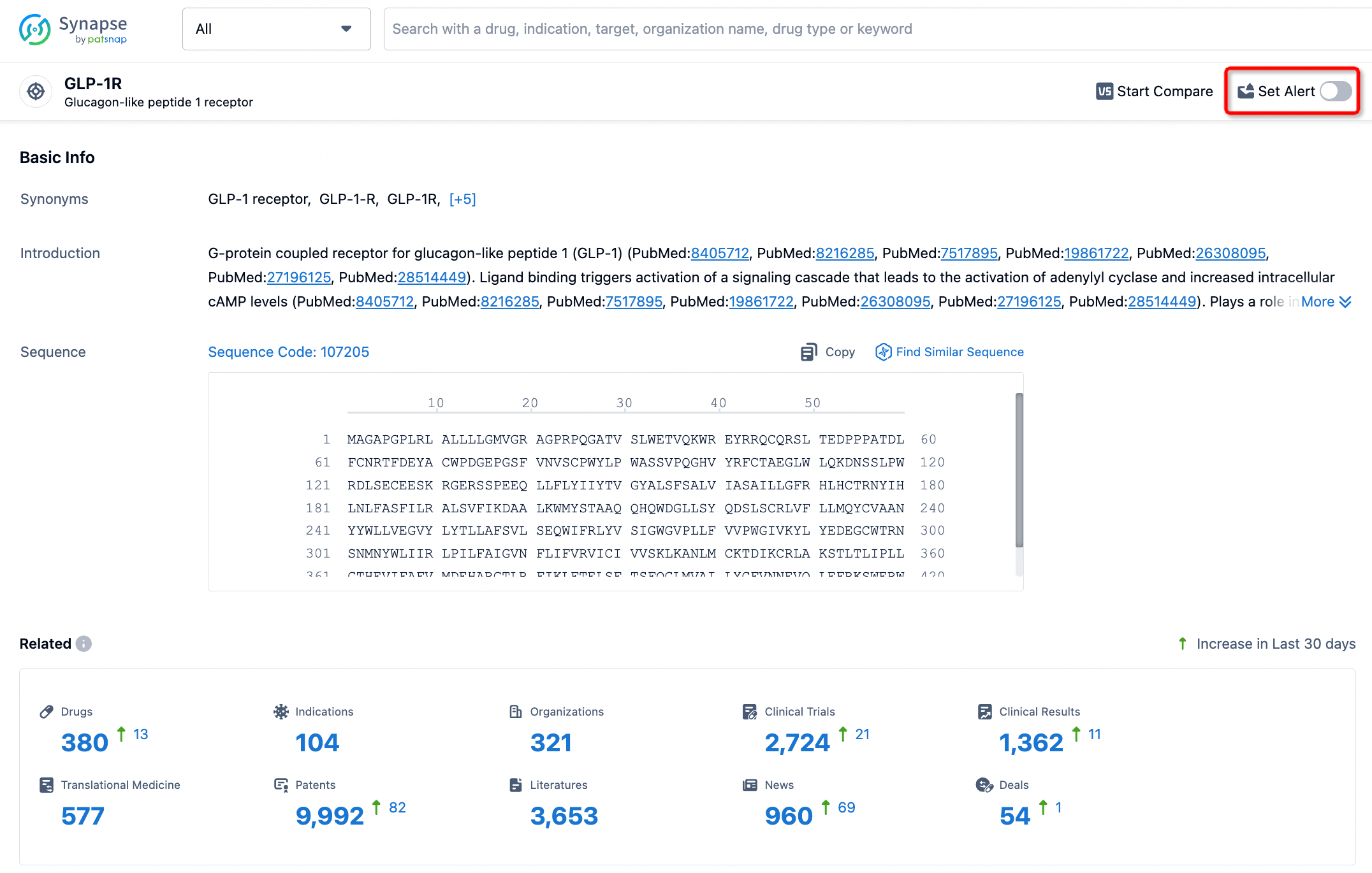
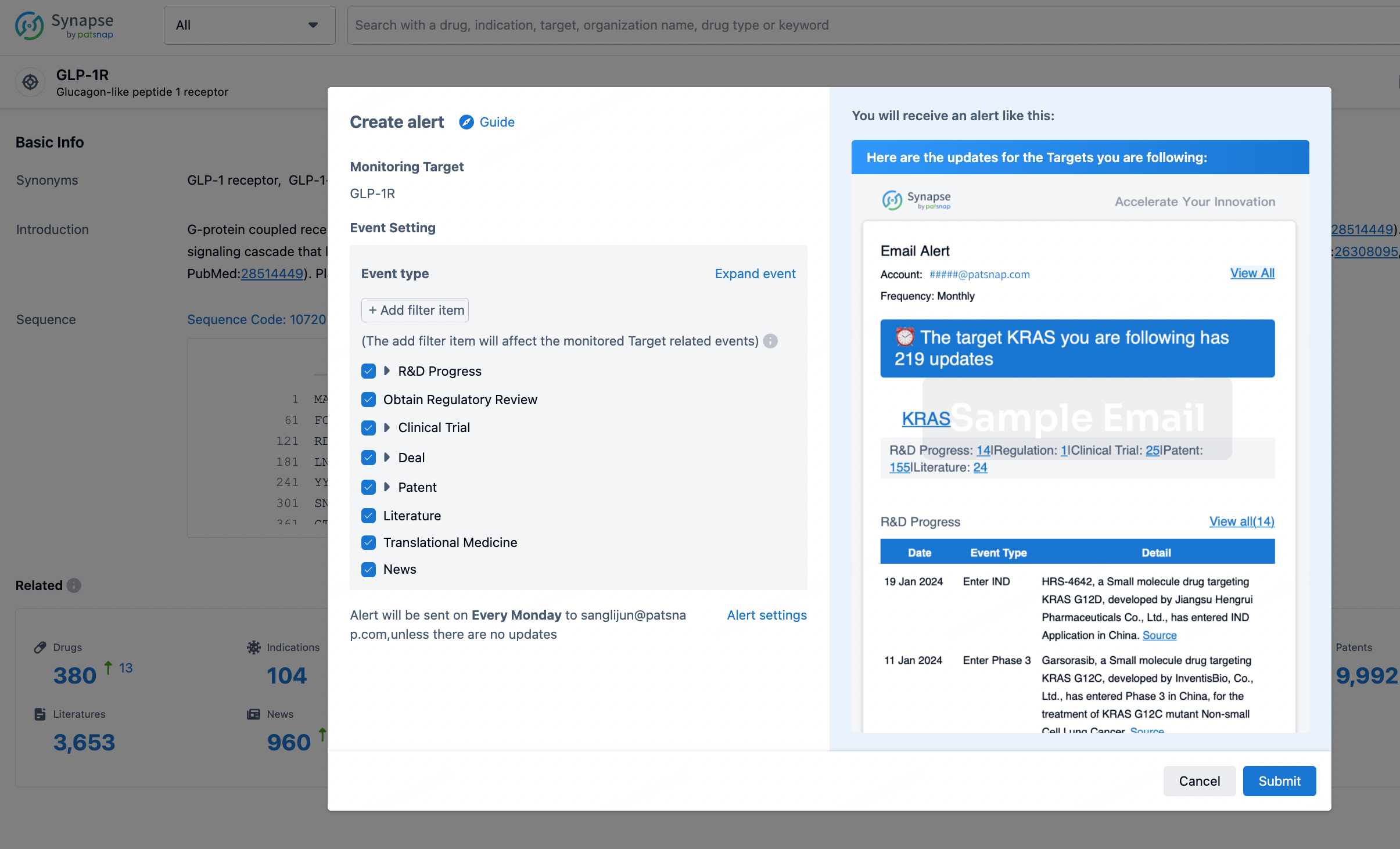
In the Synapse database, you can stay updated on the latest research and development advances of all targets. This service is accessible anytime and anywhere, with updates available daily or weekly. Use the "Set Alert" function to stay informed. Click on the image below to embark on a brand new journey of drug discovery!

Hiro LS Researcher
The AI Search Engine Built to Accelerate Biopharma Decisions
Search across billion-scale life sciences data to uncover signals, validate evidence, and act with confidence.
Ask any biopharma research question→
Get started for free today!
Accelerate Strategic R&D decision making with Synapse, Patsnap’s AI-powered Connected Innovation Intelligence Platform Built for Life Sciences Professionals.
Discover Synapse Data Servers
Synapse data is now integrated into the PatSnap LS Model Context Protocol (MCP) service. Customize your LLM agent now using our MCP server!