Request Demo
What are GPR4 modulators and how do they work?
25 June 2024
GPR4 modulators have emerged as a significant focus in the realm of biomedical research owing to their potential therapeutic implications. GPR4, or G-protein coupled receptor 4, is a member of a large family of receptors that translate extracellular signals into cellular responses, playing a pivotal role in various physiological processes. Understanding how GPR4 modulators work and their potential applications could pave the way for innovative treatments for several diseases.
GPR4 is primarily known for its role in sensing extracellular pH changes. It is a proton-sensing receptor, which means it can detect variations in the acidity or alkalinity of its surroundings. When the extracellular pH drops, indicating increased acidity, GPR4 becomes activated. This activation triggers a cascade of intracellular events, mediated by the associated G-proteins, which ultimately results in cellular responses such as changes in gene expression, cell proliferation, and migration.
GPR4 modulators are compounds that can either enhance (agonists) or inhibit (antagonists) the activity of GPR4. Agonists bind to GPR4 and mimic the effect of its natural activator, in this case, protons, thereby inducing a cellular response. Antagonists, on the other hand, bind to the receptor but block its activation, preventing any downstream signaling. Understanding these modulators' mechanisms of action is crucial because it allows researchers to manipulate GPR4 activity in a controlled manner, which is essential for therapeutic development.
The modulation of GPR4 has been linked to a variety of physiological and pathological processes. One of the most significant areas of research is cancer. Tumor microenvironments are often characterized by hypoxia and acidosis. The acidic conditions can activate GPR4, which in turn can promote tumor growth and metastasis by facilitating angiogenesis and altering immune responses. Therefore, GPR4 antagonists are being investigated for their potential to inhibit these processes, thereby impeding cancer progression.
Another critical application of GPR4 modulators is in inflammatory diseases. Chronic inflammation is a hallmark of several conditions, including rheumatoid arthritis, inflammatory bowel disease, and asthma. The acidic environment in inflamed tissues can activate GPR4, contributing to the inflammatory response. By using GPR4 antagonists, it may be possible to dampen this response, providing a novel approach to managing these diseases.
GPR4 modulators also hold promise in the field of vascular biology. GPR4 is expressed in endothelial cells, which line the interior of blood vessels. Activation of GPR4 in these cells can lead to changes in vascular tone and permeability, influencing blood pressure and fluid balance. Modulating GPR4 activity could thus offer new strategies for treating cardiovascular diseases such as hypertension and edema.
Moreover, the role of GPR4 in metabolic regulation is another exciting avenue for research. There is evidence to suggest that GPR4 may influence glucose metabolism and insulin sensitivity, which are crucial factors in diabetes and metabolic syndrome. Investigating GPR4 modulators in this context could lead to new treatments that better manage these metabolic conditions.
While the therapeutic potential of GPR4 modulators is vast, it is essential to note that their development is still in the early stages. Challenges such as ensuring the specificity and efficacy of these modulators, avoiding off-target effects, and understanding the long-term implications of modulating GPR4 activity need to be addressed. Nonetheless, the ongoing research continues to shed light on the versatile roles of GPR4 in health and disease, bringing us closer to novel therapeutic strategies.
In conclusion, GPR4 modulators represent a promising frontier in medical research with the potential to impact various diseases significantly. By precisely modulating the activity of GPR4, scientists hope to develop targeted therapies for cancer, inflammatory diseases, cardiovascular conditions, and metabolic disorders. As our understanding of GPR4 and its modulators deepens, so too does the scope for innovative treatments that could improve patient outcomes across a range of debilitating conditions.
GPR4 is primarily known for its role in sensing extracellular pH changes. It is a proton-sensing receptor, which means it can detect variations in the acidity or alkalinity of its surroundings. When the extracellular pH drops, indicating increased acidity, GPR4 becomes activated. This activation triggers a cascade of intracellular events, mediated by the associated G-proteins, which ultimately results in cellular responses such as changes in gene expression, cell proliferation, and migration.
GPR4 modulators are compounds that can either enhance (agonists) or inhibit (antagonists) the activity of GPR4. Agonists bind to GPR4 and mimic the effect of its natural activator, in this case, protons, thereby inducing a cellular response. Antagonists, on the other hand, bind to the receptor but block its activation, preventing any downstream signaling. Understanding these modulators' mechanisms of action is crucial because it allows researchers to manipulate GPR4 activity in a controlled manner, which is essential for therapeutic development.
The modulation of GPR4 has been linked to a variety of physiological and pathological processes. One of the most significant areas of research is cancer. Tumor microenvironments are often characterized by hypoxia and acidosis. The acidic conditions can activate GPR4, which in turn can promote tumor growth and metastasis by facilitating angiogenesis and altering immune responses. Therefore, GPR4 antagonists are being investigated for their potential to inhibit these processes, thereby impeding cancer progression.
Another critical application of GPR4 modulators is in inflammatory diseases. Chronic inflammation is a hallmark of several conditions, including rheumatoid arthritis, inflammatory bowel disease, and asthma. The acidic environment in inflamed tissues can activate GPR4, contributing to the inflammatory response. By using GPR4 antagonists, it may be possible to dampen this response, providing a novel approach to managing these diseases.
GPR4 modulators also hold promise in the field of vascular biology. GPR4 is expressed in endothelial cells, which line the interior of blood vessels. Activation of GPR4 in these cells can lead to changes in vascular tone and permeability, influencing blood pressure and fluid balance. Modulating GPR4 activity could thus offer new strategies for treating cardiovascular diseases such as hypertension and edema.
Moreover, the role of GPR4 in metabolic regulation is another exciting avenue for research. There is evidence to suggest that GPR4 may influence glucose metabolism and insulin sensitivity, which are crucial factors in diabetes and metabolic syndrome. Investigating GPR4 modulators in this context could lead to new treatments that better manage these metabolic conditions.
While the therapeutic potential of GPR4 modulators is vast, it is essential to note that their development is still in the early stages. Challenges such as ensuring the specificity and efficacy of these modulators, avoiding off-target effects, and understanding the long-term implications of modulating GPR4 activity need to be addressed. Nonetheless, the ongoing research continues to shed light on the versatile roles of GPR4 in health and disease, bringing us closer to novel therapeutic strategies.
In conclusion, GPR4 modulators represent a promising frontier in medical research with the potential to impact various diseases significantly. By precisely modulating the activity of GPR4, scientists hope to develop targeted therapies for cancer, inflammatory diseases, cardiovascular conditions, and metabolic disorders. As our understanding of GPR4 and its modulators deepens, so too does the scope for innovative treatments that could improve patient outcomes across a range of debilitating conditions.
How to obtain the latest development progress of all targets?
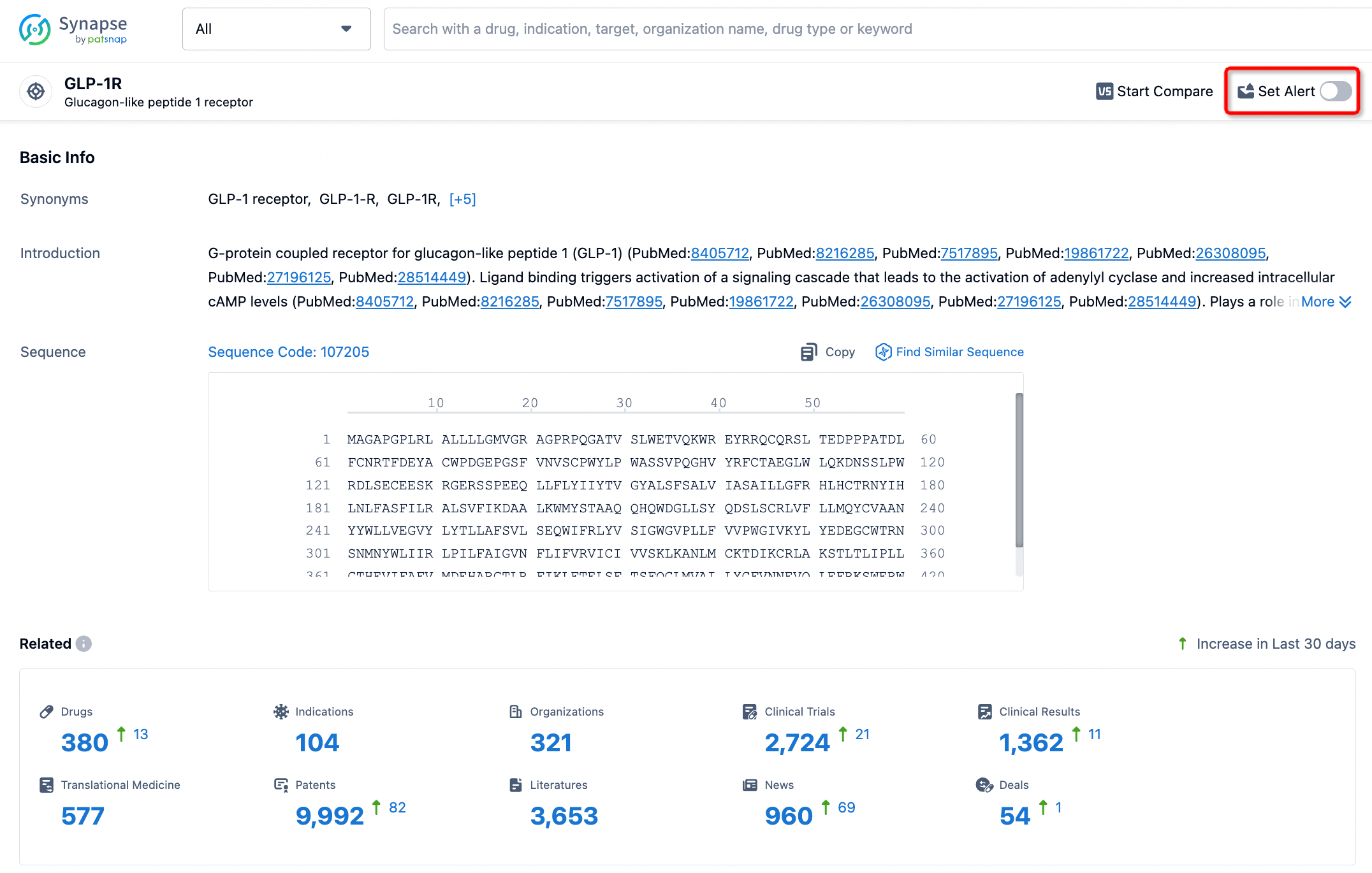
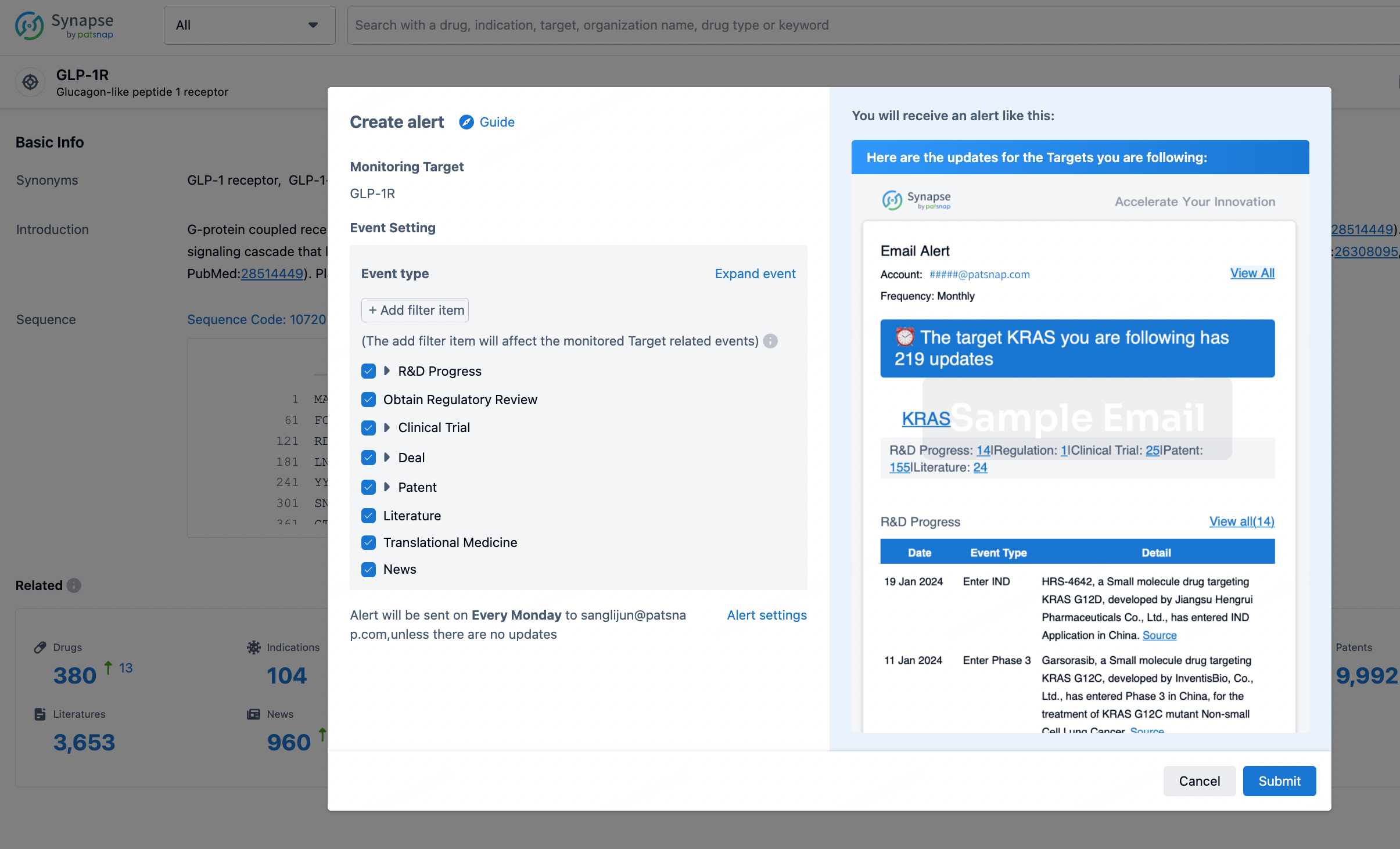
In the Synapse database, you can stay updated on the latest research and development advances of all targets. This service is accessible anytime and anywhere, with updates available daily or weekly. Use the "Set Alert" function to stay informed. Click on the image below to embark on a brand new journey of drug discovery!

Hiro LS Researcher
The AI Search Engine Built to Accelerate Biopharma Decisions
Search across billion-scale life sciences data to uncover signals, validate evidence, and act with confidence.
Ask any biopharma research question→
Get started for free today!
Accelerate Strategic R&D decision making with Synapse, Patsnap’s AI-powered Connected Innovation Intelligence Platform Built for Life Sciences Professionals.
Discover Synapse Data Servers
Synapse data is now integrated into the PatSnap LS Model Context Protocol (MCP) service. Customize your LLM agent now using our MCP server!