Request Demo
What are IL-18BP inhibitors and how do they work?
25 June 2024
IL-18BP inhibitors are emerging as a promising area of research in the fields of immunology and inflammatory diseases. IL-18, or Interleukin-18, is a pro-inflammatory cytokine that plays a key role in the immune response against infections and in the regulation of inflammatory processes. However, excessive activity of IL-18 can lead to pathological conditions, making it a target for therapeutic intervention. IL-18 binding protein (IL-18BP) is a natural inhibitor of IL-18 and modulating this pathway with IL-18BP inhibitors offers a novel approach to treating various diseases.
IL-18BP functions by binding to IL-18, effectively neutralizing its activity and preventing it from interacting with its receptor. Under normal circumstances, this binding helps to regulate the balance of immune responses and maintain homeostasis. However, in certain pathological conditions, this balance is disrupted, leading to excessive inflammation and tissue damage. IL-18BP inhibitors are designed to interfere with this regulatory mechanism, thereby enhancing or modulating the immune response in a controlled manner.
The molecular mechanism of IL-18BP inhibitors involves several steps. Initially, the inhibitor binds to IL-18BP, preventing it from neutralizing IL-18. This frees IL-18 to interact with its receptor, IL-18R, on the surface of immune cells. This interaction triggers a cascade of intracellular signaling pathways that result in the production of other pro-inflammatory cytokines, activation of natural killer (NK) cells, and modulation of T-helper cell responses. By carefully controlling this pathway, IL-18BP inhibitors can either amplify or attenuate immune responses, depending on the context of the disease being treated.
IL-18BP inhibitors are being explored for their potential use in a variety of clinical settings. One of the primary areas of interest is in the treatment of autoimmune and inflammatory diseases, such as rheumatoid arthritis, psoriasis, and inflammatory bowel disease. In these conditions, excessive IL-18 activity contributes to chronic inflammation and tissue damage. By inhibiting IL-18BP, these inhibitors can potentially reduce inflammation and alleviate symptoms.
In addition to autoimmune diseases, IL-18BP inhibitors are being investigated for their role in cancer immunotherapy. IL-18 has dual roles in cancer; while it can promote anti-tumor immunity by activating NK cells and enhancing the cytotoxic activity of T cells, it can also foster a tumor-promoting environment under certain conditions. By modulating the IL-18 pathway, IL-18BP inhibitors could enhance the body's natural immune response against tumors, providing a novel approach to cancer treatment.
Moreover, IL-18BP inhibitors have potential applications in the management of infectious diseases. IL-18 plays a crucial role in the immune response to viral, bacterial, and fungal infections. By modulating this pathway, IL-18BP inhibitors could improve the efficacy of existing treatments or provide new therapeutic options for difficult-to-treat infections.
Another exciting area of research is the potential use of IL-18BP inhibitors in neuroinflammatory and neurodegenerative diseases, such as Alzheimer's disease and multiple sclerosis. In these conditions, inflammation in the central nervous system contributes to disease progression. By inhibiting IL-18BP, these inhibitors might help to reduce neuroinflammation and slow disease progression.
In conclusion, IL-18BP inhibitors represent a versatile and promising class of therapeutic agents with the potential to address a wide range of diseases characterized by dysregulated inflammation and immune responses. While research is still in its early stages, the initial findings are encouraging, and ongoing studies will help to further elucidate the therapeutic potential and safety profile of these inhibitors. As our understanding of the IL-18 pathway deepens, IL-18BP inhibitors could become a valuable tool in the arsenal against autoimmune diseases, cancer, infectious diseases, and neuroinflammatory disorders.
IL-18BP functions by binding to IL-18, effectively neutralizing its activity and preventing it from interacting with its receptor. Under normal circumstances, this binding helps to regulate the balance of immune responses and maintain homeostasis. However, in certain pathological conditions, this balance is disrupted, leading to excessive inflammation and tissue damage. IL-18BP inhibitors are designed to interfere with this regulatory mechanism, thereby enhancing or modulating the immune response in a controlled manner.
The molecular mechanism of IL-18BP inhibitors involves several steps. Initially, the inhibitor binds to IL-18BP, preventing it from neutralizing IL-18. This frees IL-18 to interact with its receptor, IL-18R, on the surface of immune cells. This interaction triggers a cascade of intracellular signaling pathways that result in the production of other pro-inflammatory cytokines, activation of natural killer (NK) cells, and modulation of T-helper cell responses. By carefully controlling this pathway, IL-18BP inhibitors can either amplify or attenuate immune responses, depending on the context of the disease being treated.
IL-18BP inhibitors are being explored for their potential use in a variety of clinical settings. One of the primary areas of interest is in the treatment of autoimmune and inflammatory diseases, such as rheumatoid arthritis, psoriasis, and inflammatory bowel disease. In these conditions, excessive IL-18 activity contributes to chronic inflammation and tissue damage. By inhibiting IL-18BP, these inhibitors can potentially reduce inflammation and alleviate symptoms.
In addition to autoimmune diseases, IL-18BP inhibitors are being investigated for their role in cancer immunotherapy. IL-18 has dual roles in cancer; while it can promote anti-tumor immunity by activating NK cells and enhancing the cytotoxic activity of T cells, it can also foster a tumor-promoting environment under certain conditions. By modulating the IL-18 pathway, IL-18BP inhibitors could enhance the body's natural immune response against tumors, providing a novel approach to cancer treatment.
Moreover, IL-18BP inhibitors have potential applications in the management of infectious diseases. IL-18 plays a crucial role in the immune response to viral, bacterial, and fungal infections. By modulating this pathway, IL-18BP inhibitors could improve the efficacy of existing treatments or provide new therapeutic options for difficult-to-treat infections.
Another exciting area of research is the potential use of IL-18BP inhibitors in neuroinflammatory and neurodegenerative diseases, such as Alzheimer's disease and multiple sclerosis. In these conditions, inflammation in the central nervous system contributes to disease progression. By inhibiting IL-18BP, these inhibitors might help to reduce neuroinflammation and slow disease progression.
In conclusion, IL-18BP inhibitors represent a versatile and promising class of therapeutic agents with the potential to address a wide range of diseases characterized by dysregulated inflammation and immune responses. While research is still in its early stages, the initial findings are encouraging, and ongoing studies will help to further elucidate the therapeutic potential and safety profile of these inhibitors. As our understanding of the IL-18 pathway deepens, IL-18BP inhibitors could become a valuable tool in the arsenal against autoimmune diseases, cancer, infectious diseases, and neuroinflammatory disorders.
How to obtain the latest development progress of all targets?
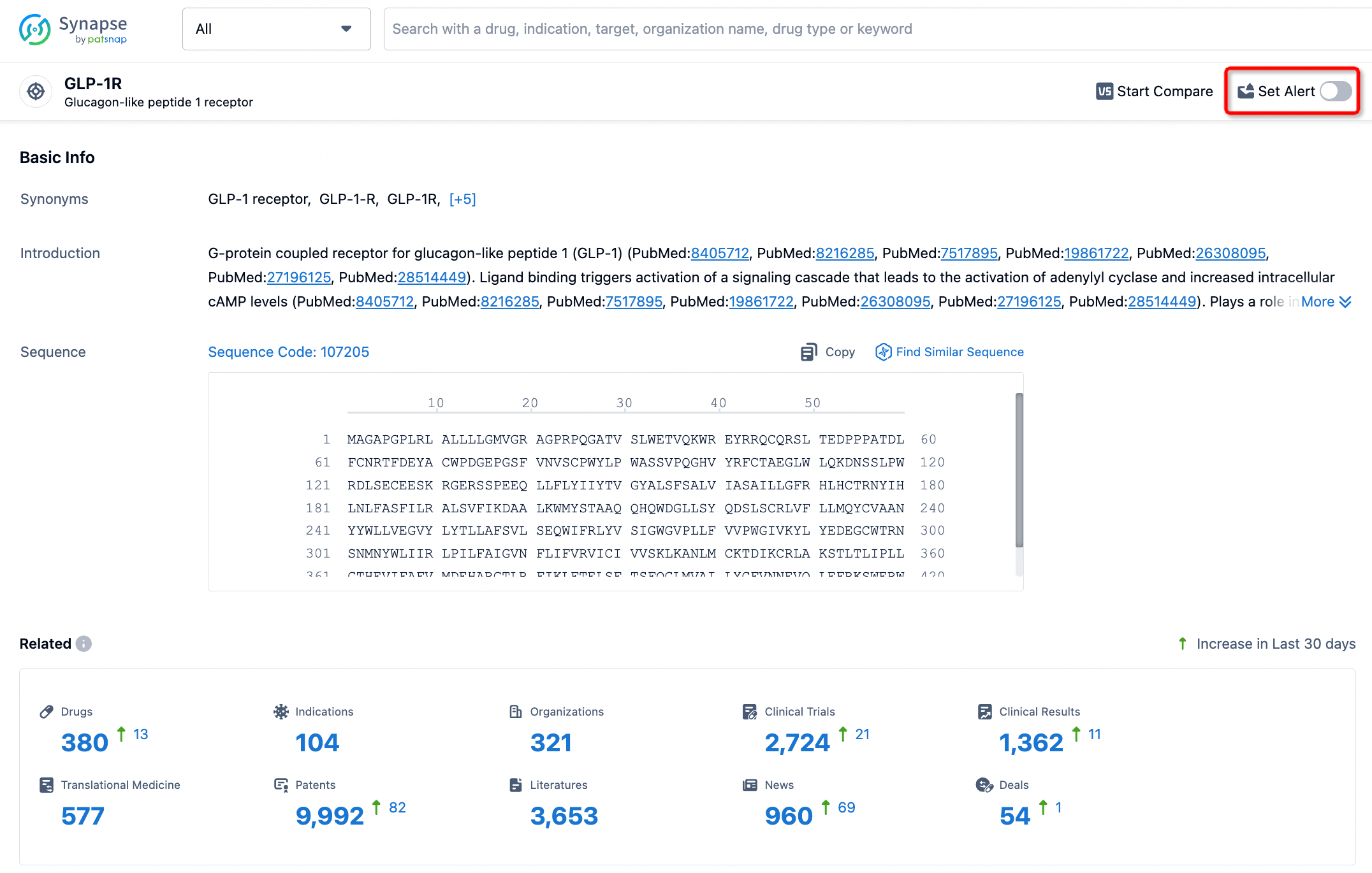
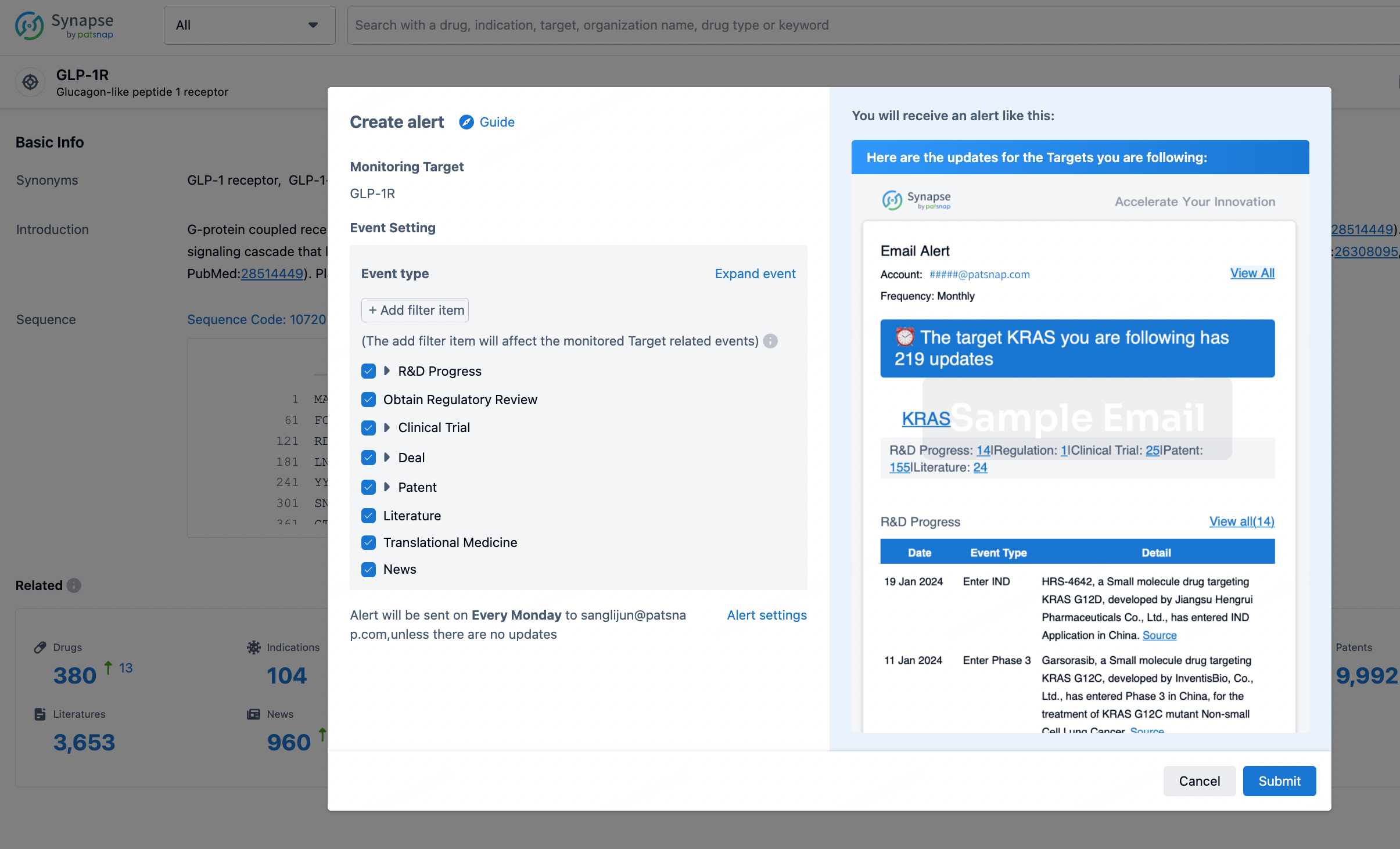
In the Synapse database, you can stay updated on the latest research and development advances of all targets. This service is accessible anytime and anywhere, with updates available daily or weekly. Use the "Set Alert" function to stay informed. Click on the image below to embark on a brand new journey of drug discovery!

AI Agents Built for Biopharma Breakthroughs
Accelerate discovery. Empower decisions. Transform outcomes.
Get started for free today!
Accelerate Strategic R&D decision making with Synapse, PatSnap’s AI-powered Connected Innovation Intelligence Platform Built for Life Sciences Professionals.
Start your data trial now!
Synapse data is also accessible to external entities via APIs or data packages. Empower better decisions with the latest in pharmaceutical intelligence.