Request Demo
What are IL-33 modulators and how do they work?
25 June 2024
Interleukin-33 (IL-33) modulators represent a promising frontier in the field of immunotherapy, offering potential new avenues for treating a variety of inflammatory and autoimmune diseases. IL-33 is a cytokine that plays a critical role in the immune system by acting as an "alarmin" that alerts the body to tissue damage or stress. Given its significant role in immune responses, targeting IL-33 with modulators can help manage conditions characterized by excessive or inappropriate inflammation. This blog post aims to provide an overview of IL-33 modulators, explain how they work, and discuss their current and potential therapeutic uses.
IL-33 modulators are agents designed to either inhibit or enhance the activity of IL-33, depending on the therapeutic need. These modulators can include monoclonal antibodies, small molecules, or other biologic agents that specifically target IL-33 or its receptor, ST2. By modulating the IL-33 signaling pathway, these agents can help to restore balance in the immune system.
IL-33 is normally stored in the nucleus of various cell types, including epithelial cells and endothelial cells. Upon cell damage or stress, IL-33 is released into the extracellular environment, where it binds to its receptor ST2 on the surface of target cells, such as mast cells, Th2 cells, and innate lymphoid cells. This binding initiates a cascade of signaling events that result in the production of pro-inflammatory cytokines and chemokines, which ultimately drive immune responses.
Modulating IL-33 activity involves either blocking its interaction with ST2 to reduce inflammation or enhancing its activity to boost immune responses. Inhibitors, such as monoclonal antibodies that neutralize IL-33 or its receptor, can prevent the cytokine from exerting its pro-inflammatory effects. Conversely, agonists may enhance IL-33 activity in scenarios where a stronger immune response is needed, although this application is less common and more complex due to the risk of exacerbating inflammation.
IL-33 modulators are being explored for a wide range of therapeutic uses, given the cytokine's involvement in various inflammatory and autoimmune diseases. One of the most extensively studied applications is in allergic diseases, such as asthma and atopic dermatitis. In these conditions, IL-33 is often overexpressed, leading to chronic inflammation and tissue damage. By inhibiting IL-33 signaling, modulators can reduce the severity of symptoms and improve patient outcomes.
Another promising area of research is in autoimmune diseases, such as rheumatoid arthritis and lupus. In these conditions, IL-33 contributes to the dysregulated immune responses that attack the body's own tissues. Targeting IL-33 can help to mitigate these harmful responses and potentially slow disease progression.
IL-33 modulators are also being investigated for their potential in treating cardiovascular diseases. IL-33 has been implicated in the development of atherosclerosis, a condition characterized by the buildup of plaques in the arterial walls. By modulating IL-33 activity, it may be possible to reduce inflammation within the arteries and prevent plaque formation, thereby lowering the risk of heart attacks and strokes.
Furthermore, research is ongoing to explore the role of IL-33 in cancer. While the relationship between IL-33 and cancer is complex and not yet fully understood, there is evidence to suggest that IL-33 may influence tumor progression and the immune system's ability to target cancer cells. Modulating IL-33 activity could therefore represent a novel approach to cancer therapy.
In conclusion, IL-33 modulators hold significant promise for treating a variety of inflammatory and autoimmune diseases. By targeting the IL-33 signaling pathway, these agents have the potential to restore immune balance and improve patient outcomes across a range of conditions. As research continues to advance, it is likely that we will see the development of new and more effective IL-33 modulators, offering hope for patients with currently unmet medical needs.
IL-33 modulators are agents designed to either inhibit or enhance the activity of IL-33, depending on the therapeutic need. These modulators can include monoclonal antibodies, small molecules, or other biologic agents that specifically target IL-33 or its receptor, ST2. By modulating the IL-33 signaling pathway, these agents can help to restore balance in the immune system.
IL-33 is normally stored in the nucleus of various cell types, including epithelial cells and endothelial cells. Upon cell damage or stress, IL-33 is released into the extracellular environment, where it binds to its receptor ST2 on the surface of target cells, such as mast cells, Th2 cells, and innate lymphoid cells. This binding initiates a cascade of signaling events that result in the production of pro-inflammatory cytokines and chemokines, which ultimately drive immune responses.
Modulating IL-33 activity involves either blocking its interaction with ST2 to reduce inflammation or enhancing its activity to boost immune responses. Inhibitors, such as monoclonal antibodies that neutralize IL-33 or its receptor, can prevent the cytokine from exerting its pro-inflammatory effects. Conversely, agonists may enhance IL-33 activity in scenarios where a stronger immune response is needed, although this application is less common and more complex due to the risk of exacerbating inflammation.
IL-33 modulators are being explored for a wide range of therapeutic uses, given the cytokine's involvement in various inflammatory and autoimmune diseases. One of the most extensively studied applications is in allergic diseases, such as asthma and atopic dermatitis. In these conditions, IL-33 is often overexpressed, leading to chronic inflammation and tissue damage. By inhibiting IL-33 signaling, modulators can reduce the severity of symptoms and improve patient outcomes.
Another promising area of research is in autoimmune diseases, such as rheumatoid arthritis and lupus. In these conditions, IL-33 contributes to the dysregulated immune responses that attack the body's own tissues. Targeting IL-33 can help to mitigate these harmful responses and potentially slow disease progression.
IL-33 modulators are also being investigated for their potential in treating cardiovascular diseases. IL-33 has been implicated in the development of atherosclerosis, a condition characterized by the buildup of plaques in the arterial walls. By modulating IL-33 activity, it may be possible to reduce inflammation within the arteries and prevent plaque formation, thereby lowering the risk of heart attacks and strokes.
Furthermore, research is ongoing to explore the role of IL-33 in cancer. While the relationship between IL-33 and cancer is complex and not yet fully understood, there is evidence to suggest that IL-33 may influence tumor progression and the immune system's ability to target cancer cells. Modulating IL-33 activity could therefore represent a novel approach to cancer therapy.
In conclusion, IL-33 modulators hold significant promise for treating a variety of inflammatory and autoimmune diseases. By targeting the IL-33 signaling pathway, these agents have the potential to restore immune balance and improve patient outcomes across a range of conditions. As research continues to advance, it is likely that we will see the development of new and more effective IL-33 modulators, offering hope for patients with currently unmet medical needs.
How to obtain the latest development progress of all targets?
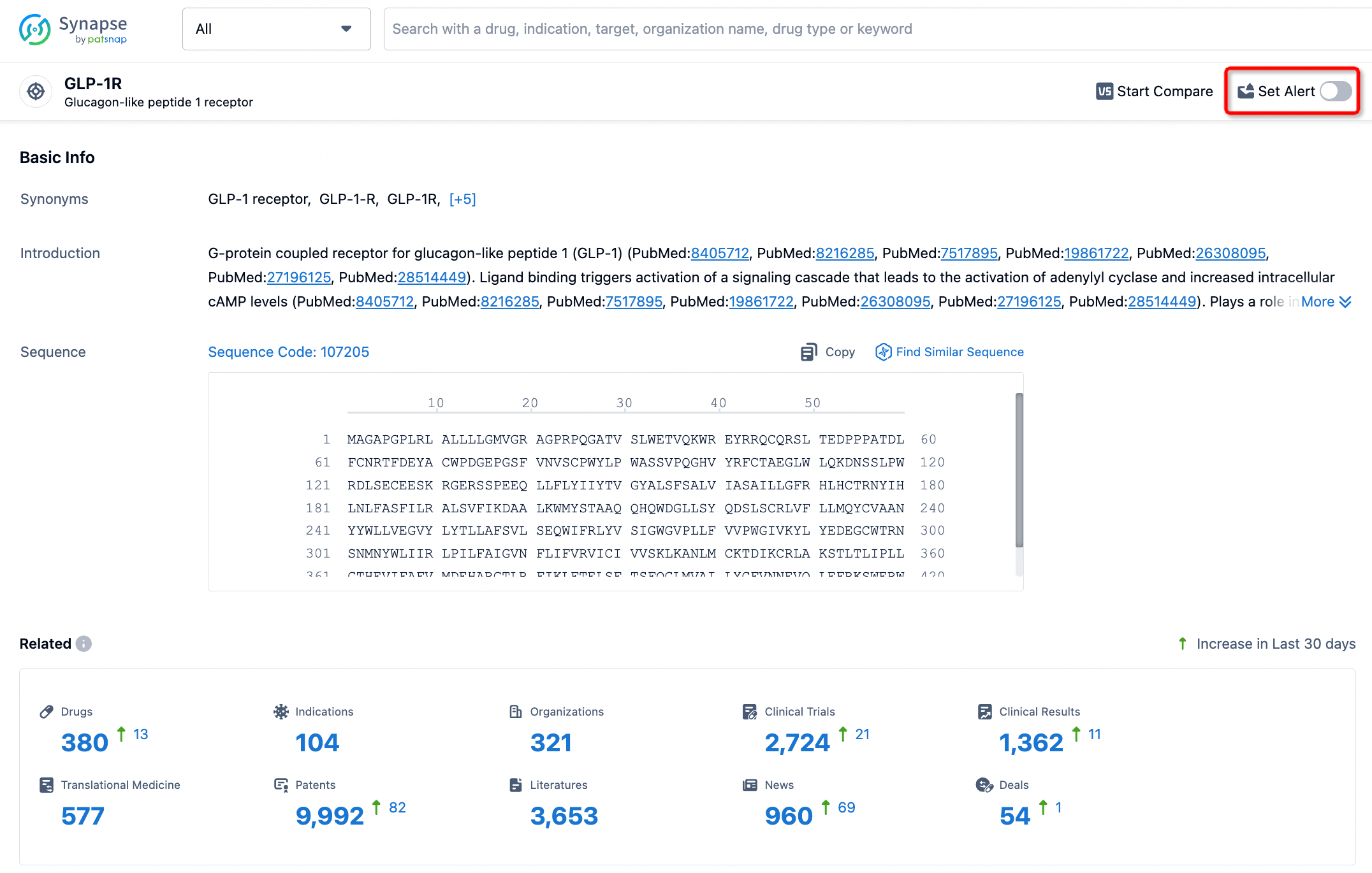
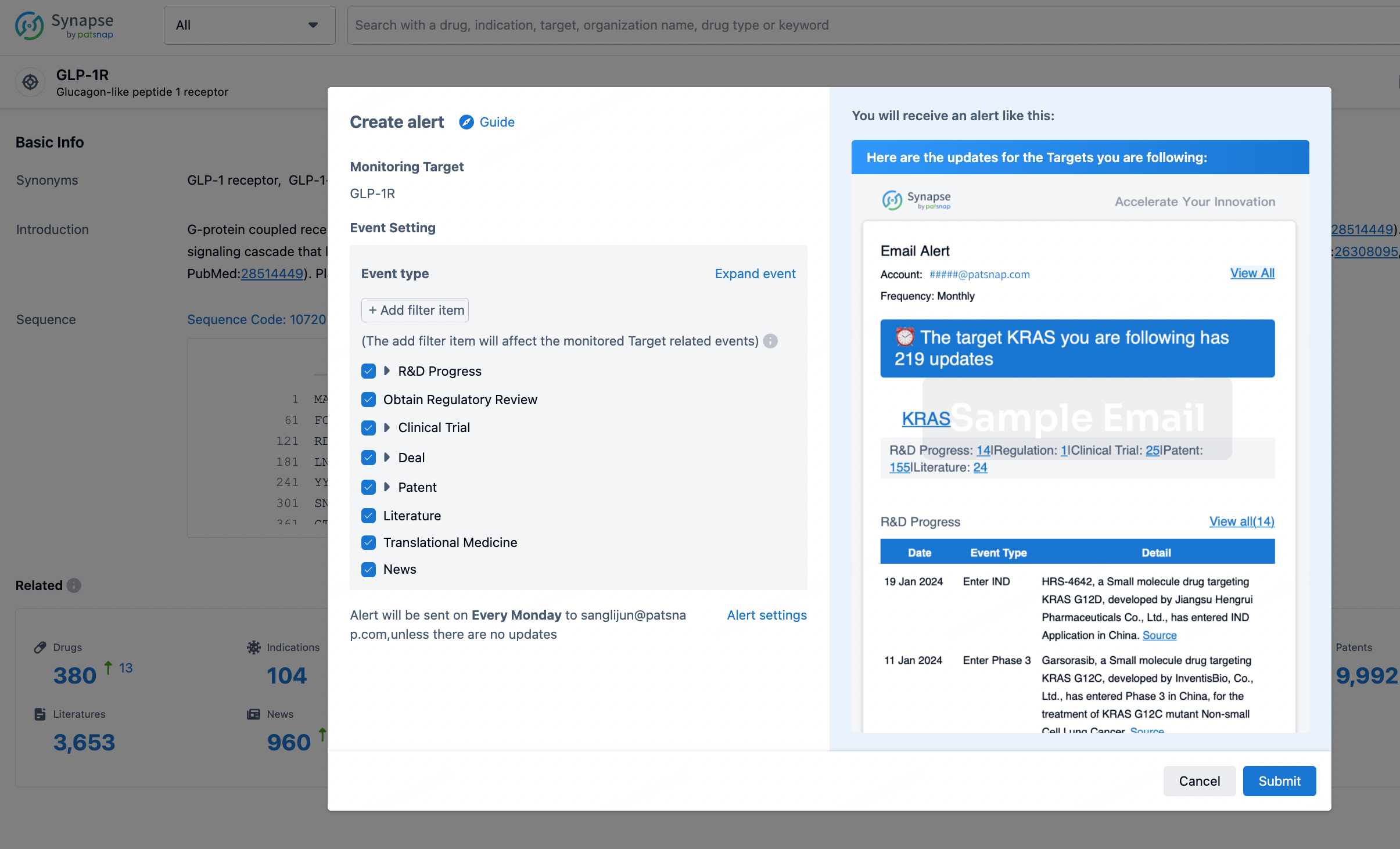
In the Synapse database, you can stay updated on the latest research and development advances of all targets. This service is accessible anytime and anywhere, with updates available daily or weekly. Use the "Set Alert" function to stay informed. Click on the image below to embark on a brand new journey of drug discovery!
AI Agents Built for Biopharma Breakthroughs
Accelerate discovery. Empower decisions. Transform outcomes.
Get started for free today!
Accelerate Strategic R&D decision making with Synapse, PatSnap’s AI-powered Connected Innovation Intelligence Platform Built for Life Sciences Professionals.
Start your data trial now!
Synapse data is also accessible to external entities via APIs or data packages. Empower better decisions with the latest in pharmaceutical intelligence.