Request Demo
What are IL6RB modulators and how do they work?
25 June 2024
The human body is a complex network of cells and signals, constantly communicating to maintain balance and respond to challenges. Within this intricate system, a significant role is played by cytokines, proteins that facilitate communication between cells. One such cytokine, Interleukin-6 (IL-6), and its receptor complex are pivotal in regulating immune responses, inflammation, and hematopoiesis. The focus of this discussion is on IL6RB modulators, the exciting frontier in cytokine research and therapeutic intervention.
IL6RB, also known as the Interleukin-6 Receptor Beta-subunit or GP130, is a signal-transducing component of the IL-6 receptor complex. When IL-6 binds to its specific receptor (IL-6R), IL6RB forms a complex, initiating a cascade of intracellular signaling. This signaling pathway activates various genes involved in inflammation, immune response, and even cell growth and survival. The modulation of IL6RB activity is an emerging area of interest, particularly for its potential in treating a variety of diseases characterized by excessive or dysregulated inflammation.
IL6RB modulators function by influencing the interaction between IL-6 and its receptor complex. This can be achieved through several mechanisms. One approach involves the use of monoclonal antibodies targeting either IL-6 itself or IL-6R. By binding to these molecules, the antibodies prevent IL-6 from interacting with its receptor, thereby inhibiting the subsequent activation of IL6RB. Another strategy is to develop small molecule inhibitors that specifically target the signaling domains within IL6RB, effectively blocking the downstream signaling pathways.
Additionally, researchers are exploring the potential of selective inhibitors that can modulate the signaling specificity of IL6RB. Rather than completely blocking the pathway, these modulators fine-tune the response, potentially reducing side effects while maintaining therapeutic efficacy. The modulation of IL6RB activity is not limited to inhibition. In some cases, enhancing IL6RB signaling can be beneficial, such as in certain conditions of immunodeficiency where boosting the immune response is desirable.
One of the primary applications of IL6RB modulators is in the treatment of autoimmune diseases. Conditions such as rheumatoid arthritis, systemic lupus erythematosus, and inflammatory bowel disease are characterized by chronic inflammation driven by dysregulated cytokine signaling. By modulating IL6RB activity, these therapies aim to reduce the inflammatory response and alleviate symptoms. For instance, Tocilizumab, a monoclonal antibody against IL-6R, has been successfully used in the treatment of rheumatoid arthritis and juvenile idiopathic arthritis, highlighting the therapeutic potential of targeting this pathway.
Beyond autoimmune diseases, IL6RB modulators are being investigated for their potential in oncology. Chronic inflammation is a known contributor to tumor development and progression. By modulating the IL-6/IL6RB signaling axis, researchers hope to inhibit tumor growth and enhance the efficacy of existing cancer therapies. Early clinical trials have shown promising results, particularly in cancers such as multiple myeloma and certain solid tumors where IL-6 plays a critical role in disease progression.
In addition to these applications, IL6RB modulators hold promise in the treatment of infectious diseases. During infections, a balanced immune response is crucial for eliminating pathogens without causing excessive tissue damage. Dysregulation of IL-6 signaling can lead to severe inflammatory responses, as seen in conditions like sepsis and severe viral infections. By modulating IL6RB activity, it may be possible to fine-tune the immune response, reducing harmful inflammation while preserving the body's ability to fight off the infection.
In conclusion, IL6RB modulators represent a promising avenue in the realm of therapeutic intervention, offering potential benefits across a range of diseases characterized by inflammation and immune dysregulation. Through various mechanisms, these modulators can either inhibit or enhance IL6RB signaling, providing tailored approaches to treating autoimmune diseases, certain cancers, and infectious diseases. As research continues to advance, the future holds exciting possibilities for harnessing the power of IL6RB modulators to improve human health.
IL6RB, also known as the Interleukin-6 Receptor Beta-subunit or GP130, is a signal-transducing component of the IL-6 receptor complex. When IL-6 binds to its specific receptor (IL-6R), IL6RB forms a complex, initiating a cascade of intracellular signaling. This signaling pathway activates various genes involved in inflammation, immune response, and even cell growth and survival. The modulation of IL6RB activity is an emerging area of interest, particularly for its potential in treating a variety of diseases characterized by excessive or dysregulated inflammation.
IL6RB modulators function by influencing the interaction between IL-6 and its receptor complex. This can be achieved through several mechanisms. One approach involves the use of monoclonal antibodies targeting either IL-6 itself or IL-6R. By binding to these molecules, the antibodies prevent IL-6 from interacting with its receptor, thereby inhibiting the subsequent activation of IL6RB. Another strategy is to develop small molecule inhibitors that specifically target the signaling domains within IL6RB, effectively blocking the downstream signaling pathways.
Additionally, researchers are exploring the potential of selective inhibitors that can modulate the signaling specificity of IL6RB. Rather than completely blocking the pathway, these modulators fine-tune the response, potentially reducing side effects while maintaining therapeutic efficacy. The modulation of IL6RB activity is not limited to inhibition. In some cases, enhancing IL6RB signaling can be beneficial, such as in certain conditions of immunodeficiency where boosting the immune response is desirable.
One of the primary applications of IL6RB modulators is in the treatment of autoimmune diseases. Conditions such as rheumatoid arthritis, systemic lupus erythematosus, and inflammatory bowel disease are characterized by chronic inflammation driven by dysregulated cytokine signaling. By modulating IL6RB activity, these therapies aim to reduce the inflammatory response and alleviate symptoms. For instance, Tocilizumab, a monoclonal antibody against IL-6R, has been successfully used in the treatment of rheumatoid arthritis and juvenile idiopathic arthritis, highlighting the therapeutic potential of targeting this pathway.
Beyond autoimmune diseases, IL6RB modulators are being investigated for their potential in oncology. Chronic inflammation is a known contributor to tumor development and progression. By modulating the IL-6/IL6RB signaling axis, researchers hope to inhibit tumor growth and enhance the efficacy of existing cancer therapies. Early clinical trials have shown promising results, particularly in cancers such as multiple myeloma and certain solid tumors where IL-6 plays a critical role in disease progression.
In addition to these applications, IL6RB modulators hold promise in the treatment of infectious diseases. During infections, a balanced immune response is crucial for eliminating pathogens without causing excessive tissue damage. Dysregulation of IL-6 signaling can lead to severe inflammatory responses, as seen in conditions like sepsis and severe viral infections. By modulating IL6RB activity, it may be possible to fine-tune the immune response, reducing harmful inflammation while preserving the body's ability to fight off the infection.
In conclusion, IL6RB modulators represent a promising avenue in the realm of therapeutic intervention, offering potential benefits across a range of diseases characterized by inflammation and immune dysregulation. Through various mechanisms, these modulators can either inhibit or enhance IL6RB signaling, providing tailored approaches to treating autoimmune diseases, certain cancers, and infectious diseases. As research continues to advance, the future holds exciting possibilities for harnessing the power of IL6RB modulators to improve human health.
How to obtain the latest development progress of all targets?
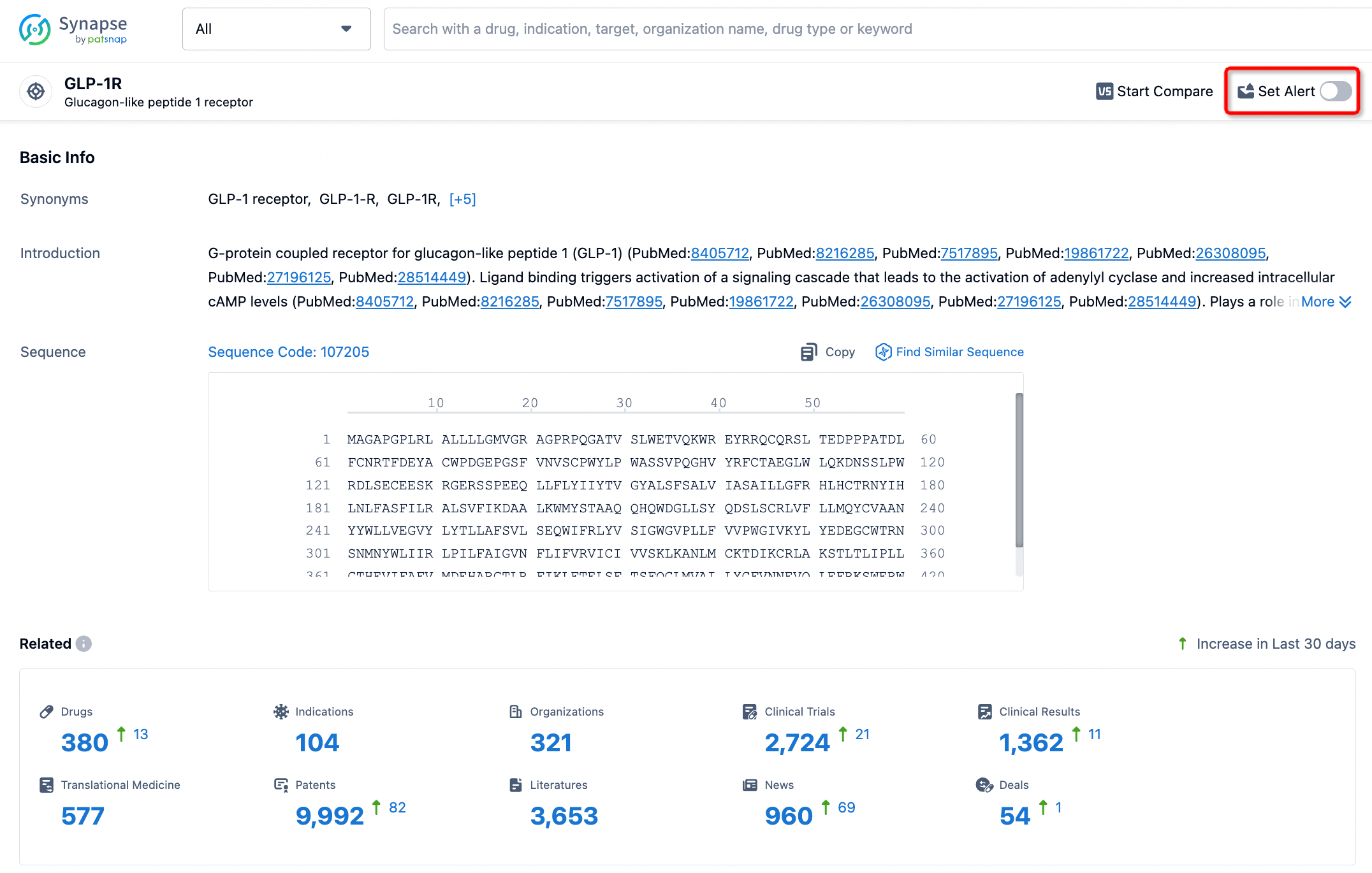
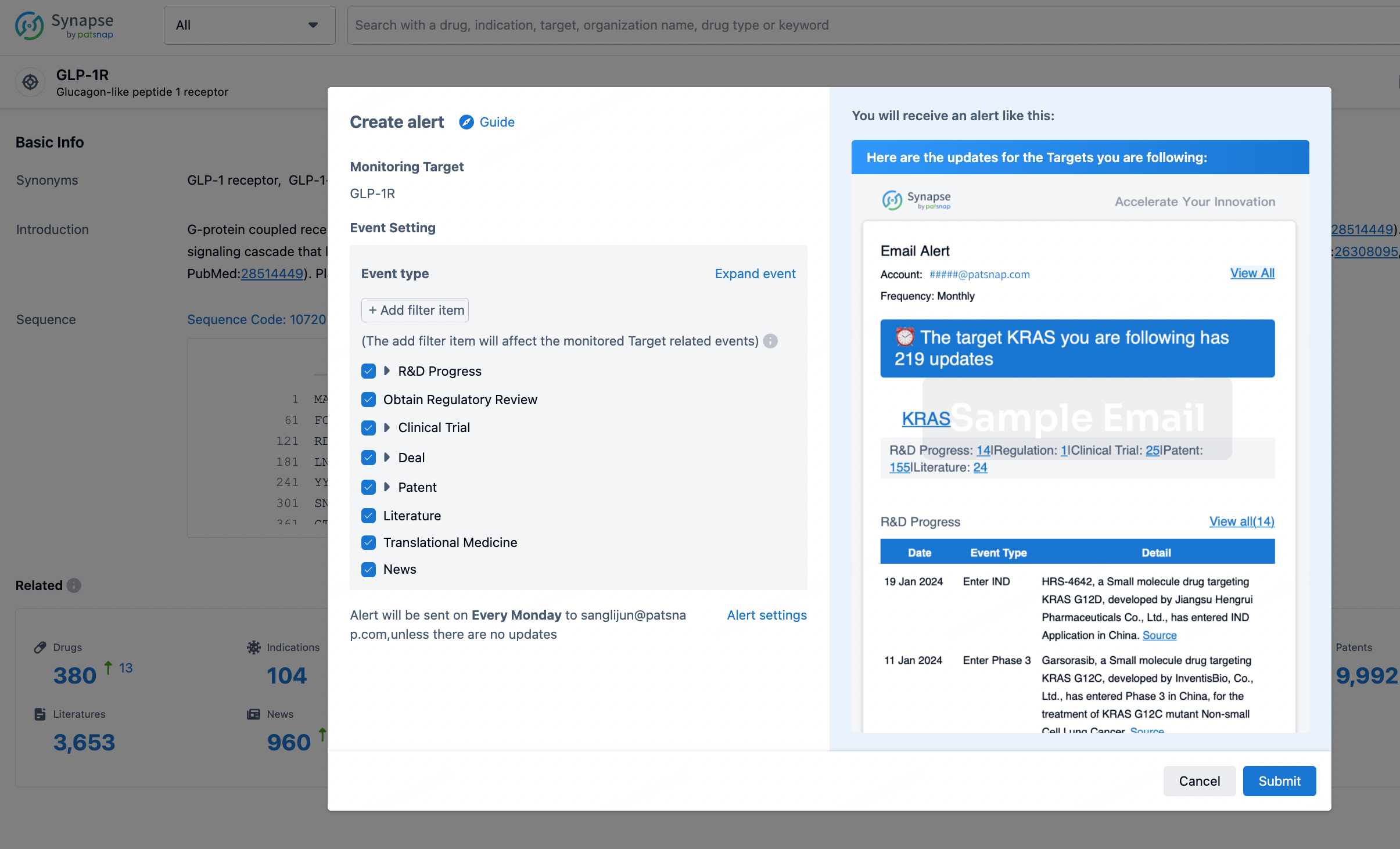
In the Synapse database, you can stay updated on the latest research and development advances of all targets. This service is accessible anytime and anywhere, with updates available daily or weekly. Use the "Set Alert" function to stay informed. Click on the image below to embark on a brand new journey of drug discovery!

AI Agents Built for Biopharma Breakthroughs
Accelerate discovery. Empower decisions. Transform outcomes.
Get started for free today!
Accelerate Strategic R&D decision making with Synapse, PatSnap’s AI-powered Connected Innovation Intelligence Platform Built for Life Sciences Professionals.
Start your data trial now!
Synapse data is also accessible to external entities via APIs or data packages. Empower better decisions with the latest in pharmaceutical intelligence.