Request Demo
What are Mt. Rv2029c antigen inhibitors and how do they work?
25 June 2024
Tuberculosis (TB) remains one of the deadliest infectious diseases worldwide, posing a significant challenge to global health. As TB continues to evolve, so too must our strategies for combating it. One promising avenue of research lies in the development of Mt. Rv2029c antigen inhibitors. These inhibitors offer a novel approach to tackling TB by targeting a specific protein within the Mycobacterium tuberculosis (Mtb) bacterium. In this blog post, we will explore what Mt. Rv2029c antigen inhibitors are, how they work, and their potential applications in the fight against TB.
**Introduction to Mt. Rv2029c Antigen Inhibitors**
Mt. Rv2029c antigen inhibitors are a class of compounds designed to interfere with the function of the Rv2029c protein, a key antigen in the Mtb bacterium. The Rv2029c protein plays an essential role in the persistence of the bacterium, allowing it to survive under stressful conditions such as hypoxia (low oxygen levels) and nutrient deprivation. This makes Rv2029c a critical target for therapeutic intervention, particularly in latent TB, where the bacteria can remain dormant in the host for years before becoming active again.
The identification of Rv2029c as a potential drug target came from extensive genomic and proteomic studies, which revealed its involvement in the bacterium's adaptive response to hostile environments. By inhibiting this protein, researchers aim to disrupt the bacterium's ability to endure these conditions, rendering it more susceptible to the host's immune response and existing TB treatments.
**How Do Mt. Rv2029c Antigen Inhibitors Work?**
Mt. Rv2029c antigen inhibitors function by binding to the Rv2029c protein, thereby blocking its activity. The Rv2029c protein is part of a larger regulatory network within Mtb that controls the expression of genes involved in stress responses. When this protein is inhibited, the bacterium's ability to manage stress is compromised, leading to a breakdown in its defensive mechanisms.
The inhibitors achieve this by either directly binding to the active site of the Rv2029c protein or by allosterically modifying its structure. This binding prevents the protein from interacting with its natural substrates or cofactors, effectively shutting down its function. As a result, the bacterium becomes less able to cope with adverse conditions, making it more vulnerable to immune system attacks and conventional antibiotics.
Furthermore, the specificity of these inhibitors for the Rv2029c protein minimizes off-target effects, reducing the likelihood of adverse reactions in the host. This specificity also means that the inhibitors can be used in combination with other TB treatments, providing a multi-faceted approach to eradication.
**What Are Mt. Rv2029c Antigen Inhibitors Used For?**
The primary application of Mt. Rv2029c antigen inhibitors is in the treatment of TB, particularly in cases where the bacteria are in a latent state. Latent TB is a significant challenge because the bacteria are dormant and thus less responsive to conventional antibiotics, which primarily target actively replicating cells. By targeting the Rv2029c protein, these inhibitors can disrupt the dormancy and make the bacteria more susceptible to treatment.
Additionally, Mt. Rv2029c antigen inhibitors have potential use in treating drug-resistant TB strains. Drug resistance in TB is a growing concern, with strains emerging that are resistant to multiple first-line and second-line drugs. By providing a new mechanism of action, these inhibitors offer an alternative strategy for tackling resistant strains, which could be invaluable in managing and eventually eliminating TB.
Moreover, ongoing research is exploring the use of these inhibitors in conjunction with vaccines. By enhancing the efficacy of vaccines through the simultaneous disruption of bacterial defenses, there is potential to improve both prevention and treatment outcomes for TB.
In conclusion, Mt. Rv2029c antigen inhibitors represent a promising frontier in the battle against tuberculosis. By targeting a crucial protein involved in the bacterium's stress response, these inhibitors offer a novel and potentially effective means of combating both latent and drug-resistant TB. As research progresses, these compounds could become an integral part of our arsenal against this persistent and deadly disease.
**Introduction to Mt. Rv2029c Antigen Inhibitors**
Mt. Rv2029c antigen inhibitors are a class of compounds designed to interfere with the function of the Rv2029c protein, a key antigen in the Mtb bacterium. The Rv2029c protein plays an essential role in the persistence of the bacterium, allowing it to survive under stressful conditions such as hypoxia (low oxygen levels) and nutrient deprivation. This makes Rv2029c a critical target for therapeutic intervention, particularly in latent TB, where the bacteria can remain dormant in the host for years before becoming active again.
The identification of Rv2029c as a potential drug target came from extensive genomic and proteomic studies, which revealed its involvement in the bacterium's adaptive response to hostile environments. By inhibiting this protein, researchers aim to disrupt the bacterium's ability to endure these conditions, rendering it more susceptible to the host's immune response and existing TB treatments.
**How Do Mt. Rv2029c Antigen Inhibitors Work?**
Mt. Rv2029c antigen inhibitors function by binding to the Rv2029c protein, thereby blocking its activity. The Rv2029c protein is part of a larger regulatory network within Mtb that controls the expression of genes involved in stress responses. When this protein is inhibited, the bacterium's ability to manage stress is compromised, leading to a breakdown in its defensive mechanisms.
The inhibitors achieve this by either directly binding to the active site of the Rv2029c protein or by allosterically modifying its structure. This binding prevents the protein from interacting with its natural substrates or cofactors, effectively shutting down its function. As a result, the bacterium becomes less able to cope with adverse conditions, making it more vulnerable to immune system attacks and conventional antibiotics.
Furthermore, the specificity of these inhibitors for the Rv2029c protein minimizes off-target effects, reducing the likelihood of adverse reactions in the host. This specificity also means that the inhibitors can be used in combination with other TB treatments, providing a multi-faceted approach to eradication.
**What Are Mt. Rv2029c Antigen Inhibitors Used For?**
The primary application of Mt. Rv2029c antigen inhibitors is in the treatment of TB, particularly in cases where the bacteria are in a latent state. Latent TB is a significant challenge because the bacteria are dormant and thus less responsive to conventional antibiotics, which primarily target actively replicating cells. By targeting the Rv2029c protein, these inhibitors can disrupt the dormancy and make the bacteria more susceptible to treatment.
Additionally, Mt. Rv2029c antigen inhibitors have potential use in treating drug-resistant TB strains. Drug resistance in TB is a growing concern, with strains emerging that are resistant to multiple first-line and second-line drugs. By providing a new mechanism of action, these inhibitors offer an alternative strategy for tackling resistant strains, which could be invaluable in managing and eventually eliminating TB.
Moreover, ongoing research is exploring the use of these inhibitors in conjunction with vaccines. By enhancing the efficacy of vaccines through the simultaneous disruption of bacterial defenses, there is potential to improve both prevention and treatment outcomes for TB.
In conclusion, Mt. Rv2029c antigen inhibitors represent a promising frontier in the battle against tuberculosis. By targeting a crucial protein involved in the bacterium's stress response, these inhibitors offer a novel and potentially effective means of combating both latent and drug-resistant TB. As research progresses, these compounds could become an integral part of our arsenal against this persistent and deadly disease.
How to obtain the latest development progress of all targets?
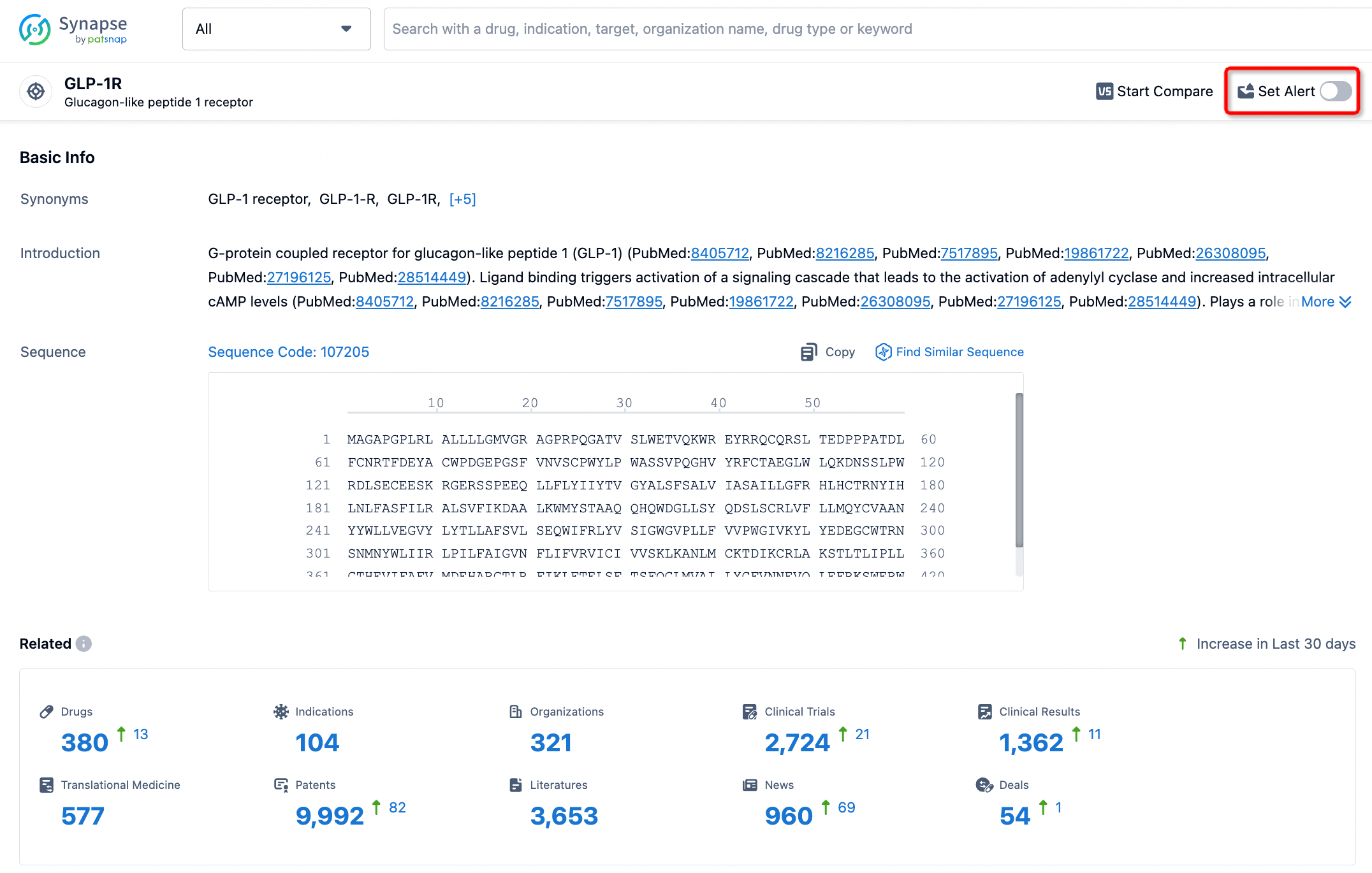
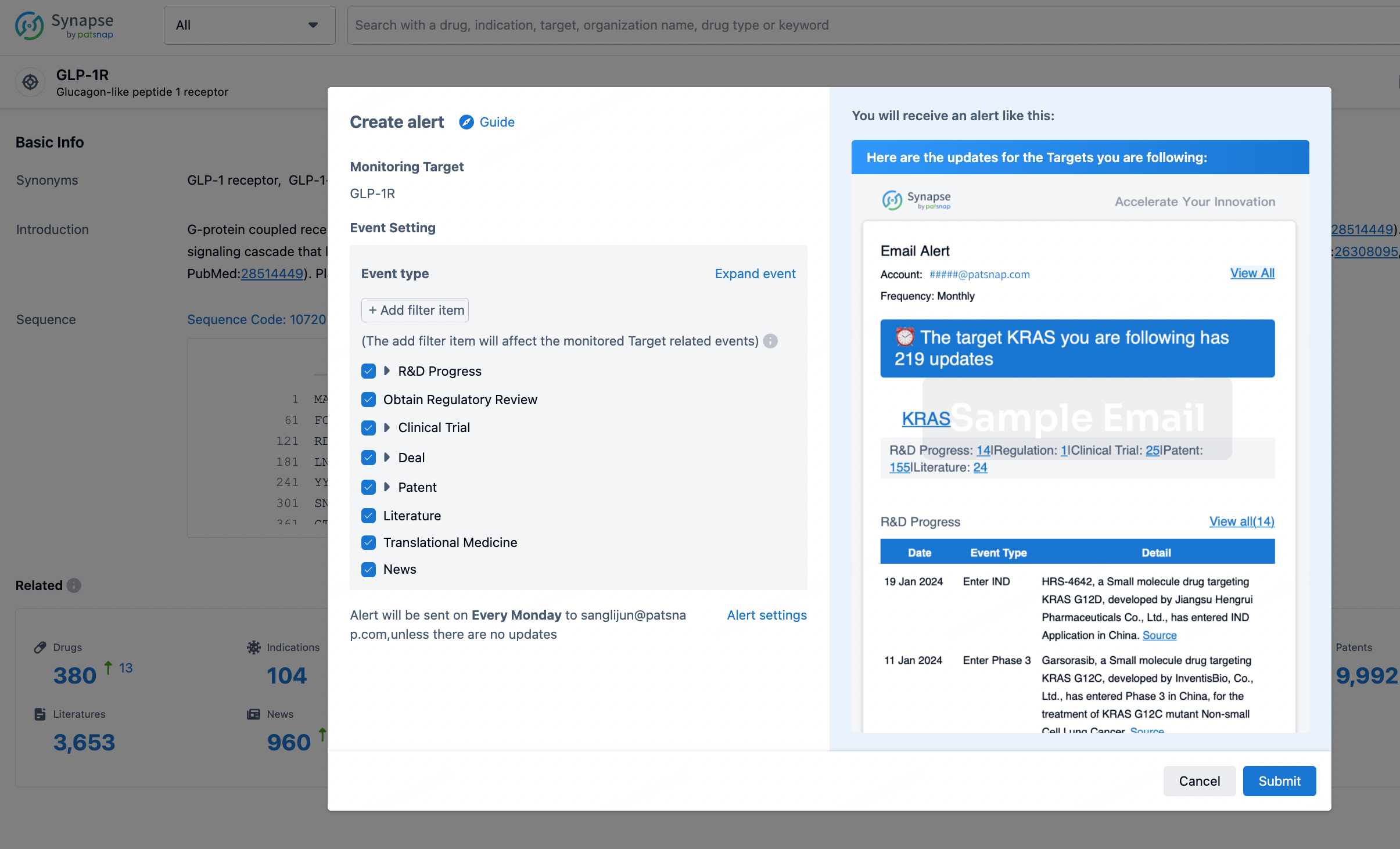
In the Synapse database, you can stay updated on the latest research and development advances of all targets. This service is accessible anytime and anywhere, with updates available daily or weekly. Use the "Set Alert" function to stay informed. Click on the image below to embark on a brand new journey of drug discovery!

AI Agents Built for Biopharma Breakthroughs
Accelerate discovery. Empower decisions. Transform outcomes.
Get started for free today!
Accelerate Strategic R&D decision making with Synapse, PatSnap’s AI-powered Connected Innovation Intelligence Platform Built for Life Sciences Professionals.
Start your data trial now!
Synapse data is also accessible to external entities via APIs or data packages. Empower better decisions with the latest in pharmaceutical intelligence.