Request Demo
What are p38α stimulants and how do they work?
21 June 2024
In recent years, the scientific community has been increasingly focusing on the role of p38α stimulants in various physiological and pathological processes. p38α, a subtype of the p38 mitogen-activated protein kinases (MAPKs), plays a critical part in cellular responses to inflammation and stress. As researchers continue to uncover the mechanisms and potential applications of p38α stimulants, it becomes essential to understand their significance in both clinical and therapeutic contexts.
p38α is one of four isoforms (α, β, γ, and δ) of the p38 MAPK family, which are involved in transducing signals from the cell surface to the DNA in the cell nucleus in response to extracellular stimuli. These stimuli often include inflammatory cytokines, ultraviolet radiation, osmotic shock, and stress signals. Among these isoforms, p38α is the most well-characterized and is known to play a significant role in mediating inflammatory responses, cell differentiation, and apoptosis.
p38α stimulants work by activating the p38α MAPK pathway. This pathway begins with the binding of specific extracellular signals to cell surface receptors. This event triggers a cascade of phosphorylation events, leading to the activation of the p38α kinase. Once activated, p38α translocates to the nucleus, where it phosphorylates various transcription factors, ultimately leading to changes in gene expression. These changes can result in the production of proteins involved in inflammation, cell cycle regulation, and apoptosis.
The activation of p38α can modulate the activity of several downstream targets, including transcription factors like ATF2, MEF2C, and SAP1, as well as other kinases such as MAPKAPK2. By influencing these targets, p38α can regulate the production of pro-inflammatory cytokines like TNF-α and IL-1β, which are critical in the body’s response to infection and injury. Furthermore, p38α can also influence the expression of enzymes such as inducible nitric oxide synthase (iNOS) and cyclooxygenase-2 (COX-2), both of which play roles in inflammatory processes.
Given their role in modulating inflammatory responses and other cellular processes, p38α stimulants have been the subject of extensive research for therapeutic applications. One of the primary uses of p38α stimulants is in the treatment of inflammatory diseases. Conditions such as rheumatoid arthritis, inflammatory bowel disease, and psoriasis are characterized by chronic inflammation, and p38α stimulants may help to modulate this inflammation by reducing the production of pro-inflammatory cytokines.
Moreover, p38α stimulants have also shown promise in the treatment of certain cancers. Given that p38α is involved in cell cycle regulation and apoptosis, stimulating this kinase can potentially inhibit the growth of cancer cells and promote their programmed death. This makes p38α a potential target for anti-cancer therapies, particularly in cancers that exhibit dysregulated p38α signaling.
In addition to inflammatory diseases and cancer, p38α stimulants are being investigated for their potential in treating neurodegenerative diseases like Alzheimer’s and Parkinson’s disease. These conditions are often associated with chronic inflammation and oxidative stress, and modulating the p38α pathway might help mitigate these harmful processes.
Furthermore, recent studies have explored the role of p38α in cardiovascular diseases, where it may play a part in the pathogenesis of conditions such as ischemic heart disease and heart failure. By influencing the inflammatory response and cell survival pathways, p38α stimulants could potentially provide new avenues for the treatment of these debilitating diseases.
In conclusion, p38α stimulants represent a promising area of research with the potential to treat a variety of diseases characterized by inflammation, cancer, neurodegeneration, and cardiovascular disorders. As our understanding of the p38α MAPK pathway continues to deepen, so too will our ability to harness these stimulants for therapeutic benefit. While there is still much to learn, the future of p38α stimulants in medicine looks incredibly promising, offering hope for new and effective treatments for some of the most challenging diseases of our time.
p38α is one of four isoforms (α, β, γ, and δ) of the p38 MAPK family, which are involved in transducing signals from the cell surface to the DNA in the cell nucleus in response to extracellular stimuli. These stimuli often include inflammatory cytokines, ultraviolet radiation, osmotic shock, and stress signals. Among these isoforms, p38α is the most well-characterized and is known to play a significant role in mediating inflammatory responses, cell differentiation, and apoptosis.
p38α stimulants work by activating the p38α MAPK pathway. This pathway begins with the binding of specific extracellular signals to cell surface receptors. This event triggers a cascade of phosphorylation events, leading to the activation of the p38α kinase. Once activated, p38α translocates to the nucleus, where it phosphorylates various transcription factors, ultimately leading to changes in gene expression. These changes can result in the production of proteins involved in inflammation, cell cycle regulation, and apoptosis.
The activation of p38α can modulate the activity of several downstream targets, including transcription factors like ATF2, MEF2C, and SAP1, as well as other kinases such as MAPKAPK2. By influencing these targets, p38α can regulate the production of pro-inflammatory cytokines like TNF-α and IL-1β, which are critical in the body’s response to infection and injury. Furthermore, p38α can also influence the expression of enzymes such as inducible nitric oxide synthase (iNOS) and cyclooxygenase-2 (COX-2), both of which play roles in inflammatory processes.
Given their role in modulating inflammatory responses and other cellular processes, p38α stimulants have been the subject of extensive research for therapeutic applications. One of the primary uses of p38α stimulants is in the treatment of inflammatory diseases. Conditions such as rheumatoid arthritis, inflammatory bowel disease, and psoriasis are characterized by chronic inflammation, and p38α stimulants may help to modulate this inflammation by reducing the production of pro-inflammatory cytokines.
Moreover, p38α stimulants have also shown promise in the treatment of certain cancers. Given that p38α is involved in cell cycle regulation and apoptosis, stimulating this kinase can potentially inhibit the growth of cancer cells and promote their programmed death. This makes p38α a potential target for anti-cancer therapies, particularly in cancers that exhibit dysregulated p38α signaling.
In addition to inflammatory diseases and cancer, p38α stimulants are being investigated for their potential in treating neurodegenerative diseases like Alzheimer’s and Parkinson’s disease. These conditions are often associated with chronic inflammation and oxidative stress, and modulating the p38α pathway might help mitigate these harmful processes.
Furthermore, recent studies have explored the role of p38α in cardiovascular diseases, where it may play a part in the pathogenesis of conditions such as ischemic heart disease and heart failure. By influencing the inflammatory response and cell survival pathways, p38α stimulants could potentially provide new avenues for the treatment of these debilitating diseases.
In conclusion, p38α stimulants represent a promising area of research with the potential to treat a variety of diseases characterized by inflammation, cancer, neurodegeneration, and cardiovascular disorders. As our understanding of the p38α MAPK pathway continues to deepen, so too will our ability to harness these stimulants for therapeutic benefit. While there is still much to learn, the future of p38α stimulants in medicine looks incredibly promising, offering hope for new and effective treatments for some of the most challenging diseases of our time.
How to obtain the latest development progress of all targets?
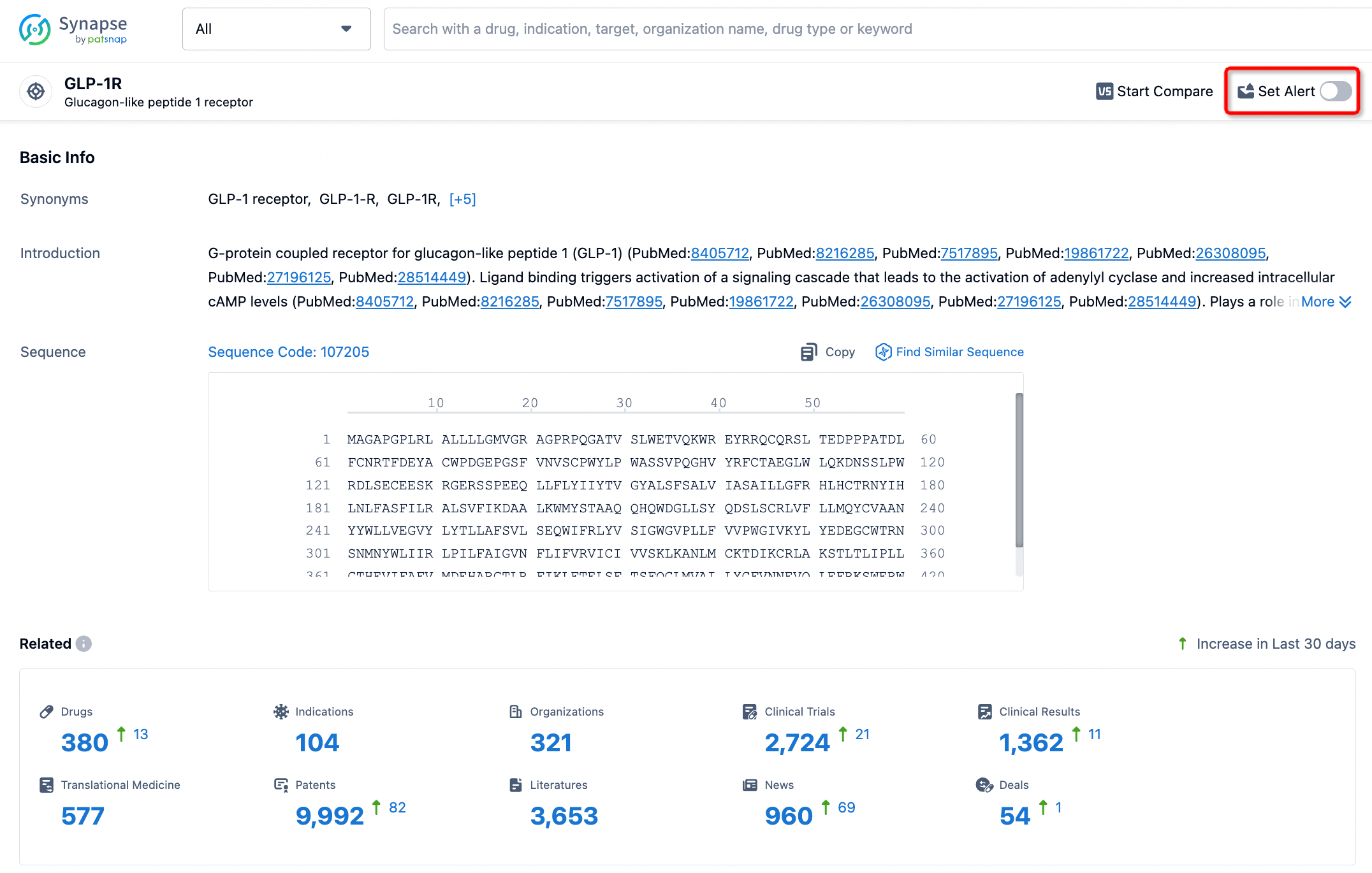
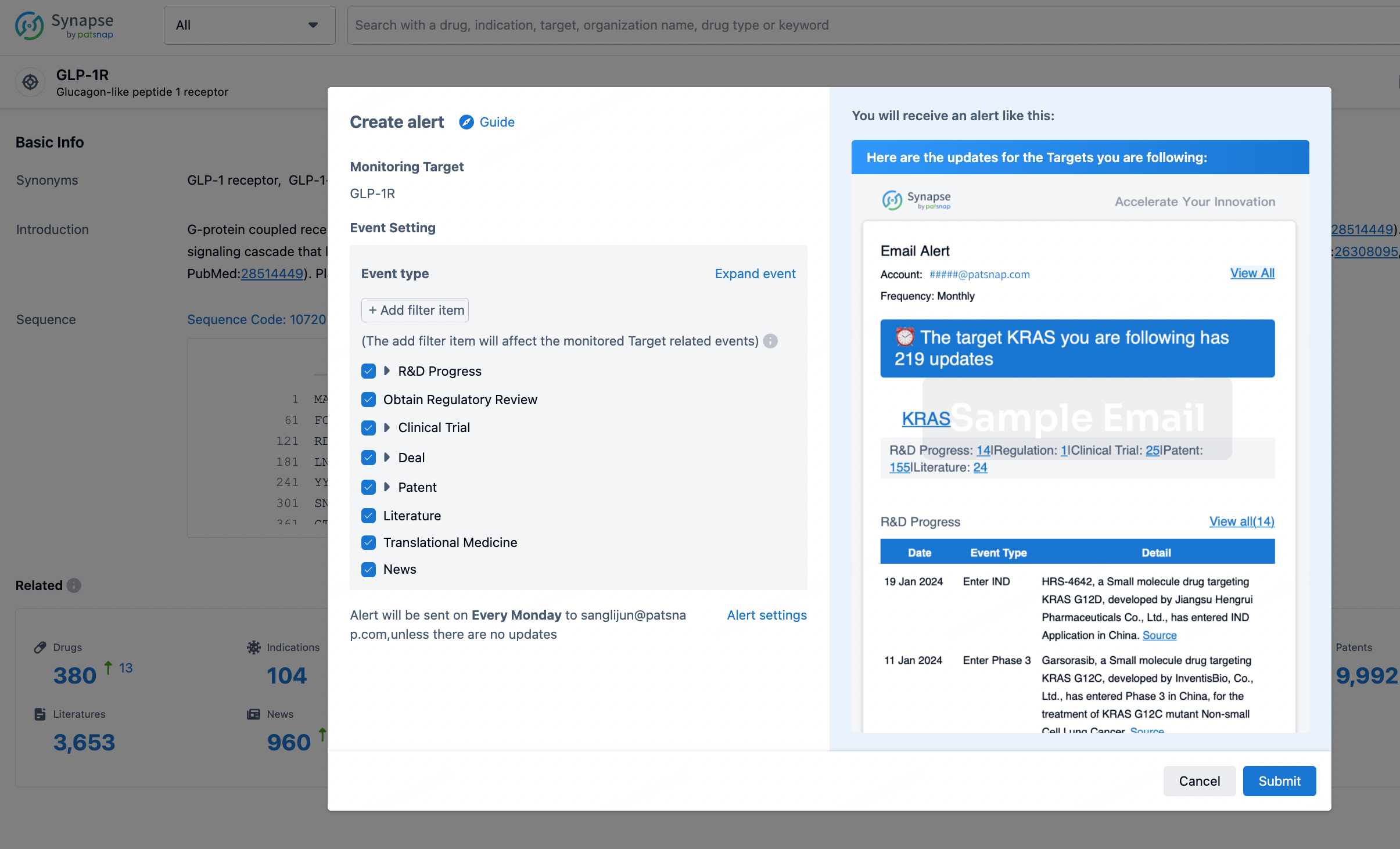
In the Synapse database, you can stay updated on the latest research and development advances of all targets. This service is accessible anytime and anywhere, with updates available daily or weekly. Use the "Set Alert" function to stay informed. Click on the image below to embark on a brand new journey of drug discovery!
AI Agents Built for Biopharma Breakthroughs
Accelerate discovery. Empower decisions. Transform outcomes.
Get started for free today!
Accelerate Strategic R&D decision making with Synapse, PatSnap’s AI-powered Connected Innovation Intelligence Platform Built for Life Sciences Professionals.
Start your data trial now!
Synapse data is also accessible to external entities via APIs or data packages. Empower better decisions with the latest in pharmaceutical intelligence.