Request Demo
What are Prostanoid receptor modulators and how do they work?
25 June 2024
Introduction to Prostanoid receptor modulators
Prostanoid receptor modulators represent a fascinating and rapidly evolving class of pharmaceutical agents with significant potential in the realm of medical therapeutics. These modulators primarily influence the biological activity of prostanoids, which are a subgroup of eicosanoids derived from arachidonic acid. Prostanoids, including prostaglandins, thromboxanes, and prostacyclins, play crucial roles in various physiological processes such as inflammation, platelet aggregation, vasodilation, and smooth muscle function. Understanding and manipulating the signaling pathways of these compounds through the use of receptor modulators can offer novel approaches to treat a wide array of diseases and conditions.
How do Prostanoid receptor modulators work?
To grasp the functioning of prostanoid receptor modulators, it's essential to delve into the underlying mechanisms of prostanoid signaling. Prostanoids exert their effects by binding to specific G protein-coupled receptors (GPCRs) located on the surface of various cell types. There are different types of prostanoid receptors, such as DP, EP, FP, IP, and TP receptors, each named after the prostanoid to which they bind. These receptors are coupled to various intracellular signaling pathways that lead to a range of cellular responses.
Prostanoid receptor modulators can be broadly classified into agonists and antagonists. Agonists are compounds that bind to and activate prostanoid receptors, mimicking the action of natural prostanoids. On the other hand, antagonists bind to these receptors but block their activation, thereby inhibiting the effects of endogenous prostanoids. By selectively targeting these receptors, modulators can either enhance or suppress specific prostanoid-mediated physiological processes, offering a targeted approach to treatment.
One notable example is the use of EP2 receptor agonists to induce vasodilation and prevent platelet aggregation, making them valuable in the management of cardiovascular diseases. Conversely, TP receptor antagonists can be employed to inhibit thromboxane-mediated platelet aggregation, providing a therapeutic option in thrombotic disorders. The precision with which these modulators can be designed to interact with specific prostanoid receptors enables tailored interventions that minimize off-target effects and improve treatment outcomes.
What are Prostanoid receptor modulators used for?
The therapeutic applications of prostanoid receptor modulators are diverse and continue to expand as our understanding of prostanoid signaling deepens. These modulators have shown promise in treating a variety of conditions ranging from cardiovascular diseases to chronic inflammatory disorders and beyond.
In the realm of cardiovascular health, prostanoid receptor modulators have revolutionized the management of several conditions. For instance, prostacyclin (IP) receptor agonists like iloprost and epoprostenol are used in the treatment of pulmonary arterial hypertension (PAH). These agents induce vasodilation and inhibit platelet aggregation, thereby reducing pulmonary vascular resistance and alleviating the symptoms of PAH. Additionally, TP receptor antagonists, which block the effects of thromboxane, are being explored for their potential to prevent clot formation and reduce the risk of myocardial infarction and stroke.
Inflammatory conditions have also benefited from the advent of prostanoid receptor modulators. Prostaglandin E2 (PGE2) is a key mediator of inflammation, and its effects are primarily mediated through EP receptors. Selective EP4 receptor antagonists, for example, have demonstrated efficacy in reducing inflammation and pain in conditions like osteoarthritis and rheumatoid arthritis. By specifically targeting the EP4 receptor, these modulators can mitigate inflammation without the gastrointestinal side effects commonly associated with nonsteroidal anti-inflammatory drugs (NSAIDs).
Beyond cardiovascular and inflammatory diseases, prostanoid receptor modulators are being investigated for their potential in treating conditions such as glaucoma, cancer, and neurodegenerative disorders. In glaucoma, EP2 receptor agonists have been shown to reduce intraocular pressure, offering a novel approach to managing this sight-threatening condition. In cancer, modulators of prostanoid signaling pathways are being explored for their ability to inhibit tumor growth and metastasis. Furthermore, the role of prostanoids in neuroinflammation has spurred interest in developing receptor modulators as potential treatments for neurodegenerative diseases like Alzheimer's and Parkinson's.
In conclusion, prostanoid receptor modulators represent a versatile and potent class of therapeutic agents with wide-ranging applications. By precisely targeting specific prostanoid receptors, these modulators offer the potential for tailored interventions that address the underlying mechanisms of various diseases, paving the way for more effective and safer treatments. As research in this field progresses, it is likely that the therapeutic landscape of prostanoid receptor modulators will continue to expand, offering new hope for patients across a spectrum of conditions.
Prostanoid receptor modulators represent a fascinating and rapidly evolving class of pharmaceutical agents with significant potential in the realm of medical therapeutics. These modulators primarily influence the biological activity of prostanoids, which are a subgroup of eicosanoids derived from arachidonic acid. Prostanoids, including prostaglandins, thromboxanes, and prostacyclins, play crucial roles in various physiological processes such as inflammation, platelet aggregation, vasodilation, and smooth muscle function. Understanding and manipulating the signaling pathways of these compounds through the use of receptor modulators can offer novel approaches to treat a wide array of diseases and conditions.
How do Prostanoid receptor modulators work?
To grasp the functioning of prostanoid receptor modulators, it's essential to delve into the underlying mechanisms of prostanoid signaling. Prostanoids exert their effects by binding to specific G protein-coupled receptors (GPCRs) located on the surface of various cell types. There are different types of prostanoid receptors, such as DP, EP, FP, IP, and TP receptors, each named after the prostanoid to which they bind. These receptors are coupled to various intracellular signaling pathways that lead to a range of cellular responses.
Prostanoid receptor modulators can be broadly classified into agonists and antagonists. Agonists are compounds that bind to and activate prostanoid receptors, mimicking the action of natural prostanoids. On the other hand, antagonists bind to these receptors but block their activation, thereby inhibiting the effects of endogenous prostanoids. By selectively targeting these receptors, modulators can either enhance or suppress specific prostanoid-mediated physiological processes, offering a targeted approach to treatment.
One notable example is the use of EP2 receptor agonists to induce vasodilation and prevent platelet aggregation, making them valuable in the management of cardiovascular diseases. Conversely, TP receptor antagonists can be employed to inhibit thromboxane-mediated platelet aggregation, providing a therapeutic option in thrombotic disorders. The precision with which these modulators can be designed to interact with specific prostanoid receptors enables tailored interventions that minimize off-target effects and improve treatment outcomes.
What are Prostanoid receptor modulators used for?
The therapeutic applications of prostanoid receptor modulators are diverse and continue to expand as our understanding of prostanoid signaling deepens. These modulators have shown promise in treating a variety of conditions ranging from cardiovascular diseases to chronic inflammatory disorders and beyond.
In the realm of cardiovascular health, prostanoid receptor modulators have revolutionized the management of several conditions. For instance, prostacyclin (IP) receptor agonists like iloprost and epoprostenol are used in the treatment of pulmonary arterial hypertension (PAH). These agents induce vasodilation and inhibit platelet aggregation, thereby reducing pulmonary vascular resistance and alleviating the symptoms of PAH. Additionally, TP receptor antagonists, which block the effects of thromboxane, are being explored for their potential to prevent clot formation and reduce the risk of myocardial infarction and stroke.
Inflammatory conditions have also benefited from the advent of prostanoid receptor modulators. Prostaglandin E2 (PGE2) is a key mediator of inflammation, and its effects are primarily mediated through EP receptors. Selective EP4 receptor antagonists, for example, have demonstrated efficacy in reducing inflammation and pain in conditions like osteoarthritis and rheumatoid arthritis. By specifically targeting the EP4 receptor, these modulators can mitigate inflammation without the gastrointestinal side effects commonly associated with nonsteroidal anti-inflammatory drugs (NSAIDs).
Beyond cardiovascular and inflammatory diseases, prostanoid receptor modulators are being investigated for their potential in treating conditions such as glaucoma, cancer, and neurodegenerative disorders. In glaucoma, EP2 receptor agonists have been shown to reduce intraocular pressure, offering a novel approach to managing this sight-threatening condition. In cancer, modulators of prostanoid signaling pathways are being explored for their ability to inhibit tumor growth and metastasis. Furthermore, the role of prostanoids in neuroinflammation has spurred interest in developing receptor modulators as potential treatments for neurodegenerative diseases like Alzheimer's and Parkinson's.
In conclusion, prostanoid receptor modulators represent a versatile and potent class of therapeutic agents with wide-ranging applications. By precisely targeting specific prostanoid receptors, these modulators offer the potential for tailored interventions that address the underlying mechanisms of various diseases, paving the way for more effective and safer treatments. As research in this field progresses, it is likely that the therapeutic landscape of prostanoid receptor modulators will continue to expand, offering new hope for patients across a spectrum of conditions.
How to obtain the latest development progress of all targets?
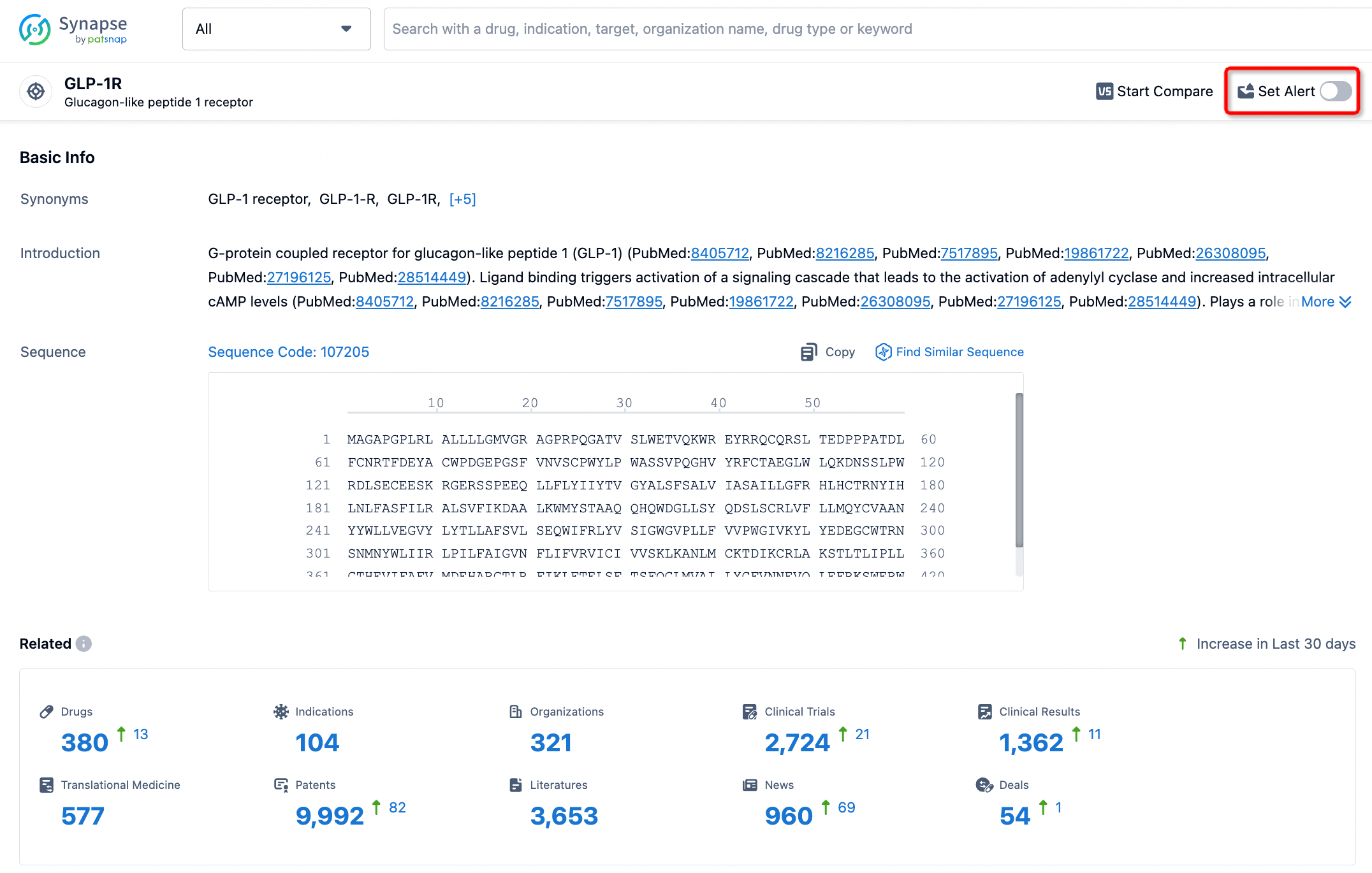
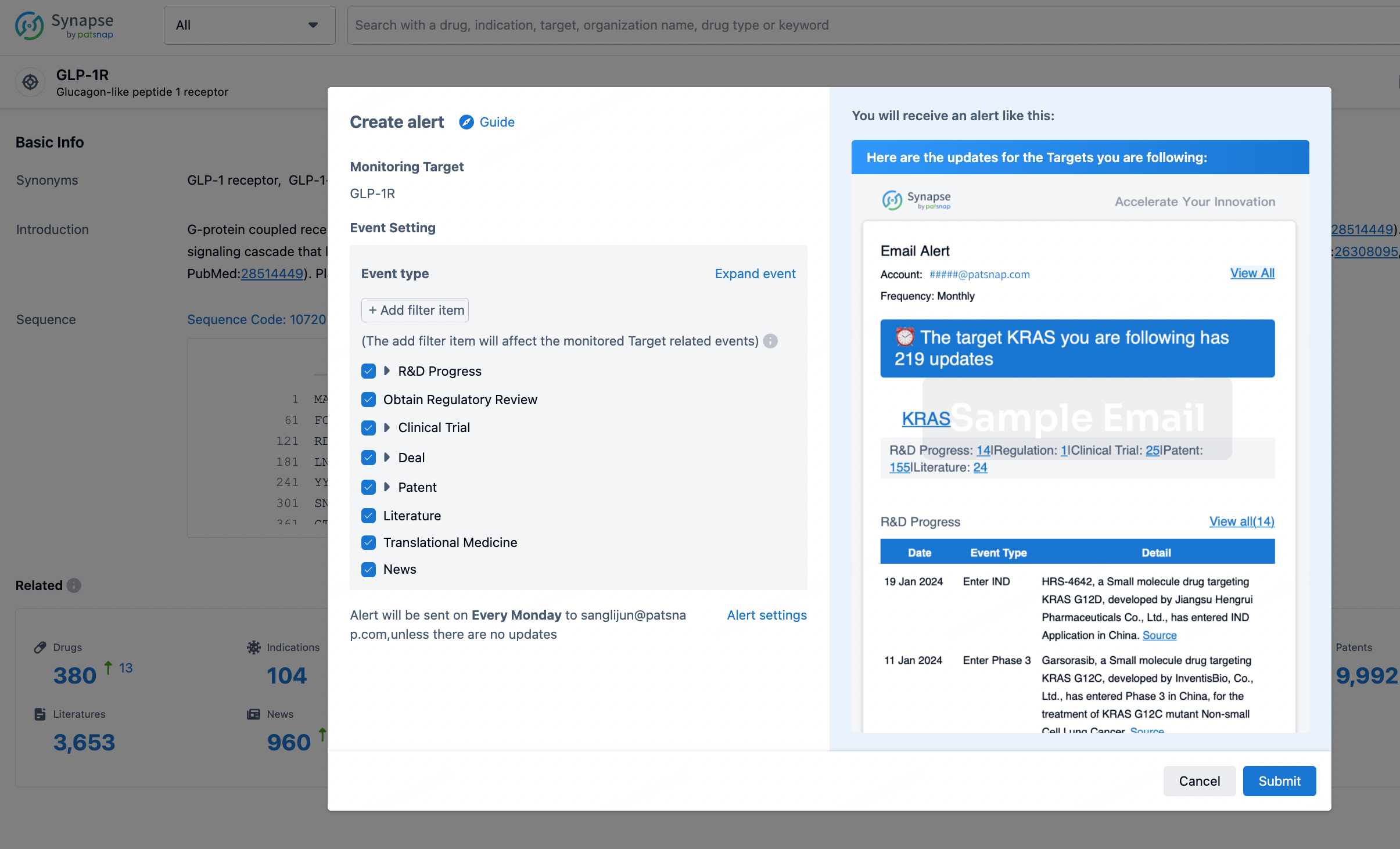
In the Synapse database, you can stay updated on the latest research and development advances of all targets. This service is accessible anytime and anywhere, with updates available daily or weekly. Use the "Set Alert" function to stay informed. Click on the image below to embark on a brand new journey of drug discovery!
Hiro LS Researcher
The AI Search Engine Built to Accelerate Biopharma Decisions
Search across billion-scale life sciences data to uncover signals, validate evidence, and act with confidence.
Ask any biopharma research question→
Get started for free today!
Accelerate Strategic R&D decision making with Synapse, Patsnap’s AI-powered Connected Innovation Intelligence Platform Built for Life Sciences Professionals.
Discover Synapse Data Servers
Synapse data is now integrated into the PatSnap LS Model Context Protocol (MCP) service. Customize your LLM agent now using our MCP server!