Request Demo
What are Protein-tyrosine kinases inhibitors and how do they work?
21 June 2024
Protein-tyrosine kinases inhibitors (PTKIs) have emerged as a groundbreaking class of drugs in the treatment of various cancers and other diseases characterized by abnormal cell growth and proliferation. These inhibitors target specific enzymes known as protein-tyrosine kinases (PTKs), which play crucial roles in signal transduction pathways that regulate cell division, survival, and differentiation. Understanding how PTKIs function and their applications in medicine can provide insight into their significance and potential in clinical therapy.
Protein-tyrosine kinases are enzymes that facilitate the transfer of a phosphate group from adenosine triphosphate (ATP) to the tyrosine residues of proteins. This phosphorylation event is a critical step in numerous cellular processes, including growth, differentiation, metabolism, and apoptosis. When PTKs are dysregulated, they can lead to uncontrolled cellular proliferation, which is a hallmark of cancer.
Protein-tyrosine kinases inhibitors work by specifically targeting these dysregulated kinases, thereby interrupting the aberrant signaling pathways that lead to disease. PTKIs achieve this by binding to the ATP-binding site of the kinase, preventing the transfer of the phosphate group to the substrate protein. This inhibition effectively halts the downstream signaling cascade, which can result in the suppression of tumor growth and the induction of cancer cell death.
There are several mechanisms by which PTKIs exert their effects. Some inhibitors are designed to bind competitively to the ATP-binding site, directly competing with ATP and preventing its interaction with the kinase. Others may bind to allosteric sites, inducing conformational changes that reduce the enzyme’s activity. Additionally, some PTKIs may target multiple kinases simultaneously, broadening their therapeutic potential but also increasing the risk of off-target effects and toxicity.
Protein-tyrosine kinases inhibitors have a wide array of clinical applications, most notably in the treatment of various cancers. One of the most well-known PTKIs is imatinib (Gleevec), which targets the BCR-ABL fusion protein associated with chronic myeloid leukemia (CML). Imatinib has dramatically improved the prognosis for CML patients, transforming the disease from a fatal condition to a manageable chronic illness. Other examples include trastuzumab (Herceptin) and erlotinib (Tarceva), which are used to treat HER2-positive breast cancer and non-small cell lung cancer, respectively.
Beyond cancer, PTKIs are also being explored for their potential in treating other diseases characterized by abnormal kinase activity. For example, they are being investigated in the context of inflammatory and autoimmune diseases, such as rheumatoid arthritis and psoriasis. The rationale behind this lies in the fact that dysregulated signaling pathways involving PTKs also play a role in the pathogenesis of these conditions.
The development of PTKIs has not been without challenges. One significant issue is the development of resistance, where cancer cells adapt and become less responsive to the inhibitors over time. This can occur through various mechanisms, such as mutations in the kinase domain that prevent drug binding, activation of alternative signaling pathways, or upregulation of drug efflux pumps. To address this, researchers are continually developing next-generation PTKIs that can overcome resistance and target multiple pathways simultaneously.
In conclusion, protein-tyrosine kinases inhibitors represent a monumental advancement in the treatment of cancers and potentially other diseases with dysregulated kinase activity. By specifically targeting the enzymes responsible for aberrant cell signaling, PTKIs have the potential to significantly improve patient outcomes. Ongoing research and development are crucial to overcoming the challenges associated with resistance and expanding the therapeutic applications of these inhibitors. As our understanding of kinase biology continues to evolve, so too will the strategies for effectively harnessing PTKIs in clinical practice.
Protein-tyrosine kinases are enzymes that facilitate the transfer of a phosphate group from adenosine triphosphate (ATP) to the tyrosine residues of proteins. This phosphorylation event is a critical step in numerous cellular processes, including growth, differentiation, metabolism, and apoptosis. When PTKs are dysregulated, they can lead to uncontrolled cellular proliferation, which is a hallmark of cancer.
Protein-tyrosine kinases inhibitors work by specifically targeting these dysregulated kinases, thereby interrupting the aberrant signaling pathways that lead to disease. PTKIs achieve this by binding to the ATP-binding site of the kinase, preventing the transfer of the phosphate group to the substrate protein. This inhibition effectively halts the downstream signaling cascade, which can result in the suppression of tumor growth and the induction of cancer cell death.
There are several mechanisms by which PTKIs exert their effects. Some inhibitors are designed to bind competitively to the ATP-binding site, directly competing with ATP and preventing its interaction with the kinase. Others may bind to allosteric sites, inducing conformational changes that reduce the enzyme’s activity. Additionally, some PTKIs may target multiple kinases simultaneously, broadening their therapeutic potential but also increasing the risk of off-target effects and toxicity.
Protein-tyrosine kinases inhibitors have a wide array of clinical applications, most notably in the treatment of various cancers. One of the most well-known PTKIs is imatinib (Gleevec), which targets the BCR-ABL fusion protein associated with chronic myeloid leukemia (CML). Imatinib has dramatically improved the prognosis for CML patients, transforming the disease from a fatal condition to a manageable chronic illness. Other examples include trastuzumab (Herceptin) and erlotinib (Tarceva), which are used to treat HER2-positive breast cancer and non-small cell lung cancer, respectively.
Beyond cancer, PTKIs are also being explored for their potential in treating other diseases characterized by abnormal kinase activity. For example, they are being investigated in the context of inflammatory and autoimmune diseases, such as rheumatoid arthritis and psoriasis. The rationale behind this lies in the fact that dysregulated signaling pathways involving PTKs also play a role in the pathogenesis of these conditions.
The development of PTKIs has not been without challenges. One significant issue is the development of resistance, where cancer cells adapt and become less responsive to the inhibitors over time. This can occur through various mechanisms, such as mutations in the kinase domain that prevent drug binding, activation of alternative signaling pathways, or upregulation of drug efflux pumps. To address this, researchers are continually developing next-generation PTKIs that can overcome resistance and target multiple pathways simultaneously.
In conclusion, protein-tyrosine kinases inhibitors represent a monumental advancement in the treatment of cancers and potentially other diseases with dysregulated kinase activity. By specifically targeting the enzymes responsible for aberrant cell signaling, PTKIs have the potential to significantly improve patient outcomes. Ongoing research and development are crucial to overcoming the challenges associated with resistance and expanding the therapeutic applications of these inhibitors. As our understanding of kinase biology continues to evolve, so too will the strategies for effectively harnessing PTKIs in clinical practice.
How to obtain the latest development progress of all targets?
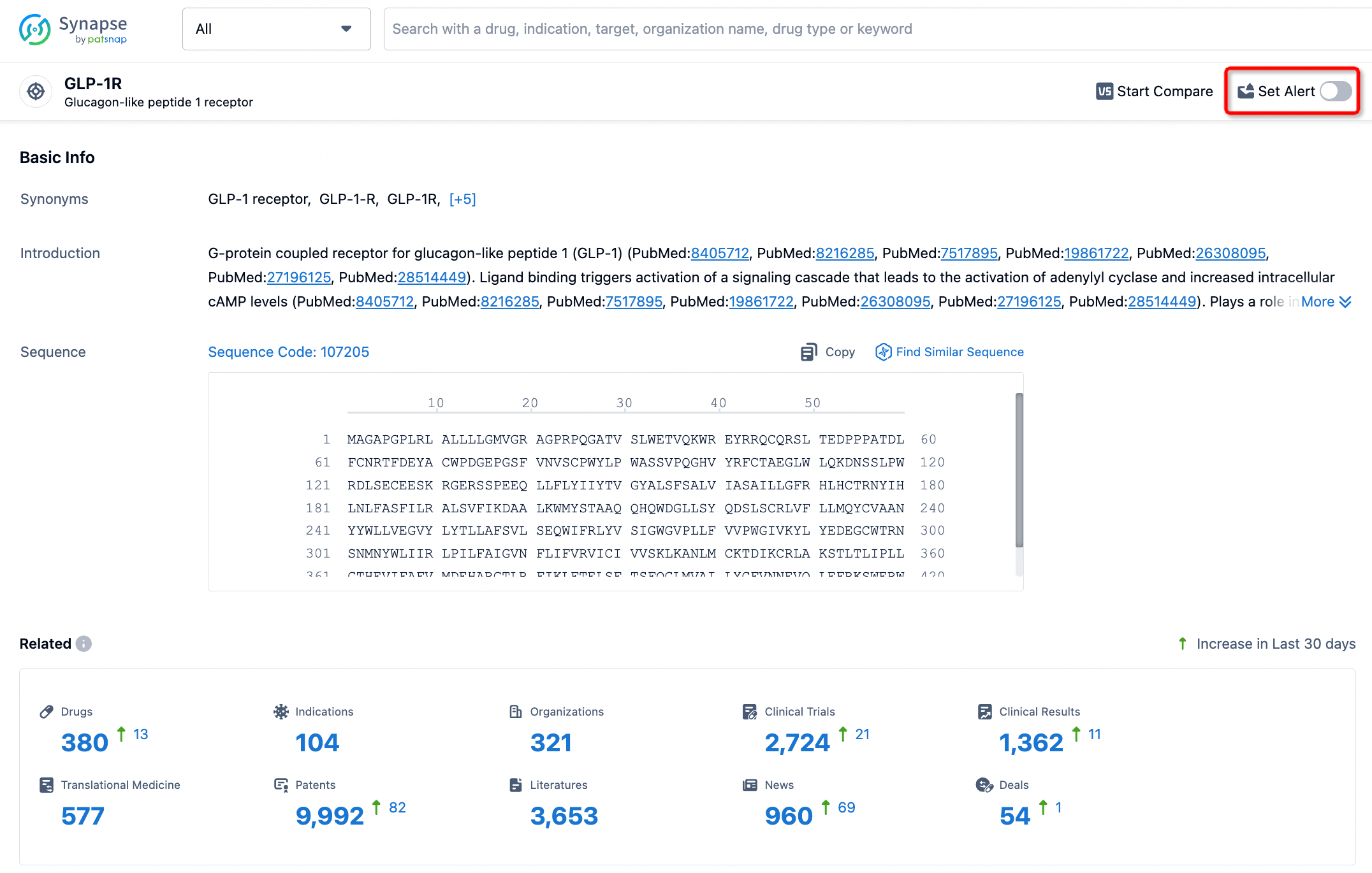
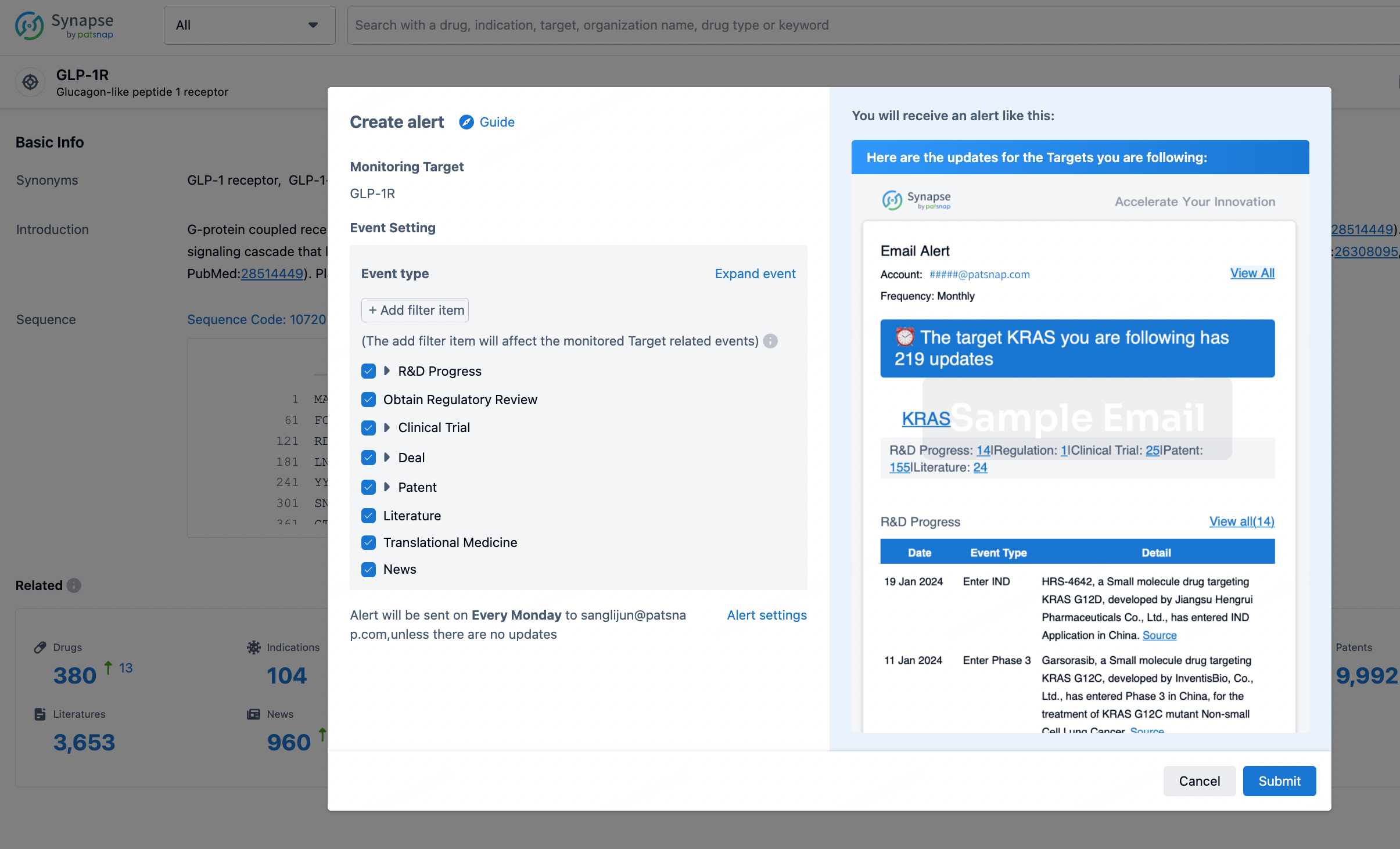
In the Synapse database, you can stay updated on the latest research and development advances of all targets. This service is accessible anytime and anywhere, with updates available daily or weekly. Use the "Set Alert" function to stay informed. Click on the image below to embark on a brand new journey of drug discovery!

AI Agents Built for Biopharma Breakthroughs
Accelerate discovery. Empower decisions. Transform outcomes.
Get started for free today!
Accelerate Strategic R&D decision making with Synapse, PatSnap’s AI-powered Connected Innovation Intelligence Platform Built for Life Sciences Professionals.
Start your data trial now!
Synapse data is also accessible to external entities via APIs or data packages. Empower better decisions with the latest in pharmaceutical intelligence.