Request Demo
What are Proto-oncogene proteins c-akt modulators and how do they work?
21 June 2024
Proto-oncogene proteins c-akt modulators have emerged as a pivotal area of study in the field of molecular biology and cancer research. Often referred to simply as Akt, this serine/threonine-specific protein kinase plays a crucial role in various cellular processes, including glucose metabolism, apoptosis, cell proliferation, transcription, and cell migration. Given its central role in cell survival and growth, it is no surprise that the dysregulation of Akt signaling pathways can lead to various pathologies, particularly cancer. This has spurred significant interest in developing modulators that can either inhibit or enhance the activity of Akt, depending on the therapeutic need.
How do Proto-oncogene proteins c-akt modulators work?
To understand how Proto-oncogene proteins c-akt modulators work, it is essential to first grasp the basic mechanism of the Akt pathway. The Akt protein itself is activated through a series of phosphorylation events. Typically, a growth factor binds to a receptor tyrosine kinase on the cell surface, initiating a cascade that results in the activation of phosphoinositide 3-kinase (PI3K). PI3K then catalyzes the production of phosphatidylinositol-3,4,5-trisphosphate (PIP3), which serves as a docking site for Akt at the cell membrane. Once localized to the membrane, Akt is phosphorylated by phosphoinositide-dependent kinase-1 (PDK1) and the mammalian target of rapamycin complex 2 (mTORC2), fully activating the kinase.
Proto-oncogene proteins c-akt modulators exert their effects by either enhancing or inhibiting these phosphorylation events. Inhibitors often target the ATP-binding site of Akt, thus preventing its activation. Small molecule inhibitors, such as MK-2206, have shown promise in preclinical studies by effectively blocking Akt signaling. On the other hand, activators are generally less common but are designed to enhance Akt signaling, potentially beneficial in conditions where increased cell survival is desired, such as in neurodegenerative diseases.
Another approach is the use of indirect modulators that target upstream or downstream components of the Akt pathway. For example, PI3K inhibitors like Wortmannin and LY294002 can reduce the production of PIP3, thereby preventing the activation of Akt. Similarly, mTOR inhibitors like Rapamycin can influence the downstream effects of Akt activation. Through these diverse mechanisms, researchers can fine-tune the activity of the Akt pathway to achieve desired therapeutic outcomes.
What are Proto-oncogene proteins c-akt modulators used for?
The therapeutic applications of Proto-oncogene proteins c-akt modulators are broad and varied, reflecting the diverse roles of Akt in cellular physiology. One of the most intensely studied applications is in oncology. Given that overactivation of the Akt pathway is a hallmark of many cancers, Akt inhibitors have been developed to curb unchecked cell proliferation. Clinical trials are currently underway to evaluate the efficacy of these inhibitors in treating various cancers, including breast, prostate, and pancreatic cancers. For example, Perifosine, an oral Akt inhibitor, has shown encouraging results in slowing tumor growth in multiple myeloma.
Beyond oncology, Akt modulators have potential applications in metabolic diseases. Since Akt plays a key role in glucose uptake and metabolism, modulating its activity can be beneficial in conditions like type 2 diabetes. By enhancing Akt signaling, it may be possible to improve insulin sensitivity and glucose homeostasis. Similarly, the role of Akt in lipid metabolism suggests potential applications in treating hyperlipidemia and related cardiovascular conditions.
Neurodegenerative diseases represent another promising avenue for Akt modulators. In diseases like Alzheimer's and Parkinson's, promoting cell survival and preventing apoptosis could slow disease progression. Akt activators, by enhancing the pro-survival pathways, offer a potential therapeutic strategy in these debilitating conditions.
Lastly, Akt modulators are also being explored in the context of regenerative medicine. Enhancing Akt signaling could promote tissue repair and regeneration, offering new treatments for injuries and degenerative diseases. For instance, in cardiac ischemia-reperfusion injury, activating Akt could protect cardiac cells from apoptosis, thereby improving recovery and outcomes.
In conclusion, Proto-oncogene proteins c-akt modulators represent a versatile tool in the armamentarium of modern medicine. Whether through direct inhibition or activation of Akt itself or by modulating upstream or downstream components of its pathway, these agents hold promise for treating a wide range of diseases. Continued research and clinical trials will undoubtedly expand our understanding and application of these powerful modulators.
How do Proto-oncogene proteins c-akt modulators work?
To understand how Proto-oncogene proteins c-akt modulators work, it is essential to first grasp the basic mechanism of the Akt pathway. The Akt protein itself is activated through a series of phosphorylation events. Typically, a growth factor binds to a receptor tyrosine kinase on the cell surface, initiating a cascade that results in the activation of phosphoinositide 3-kinase (PI3K). PI3K then catalyzes the production of phosphatidylinositol-3,4,5-trisphosphate (PIP3), which serves as a docking site for Akt at the cell membrane. Once localized to the membrane, Akt is phosphorylated by phosphoinositide-dependent kinase-1 (PDK1) and the mammalian target of rapamycin complex 2 (mTORC2), fully activating the kinase.
Proto-oncogene proteins c-akt modulators exert their effects by either enhancing or inhibiting these phosphorylation events. Inhibitors often target the ATP-binding site of Akt, thus preventing its activation. Small molecule inhibitors, such as MK-2206, have shown promise in preclinical studies by effectively blocking Akt signaling. On the other hand, activators are generally less common but are designed to enhance Akt signaling, potentially beneficial in conditions where increased cell survival is desired, such as in neurodegenerative diseases.
Another approach is the use of indirect modulators that target upstream or downstream components of the Akt pathway. For example, PI3K inhibitors like Wortmannin and LY294002 can reduce the production of PIP3, thereby preventing the activation of Akt. Similarly, mTOR inhibitors like Rapamycin can influence the downstream effects of Akt activation. Through these diverse mechanisms, researchers can fine-tune the activity of the Akt pathway to achieve desired therapeutic outcomes.
What are Proto-oncogene proteins c-akt modulators used for?
The therapeutic applications of Proto-oncogene proteins c-akt modulators are broad and varied, reflecting the diverse roles of Akt in cellular physiology. One of the most intensely studied applications is in oncology. Given that overactivation of the Akt pathway is a hallmark of many cancers, Akt inhibitors have been developed to curb unchecked cell proliferation. Clinical trials are currently underway to evaluate the efficacy of these inhibitors in treating various cancers, including breast, prostate, and pancreatic cancers. For example, Perifosine, an oral Akt inhibitor, has shown encouraging results in slowing tumor growth in multiple myeloma.
Beyond oncology, Akt modulators have potential applications in metabolic diseases. Since Akt plays a key role in glucose uptake and metabolism, modulating its activity can be beneficial in conditions like type 2 diabetes. By enhancing Akt signaling, it may be possible to improve insulin sensitivity and glucose homeostasis. Similarly, the role of Akt in lipid metabolism suggests potential applications in treating hyperlipidemia and related cardiovascular conditions.
Neurodegenerative diseases represent another promising avenue for Akt modulators. In diseases like Alzheimer's and Parkinson's, promoting cell survival and preventing apoptosis could slow disease progression. Akt activators, by enhancing the pro-survival pathways, offer a potential therapeutic strategy in these debilitating conditions.
Lastly, Akt modulators are also being explored in the context of regenerative medicine. Enhancing Akt signaling could promote tissue repair and regeneration, offering new treatments for injuries and degenerative diseases. For instance, in cardiac ischemia-reperfusion injury, activating Akt could protect cardiac cells from apoptosis, thereby improving recovery and outcomes.
In conclusion, Proto-oncogene proteins c-akt modulators represent a versatile tool in the armamentarium of modern medicine. Whether through direct inhibition or activation of Akt itself or by modulating upstream or downstream components of its pathway, these agents hold promise for treating a wide range of diseases. Continued research and clinical trials will undoubtedly expand our understanding and application of these powerful modulators.
How to obtain the latest development progress of all targets?
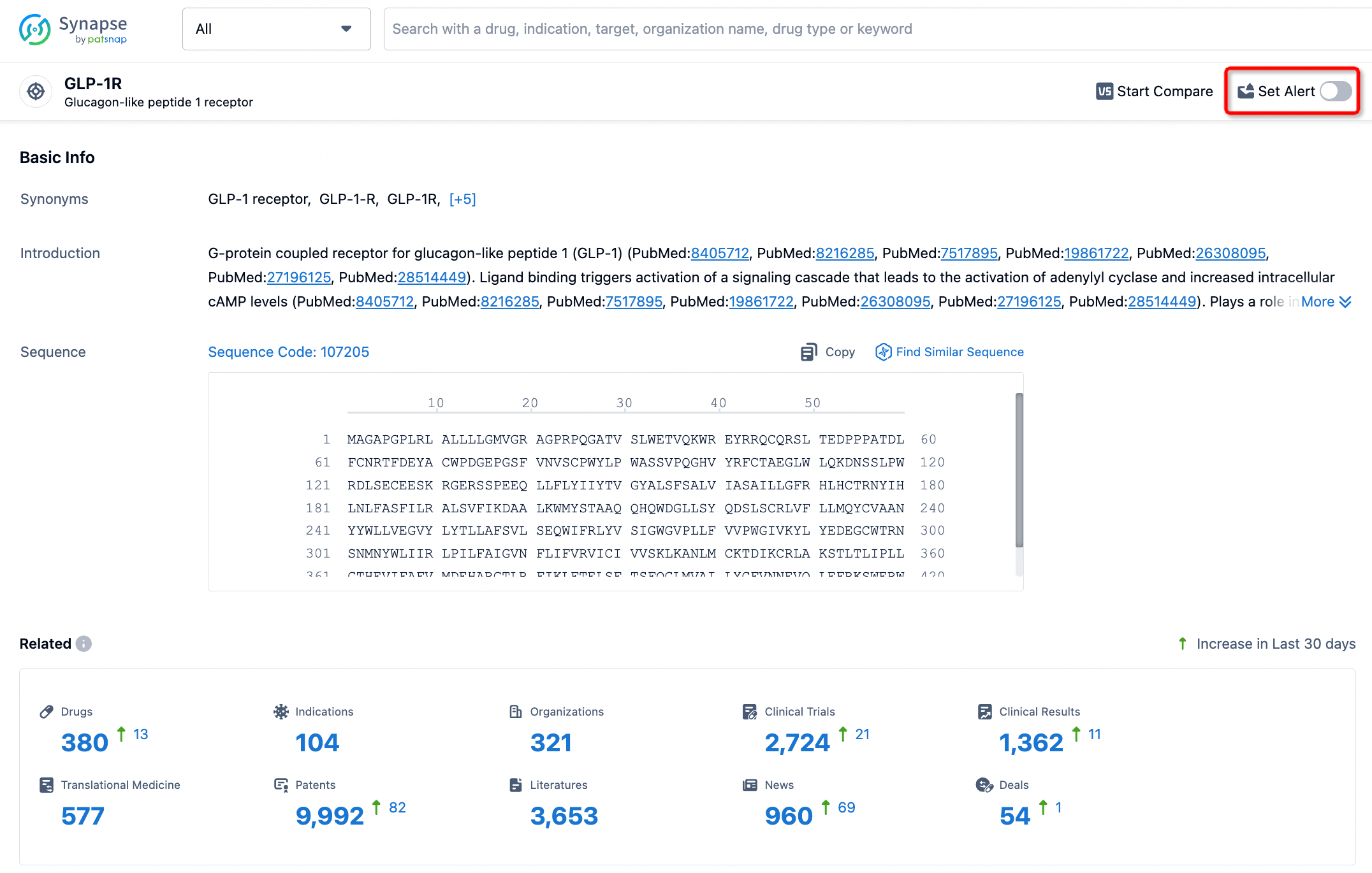
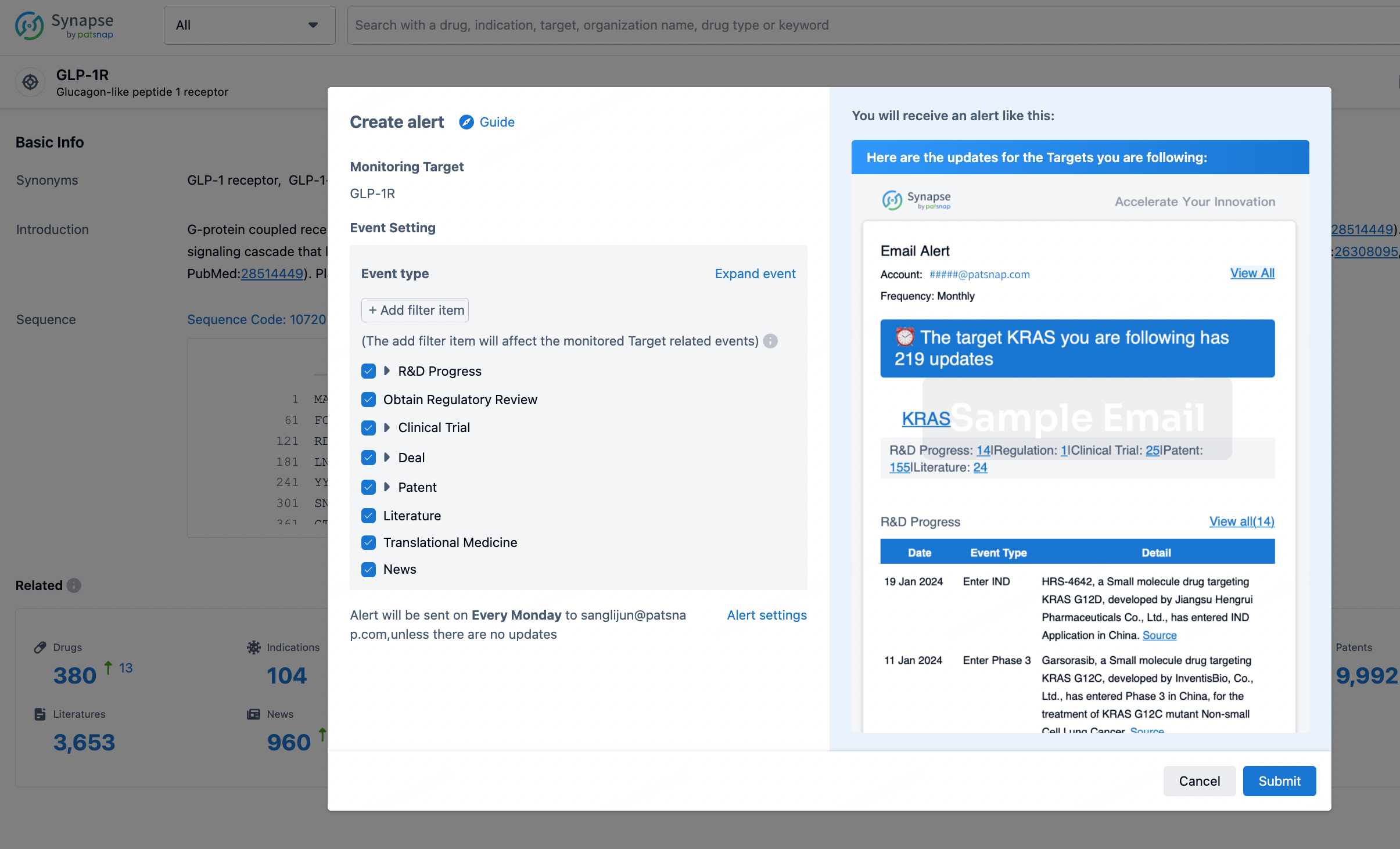
In the Synapse database, you can stay updated on the latest research and development advances of all targets. This service is accessible anytime and anywhere, with updates available daily or weekly. Use the "Set Alert" function to stay informed. Click on the image below to embark on a brand new journey of drug discovery!

AI Agents Built for Biopharma Breakthroughs
Accelerate discovery. Empower decisions. Transform outcomes.
Get started for free today!
Accelerate Strategic R&D decision making with Synapse, PatSnap’s AI-powered Connected Innovation Intelligence Platform Built for Life Sciences Professionals.
Start your data trial now!
Synapse data is also accessible to external entities via APIs or data packages. Empower better decisions with the latest in pharmaceutical intelligence.