Request Demo
What are RIPK1 modulators and how do they work?
21 June 2024
Receptor-interacting protein kinase 1 (RIPK1) has emerged as a critical player in the regulation of cell death and inflammation. This serine/threonine kinase is involved in various cellular processes, including necroptosis (a form of programmed cell death), apoptosis, and inflammation. In recent years, the development of RIPK1 modulators has garnered significant attention due to their potential therapeutic benefits in treating a wide range of diseases. This blog post delves into the intricacies of RIPK1 modulators, explaining how they work and their potential applications in modern medicine.
RIPK1 modulators are designed to regulate the activity of the RIPK1 enzyme, which plays a pivotal role in determining cell fate. Under normal circumstances, RIPK1 acts as a molecular switch that can trigger either cell survival or cell death pathways. When functioning correctly, RIPK1 helps maintain homeostasis by responding to external stress signals and ensuring that damaged or infected cells are appropriately eliminated.
Upon activation by various extracellular signals, RIPK1 can interact with other proteins to form complex signaling platforms, such as the necrosome or the complex IIb, which drive necroptosis and apoptosis, respectively. By targeting RIPK1, modulators can either inhibit or enhance its kinase activity, thereby influencing these cell death pathways. Inhibitors of RIPK1 kinase activity can prevent necroptosis and inflammation, while modulators that promote RIPK1 activity may bolster immune responses against infections or tumors.
One of the primary mechanisms by which RIPK1 modulators exert their effects is through the inhibition of necroptosis. Necroptosis is a form of programmed necrosis, characterized by membrane rupture and the release of intracellular contents, leading to inflammation. By inhibiting RIPK1, modulators can block the formation of the necrosome complex, thereby preventing cell death and subsequent inflammatory responses. This mechanism is particularly beneficial in conditions where excessive or uncontrolled inflammation is a hallmark, such as in autoimmune diseases or chronic inflammatory disorders.
RIPK1 modulators have shown promise in a variety of clinical settings. One of the most notable areas of research is in the treatment of neurodegenerative diseases, such as amyotrophic lateral sclerosis (ALS), Alzheimer's disease, and multiple sclerosis (MS). These conditions are often marked by chronic inflammation and neuronal cell death, processes in which RIPK1 is heavily implicated. By modulating RIPK1 activity, researchers hope to mitigate the progression of these diseases and improve patient outcomes.
In addition to neurodegenerative diseases, RIPK1 modulators are being explored for their potential in treating inflammatory and autoimmune disorders. Conditions such as rheumatoid arthritis, inflammatory bowel disease (IBD), and psoriasis are characterized by excessive inflammation and immune system dysregulation. By inhibiting RIPK1, modulators can help reduce inflammation and tissue damage, offering a novel therapeutic approach for these patients.
Another exciting application of RIPK1 modulators is in the field of oncology. Cancer cells often evade programmed cell death mechanisms, allowing them to proliferate uncontrollably. By restoring the pro-death signals through RIPK1 activation, it may be possible to selectively induce cell death in cancer cells while sparing normal, healthy cells. This approach could potentially complement existing cancer therapies and enhance their efficacy.
Moreover, the versatility of RIPK1 modulators extends to infectious diseases as well. In viral infections, where pathogens can exploit cell death pathways to enhance their replication and spread, RIPK1 inhibitors can help control the inflammatory response and prevent tissue damage. This strategy may prove beneficial in managing viral outbreaks and reducing disease severity.
In conclusion, RIPK1 modulators represent a promising class of therapeutic agents with the potential to address a wide array of medical conditions. By precisely targeting the RIPK1 kinase and its associated pathways, these modulators can influence cell death and inflammation processes, offering new hope for patients suffering from neurodegenerative diseases, inflammatory disorders, autoimmune diseases, cancer, and infectious diseases. As research continues to advance, the therapeutic landscape for RIPK1 modulators is poised to expand, bringing innovative treatments to the forefront of modern medicine.
RIPK1 modulators are designed to regulate the activity of the RIPK1 enzyme, which plays a pivotal role in determining cell fate. Under normal circumstances, RIPK1 acts as a molecular switch that can trigger either cell survival or cell death pathways. When functioning correctly, RIPK1 helps maintain homeostasis by responding to external stress signals and ensuring that damaged or infected cells are appropriately eliminated.
Upon activation by various extracellular signals, RIPK1 can interact with other proteins to form complex signaling platforms, such as the necrosome or the complex IIb, which drive necroptosis and apoptosis, respectively. By targeting RIPK1, modulators can either inhibit or enhance its kinase activity, thereby influencing these cell death pathways. Inhibitors of RIPK1 kinase activity can prevent necroptosis and inflammation, while modulators that promote RIPK1 activity may bolster immune responses against infections or tumors.
One of the primary mechanisms by which RIPK1 modulators exert their effects is through the inhibition of necroptosis. Necroptosis is a form of programmed necrosis, characterized by membrane rupture and the release of intracellular contents, leading to inflammation. By inhibiting RIPK1, modulators can block the formation of the necrosome complex, thereby preventing cell death and subsequent inflammatory responses. This mechanism is particularly beneficial in conditions where excessive or uncontrolled inflammation is a hallmark, such as in autoimmune diseases or chronic inflammatory disorders.
RIPK1 modulators have shown promise in a variety of clinical settings. One of the most notable areas of research is in the treatment of neurodegenerative diseases, such as amyotrophic lateral sclerosis (ALS), Alzheimer's disease, and multiple sclerosis (MS). These conditions are often marked by chronic inflammation and neuronal cell death, processes in which RIPK1 is heavily implicated. By modulating RIPK1 activity, researchers hope to mitigate the progression of these diseases and improve patient outcomes.
In addition to neurodegenerative diseases, RIPK1 modulators are being explored for their potential in treating inflammatory and autoimmune disorders. Conditions such as rheumatoid arthritis, inflammatory bowel disease (IBD), and psoriasis are characterized by excessive inflammation and immune system dysregulation. By inhibiting RIPK1, modulators can help reduce inflammation and tissue damage, offering a novel therapeutic approach for these patients.
Another exciting application of RIPK1 modulators is in the field of oncology. Cancer cells often evade programmed cell death mechanisms, allowing them to proliferate uncontrollably. By restoring the pro-death signals through RIPK1 activation, it may be possible to selectively induce cell death in cancer cells while sparing normal, healthy cells. This approach could potentially complement existing cancer therapies and enhance their efficacy.
Moreover, the versatility of RIPK1 modulators extends to infectious diseases as well. In viral infections, where pathogens can exploit cell death pathways to enhance their replication and spread, RIPK1 inhibitors can help control the inflammatory response and prevent tissue damage. This strategy may prove beneficial in managing viral outbreaks and reducing disease severity.
In conclusion, RIPK1 modulators represent a promising class of therapeutic agents with the potential to address a wide array of medical conditions. By precisely targeting the RIPK1 kinase and its associated pathways, these modulators can influence cell death and inflammation processes, offering new hope for patients suffering from neurodegenerative diseases, inflammatory disorders, autoimmune diseases, cancer, and infectious diseases. As research continues to advance, the therapeutic landscape for RIPK1 modulators is poised to expand, bringing innovative treatments to the forefront of modern medicine.
How to obtain the latest development progress of all targets?
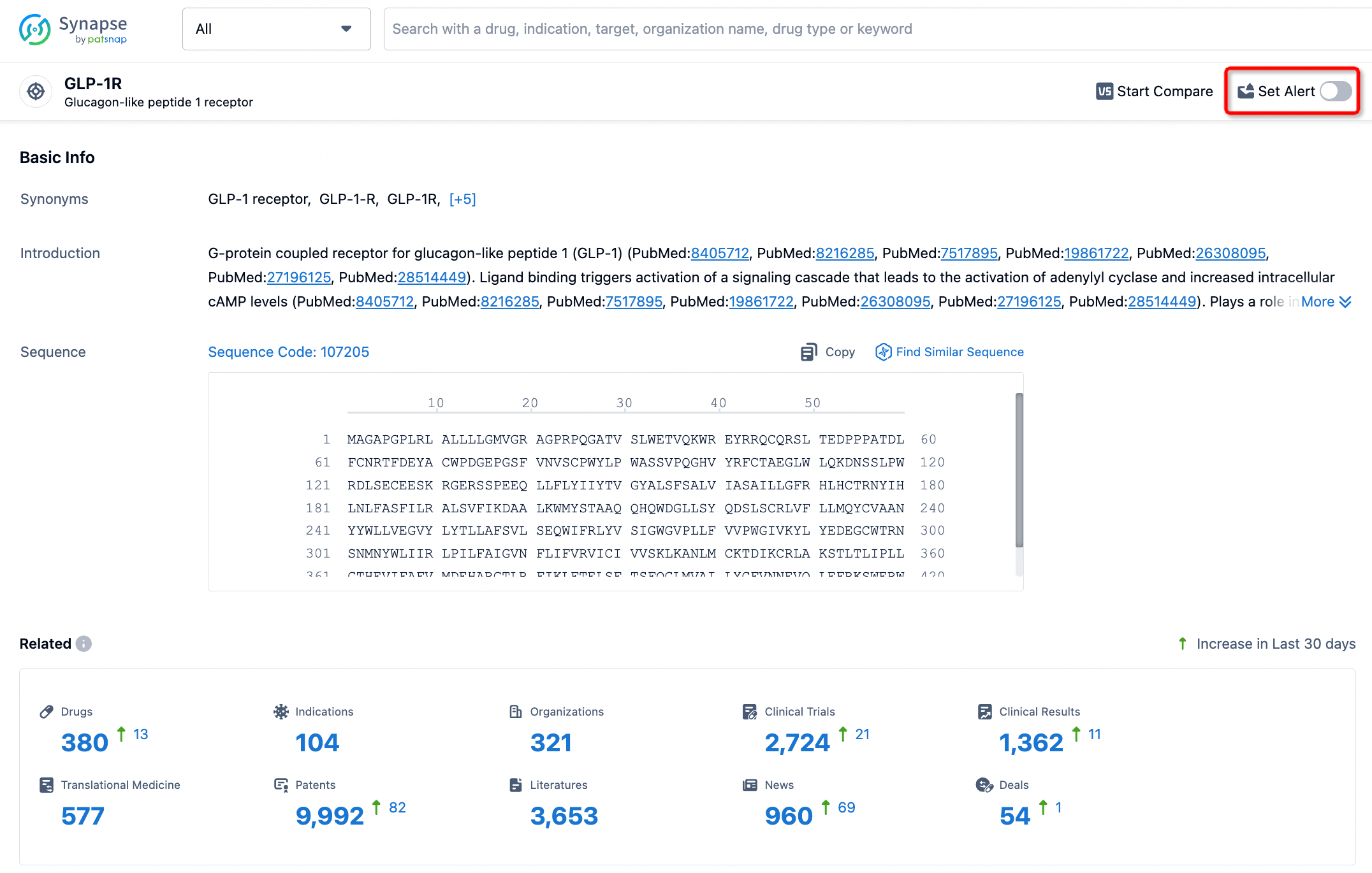
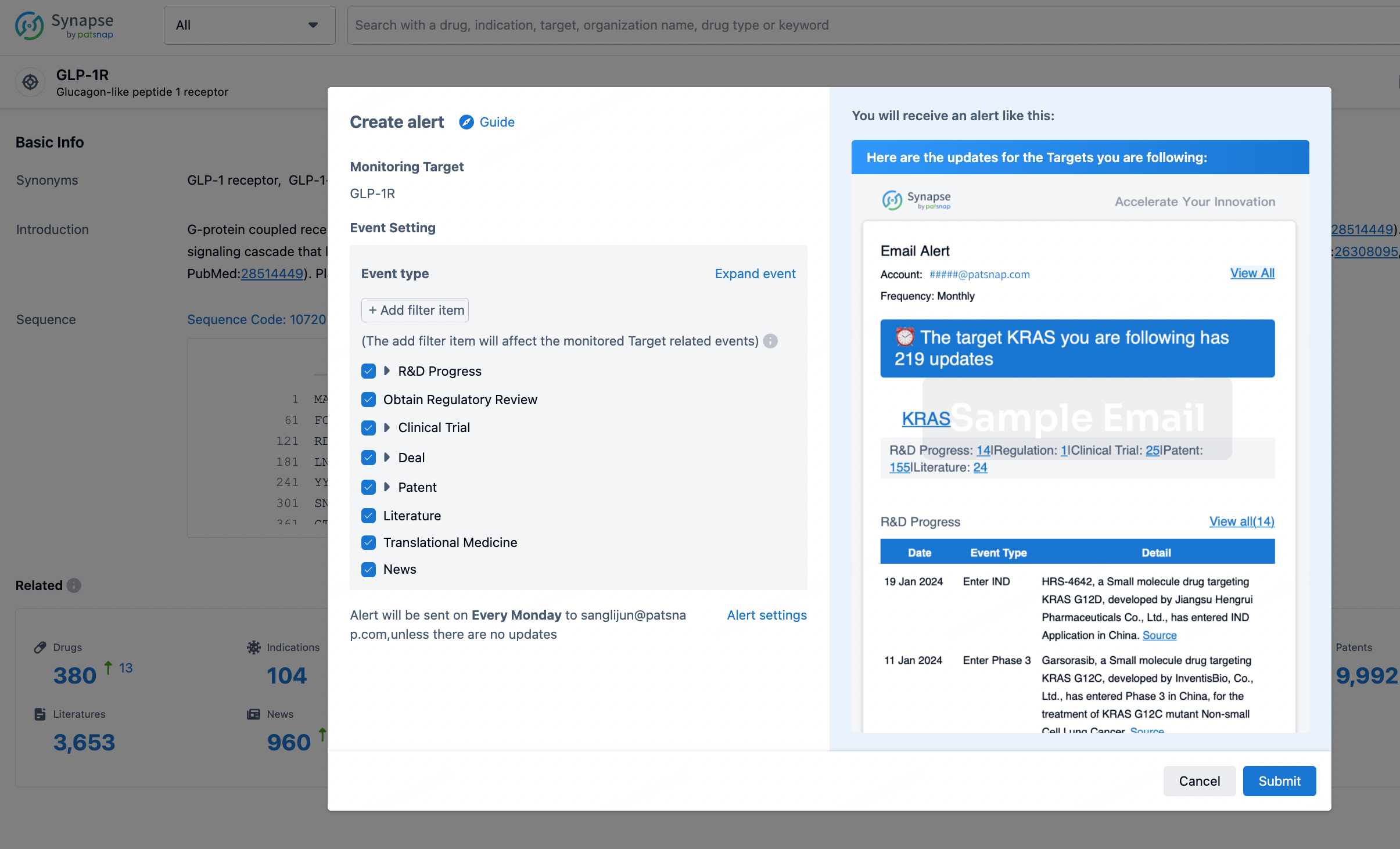
In the Synapse database, you can stay updated on the latest research and development advances of all targets. This service is accessible anytime and anywhere, with updates available daily or weekly. Use the "Set Alert" function to stay informed. Click on the image below to embark on a brand new journey of drug discovery!

Hiro LS Researcher
The AI Search Engine Built to Accelerate Biopharma Decisions
Search across billion-scale life sciences data to uncover signals, validate evidence, and act with confidence.
Ask any biopharma research question→
Get started for free today!
Accelerate Strategic R&D decision making with Synapse, Patsnap’s AI-powered Connected Innovation Intelligence Platform Built for Life Sciences Professionals.
Discover Synapse Data Servers
Synapse data is now integrated into the PatSnap LS Model Context Protocol (MCP) service. Customize your LLM agent now using our MCP server!