Request Demo
What are RORγt inhibitors and how do they work?
21 June 2024
In the realm of immunology and pharmacology, the quest for innovative therapies to combat autoimmune diseases continues to push the boundaries of medical science. One class of compounds that has garnered significant attention in recent years is RORγt inhibitors. These molecules hold promise for treating a variety of autoimmune and inflammatory conditions. This blog post aims to explore the essential aspects of RORγt inhibitors, elucidating how they work and what they are used for.
At the core of the immune system lies a complex network of cells and molecules responsible for defending the body against pathogens. Among these, T-helper cells, namely Th17 cells, play a pivotal role. Th17 cells are a subset of pro-inflammatory T-helper cells that secrete interleukin-17 (IL-17), a cytokine involved in the inflammatory response. The differentiation and function of Th17 cells are regulated by the nuclear receptor RORγt (Retinoic acid-related orphan receptor gamma t). RORγt acts as a transcription factor, binding to specific DNA sequences to regulate the expression of genes critical for Th17 cell development and function.
RORγt inhibitors are small molecules or biologics designed to block the activity of the RORγt receptor. By inhibiting RORγt, these compounds effectively reduce the differentiation of naïve T-cells into Th17 cells, leading to decreased production of IL-17. This, in turn, dampens the inflammatory response mediated by Th17 cells. The inhibition of RORγt can be achieved through various mechanisms, including direct binding to the receptor's ligand-binding domain or allosteric modulation that prevents its interaction with co-activators essential for its transcriptional activity. By targeting RORγt, these inhibitors provide a means to modulate the immune system and potentially ameliorate conditions characterized by excessive inflammation.
The therapeutic potential of RORγt inhibitors spans a wide array of autoimmune and inflammatory diseases. One of the most prominent conditions where these inhibitors are being investigated is psoriasis, a chronic skin disorder marked by red, scaly patches. Psoriasis is driven by an overactive immune response, with IL-17 playing a central role in the pathogenesis of the disease. By reducing IL-17 production, RORγt inhibitors can alleviate the symptoms and improve the quality of life for individuals with psoriasis.
Another condition where RORγt inhibitors show promise is rheumatoid arthritis (RA), a chronic inflammatory disorder affecting the joints. In RA, the persistent inflammation leads to joint damage and significant morbidity. The involvement of Th17 cells and IL-17 in driving the inflammatory process makes RORγt a viable target. Clinical studies have demonstrated that RORγt inhibitors can reduce signs and symptoms of RA, providing an alternative to existing therapies.
Inflammatory bowel disease (IBD), encompassing Crohn's disease and ulcerative colitis, is yet another area where RORγt inhibitors are being actively explored. These conditions are characterized by chronic inflammation of the gastrointestinal tract, driven by an aberrant immune response. Th17 cells and IL-17 are key mediators of the inflammatory process in IBD. By targeting RORγt, inhibitors have the potential to modulate the immune response and bring about remission in patients with IBD.
Moreover, RORγt inhibitors are being investigated for their potential in treating multiple sclerosis (MS), a chronic disease where the immune system attacks the central nervous system, leading to neurological impairment. Th17 cells contribute to the pathogenesis of MS by promoting inflammation and demyelination. Preclinical studies and early-phase clinical trials suggest that RORγt inhibition can reduce disease activity and prevent relapse in MS patients.
In conclusion, RORγt inhibitors represent a promising avenue in the treatment of autoimmune and inflammatory diseases. By specifically targeting the RORγt receptor, these inhibitors can effectively modulate the immune response, offering potential benefits for patients with conditions such as psoriasis, rheumatoid arthritis, inflammatory bowel disease, and multiple sclerosis. As research progresses and our understanding of the immune system deepens, RORγt inhibitors may well become integral components of therapeutic strategies aimed at managing autoimmune disorders.
At the core of the immune system lies a complex network of cells and molecules responsible for defending the body against pathogens. Among these, T-helper cells, namely Th17 cells, play a pivotal role. Th17 cells are a subset of pro-inflammatory T-helper cells that secrete interleukin-17 (IL-17), a cytokine involved in the inflammatory response. The differentiation and function of Th17 cells are regulated by the nuclear receptor RORγt (Retinoic acid-related orphan receptor gamma t). RORγt acts as a transcription factor, binding to specific DNA sequences to regulate the expression of genes critical for Th17 cell development and function.
RORγt inhibitors are small molecules or biologics designed to block the activity of the RORγt receptor. By inhibiting RORγt, these compounds effectively reduce the differentiation of naïve T-cells into Th17 cells, leading to decreased production of IL-17. This, in turn, dampens the inflammatory response mediated by Th17 cells. The inhibition of RORγt can be achieved through various mechanisms, including direct binding to the receptor's ligand-binding domain or allosteric modulation that prevents its interaction with co-activators essential for its transcriptional activity. By targeting RORγt, these inhibitors provide a means to modulate the immune system and potentially ameliorate conditions characterized by excessive inflammation.
The therapeutic potential of RORγt inhibitors spans a wide array of autoimmune and inflammatory diseases. One of the most prominent conditions where these inhibitors are being investigated is psoriasis, a chronic skin disorder marked by red, scaly patches. Psoriasis is driven by an overactive immune response, with IL-17 playing a central role in the pathogenesis of the disease. By reducing IL-17 production, RORγt inhibitors can alleviate the symptoms and improve the quality of life for individuals with psoriasis.
Another condition where RORγt inhibitors show promise is rheumatoid arthritis (RA), a chronic inflammatory disorder affecting the joints. In RA, the persistent inflammation leads to joint damage and significant morbidity. The involvement of Th17 cells and IL-17 in driving the inflammatory process makes RORγt a viable target. Clinical studies have demonstrated that RORγt inhibitors can reduce signs and symptoms of RA, providing an alternative to existing therapies.
Inflammatory bowel disease (IBD), encompassing Crohn's disease and ulcerative colitis, is yet another area where RORγt inhibitors are being actively explored. These conditions are characterized by chronic inflammation of the gastrointestinal tract, driven by an aberrant immune response. Th17 cells and IL-17 are key mediators of the inflammatory process in IBD. By targeting RORγt, inhibitors have the potential to modulate the immune response and bring about remission in patients with IBD.
Moreover, RORγt inhibitors are being investigated for their potential in treating multiple sclerosis (MS), a chronic disease where the immune system attacks the central nervous system, leading to neurological impairment. Th17 cells contribute to the pathogenesis of MS by promoting inflammation and demyelination. Preclinical studies and early-phase clinical trials suggest that RORγt inhibition can reduce disease activity and prevent relapse in MS patients.
In conclusion, RORγt inhibitors represent a promising avenue in the treatment of autoimmune and inflammatory diseases. By specifically targeting the RORγt receptor, these inhibitors can effectively modulate the immune response, offering potential benefits for patients with conditions such as psoriasis, rheumatoid arthritis, inflammatory bowel disease, and multiple sclerosis. As research progresses and our understanding of the immune system deepens, RORγt inhibitors may well become integral components of therapeutic strategies aimed at managing autoimmune disorders.
How to obtain the latest development progress of all targets?
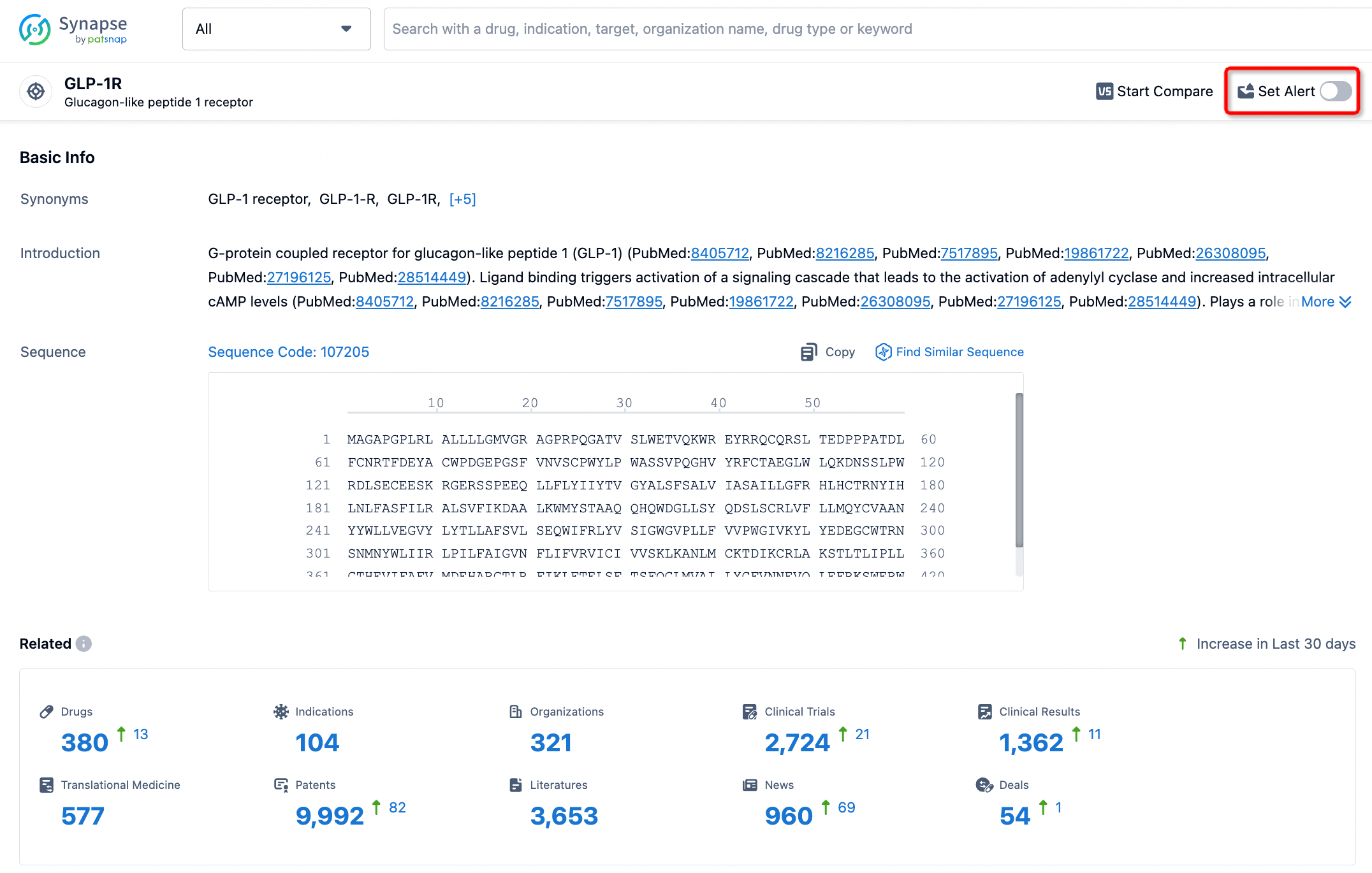
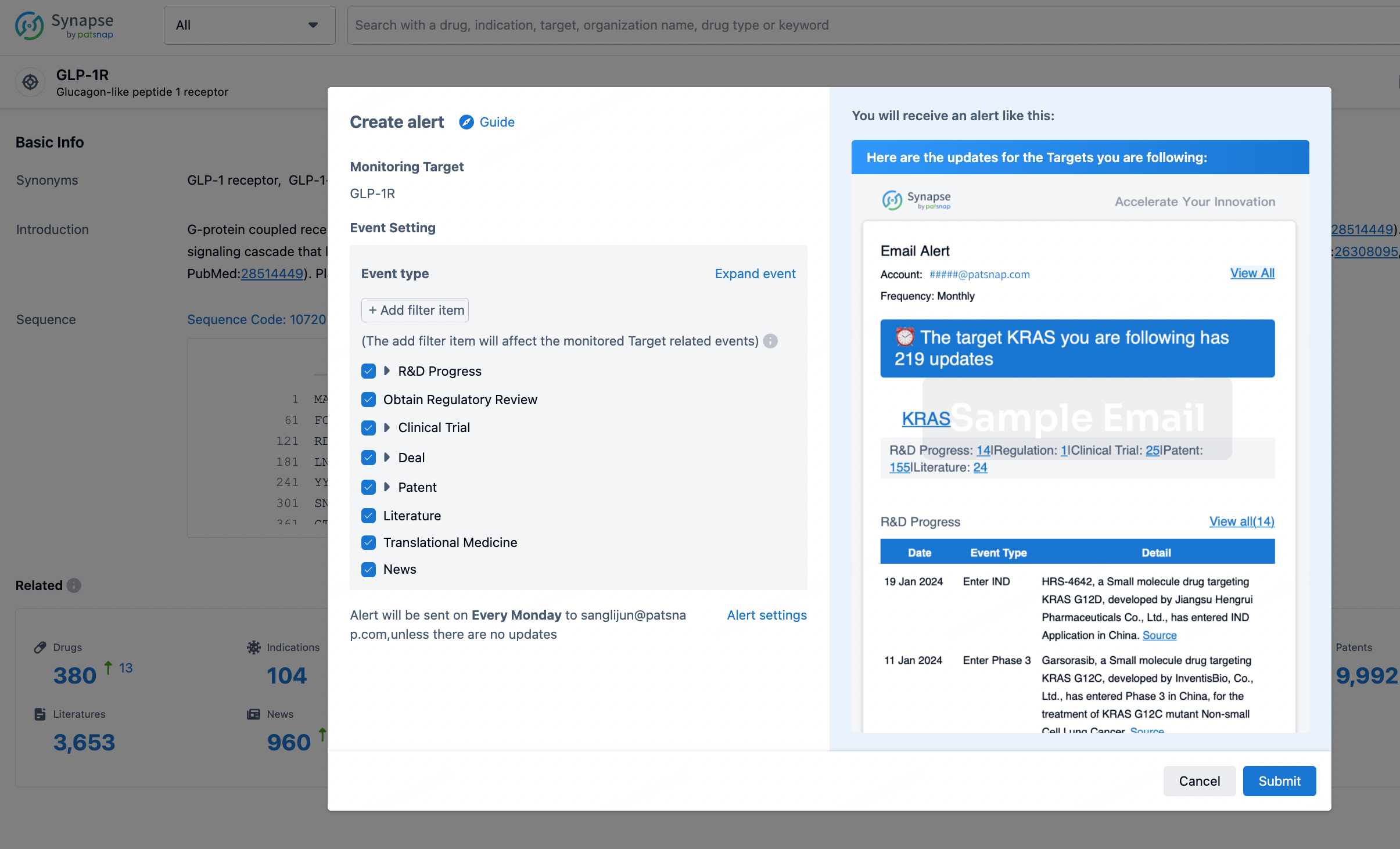
In the Synapse database, you can stay updated on the latest research and development advances of all targets. This service is accessible anytime and anywhere, with updates available daily or weekly. Use the "Set Alert" function to stay informed. Click on the image below to embark on a brand new journey of drug discovery!
AI Agents Built for Biopharma Breakthroughs
Accelerate discovery. Empower decisions. Transform outcomes.
Get started for free today!
Accelerate Strategic R&D decision making with Synapse, PatSnap’s AI-powered Connected Innovation Intelligence Platform Built for Life Sciences Professionals.
Start your data trial now!
Synapse data is also accessible to external entities via APIs or data packages. Empower better decisions with the latest in pharmaceutical intelligence.