Request Demo
What are SAA1 modulators and how do they work?
25 June 2024
In recent years, the medical and scientific communities have turned a spotlight on Serum Amyloid A1 (SAA1) modulators due to their potential therapeutic applications. SAA1 is an acute-phase protein that plays a significant role in inflammation and immune responses. Understanding how SAA1 modulators function and their potential uses could pave the way for novel treatments for a variety of inflammatory and autoimmune diseases.
SAA1 modulators are compounds or biological agents designed to influence the activity of the SAA1 protein. SAA1 is usually present at low levels in the blood but increases dramatically during acute-phase responses, such as infection, injury, or chronic inflammatory conditions. Modulators can either enhance or inhibit the expression and activity of SAA1, depending on the therapeutic goal.
These modulators work by targeting specific pathways involved in SAA1 synthesis and activity. One common approach involves the use of small molecules that can either suppress or stimulate the gene expression of SAA1. Another strategy includes monoclonal antibodies designed to neutralize the protein, thereby reducing its inflammatory effects. Additionally, RNA interference technologies are being explored to directly silence the SAA1 gene, effectively reducing protein levels in the bloodstream.
The biological function of SAA1 involves binding to high-density lipoprotein (HDL) and interacting with cell surface receptors, which influences cell signaling pathways related to inflammation and immune responses. By modulating these interactions, researchers aim to either dampen excessive inflammation in diseases like rheumatoid arthritis or boost immune responses against infections and cancer.
SAA1 modulators are being investigated for a wide range of potential applications. Inflammatory diseases are a primary target, given the protein’s role in the body's response to inflammation. Conditions such as rheumatoid arthritis, inflammatory bowel disease, and psoriasis may benefit from therapies that can modulate SAA1 activity. By reducing the levels or activity of SAA1, it is possible to alleviate the chronic inflammation that characterizes these diseases, providing patients with better symptom control and potentially slowing disease progression.
Cancer therapy is another promising area for SAA1 modulators. Certain types of cancer exhibit elevated levels of SAA1, which can promote tumor growth and metastasis by enhancing inflammatory pathways. In such cases, SAA1 inhibitors could be employed to slow down or prevent the spread of cancer cells. Moreover, because SAA1 is involved in immune responses, enhancing its activity could potentially improve the efficacy of cancer immunotherapies by boosting the body's ability to target and destroy malignant cells.
Beyond inflammatory diseases and cancer, SAA1 modulators could have applications in infectious diseases. During severe infections, such as sepsis, the overproduction of SAA1 can lead to harmful inflammation and tissue damage. Modulating SAA1 levels could help to mitigate these effects, providing a more balanced immune response that clears the infection without causing excessive collateral damage to the body's tissues.
Research into SAA1 modulators is still in its nascent stages, but the preliminary results are promising. Clinical trials and preclinical studies are underway to better understand the safety, efficacy, and potential side effects of these novel therapies. If successful, SAA1 modulators could offer a new class of treatments for a variety of conditions that currently have limited therapeutic options.
In conclusion, SAA1 modulators represent a fascinating and potentially transformative area of medical research. Their ability to influence key pathways in inflammation and immune responses opens up exciting possibilities for treating a range of diseases, from chronic inflammatory conditions to cancer and severe infections. As research progresses, we may soon see these innovative therapies move from the laboratory to the clinic, offering new hope to patients worldwide.
SAA1 modulators are compounds or biological agents designed to influence the activity of the SAA1 protein. SAA1 is usually present at low levels in the blood but increases dramatically during acute-phase responses, such as infection, injury, or chronic inflammatory conditions. Modulators can either enhance or inhibit the expression and activity of SAA1, depending on the therapeutic goal.
These modulators work by targeting specific pathways involved in SAA1 synthesis and activity. One common approach involves the use of small molecules that can either suppress or stimulate the gene expression of SAA1. Another strategy includes monoclonal antibodies designed to neutralize the protein, thereby reducing its inflammatory effects. Additionally, RNA interference technologies are being explored to directly silence the SAA1 gene, effectively reducing protein levels in the bloodstream.
The biological function of SAA1 involves binding to high-density lipoprotein (HDL) and interacting with cell surface receptors, which influences cell signaling pathways related to inflammation and immune responses. By modulating these interactions, researchers aim to either dampen excessive inflammation in diseases like rheumatoid arthritis or boost immune responses against infections and cancer.
SAA1 modulators are being investigated for a wide range of potential applications. Inflammatory diseases are a primary target, given the protein’s role in the body's response to inflammation. Conditions such as rheumatoid arthritis, inflammatory bowel disease, and psoriasis may benefit from therapies that can modulate SAA1 activity. By reducing the levels or activity of SAA1, it is possible to alleviate the chronic inflammation that characterizes these diseases, providing patients with better symptom control and potentially slowing disease progression.
Cancer therapy is another promising area for SAA1 modulators. Certain types of cancer exhibit elevated levels of SAA1, which can promote tumor growth and metastasis by enhancing inflammatory pathways. In such cases, SAA1 inhibitors could be employed to slow down or prevent the spread of cancer cells. Moreover, because SAA1 is involved in immune responses, enhancing its activity could potentially improve the efficacy of cancer immunotherapies by boosting the body's ability to target and destroy malignant cells.
Beyond inflammatory diseases and cancer, SAA1 modulators could have applications in infectious diseases. During severe infections, such as sepsis, the overproduction of SAA1 can lead to harmful inflammation and tissue damage. Modulating SAA1 levels could help to mitigate these effects, providing a more balanced immune response that clears the infection without causing excessive collateral damage to the body's tissues.
Research into SAA1 modulators is still in its nascent stages, but the preliminary results are promising. Clinical trials and preclinical studies are underway to better understand the safety, efficacy, and potential side effects of these novel therapies. If successful, SAA1 modulators could offer a new class of treatments for a variety of conditions that currently have limited therapeutic options.
In conclusion, SAA1 modulators represent a fascinating and potentially transformative area of medical research. Their ability to influence key pathways in inflammation and immune responses opens up exciting possibilities for treating a range of diseases, from chronic inflammatory conditions to cancer and severe infections. As research progresses, we may soon see these innovative therapies move from the laboratory to the clinic, offering new hope to patients worldwide.
How to obtain the latest development progress of all targets?
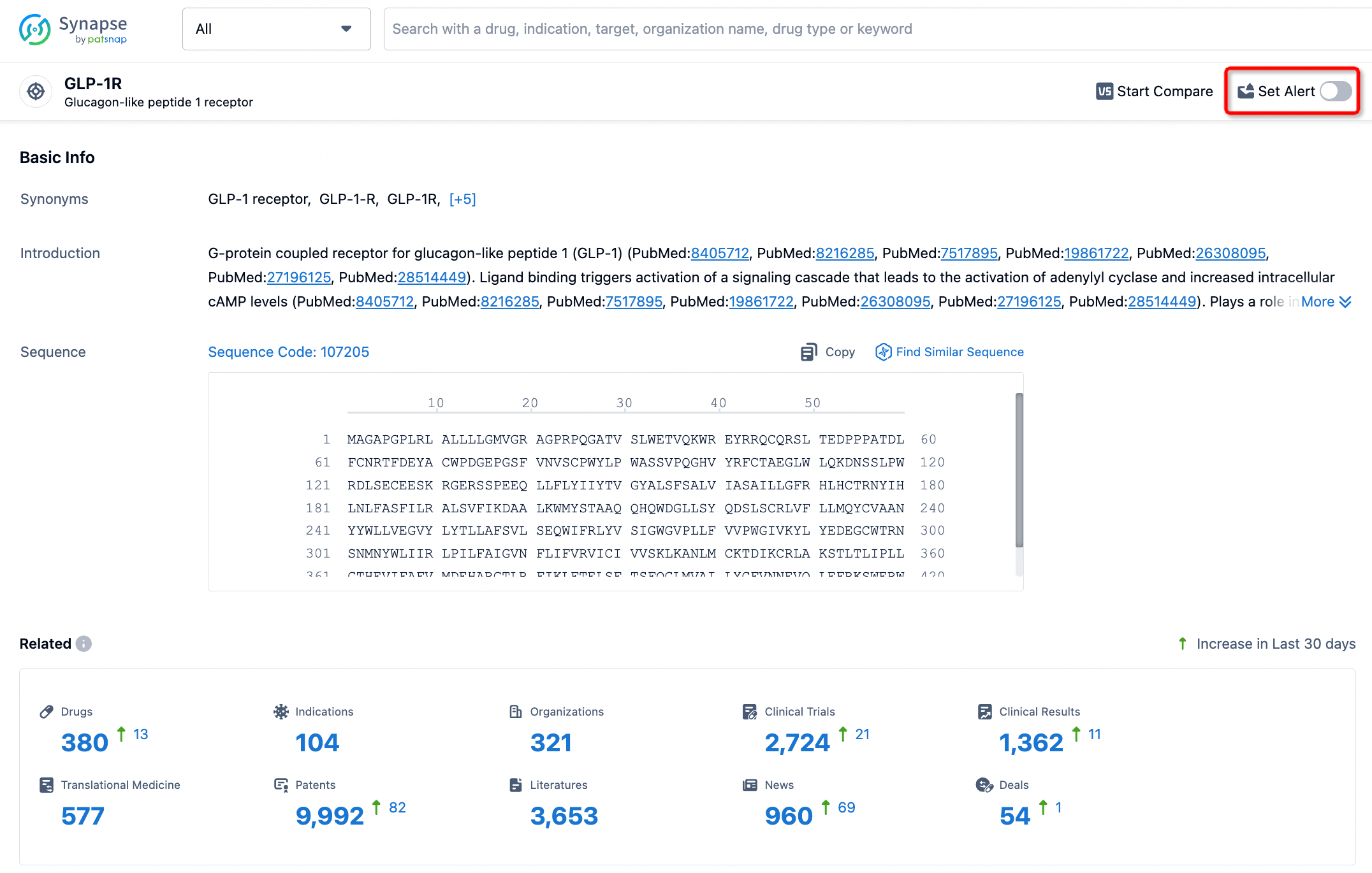
In the Synapse database, you can stay updated on the latest research and development advances of all targets. This service is accessible anytime and anywhere, with updates available daily or weekly. Use the "Set Alert" function to stay informed. Click on the image below to embark on a brand new journey of drug discovery!


Hiro LS Researcher
The AI Search Engine Built to Accelerate Biopharma Decisions
Search across billion-scale life sciences data to uncover signals, validate evidence, and act with confidence.
Ask any biopharma research question→
Get started for free today!
Accelerate Strategic R&D decision making with Synapse, Patsnap’s AI-powered Connected Innovation Intelligence Platform Built for Life Sciences Professionals.
Discover Synapse Data Servers
Synapse data is now integrated into the PatSnap LS Model Context Protocol (MCP) service. Customize your LLM agent now using our MCP server!